
Plant Library · Vegetables
🌾 How to Grow Quinoa
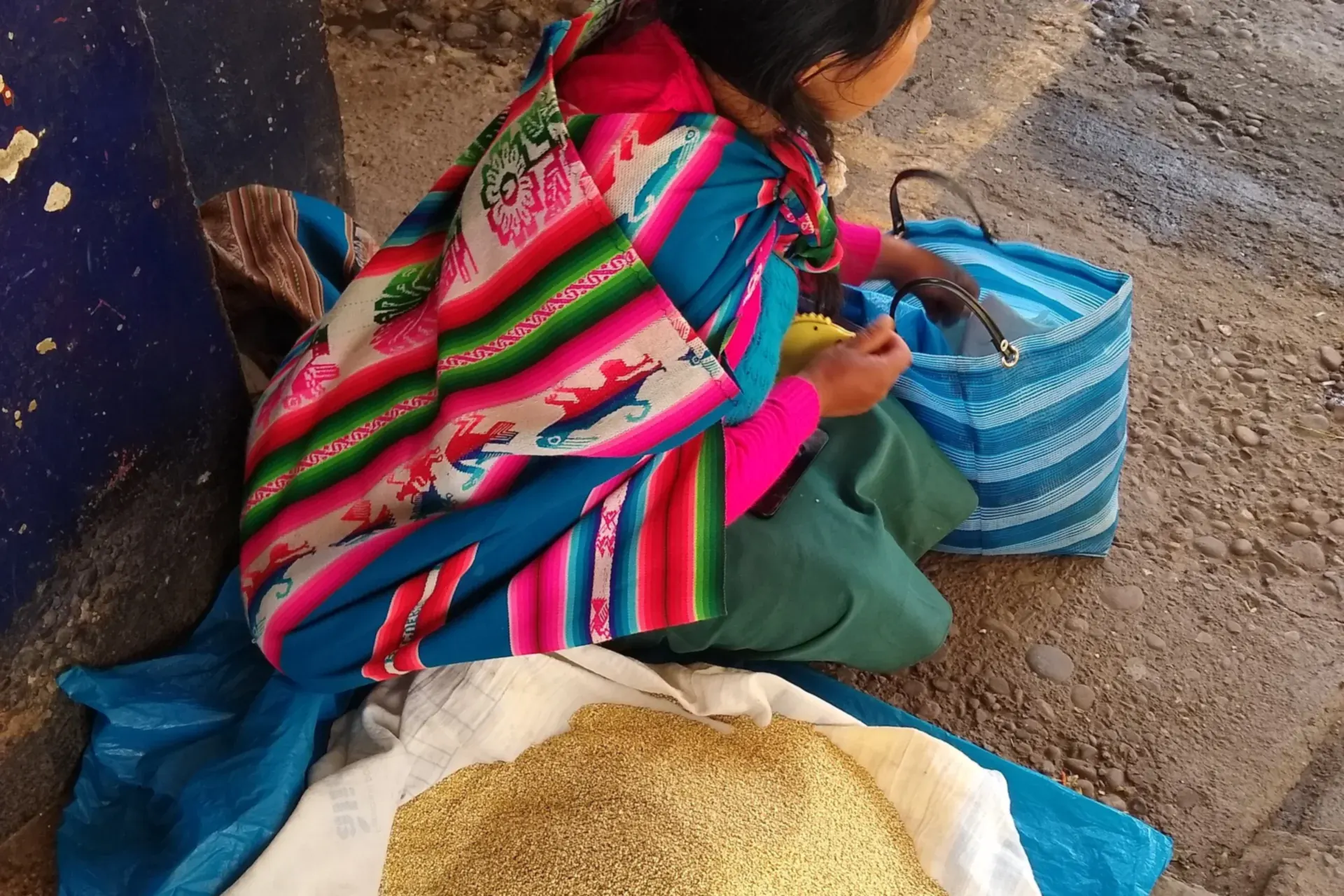
Quinoa is the Andean grain that is really a seed — a complete protein with all nine essential amino acids — and it grows like a tall, handsome relative of lamb's quarters. It needs 90–120 days, cool nights to set seed, and dry air: it struggles in humid heat, but in a cool, sunny garden it is an easy, striking crop.
Grow Quinoa with us — step by step
Everything for this plant is written step by step below — what to do, and exactly when. Read it through first if you like: you can grow it entirely on your own with that guide. Or start with us here — tell us your planting day and we lay out your personal schedule on this page, every next step on its own day, counted from your planting date. No guessing, no forgetting.
Step 1 — today: Sow Quinoa today, direct in the bed, 1/4 in deep and 10–14 in apart in rows 24 in apart, and water in gently. It needs cool nights to set seed.
Quinoa at a glance
Sow outside: 1 week before last frost
Spacing: 10–14 in · Seed depth: 1/4 in
Sun: Full sun
Water: Moderate — drought-tolerant; avoid wet leaves
Harvest: 90–120 days
Timing counts from your average last spring frost — get your own dates in the Planting Calendar. Guidance follows standard extension-service practice for Canada and the US.
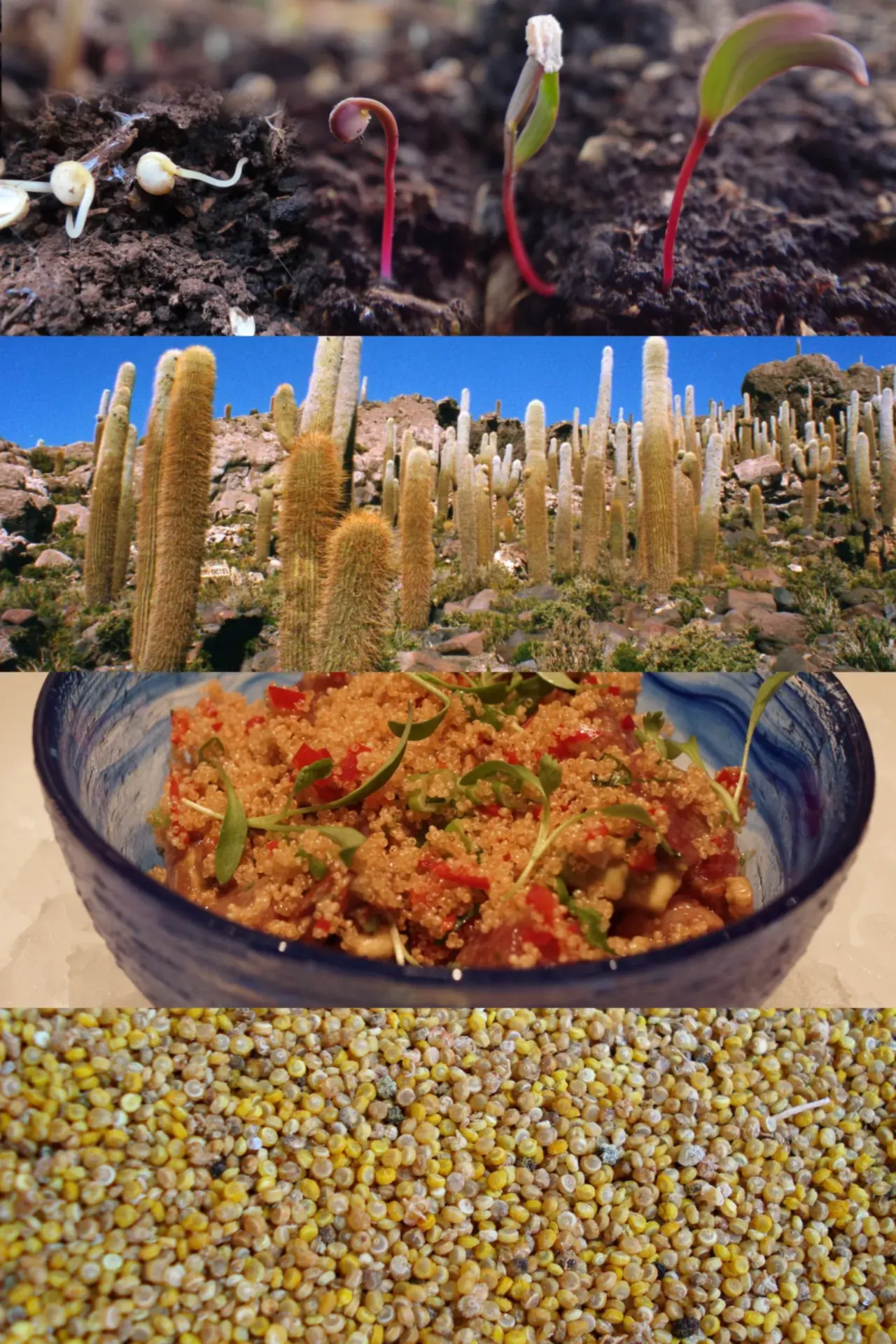
How to plant and grow quinoa, step by step
Step 1 — Time it right
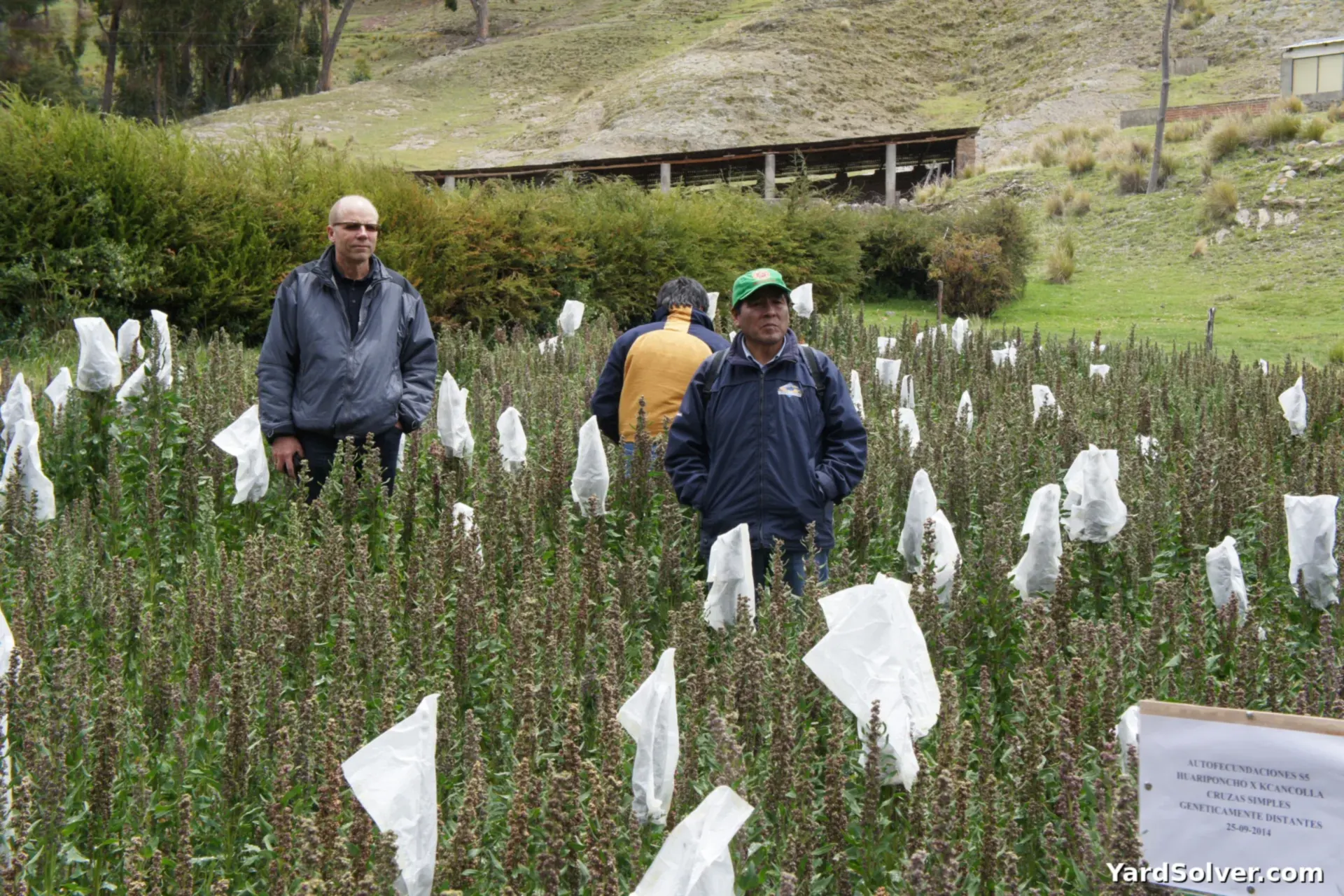
Direct sow 1–2 weeks before last frost. Seedlings tolerate light frost, and the plant needs cool nights to set seed. All dates count from your average last spring frost — the Planting Calendar turns them into real dates for your garden.
Step 2 — Prepare the spot
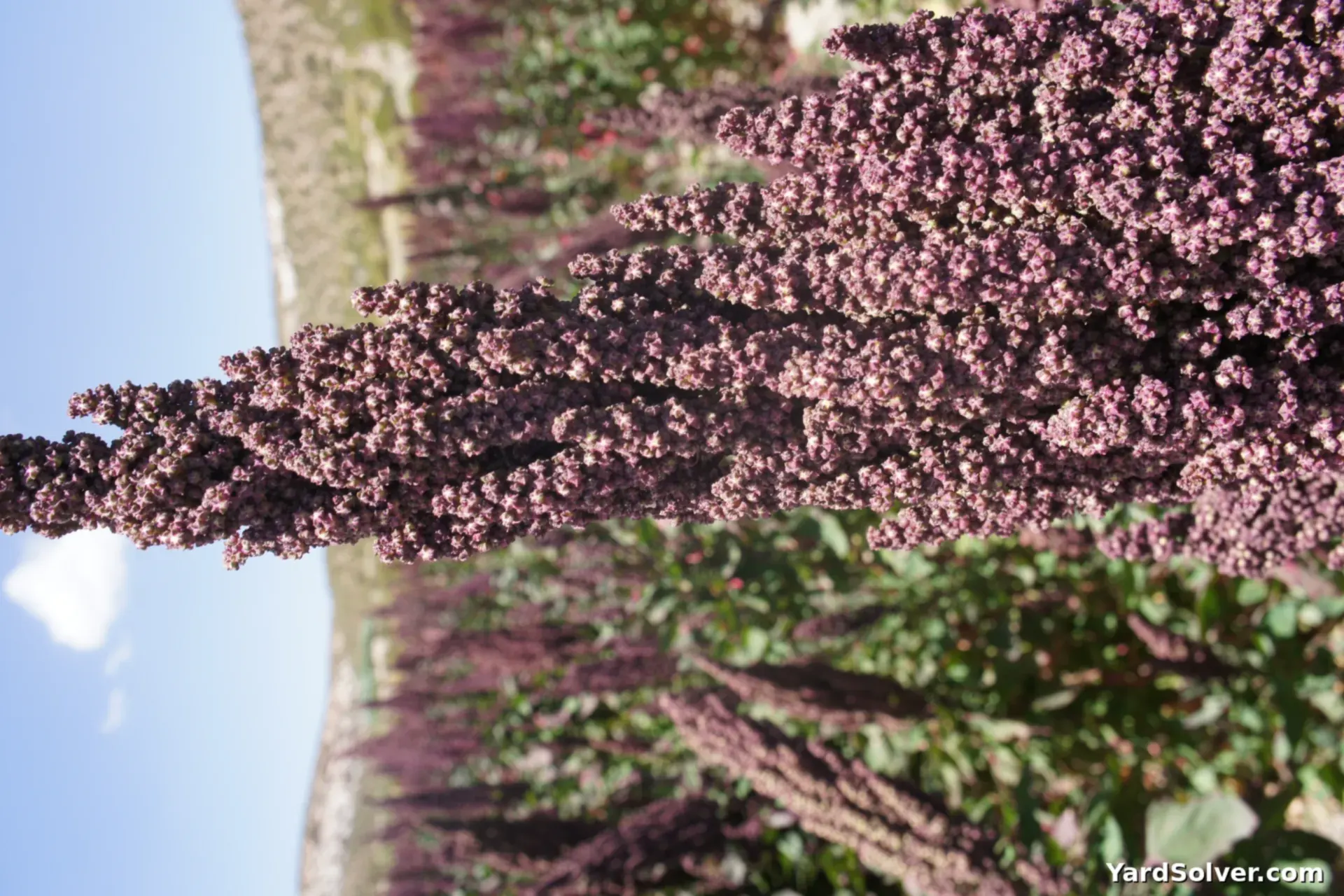
Sun: Full sun. Well-drained, average soil — quinoa dislikes wet feet and very rich soil, which makes it fall over. Work out how much you need with the Garden Mix Calculator or the Raised Bed Soil Calculator.
Step 3 — Sow and plant out
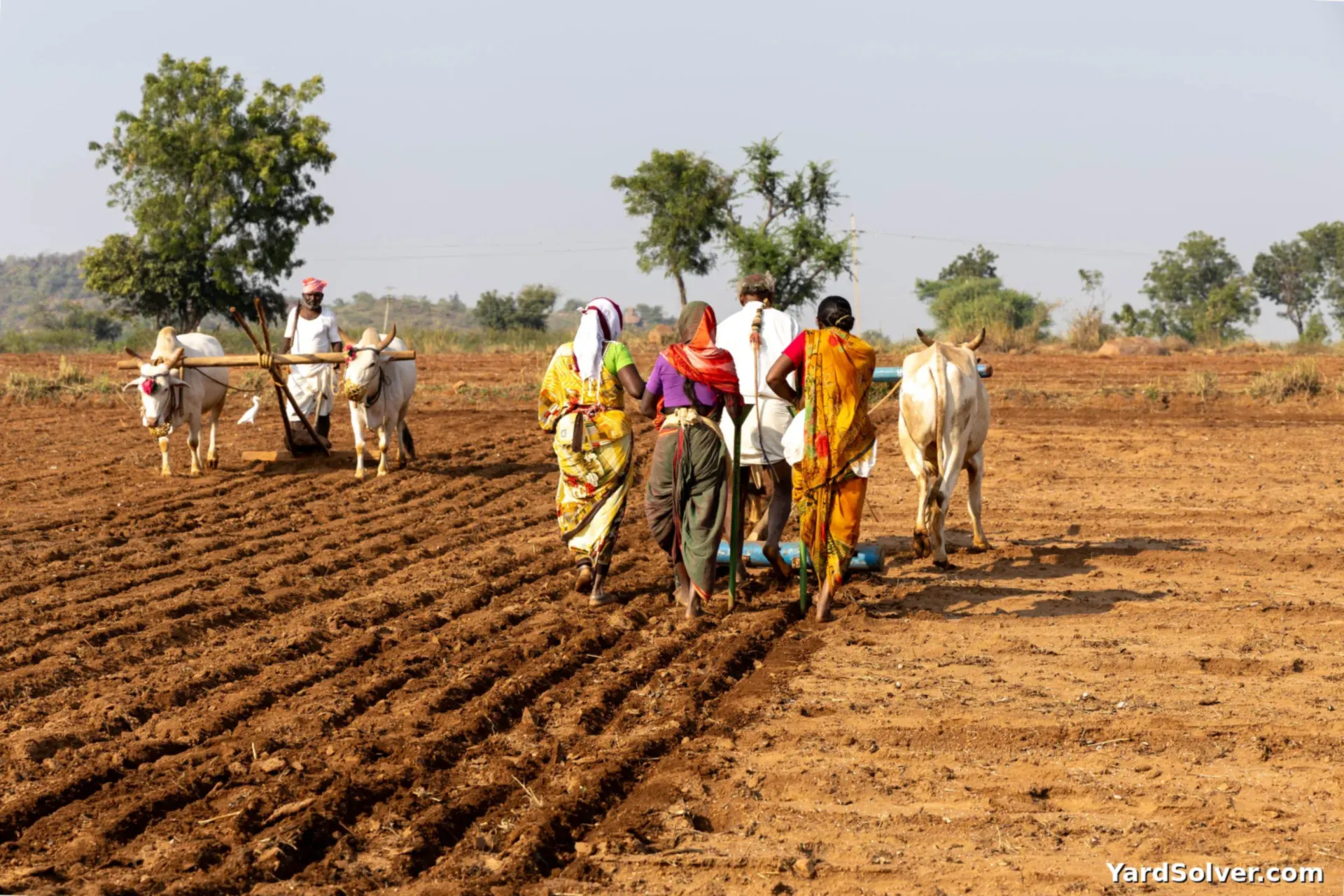
Sow 1/4 in deep, 10–14 in apart in rows 24 in apart. Thin once seedlings are a few inches tall. The Plant Spacing Calculator turns that spacing into plants-per-bed.
Step 4 — Water and feed
Water: Moderate — drought-tolerant; avoid wet leaves. Feed little or nothing — too much nitrogen makes tall, weak plants that lodge in wind. The Fertilizer Calculator turns a bed size into the right amount.
Step 5 — Care and the problems to watch for
Aphids — they gather on the seed heads; a jet of water helps. Lodging — tall plants fall in wind, especially in rich soil; stake or grow in a sheltered spot. Birds — they love ripe seed; net the heads or harvest early and dry indoors.
Step 6 — Harvest
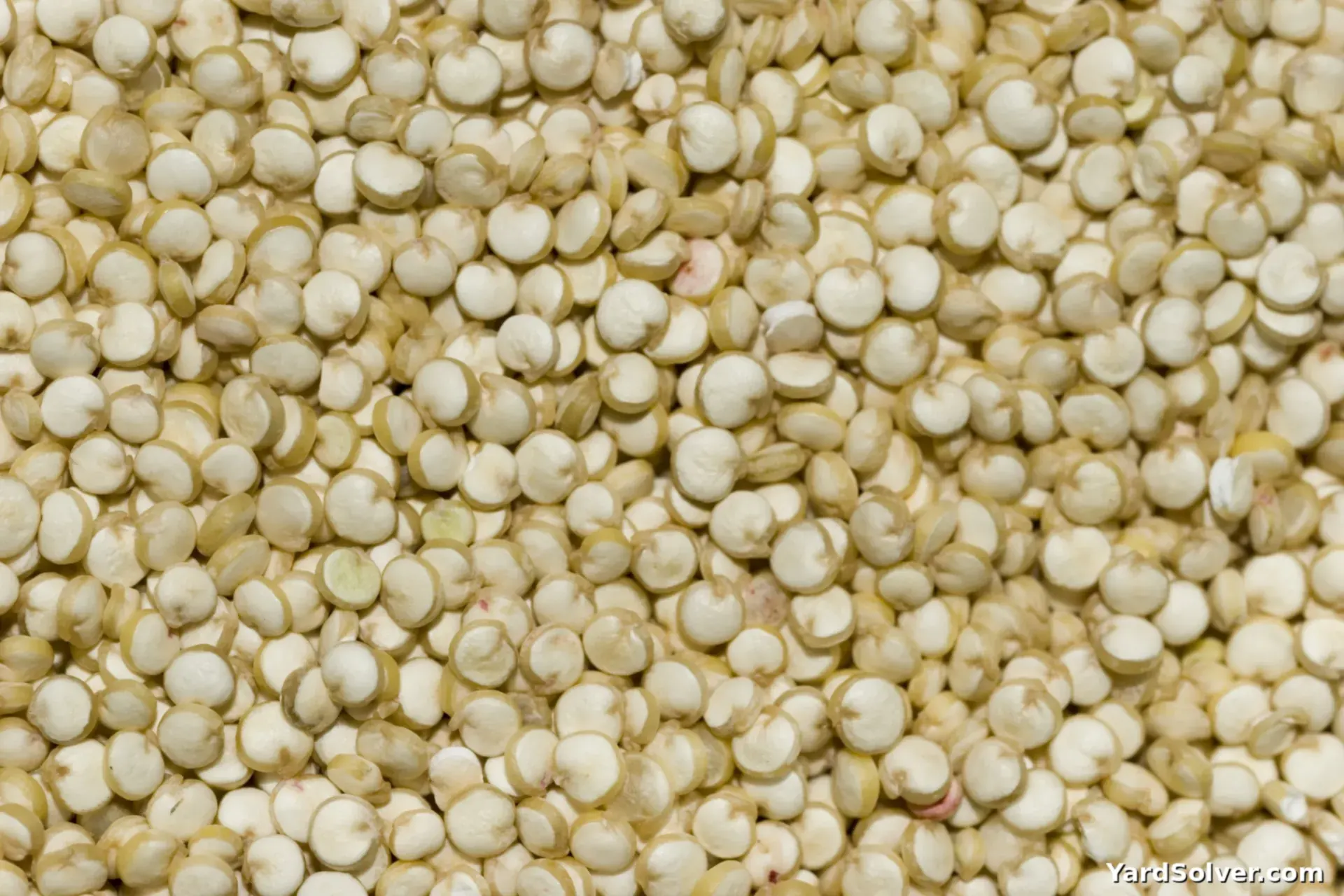
Ready in: 90–120 days. Cut seed heads when dry, rub the seed out over a sheet, and rinse well in several changes of water before cooking — the bitter coating must come off.
📅 Your personal Quinoa schedule
Counted from your planting day — not a generic calendar. Day 0 is the day the seed went in the ground or the young plant went out.
Varieties worth growing
| Variety | Colour | Why gardeners like it |
|---|---|---|
| Brightest Brilliant | Rainbow | A colourful mix of red, gold and white seed heads |
| Cherry Vanilla | Cream | A mild, pale-seeded variety for home gardens |
| Red Head | Red | Deep-red seed heads, striking in the garden |
| White Quinoa | White | The standard mild-flavoured type, easiest to cook |
Good for you — and take care
Benefits
- A complete protein — all nine essential amino acids
- Rich in iron, magnesium and fibre
- Gluten-free and easy to digest
- Drought-tolerant once established
Take care
- Quinoa seed has a bitter coating called saponin — rinse harvested seed well in several changes of water before cooking.
- Do not confuse it with lamb's quarters, its weedy cousin — only eat what you planted.
- Harvest when the seed heads are dry and the seed rubs out easily.
Problems to watch for
- Aphids — they gather on the seed heads; a jet of water helps.
- Lodging — tall plants fall in wind, especially in rich soil; stake or grow in a sheltered spot.
- Birds — they love ripe seed; net the heads or harvest early and dry indoors.
A little history — and one good fact
Quinoa was a sacred crop of the Incas, grown in the high Andes for thousands of years. It was called the mother grain, and after the Spanish conquest it survived in remote mountain villages until the world rediscovered it in the late 1900s.
Fun fact: Quinoa is not a true grain at all — it is the seed of a plant related to spinach and beets.
Keep going
Guides: How to Harden Off Seedlings · How to Read a Seed Packet · How to Grow Quinoa — the full guide
Calculators: Plant Spacing Calculator · Seed Calculator · Fertilizer Calculator · Garden Mix Calculator
Plan it: Garden Planner · Planting Calendar · Companion Planting Chart · Seed Box
Good companions: Green Beans · Sweet Corn
← Back to the Plant Library · Get your personal planting dates
Questions people ask
When do I plant quinoa?
Direct sow 1–2 weeks before last frost. Seedlings tolerate light frost, and the plant needs cool nights to set seed.
How far apart do I space quinoa?
Space plants 10–14 in apart in rows 24 in apart, with seed sown 1/4 in deep. Sun: full sun.
When is quinoa ready to harvest?
90–120 days after sowing, when the seed heads are dry and the seed rubs out easily. Rinse well before cooking.