
Plant Library · Fruit & Melons
🫐 How to Grow Saskatoon Berry
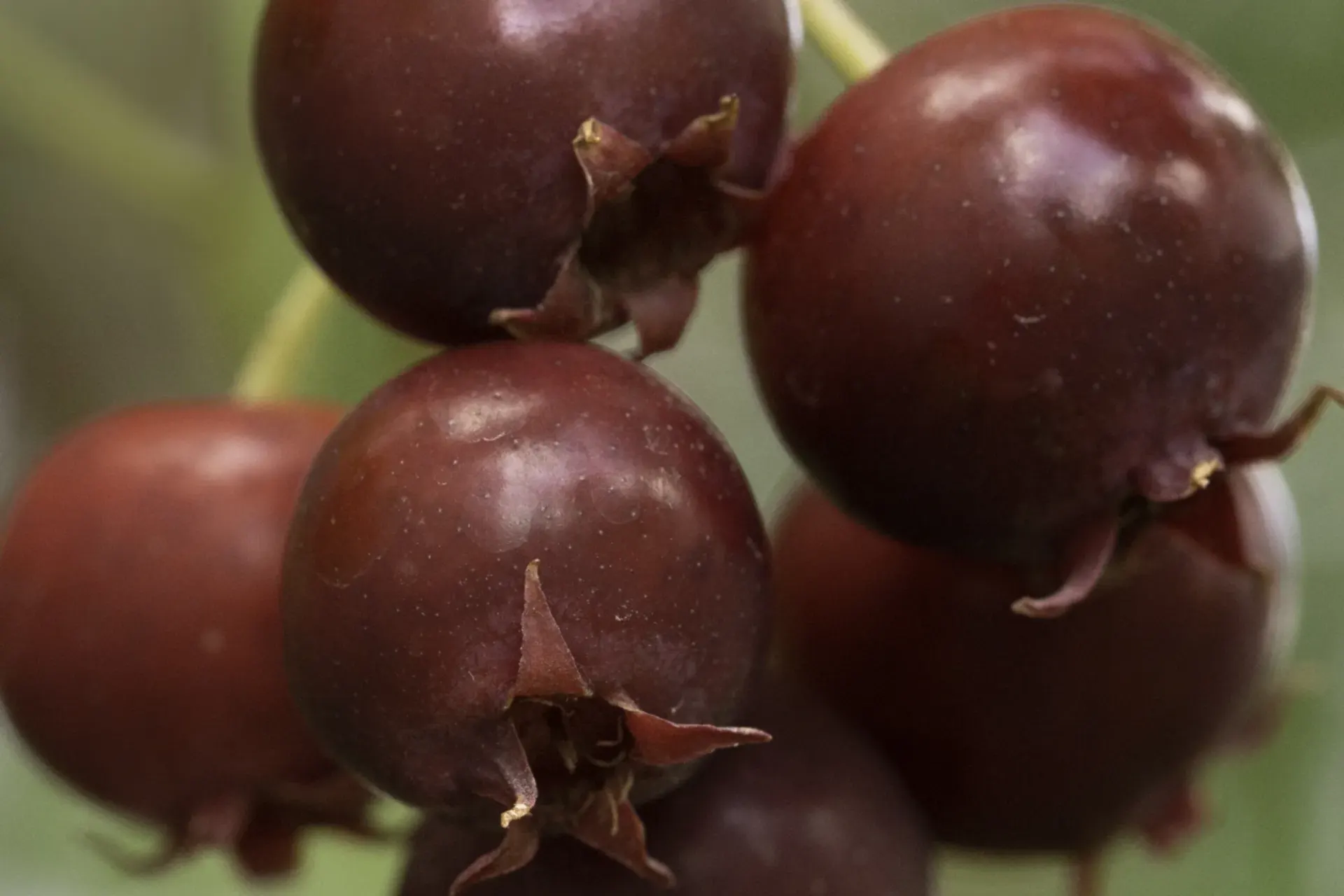
Saskatoon berry is the prairie's own fruit: a self-fertile, zone 2–7 native shrub that needs no pollination partner, asks for little once established, and rewards patience with deep-purple berries every late June and July.
Grow Saskatoon Berry with us — step by step
Everything for this plant is written step by step below — what to do, and exactly when. Read it through first if you like: you can grow it entirely on your own with that guide. Or start with us here — tell us your planting day and we lay out your personal schedule on this page, every next step on its own day, counted from your planting date. No guessing, no forgetting.
Step 1 — today: Start your Saskatoon Berry today — plant at the depth it grew in the pot, spaced 72–120 in apart — and water in well.
Saskatoon Berry at a glance
Spacing: 72–120 in (36–48 in in a hedge) · Planting depth: As in the pot
Sun: Full sun to part shade
Water: Regular while young; drought-tolerant once established
Harvest: Late June to July, from year 2–3
Timing counts from your average last spring frost — get your own dates in the Planting Calendar. Guidance follows standard extension-service practice for Canada and the US.
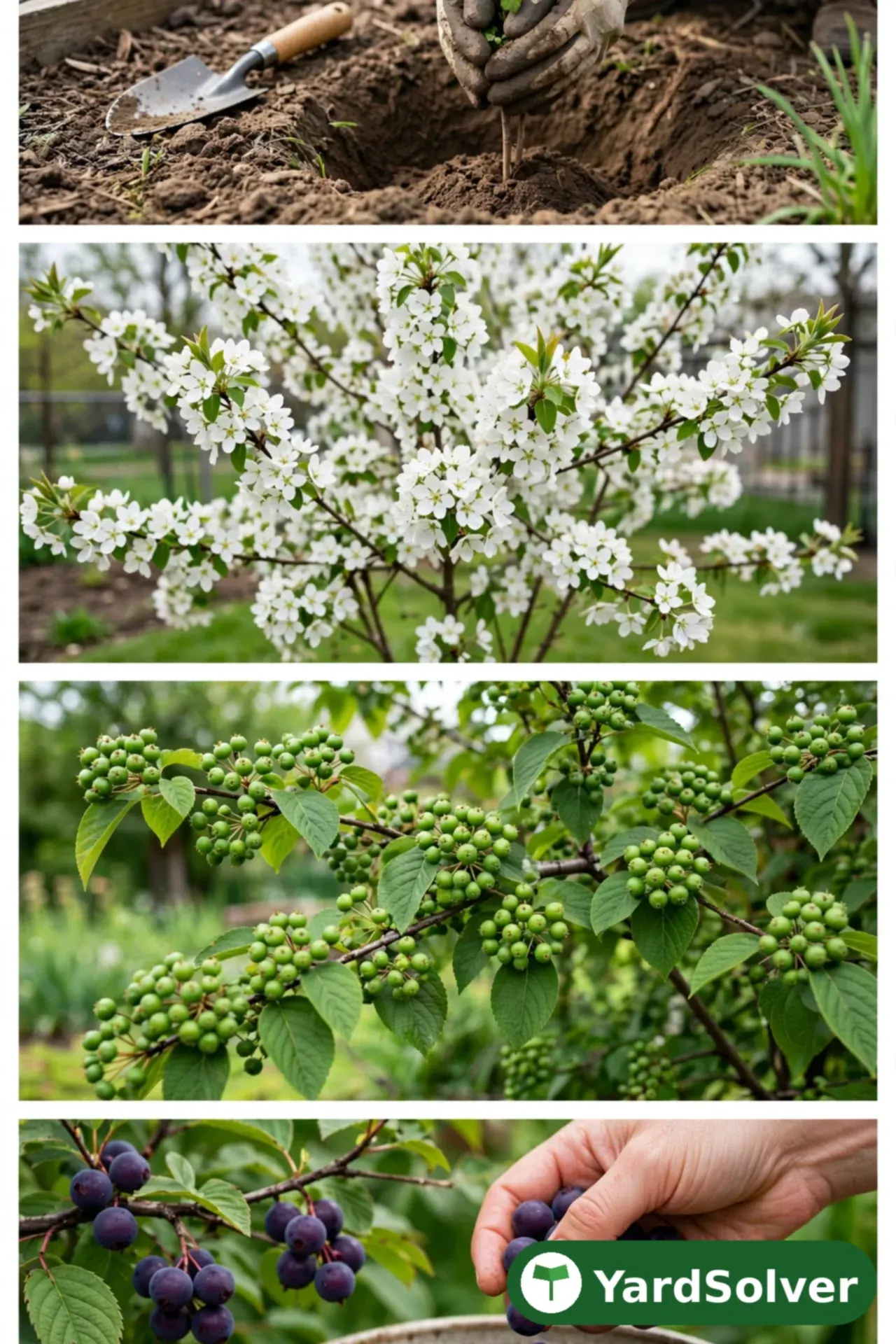
How to plant and grow saskatoon berry, step by step
Step 1 — Time it right
Plant saskatoon berry in spring or early fall. For spring planting, timing counts from your average last spring frost — the Planting Calendar turns that into real dates for your garden. There is no need to coddle the timing: saskatoon is hardy in zones 2–7, a prairie native that expects real winters and takes them in stride.
That toughness is the plant's whole character. Where tender fruit needs shelter, forecasts and worry, a saskatoon goes into winter fully equipped for it — it evolved on open northern prairies and in the parkland belt, in some of the coldest farmed country on the continent. If your winters are the reason other fruit has failed you, this is the native answer.
Step 2 — Prepare the spot
Sun: Full sun to part shade. Saskatoon is adaptable: most garden soils suit it as long as water does not sit around the roots, so pick a spot with drainage and give it full sun for the best crops — it tolerates part shade, with somewhat lighter harvests. Dig the hole wide rather than deep, loosen the sides, and work compost into the backfill.
There is no special soil recipe to get right here, and no acid requirement — one of the reliefs of growing a native. Work out how much compost and soil a new planting needs with the Garden Mix Calculator, and lay a row or hedge out with the Plant Spacing Calculator before you dig, because the spacing decision below is a long-term one.
Step 3 — Plant out
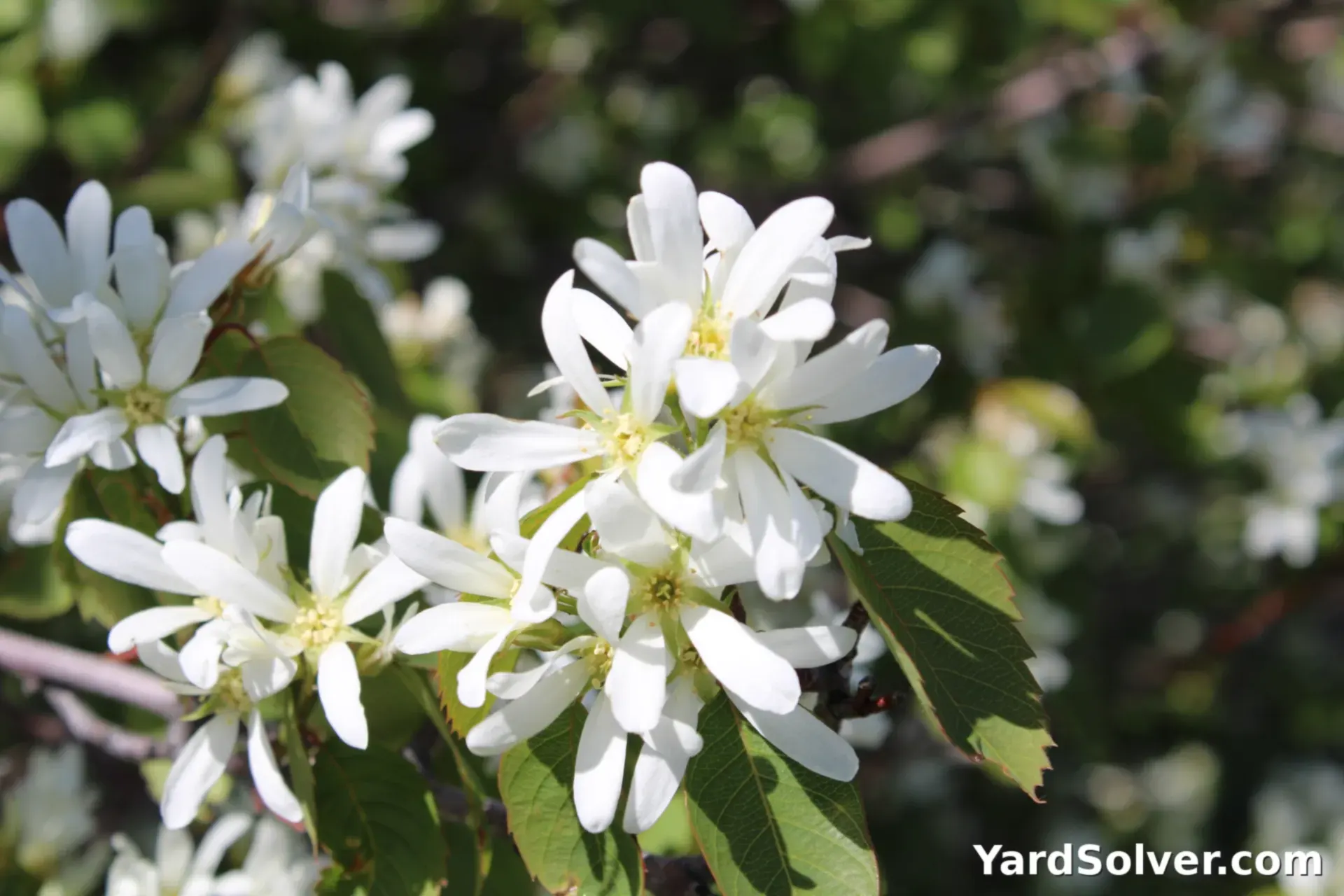
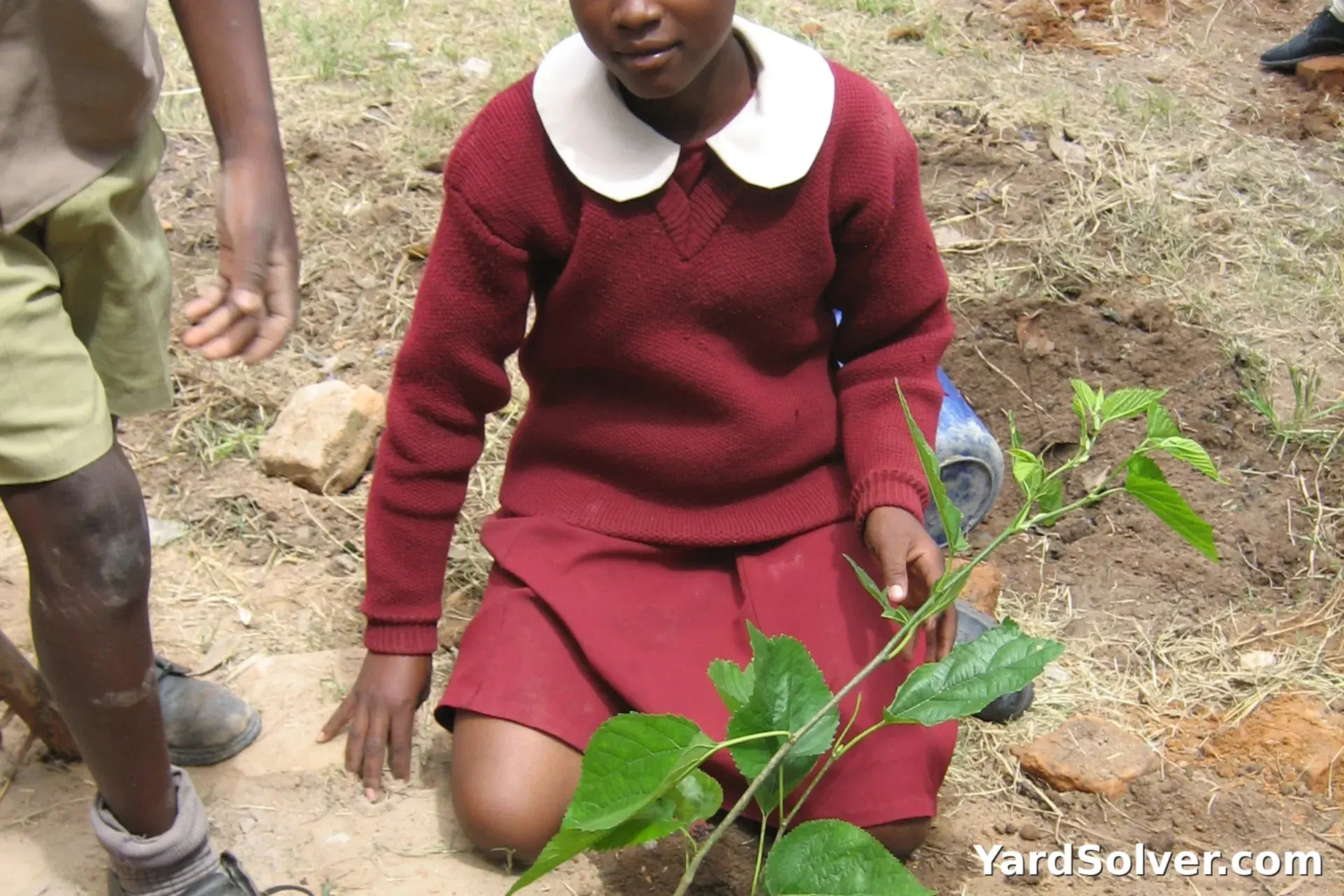
Set the bush at the depth it grew in the pot — no deeper — firm the soil around the root ball, and water in well. Then enjoy the difference from so much other fruit: saskatoon is self-fertile, so one bush fruits on its own. There is no pollination partner to match, no bloom-time puzzle — a single bush in a small yard still gives you berries, unlike haskap, which needs two varieties.
So the spacing — 72–120 in apart for bushes grown as specimens, or 36–48 in in a hedge — is about airflow and picking room, not pollination. A mature saskatoon is a large shrub, roughly 6–15 ft tall. Plant it where future you can walk around it with a bucket, in sun reaching most of the bush, and you will not have to move a plant that intends to live for decades.
Step 4 — Water and feed
Water: Regular while young; drought-tolerant once established. Keep a new bush watered steadily through its first seasons while its roots spread — mulch helps hold that moisture — and then ease off: an established saskatoon handles dry spells that would stress most garden fruit, another inheritance from the prairies.
Feed with restraint. The mistake with saskatoon is generosity, especially with nitrogen: push a bush hard and it answers with lush leaves and few berries. A modest spring feed, or just the compost mulch breaking down, is usually enough for a bush in decent soil. This is a plant built for lean ground; garden kindness should stop at steady water while it is young.
Step 5 — Care and the problems to watch for
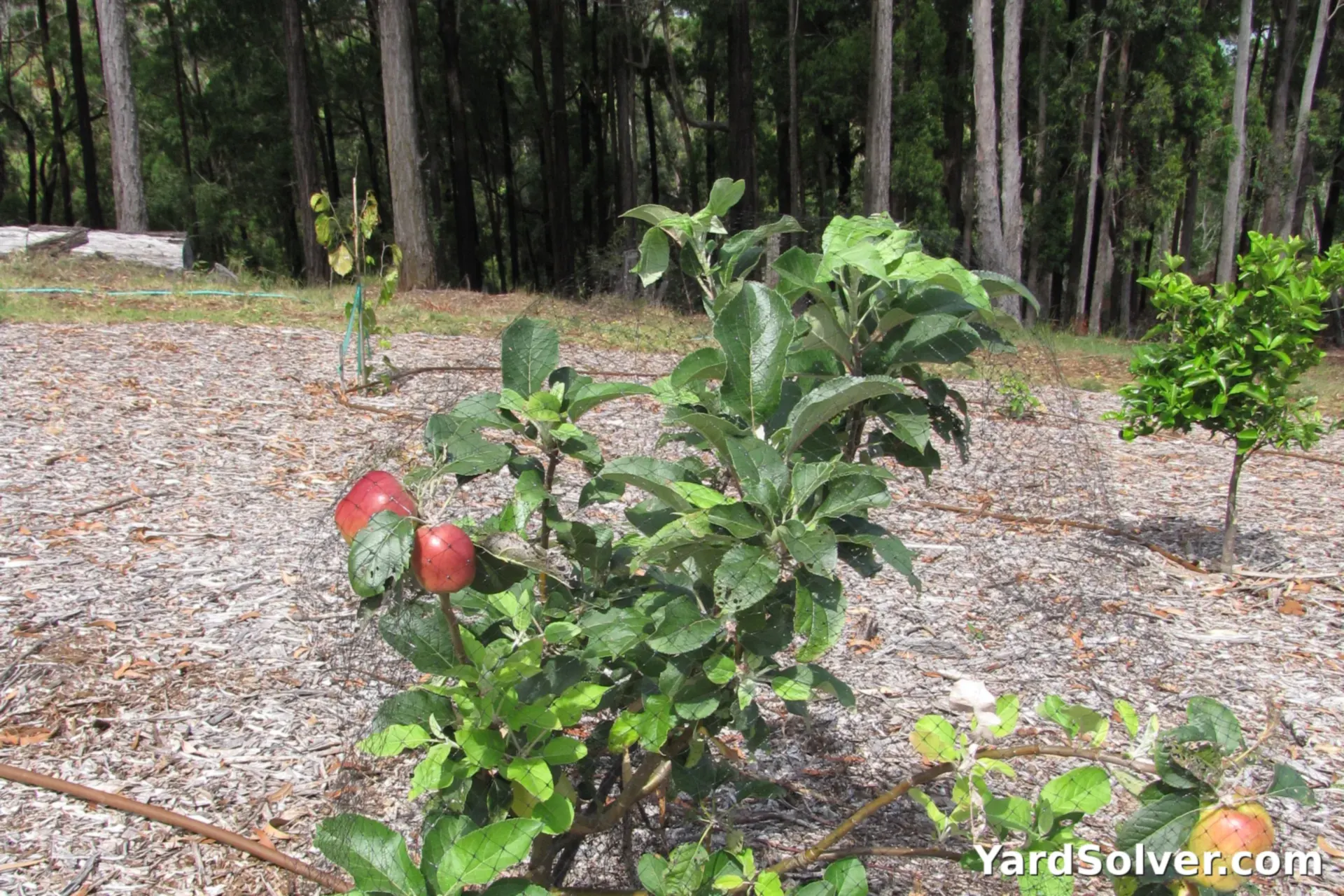
The certain problem, as with most berries, is birds: they will strip a ripe bush quickly, so net it as the berries colour if the harvest is meant for you. Saskatoons also sucker — new stems rise around the base. Decide early what you want: prune suckers out for a tidy specimen bush, or let it thicket into a hedge and wildlife planting, which it does happily.
From about year 5, keep the bush productive by cutting the oldest, thickest stems out at the base, a few each year, so younger wood takes over. In wet springs, watch for rust — orange spots on leaves — especially on bushes planted near junipers, which host part of the rust's life cycle; pick off badly affected leaves and improve airflow with that same thinning.
Step 6 — Harvest
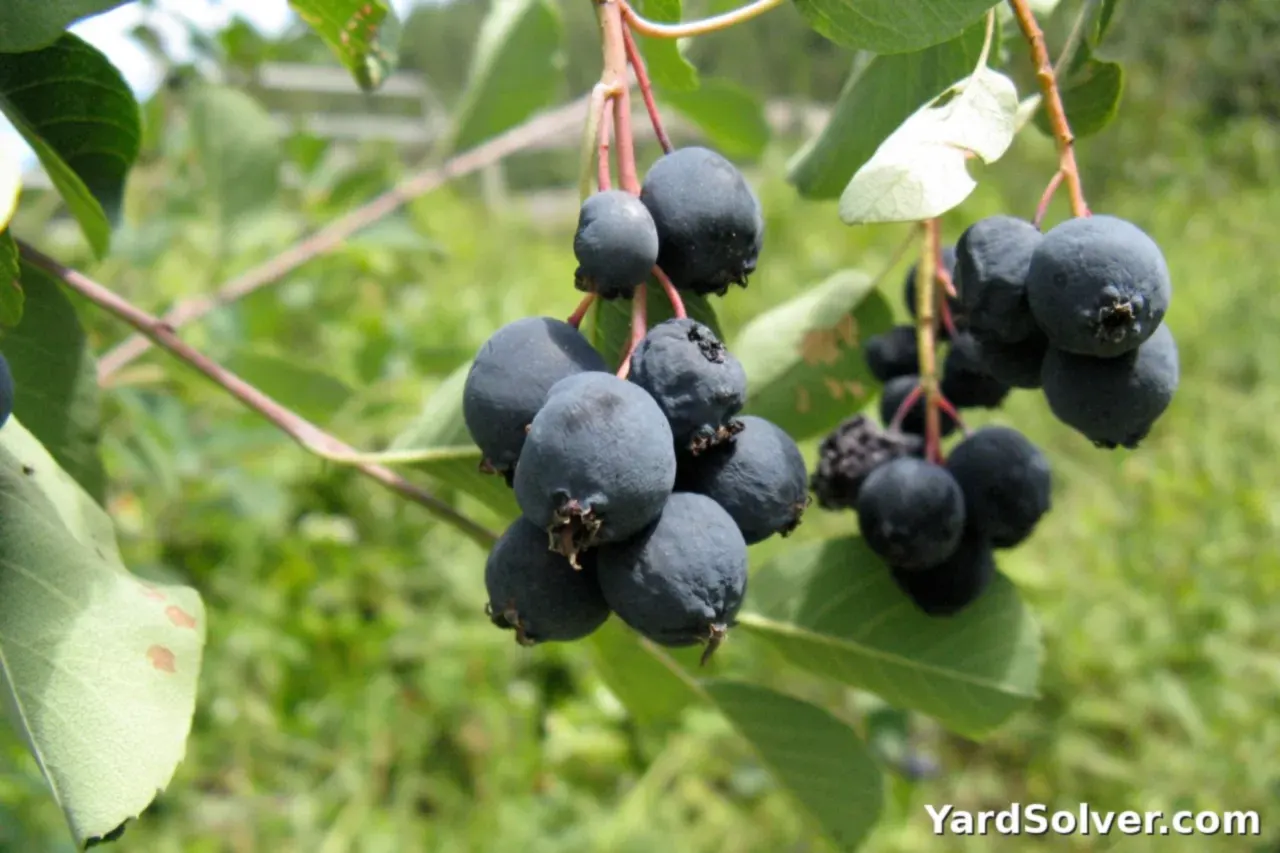
Ready in: Late June to July, from year 2–3. Saskatoons announce themselves early — the berries turn red, then purple, well before they are truly sweet. Picking on colour alone gives you an astringent mouthful and a wrong opinion of a very good berry.
Wait for deep purple, then wait a few days more, tasting as you go. Ripe berries are sweet and mild, with a flavour gardeners compare to blueberry with a hint of almond from the tiny seeds, which are eaten with the berry. Pick into shallow containers so the fruit at the bottom is not crushed, and use them as you would blueberries — fresh, frozen, or baked into pies and muffins, where they hold up beautifully.
📅 Your personal Saskatoon Berry schedule
Counted from your planting day — not a generic calendar. Day 0 is the day the seed went in the ground or the young plant went out.
Varieties worth growing
| Variety | Ripens | Why gardeners like it |
|---|---|---|
| Smoky | Mid | The classic: large, sweet, mild berries |
| Northline | Mid | Heavy crops; suckers freely for hedges |
| Martin | Mid | Very large berries on a vigorous bush |
| Thiessen | Mid | Large fruit, strong producer |
| Honeywood | Later | Blooms later, dodging late spring frosts |
Good for you — and take care
Benefits
- Fibre-rich fruit, with anthocyanins like blueberries
- A traditional prairie food, dried into pemmican for centuries
- Feeds birds and pollinators — spring blossom for bees, fruit for birds
Take care
- Pick fully ripe — underripe berries are astringent and can upset stomachs eaten in quantity
- The tiny seeds are eaten with the berry, as they always have been
- Birds get the crop if you don't net — cover the bush as berries colour
A little history — and one good fact
Saskatoon berry is Amelanchier alnifolia, native across western North America from the prairies to the Pacific. Its name comes from the Cree misâskwatômina — and the city of Saskatoon took its name from the berry, not the other way round. For Indigenous peoples of the plains it was a staple fruit, eaten fresh in season and dried for winter.
Fun fact: It was a core ingredient of pemmican, the original trail food — dried saskatoons pounded with dried meat and fat kept travellers fed for months.
Keep going
Guides: How to Protect Young Trees in Winter · How to Prune Fruit Trees in Winter
Calculators: Plant Spacing Calculator · Garden Mix Calculator
More fruit & melons: Haskap · Blueberry · Raspberry · Elderberry
← Back to the Plant Library · Get your personal planting dates
Questions people ask
Do I need two saskatoon bushes for fruit?
No. Saskatoon berry is self-fertile, so one bush fruits on its own — a real difference from haskap, which needs two different varieties. A second bush can still mean a bigger crop and a longer picking window, but it is a choice, not a requirement.
When are saskatoons ripe?
In late June to July. The berries colour purple before they are truly sweet, so wait for a deep purple and then give them a few days more. Taste as you go: a ripe saskatoon is sweet and mild, an almost-ripe one is still astringent.
How big does a saskatoon bush get?
Roughly 6–15 ft tall depending on the variety and on pruning — it is a large, long-lived shrub, not a small berry cane. Give it room: 72–120 in between bushes grown as specimens, or 36–48 in in a hedge.