
Guides · Small spaces · Published November 3, 2026 · Updated November 8, 2026
Balcony Garden Ideas: Small-Space Vegetables for Apartments
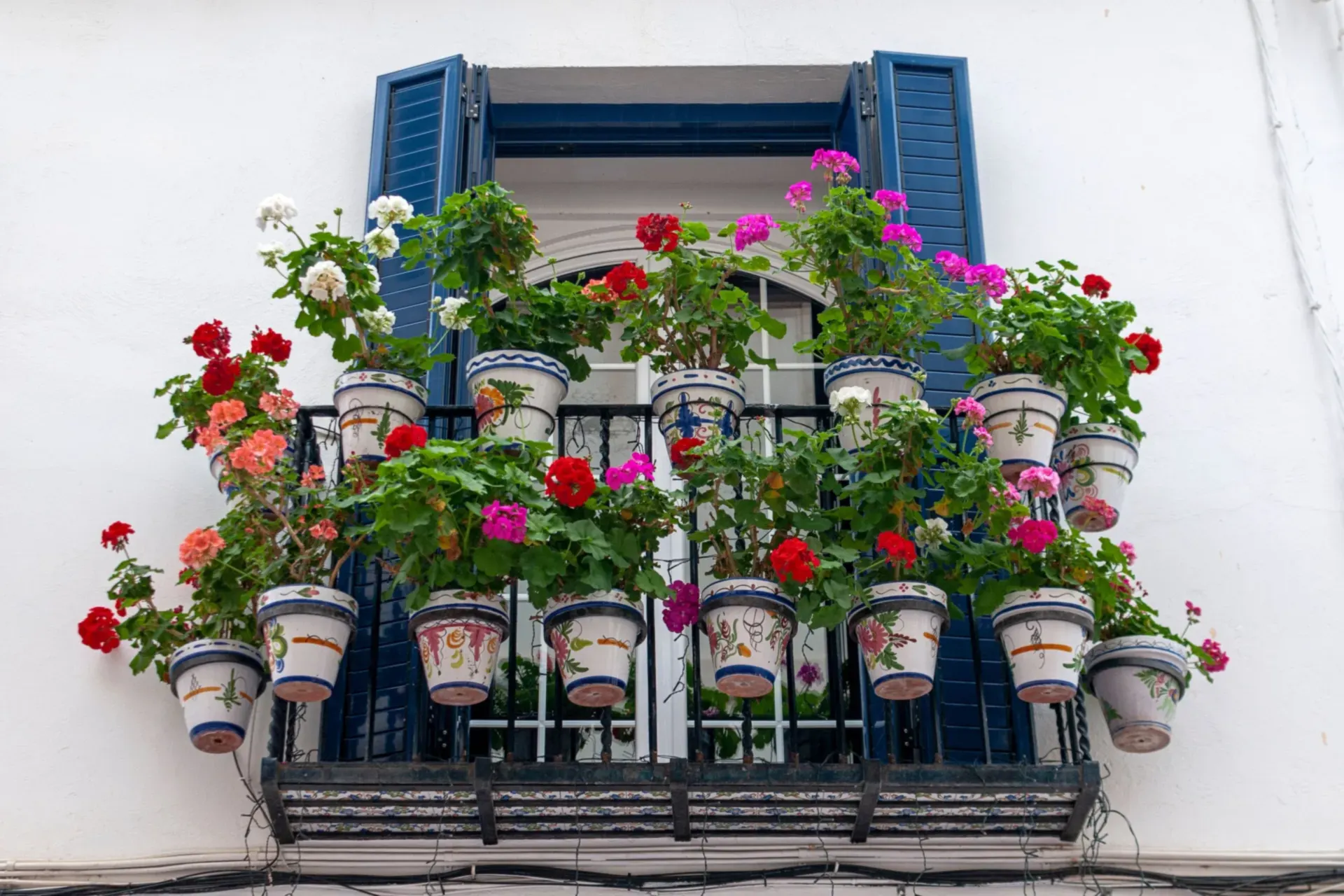
The best balcony garden ideas start with a truth most idea lists skip: a balcony is not a small garden, it is a different one. The soil is all in pots, the sun is rationed by the building's direction, the wind is stronger than at ground level, and everything you spill lands on a neighbour. Gardeners who accept those four facts grow impressive amounts of food in a few square feet — a tomato in the sunny corner, beans on the railing, salad at arm's reach from the kitchen door. This guide gives real layouts for real balcony sizes and directions, with the weight and rules honesty that decides whether any of it is allowed up there at all.
The balcony grower's four facts
- Light is a budget, not a vibe: count your real sun hours before choosing a single crop — direction decides the menu
- Wet soil is heavy: a large pot of wet mix can weigh more than you can comfortably carry — and the balcony holds all of them
- Rules exist: leases and building rules often cover railing planters, weight and drilling — read yours before you build
- Layouts by real balconies: a narrow rail-only balcony, a standard 4 × 8 ft (1.2 × 2.4 m), and a deep corner balcony — each planted by its sun
Step 1 — Read your light honestly
Stand on your balcony at breakfast, lunch and late afternoon and note where the sun actually lands. In the northern hemisphere a south-facing balcony is the prize; east gets gentle morning sun; west gets the hot afternoon; north is a greens-and-herbs balcony, and that is fine. The roof overhang above you and the building opposite can quietly cut a "sunny" balcony to four hours. Our Sun & Shadow Calculator models exactly this — height, distance and direction of whatever shades you — and turns it into honest sun hours for your railing line. Do this step before buying anything: the sun count chooses the crops, not the seed catalogue. A north balcony gardener who plants lettuce, spinach and herbs out-harvests a south balcony gardener who sulks about tomatoes — match the garden to the light you actually have.
Step 2 — Respect weight, water and the rules
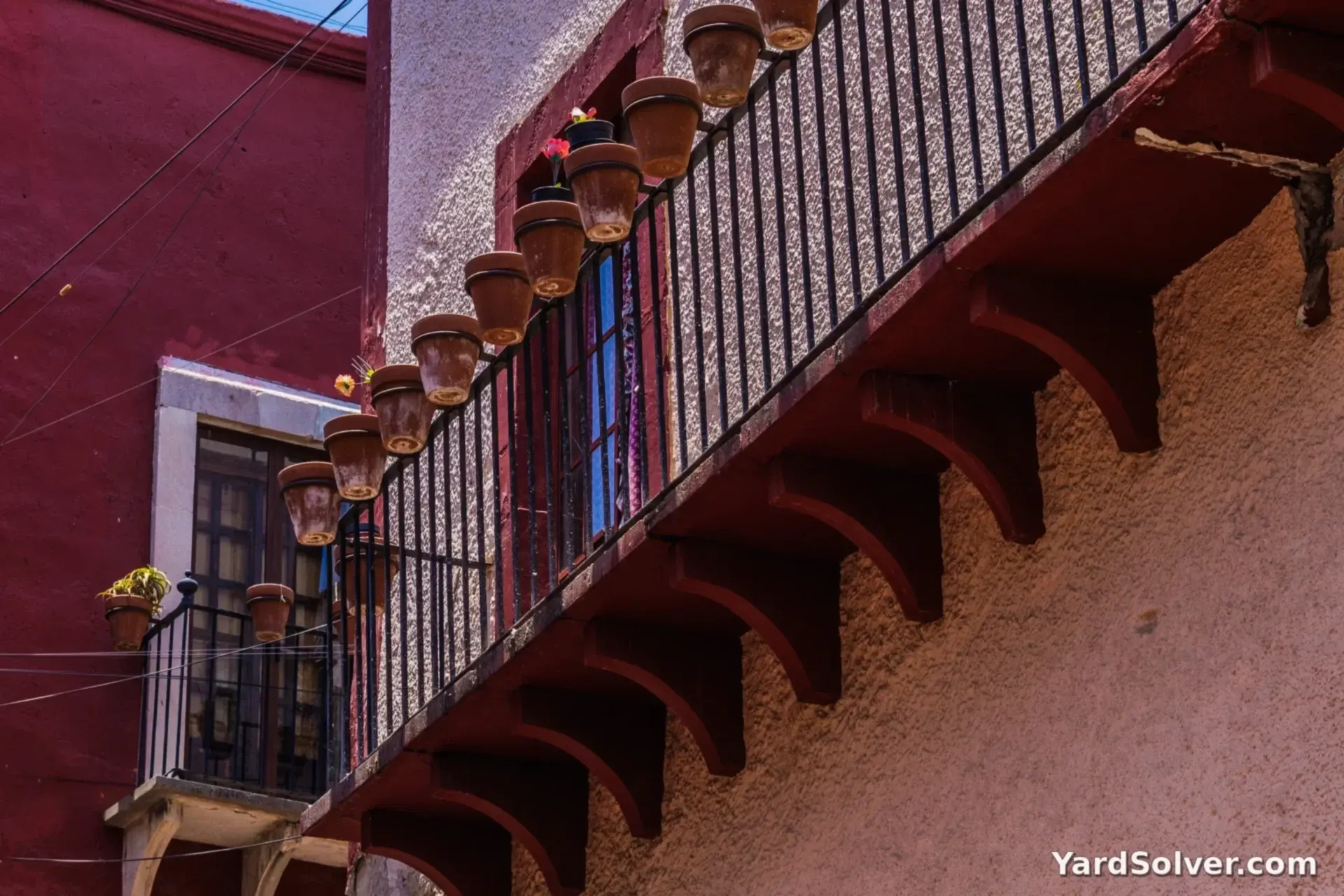
Potting mix holds water, and water is heavy: a big pot freshly watered can weigh as much as a full suitcase, and a row of them is a real load. Spread pots along the edges near supporting walls rather than clustered mid-span, keep the largest pots low, use the lightest containers the method allows (fabric grow bags weigh almost nothing — the rooftop gardeners in Rooftop Vegetable Gardening swear by them), and when in doubt ask your building — older balconies were not all built for garden loads. Then the paper rules: many leases and strata or HOA rules restrict railing attachments, hanging planters on the outside face, and drilling into walls or rails. Read them first; freestanding shelving and inward-facing railing planters satisfy almost every rulebook. Finally, be a good neighbour: every pot sits in a saucer or tray, so your watering never rains through the floor onto the balcony below.
Step 3 — Choose crops by your sun hours
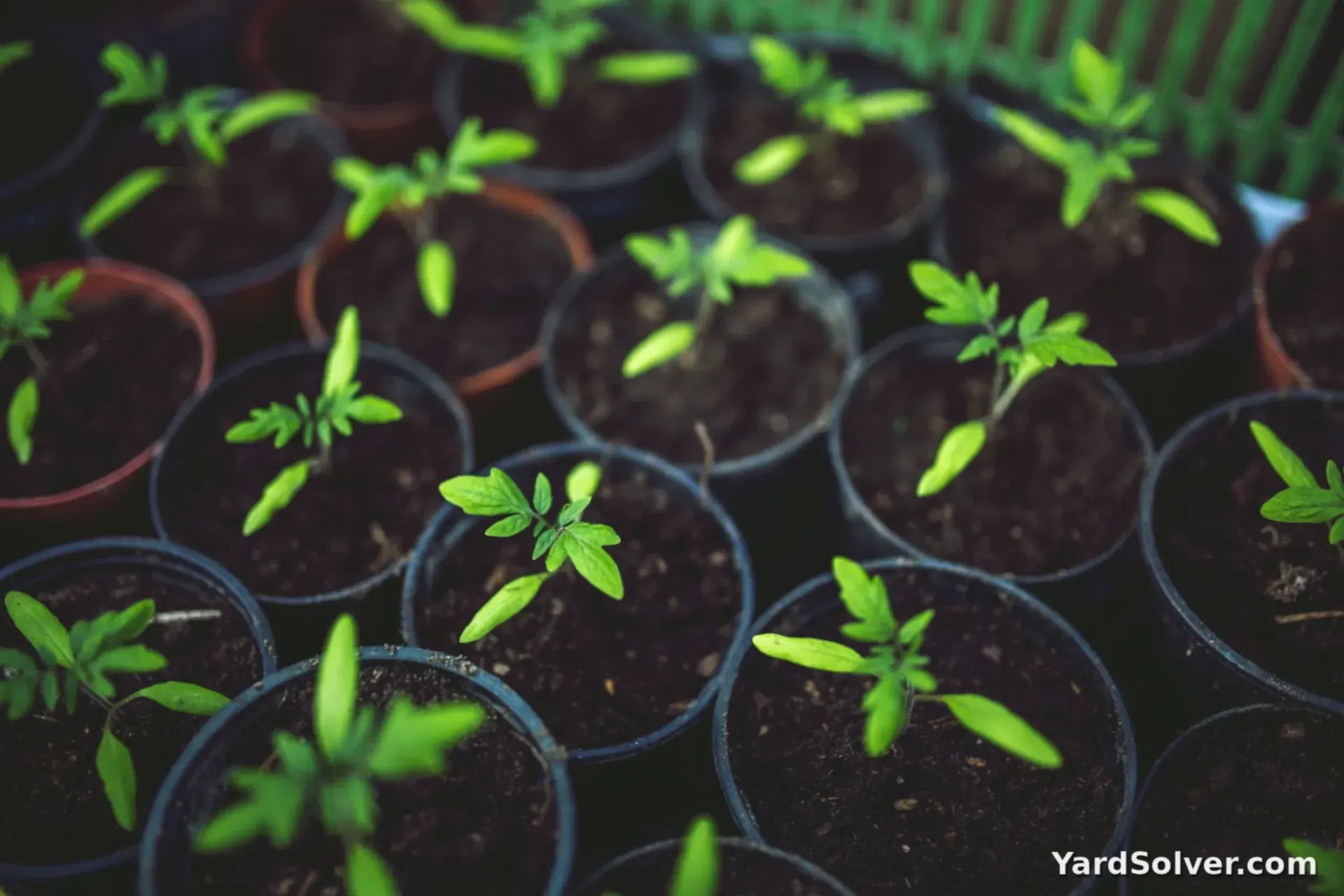
Match the planting list to the number from Step 1. Six hours or more: a tomato in your biggest pot, peppers, a cucumber climbing the railing. Four to six hours: bush beans, kale, Swiss chard, and most herbs. Under four hours: lettuce and salad leaves, spinach, and herbs — mint always in a pot of its own, because it colonises any shared container. Strawberries are the balcony fruit: small pots, railing planters, and a harvest at arm's reach. The broader shortlist lives in Vegetables to Grow in Small Spaces — nearly all of it transfers to pots unchanged.
Step 4 — Three layouts that fit real balconies
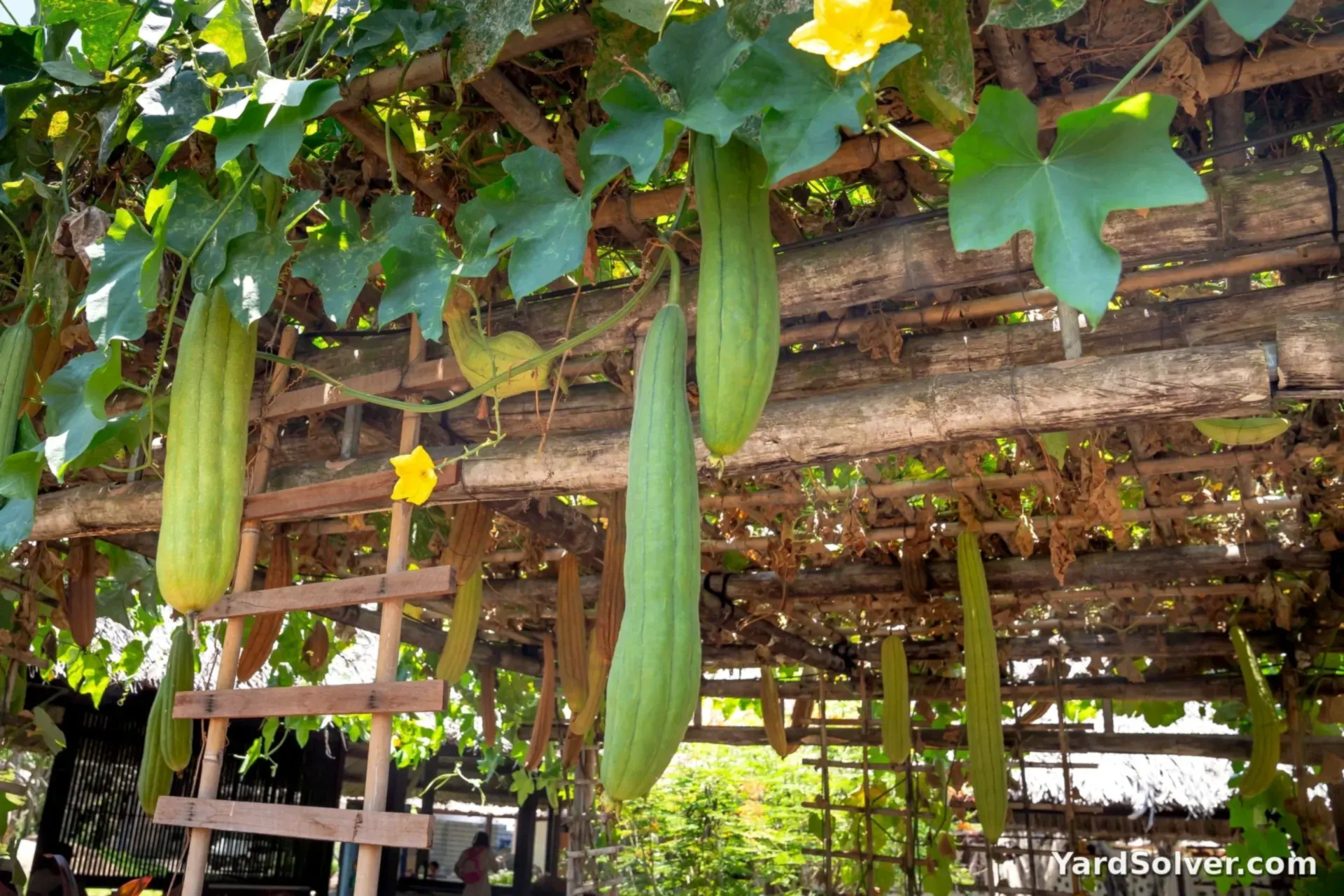
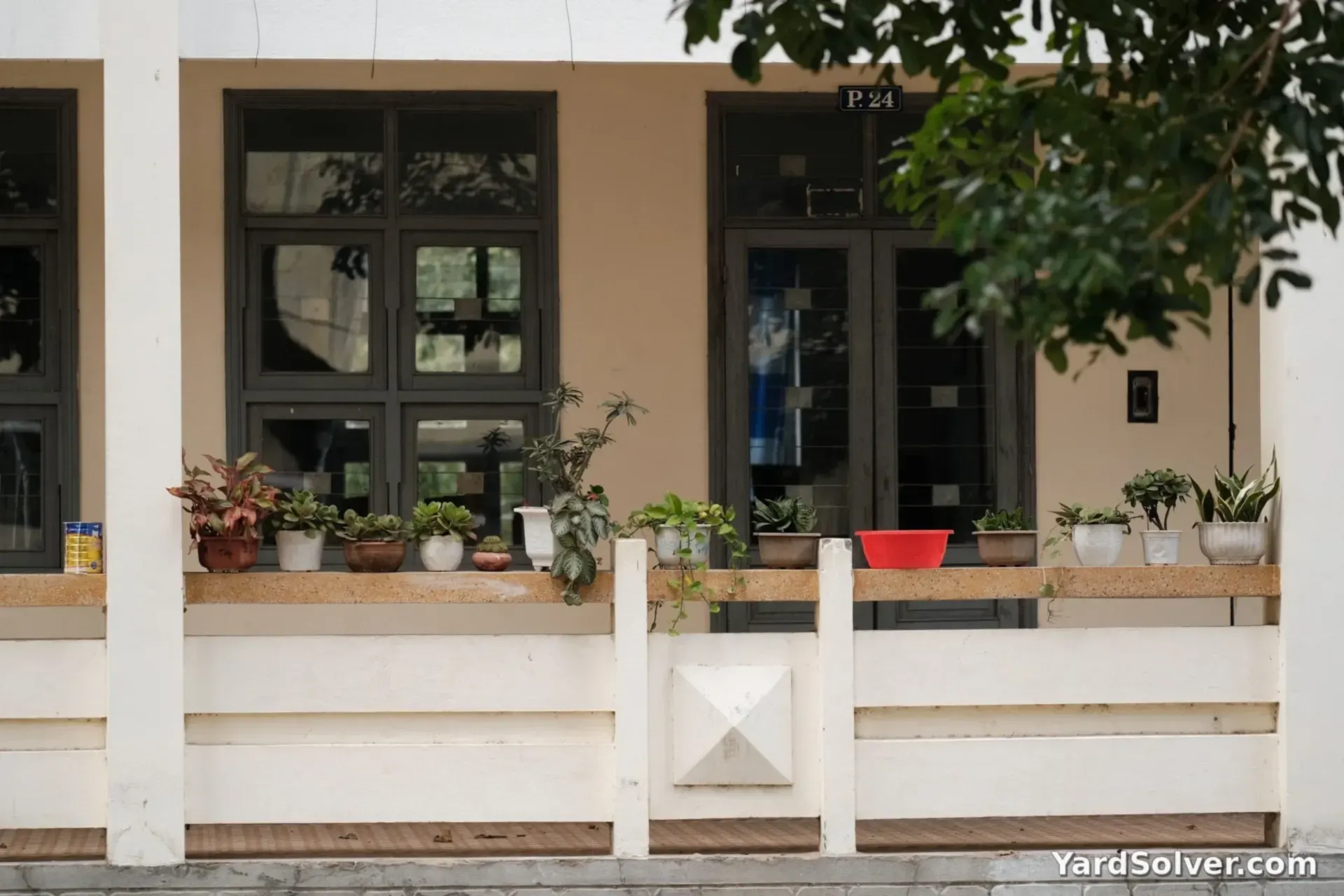
The narrow rail-only balcony (a Juliet or a strip too narrow for floor pots): everything hangs or stands on the rail line. Two inward-facing railing planters of salad leaves and herbs, one stepped shelf in the sunniest metre, and a single cucumber or pole bean trained up the railing itself. Total footprint: zero floor space. The standard 4 × 8 ft balcony (1.2 × 2.4 m): the tomato takes the sunniest corner in a 7-gallon pot, peppers line the rail in 3–5 gallon pots, a shelf of herbs stands against the wall, and the shadier end carries the salad bowl and spinach. The deep corner balcony: add a small raised planter or a row of grow bags along the wall for bush beans and kale, strawberries in a hanging basket, and the cucumber on a real trellis — this layout feeds a household's summer salads outright.
Every one of these is a container first, so pot sizes, mix and feeding follow Best Vegetables to Grow in Containers — that guide is the method; this one is the location. Floor space runs out first on any balcony; the air above it is free, and vertical growers should also see Vertical Gardening Ideas.
Step 5 — Water and wind, the daily two
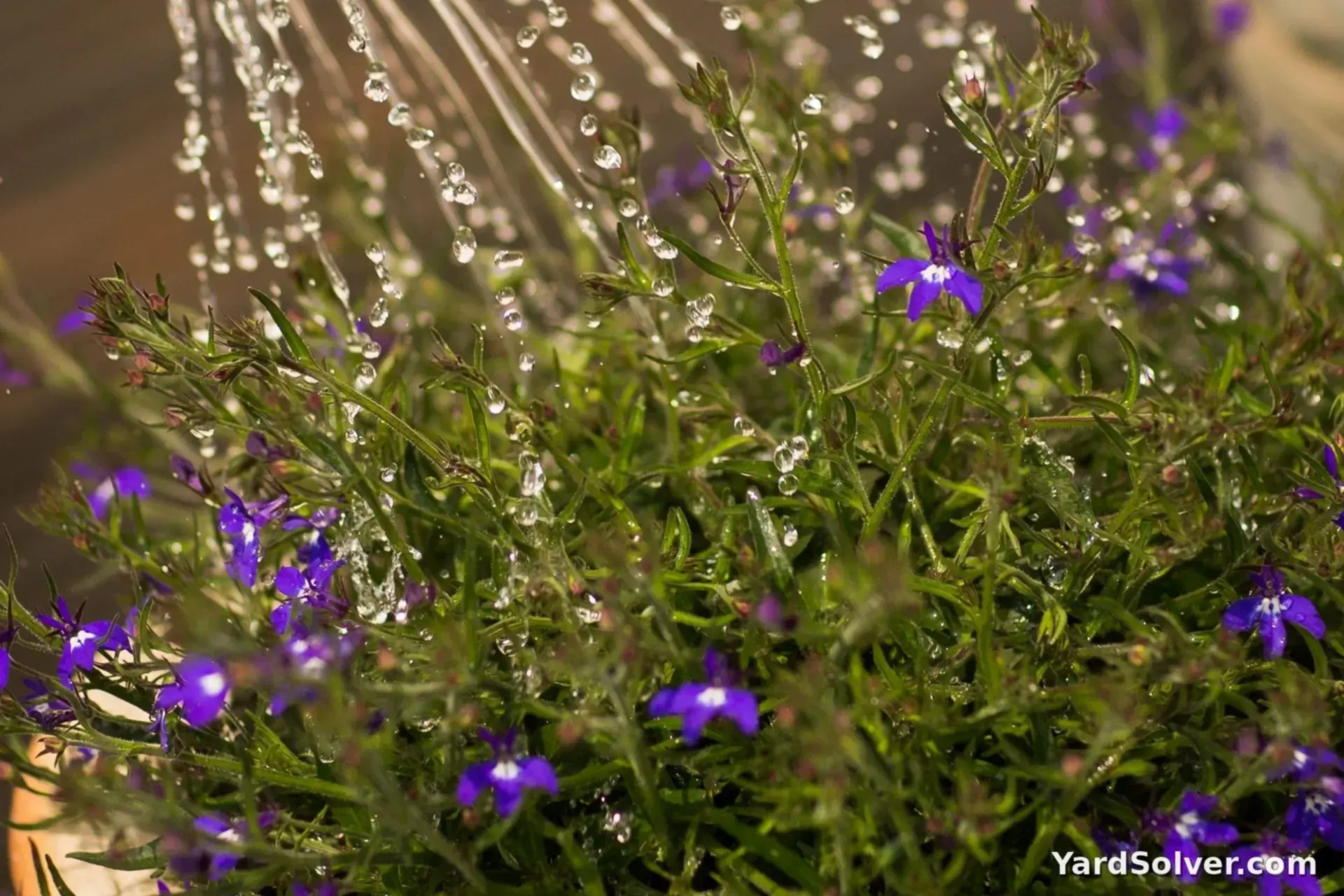
Balconies are windy, and wind strips moisture from leaves and pots alike: in summer, expect to water daily, in the morning, and check again on hot evenings. Self-watering pots earn their price up here. Cluster pots together — they shelter each other and the group dries slower than loners. For wind itself: heavy, low pots for tall plants; ties between plant supports and the railing, not just the pot; and nothing tall and top-heavy standing alone at the exposed corner. A storm that a garden shrugs off can redecorate a balcony, so before a forecast gale, move what you can against the wall and lay the tallest pots down. Five minutes of prevention, or a season swept off the rail — balconies make the choice for you if you do not. Going away mid-season? How to Water Plants While on Vacation scales down to pots.
Keep going
The method behind every pot on the balcony: Best Vegetables to Grow in Containers — pot sizes per crop, mix, feeding and mistakes.
More small-space picks: Vegetables to Grow in Small Spaces · How to Grow Strawberries in Pots. Model your shade before you plant: the Sun & Shadow Calculator.
No garden bed at all? A worm bin composts happily in a closet: Indoor Worm Bin — red wigglers turning kitchen scraps into castings all winter.
Questions people ask
How much sun do balcony vegetables need?
Fruiting vegetables — tomatoes, peppers, cucumbers — want 6 or more hours of direct sun. Leafy crops and herbs manage well on 3 to 5 hours. Measure your own balcony before choosing crops: the building across the street and your own roof overhang can cut the hours sharply, and an estimate made on a bright Saturday morning lies in your favour.
What are the best vegetables for a shady balcony?
Lettuce and other salad leaves, spinach, kale, Swiss chard and most herbs are the honest shade list — they grow in 3 to 4 hours of sun and actually prefer some shade in summer heat. Mint is the one herb to always keep in its own pot: it spreads aggressively and will take over any shared container.
Can I really grow tomatoes on a balcony?
Yes — balconies are often better for tomatoes than gardens, because you control the watering. Give one plant your sunniest corner, the biggest pot you can manage (5 gallons minimum), and a stake or cage from the day it goes in. Choose a compact or determinate variety if the space or the wind is tight.
How much weight can my balcony hold for pots?
There is no universal safe number — it depends on the building's age and design, and your lease may set its own limit. Practical safety: use the largest pots sparingly, keep them low and along the wall edge over supports, spread the load instead of clustering it, and prefer lightweight pots and mix. When in doubt, ask the building before you plant.
Comments & ratings
No comments yet.
Be the first to share your experience.