
Guides · Containers · Published November 3, 2026 · Updated November 8, 2026
Best Vegetables to Grow in Containers: The Beginner's Sizing Guide
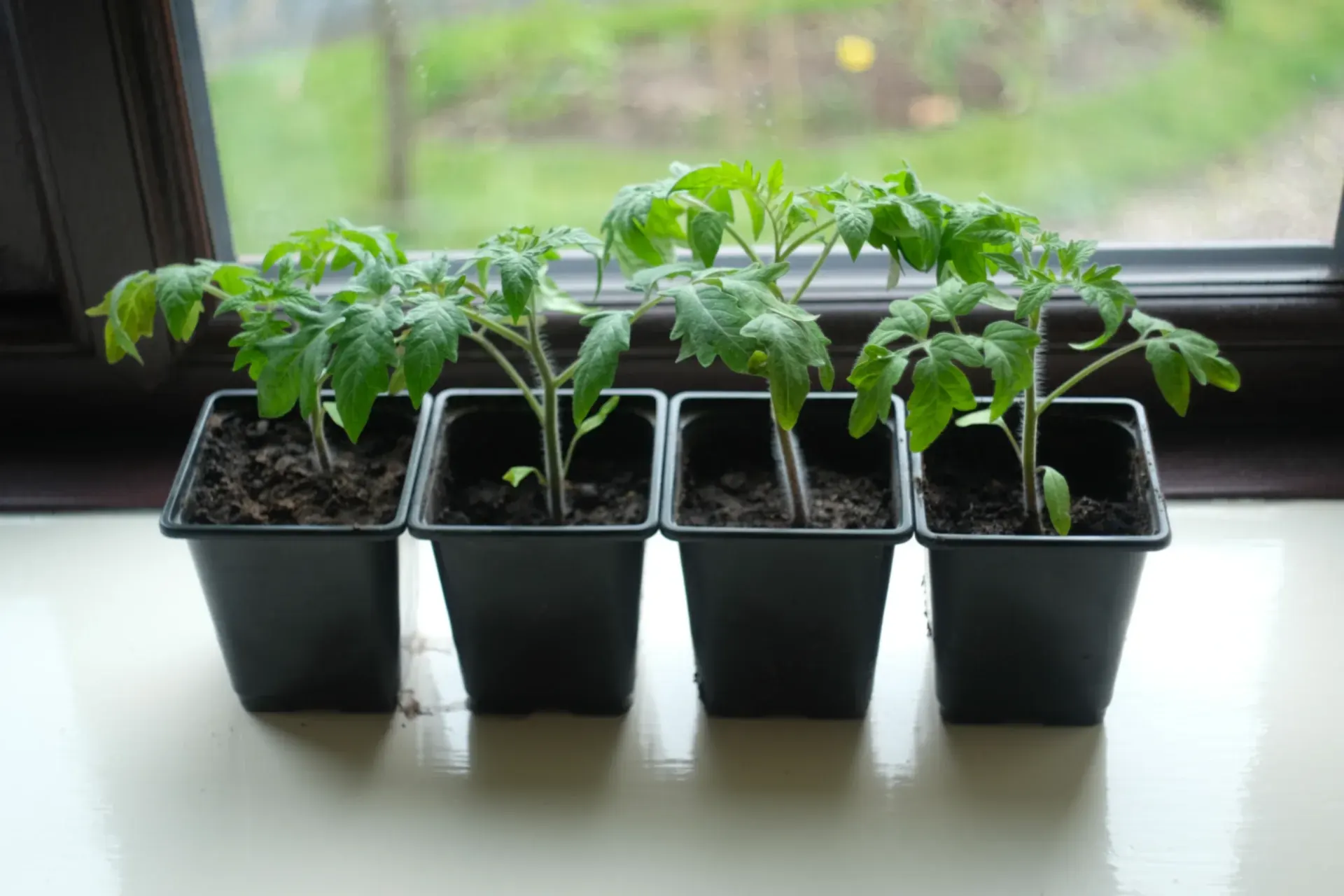
The best vegetables to grow in containers are not a mystery — they are the crops whose roots accept a pot as a fair trade, grown in a container honestly sized for them. A container garden removes the soil problem entirely: no digging, no clay, no weeds — and it fits on a patio, a doorstep, a balcony or a roof. What pots take away is forgiveness: a bed holds moisture for days, a pot can go from damp to drought in one hot afternoon. This guide is the complete method: a sizing chart for 12 vegetables in gallons, the mix that works, and the watering and feeding rhythm that keeps pot-grown vegetables thriving.
The container rules that matter
- Drainage holes are non-negotiable: a pot without holes is a bucket, and roots rot in buckets
- Soil volume is a water tank: the bigger the pot, the longer between waterings — size is forgiveness
- Pot size follows the plant: the chart below sizes 12 vegetables in gallons — match the pot to the room the crop gets in the ground
- Pots eat and drink more than beds: watering washes food out, so feeding little and often is part of the deal
- Potting mix, not garden soil: containers need a mix that stays loose and drains freely
Step 1 — Match the pot to the plant — the 12-crop chart
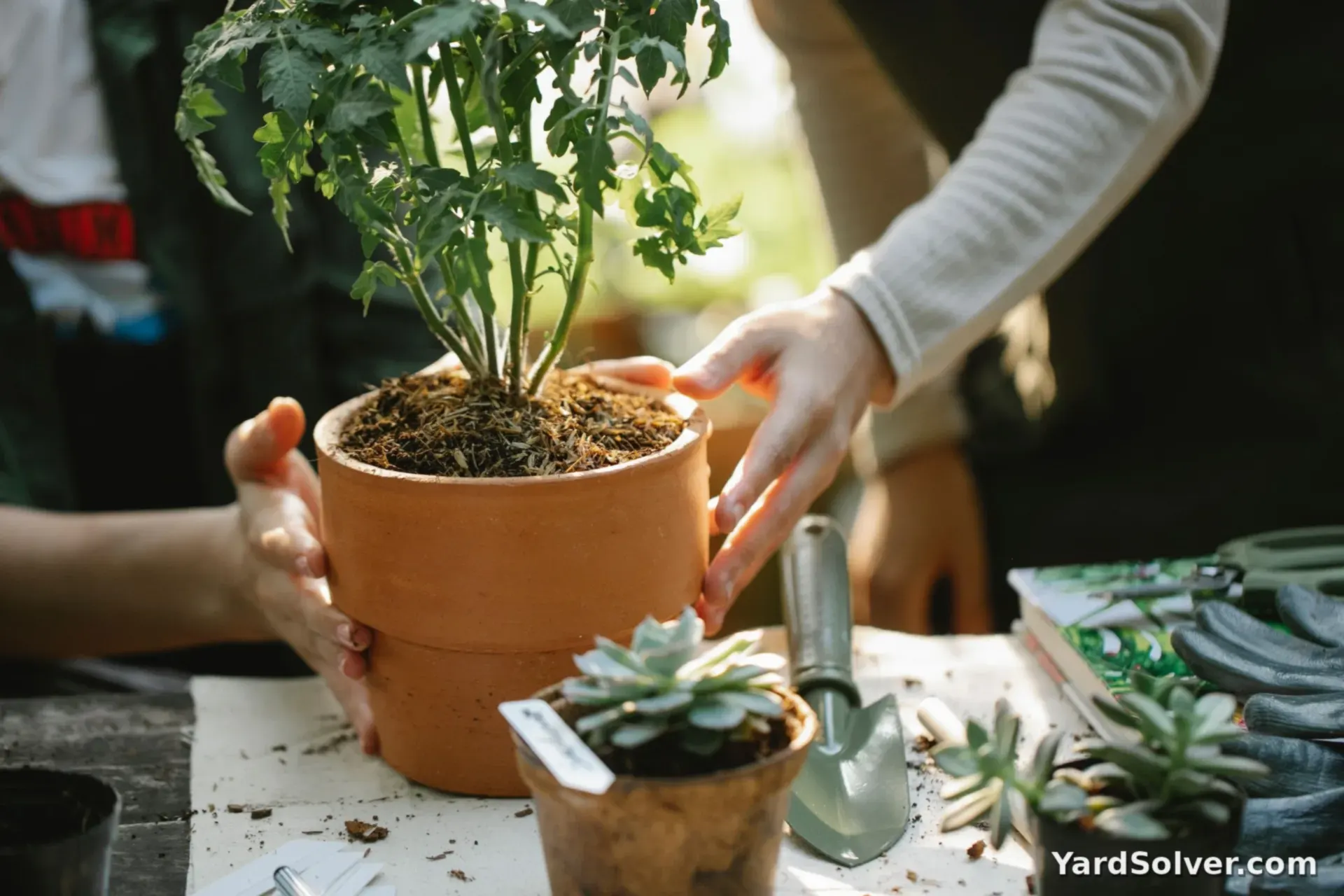
The honest way to size a pot is to start from the room the plant gets in open ground — our Plant Library lists that spacing for every crop — and give the roots a fair share of it as soil volume. The chart below is the working answer for the 12 most-grown container vegetables: minimum pot, the kinder size, and the sun each needs. The Plant Spacing Calculator shows the ground spacing the pot sizes are derived from, and the detailed soil amounts for filling a whole bed or patio run through the Raised Bed Soil Calculator and our guide How Much Soil for a Raised Bed.
| Vegetable | Minimum pot | Kinder size | Sun |
|---|---|---|---|
| Tomatoes (compact/cherry first) | 5 gal | 7–10 gal | 6–8+ hrs |
| Peppers | 3 gal | 5 gal | 6–8+ hrs |
| Cucumbers (with support) | 5 gal | 7 gal | 6–8 hrs |
| Bush beans | 3 gal | 5 gal | 6+ hrs |
| Lettuce & salad leaves | 1 gal, wide & shallow | 2 gal window box | 3–6 hrs |
| Kale | 3 gal | 5 gal | 4–6+ hrs |
| Carrots | 3 gal, 12 in (30 cm) deep | 5 gal deep | 6+ hrs |
| Radishes | 1 gal, wide | 2 gal | 4–6 hrs |
| Zucchini | 7 gal | 10 gal | 6–8+ hrs |
| Potatoes (grow bag) | 7 gal bag | 10 gal bag | 6+ hrs |
| Strawberries | 1 gal per plant | Hanging basket, several | 6+ hrs |
| Herbs (basil, parsley, cilantro) | 1 gal | 2 gal | 4–6+ hrs |
Gallons are US gallons; 5 gal ≈ 19 L, 10 gal ≈ 38 L. One plant per pot unless the crop is a shallow-rooted leaf or root grown in a shared wide container.
Step 2 — Fill with potting mix, not garden soil
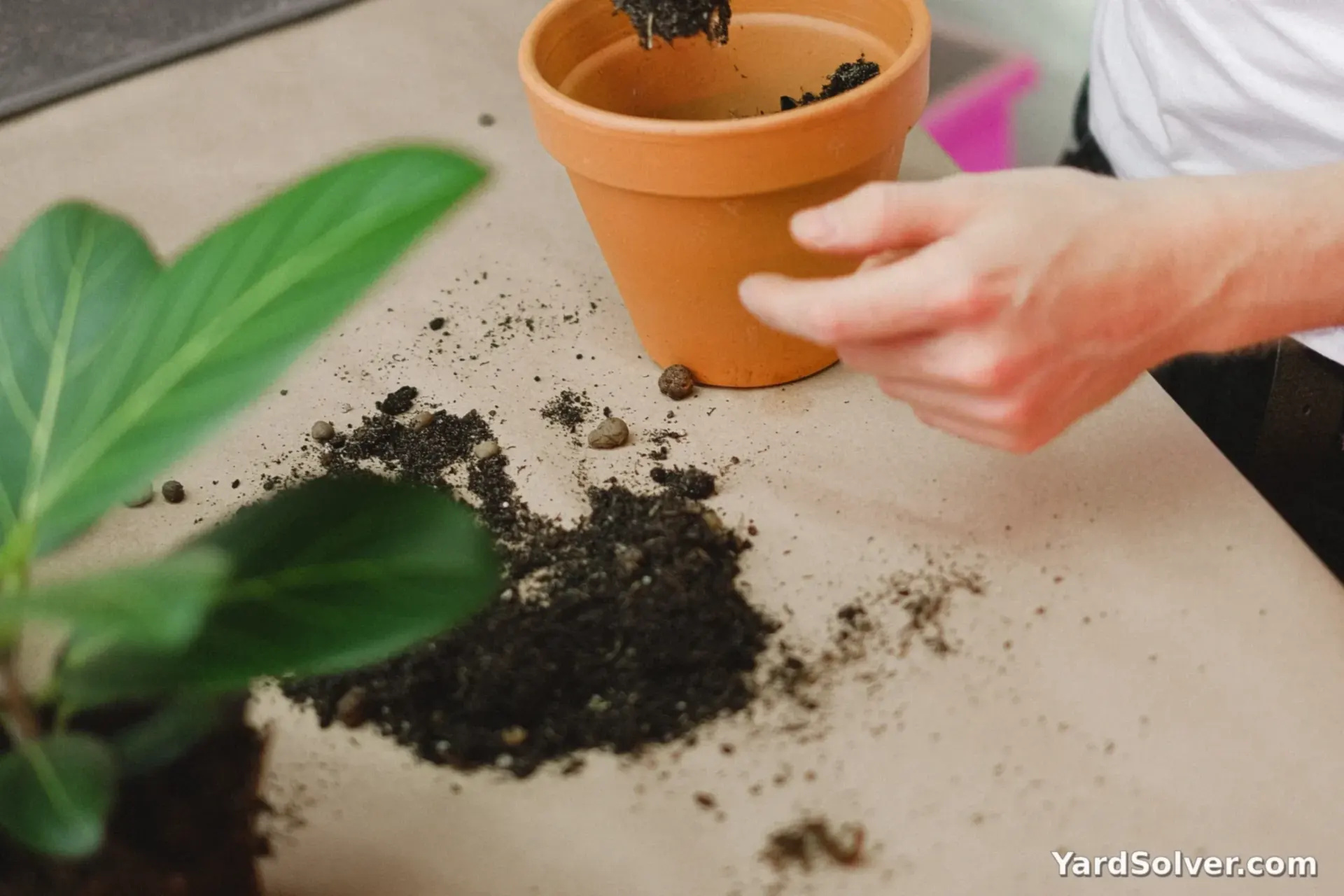
Garden soil in a pot compacts into a brick: water runs down the sides, the middle stays dry or drowns, and roots run out of air. Bagged potting mix is blended to stay open and drain — buy it, or blend your own from compost, topsoil and an aeration material and work out quantities with the Garden Mix Calculator before you shop. Fill pots to an inch below the rim (that lip is your watering well), firm gently, and water once before planting to settle the mix. A row of big pots adds up faster than beginners expect — calculate the whole patio, not one pot. The same arithmetic sizes a raised bed's fill: How Much Soil for a Raised Bed works the examples.
Step 3 — Water honestly: pots dry out fast
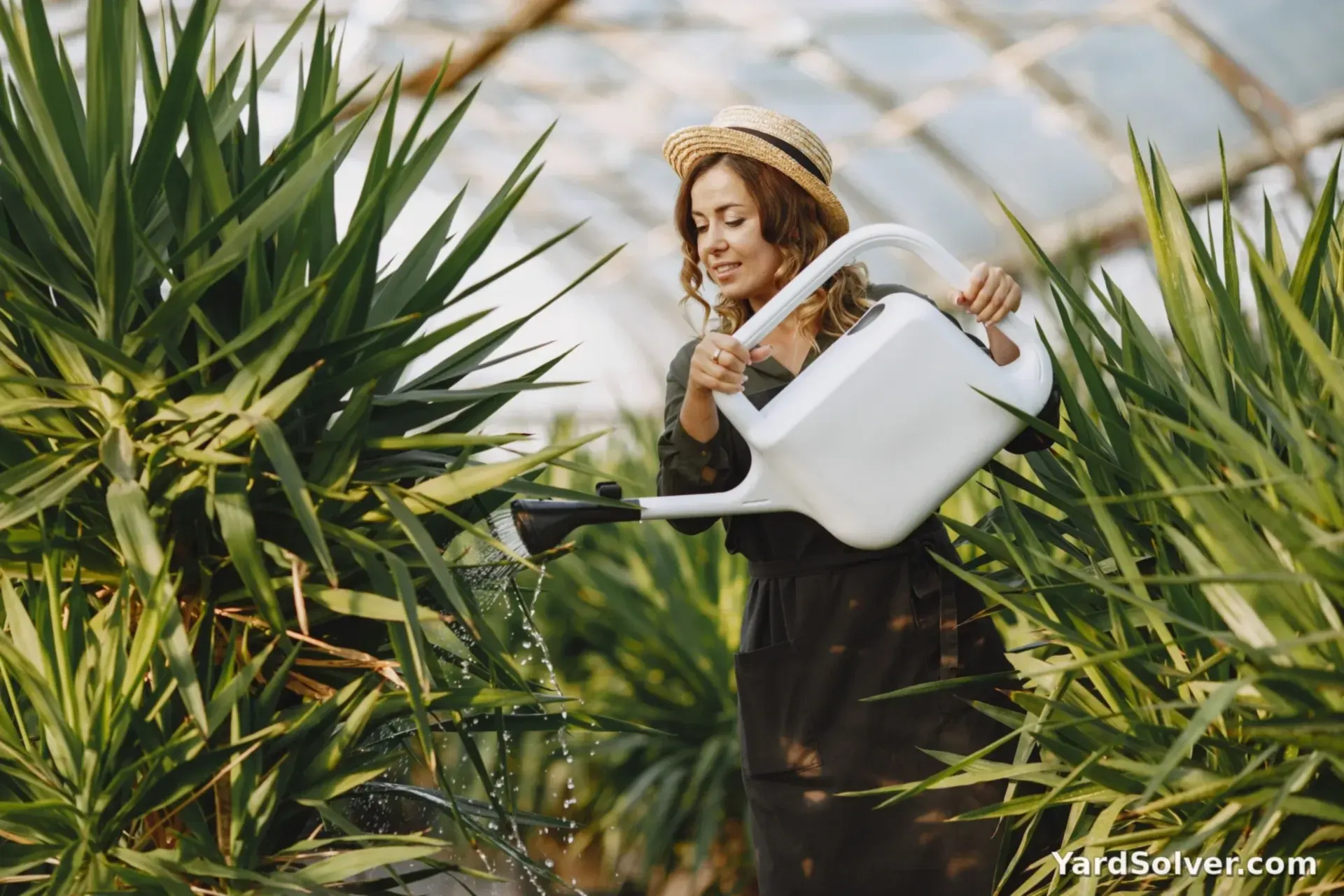
This is the step container gardening is honest about: in summer heat, most pots need water every day, and small pots in full sun may need it twice. Forget calendar schedules — check with a finger. If the top inch of mix is dry, water slowly until it runs from the drainage holes; a fast splash wets only the surface. Water in the morning, group pots together so they shade each other, and mulch big pots to slow evaporation. Saucers catch the overflow (empty them an hour later — roots standing in water rot). Self-watering pots are the one upgrade that genuinely buys you days. Roofs dry even faster than patios — see Rooftop Vegetable Gardening if your pots live up high.
Step 4 — Feed little and often
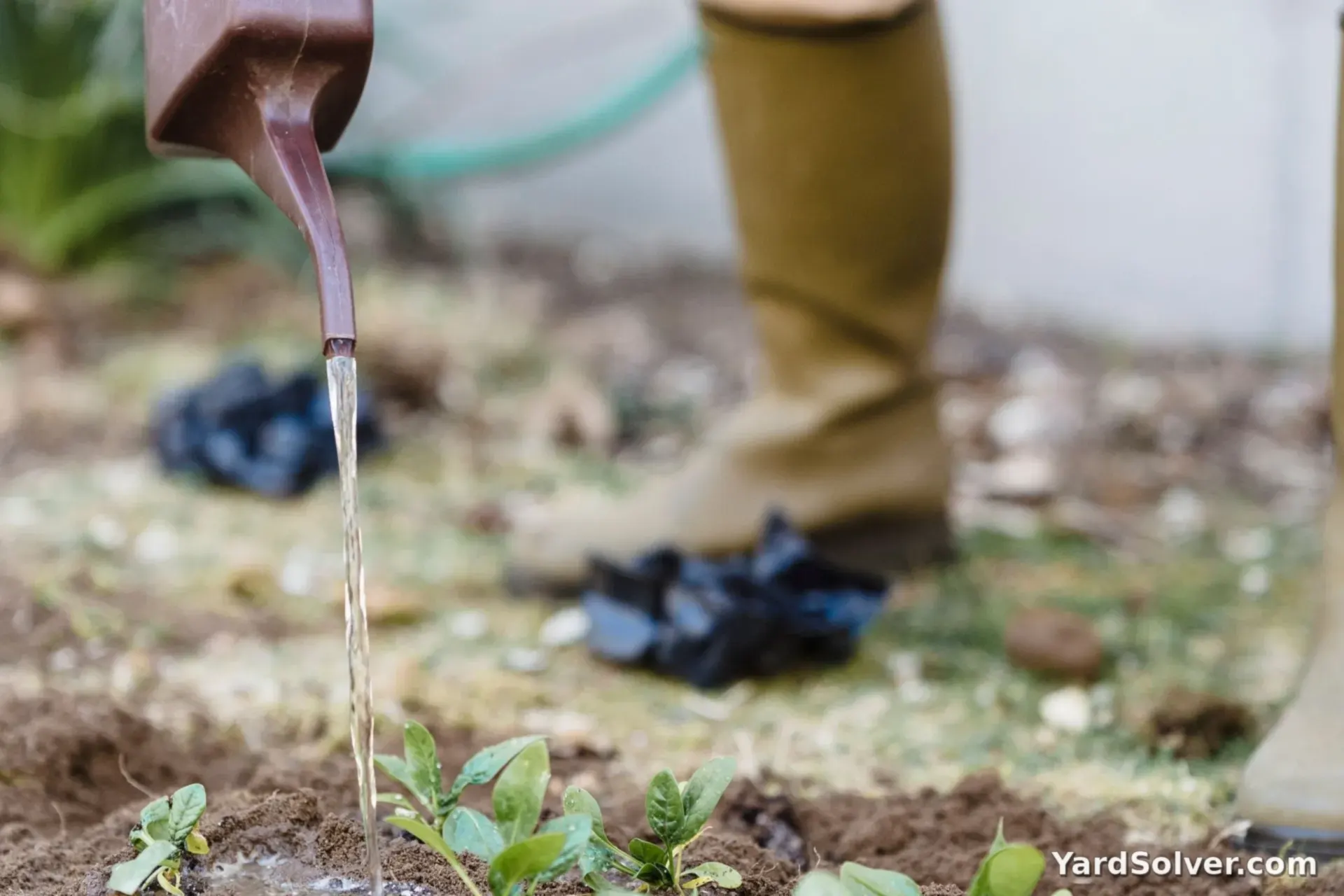
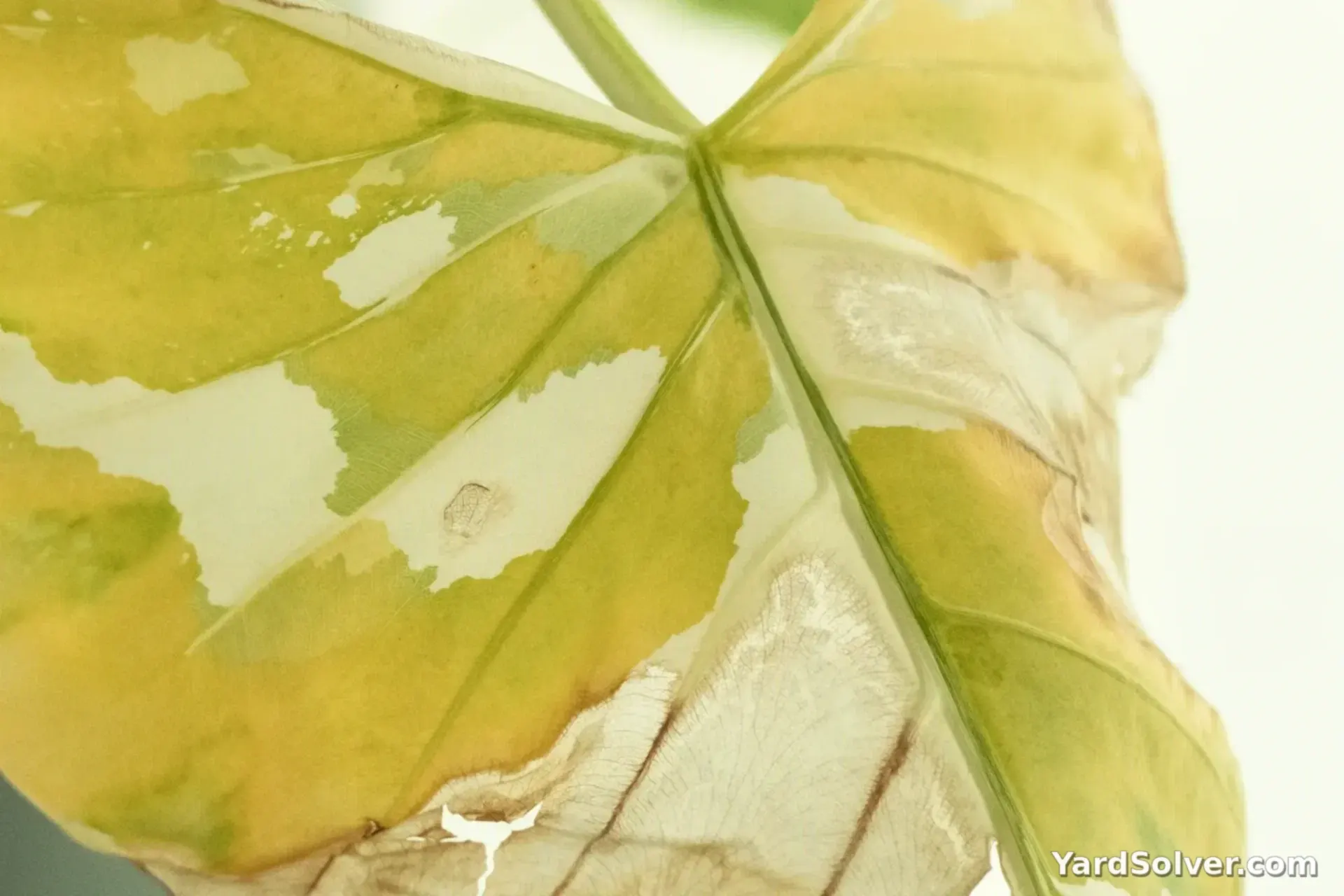
Every watering washes a little food out of the drainage holes, and potting mix starts with only a few weeks of feed in it. The simple rhythm that works: a general liquid feed at half strength every week or two for fruiting crops — tomatoes, peppers, cucumbers — and a gentler hand for leafy greens and herbs, which need less. Slow-release granules mixed in at planting cover the base load; liquid feed is your steering wheel after that. The Fertilizer Calculator keeps doses sane — potted plants burn faster than bedded ones when doses creep, and the plant in Overwatered Plant Rescue shows what the other classic pot emergency looks like.
Step 5 — Place for sun, pick forgiving crops
Start your pots where the sun is — 6 or more hours for fruiting crops — and shift them as the season's shade moves. The most reliable container crops for a first season are tomatoes (a compact or patio variety in the biggest pot), peppers, lettuce and salad leaves, radishes, bush beans, kale, and herbs. Two crops have their own pot guides here: How to Grow Strawberries in Pots and How to Grow Potatoes in Bags — grow bags are just containers with handles, and everything in this guide applies to them.
Step 6 — Dodge the five classic mistakes
Nearly every failed container garden traces back to the same five: (1) pots too small for the crop — a tomato in a 1-gallon pot is a thirst emergency on legs. (2) Decorative pots with no drainage holes. (3) Garden soil or, worse, soil dug from under a tree. (4) Watering by schedule instead of by checking — pots do not read calendars. (5) Planting too early: tender crops in pots still wait for frost dates, and small pots chill faster than beds on cold nights. The wider beginner list — beds included — is in Gardening Mistakes for Beginners.
Keep going
Two crops with their own pot-by-pot guides: How to Grow Strawberries in Pots · How to Grow Potatoes in Bags.
Growing on a balcony or small patio? Balcony Garden Ideas covers light, weight and wind. Short of space in general: Vegetables to Grow in Small Spaces.
Questions people ask
What size pot does a tomato need?
At least 5 gallons (about 20 litres) for one plant — and 7 to 10 gallons is kinder. In the ground a tomato gets 24 to 36 inches of elbow room; the pot has to replace that whole soil volume, because the soil is also the plant's water tank. Bigger pots dry out slower and forgive missed waterings.
What are the best vegetables to grow in containers?
The reliable dozen: tomatoes (compact or cherry types first), peppers, cucumbers on a support, bush beans, lettuce and salad leaves, kale, carrots in a deep pot, radishes, zucchini in the biggest pot you have, potatoes in grow bags, strawberries, and herbs. All of them are sized in the chart in this guide — match the pot to the crop and containers outperform most beginners' beds.
Can I use garden soil in pots?
No. Garden soil compacts in a pot, drains badly, and squeezes air away from the roots — plants sulk or drown. Use bagged potting mix, which is blended to stay loose and drain freely in a container, or mix your own container blend and check the quantities with a calculator before you buy.
How often do containers need watering?
Check every day, water when the top inch of mix feels dry, and in hot weather expect most pots to need water daily — small pots sometimes twice. Water slowly until it runs from the drainage holes, so the whole root ball gets wet, not just the surface.
Comments & ratings
No comments yet.
Be the first to share your experience.