
Guides · Urban growing · Published November 8, 2026
Rooftop Vegetable Gardening: An Urban Farming Starter Guide
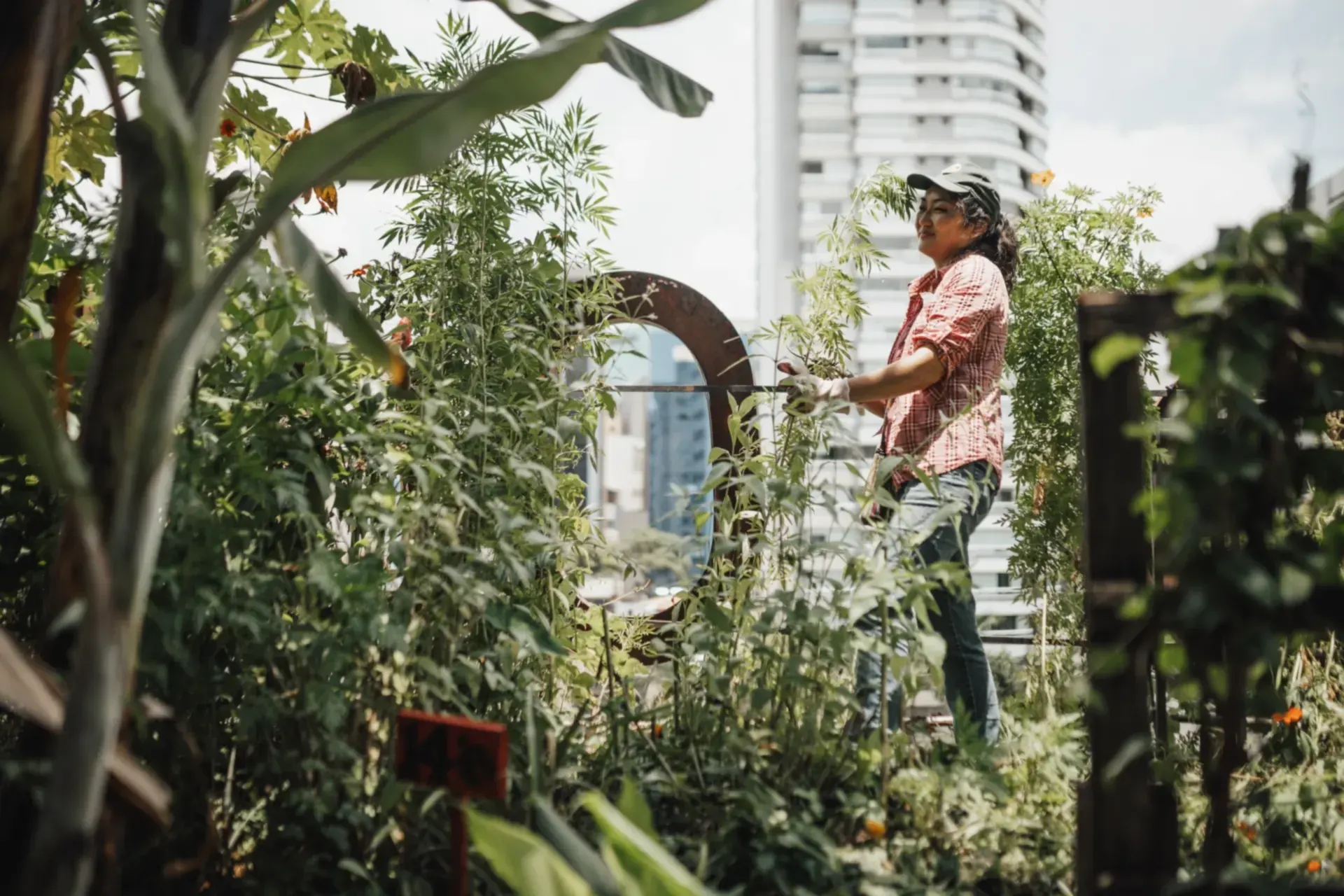
A rooftop is the sunniest "land" most city gardeners will ever own — unobstructed light from dawn to dusk, no slugs, no deer, and a growing season the reflected heat stretches at both ends. Rooftop vegetable gardening also comes with rules no backyard ever imposes: the soil you haul up is a structural load, the wind up there is a different climate, and every litre you spill lands on a waterproof membrane someone paid a fortune for. This starter guide is the honest sequence — permission and weight first, containers and crops second, wind and water always — for a flat roof, a roof terrace, or a sturdy garage roof.
Rooftop growing, the honest version
- Before anything: written permission (landlord, condo board or HOA) and a realistic weight check — wet soil is the heaviest thing you will ever put on a roof
- Containers: fabric grow bags and self-watering pots — light, movable, kind to waterproof membranes
- Crops that work up high: tomatoes, peppers, salad leaves, herbs, bush beans, strawberries — in the biggest lightweight containers you can manage
- The roof taxes: wind and heat — plan ties, screens and daily water from day one, not after the first storm
Step 1 — Check permission and weight before you buy a single bag of soil
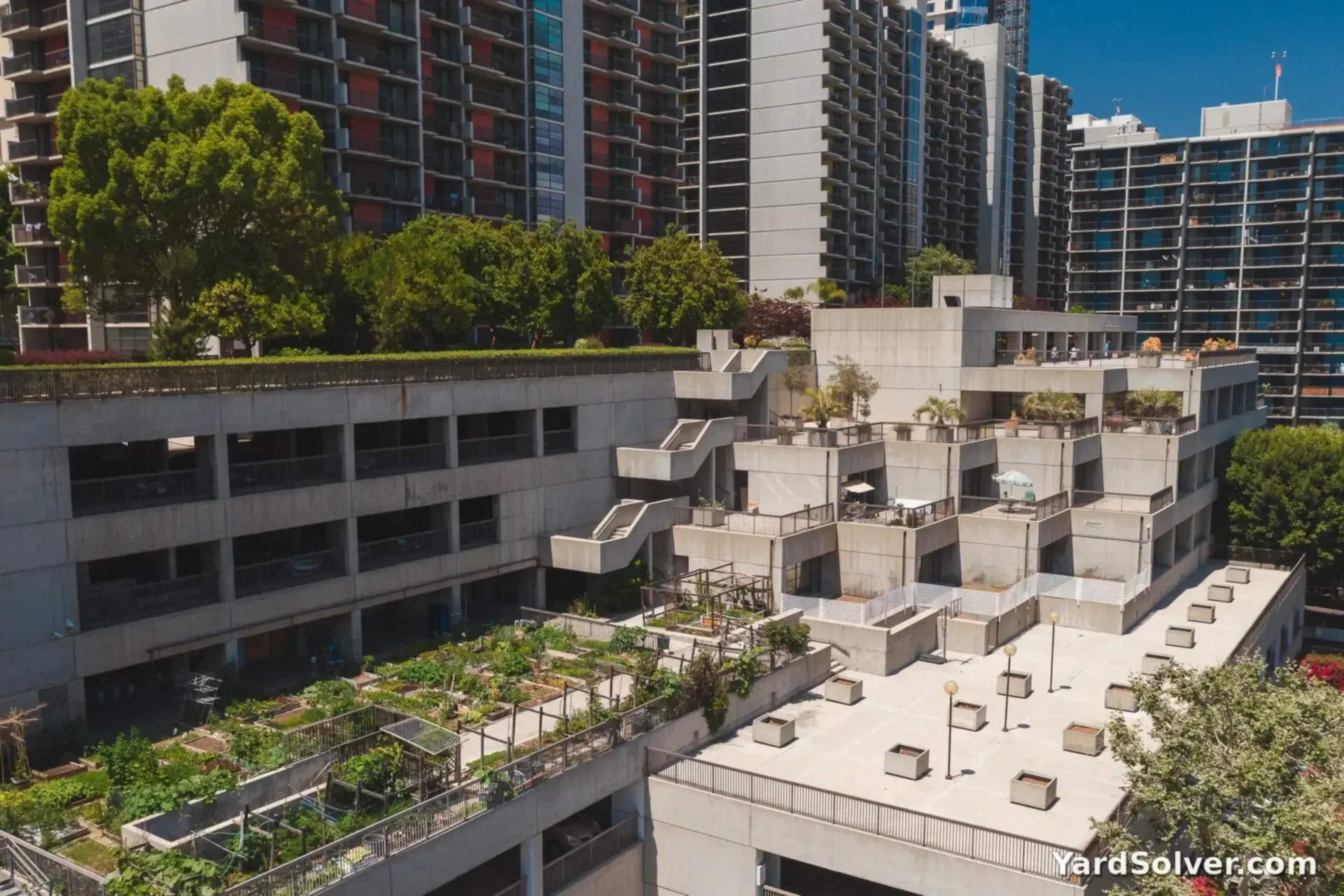
Two pieces of paper protect a rooftop garden: permission and a weight reality check. Permission means the landlord's written OK if you rent, or the condo board / HOA's approval in most shared buildings — roof rules commonly cover access, railings, and anything attached or visible from the street. Some cities also regulate roof structures; a row of containers is rarely an issue, a built deck or greenhouse may be. Ask first, in writing, every time.
Weight is physics, not paperwork: potting mix saturated with water weighs roughly 40–50 lb per cubic foot (about 650–800 kg per cubic metre), so one large grow bag can match a person's weight — and a season's row of them is a crowd standing in one line. The standard mitigations: keep large containers along the edges above supporting walls, spread them out rather than clustering mid-span, use the lightweight containers from Step 2, and never store bagged soil or water barrels up top. If the building's answer is vague, treat it as a no until it is specific.
Step 2 — Choose lightweight containers and light mix
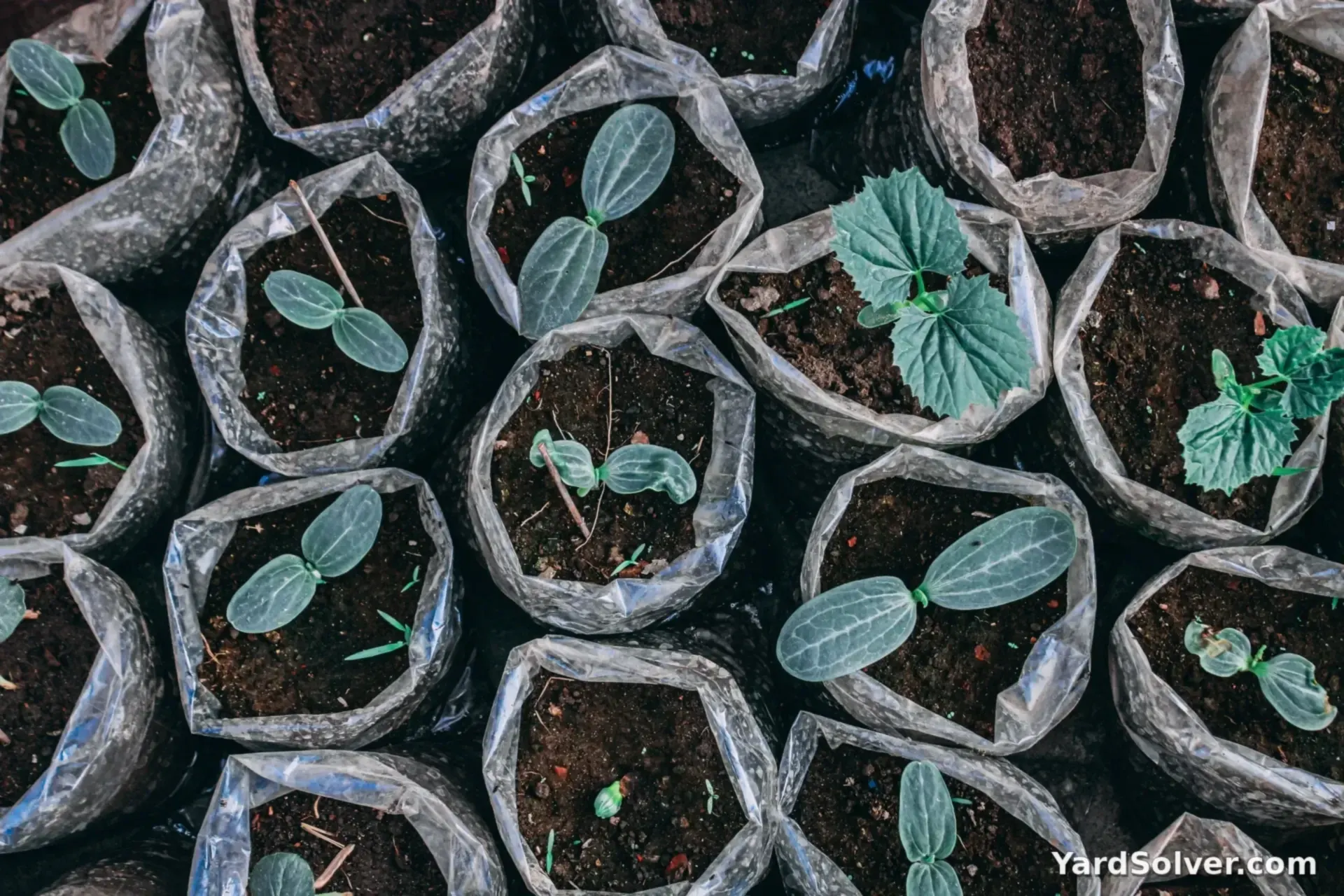
On a roof, container choice is a weight decision before it is a style one. Fabric grow bags are the rooftop standard: they weigh almost nothing empty, fold flat for the trip up the stairs, air-prune roots, and come in the 5–10 gallon sizes fruiting crops want. Self-watering containers cost more and earn it — their reservoir turns daily watering into every-other-day. Terracotta and ceramic, lovely at ground level, are ballast up here; save them for the balcony.
Fill with potting mix, never garden soil (too heavy, and it compacts) — the sizing and mix rules are in Container Gardening for Beginners, and the Garden Mix Calculator works out how much you are actually hauling before you haul it. Every container sits in a tray or on a protective mat: drainage water carries fertilizer salts that stain and degrade roof membranes, and the roof's owner will care about that long after your tomatoes are forgotten.
Step 3 — Plan for wind and daily water from day one
Wind is the roof tax. It rocks tall plants until roots loosen, shreds leaves, and strips moisture from pots hours faster than at ground level. Counter it structurally: tie tomato and pepper supports to the railing or another fixed point, not just to the pot; cluster containers so they shelter each other; and put a permeable windbreak — trellis, mesh screen, a row of sturdy planters — on the windward edge. Solid barriers create turbulence; screens that slow the wind work better. Before a forecast storm, lay the tallest pots against the wall.
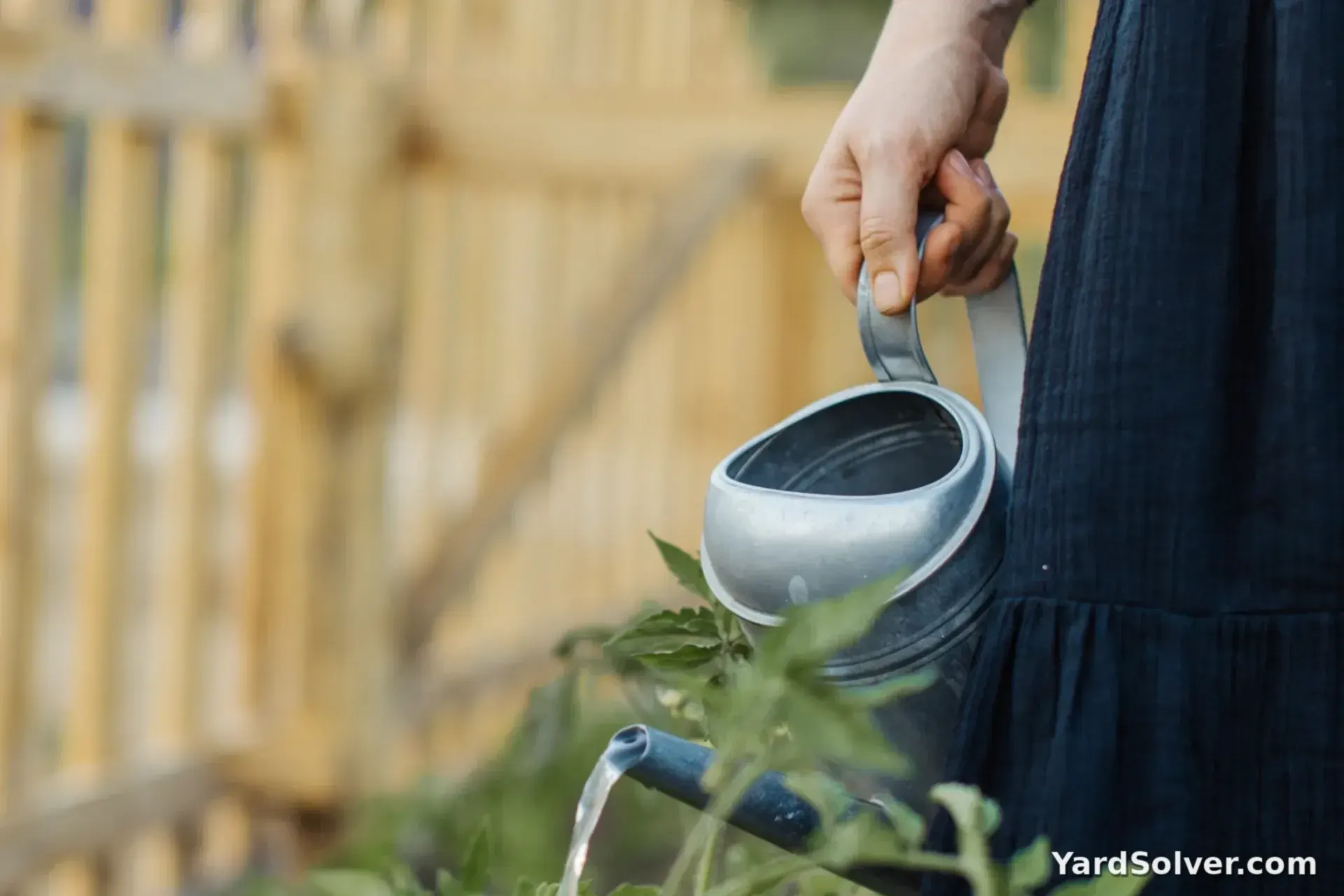
Water is the other daily fact: in summer, expect to check every container, every day. A drip line is the grown-up answer where a roof tap exists — How to Set Up Drip Irrigation covers the parts — and a filled reservoir or barrel at ground level with a small pump serves roofs without one. Mulch every pot surface with an inch or two of bark to slow the surface drying that wind accelerates. Going away? The triage in How to Water Plants While on Vacation applies doubled up here.
Keep going
The method behind every pot up there: Container Gardening for Beginners — sizes, mix and watering.
No roof, but a railing? Balcony Garden Ideas covers the same game one floor down.
Thinking vertically in general: Vertical Gardening Ideas.
Questions people ask
How much weight can a rooftop garden hold?
It depends entirely on the building — there is no safe general number. A single large container of wet soil can weigh as much as a grown adult, and rows of them concentrate that load. Put big containers along edges over supporting walls, spread the load, and if you have any doubt, get the building's answer in writing before you plant. Never assume a roof deck rated for people is rated for a garden.
What are the best vegetables for a rooftop garden?
Compact, high-value crops in big containers: determinate tomatoes, peppers, salad leaves and herbs, bush beans and strawberries. Shallow-rooted greens suit lightweight beds; fruiting crops need the largest grow bags (7–10 gallons) and a stake tied to something fixed. Skip sprawling pumpkins and corn — they need ground, weight and wind protection a roof cannot give.
Do I need permission to garden on a roof?
Usually, yes. Renters need the landlord's written OK; condos and HOAs typically have rules on roof use, railing attachments and visible planters; and some municipalities treat roof structures as alterations. Getting permission in writing first is step one of this guide — it protects your plants as much as the building.
How do I keep rooftop plants watered?
Expect to water daily in summer — wind and reflected heat dry containers fast. Self-watering containers buy you a day or two, grouping pots slows drying, and a drip line from a roof tap or a filled reservoir removes the daily trip. Mulch every container surface.
Comments & ratings
No comments yet.
Be the first to share your experience.