
Guides · Budget gardening · Published November 3, 2026
Budget Gardening Tips
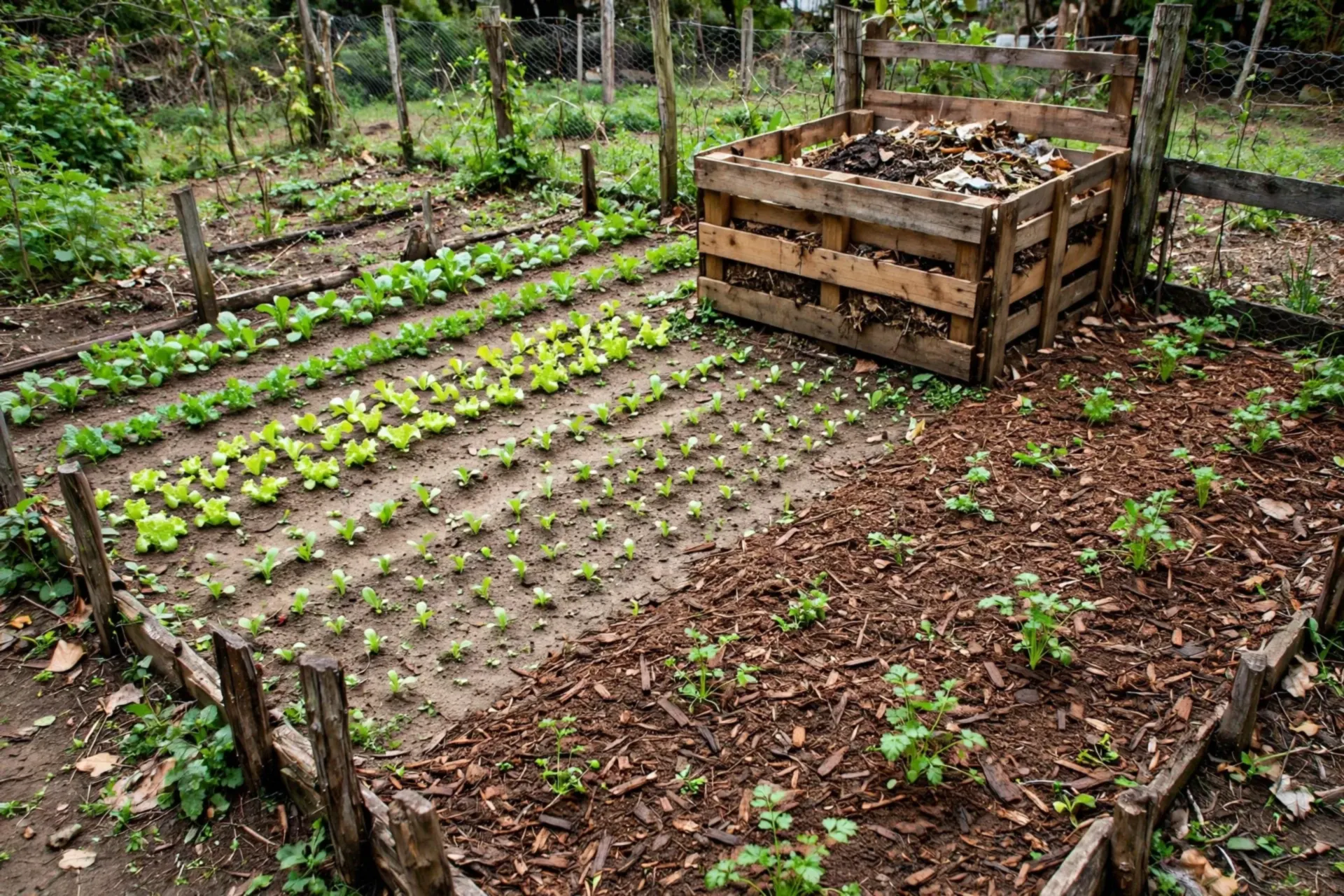
A vegetable garden is supposed to save money, yet the garden centre will happily sell you seedlings, soil in little bags and a gadget for every task until the tomatoes cost more than the store's. The fix is not deprivation — it is knowing which three or four decisions carry almost all of the cost. Seeds instead of seedlings, soil you build instead of soil you buy, water delivered to roots instead of the sky. Get those right and the garden gets cheap almost by itself.
Where the money actually goes — and where it doesn't need to
- Seeds beat seedlings almost every time: one packet typically costs about the same as one or two bought seedlings — and holds a season of plants
- Soil is the big spend — and where free routes genuinely exist: compost, leaves, bulk instead of small bags
- Water is the quiet bill: mulch and watering at the roots cut it more than any gadget
- Never cheap out on: fresh seed for tricky germinators, clean uncontaminated compost, and your sunniest spot
Step 1 — Start from seed, not seedlings
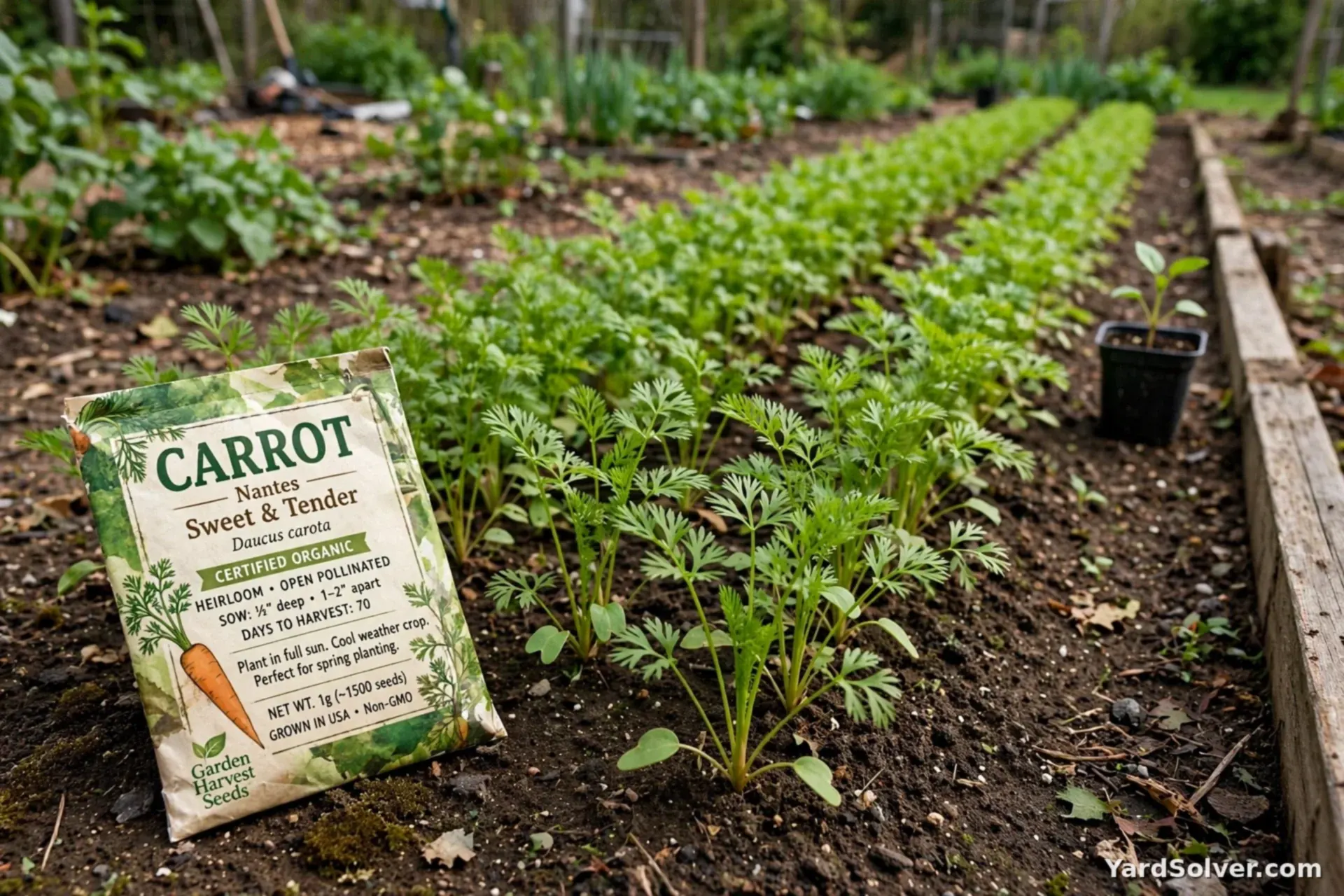
This is the single biggest saving in the garden. A packet of seed usually costs roughly what one or two nursery seedlings cost, yet it holds dozens — sometimes hundreds — of potential plants. Direct-sow the easy crops where they will grow (beans, peas, carrots, lettuce, radish, zucchini) and start the slow ones indoors on a windowsill following When to Start Seeds Indoors. Use the Seed Calculator and the Plant Spacing Calculator to size the bed before you shop — the leak is rarely the packet, it is the tray of spares never planted.
Step 2 — Build your soil instead of buying it
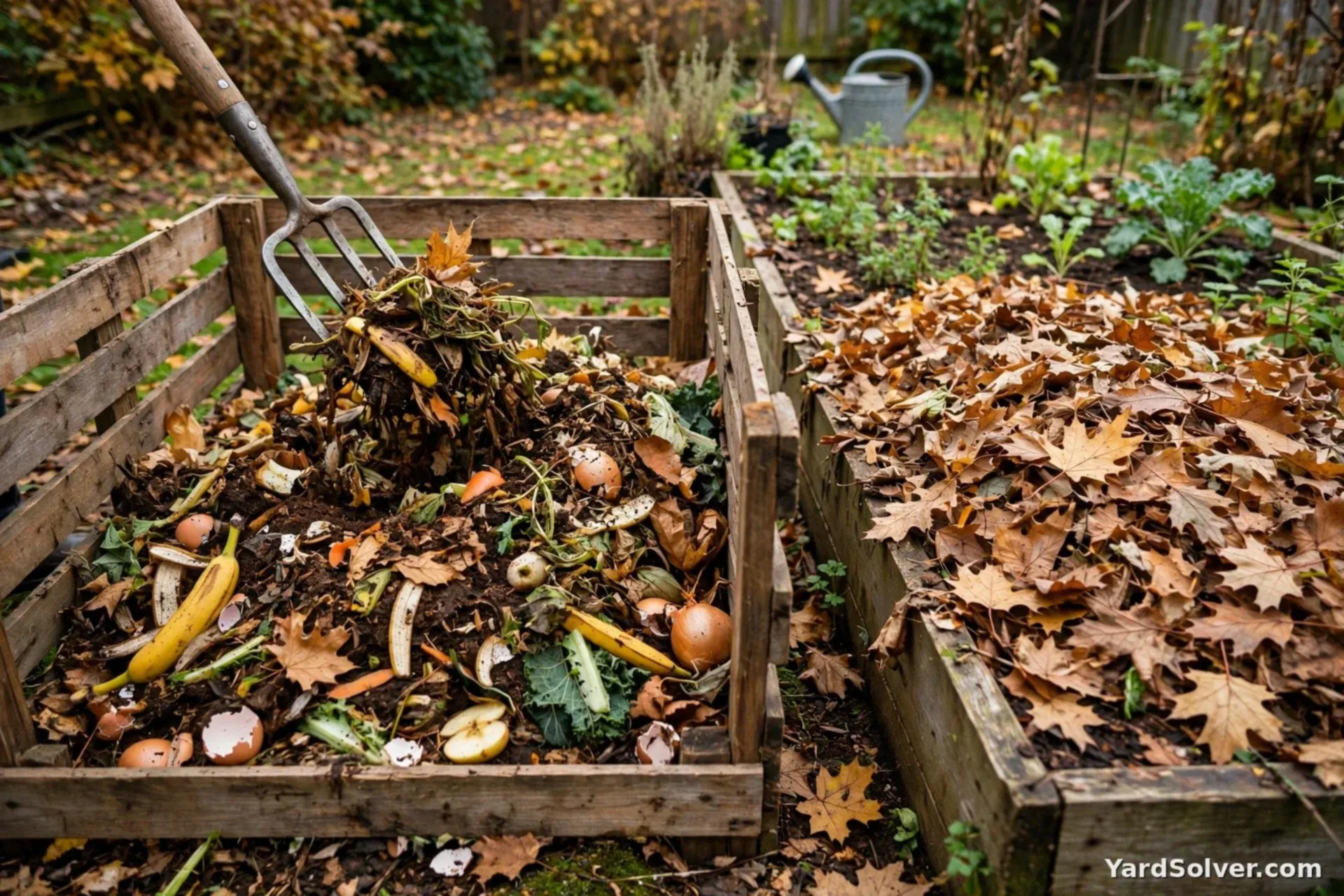
Soil and compost are where beginners spend real money, and where the free alternatives are genuinely good. A simple compost pile turns scraps and leaves into the best soil food there is — How to Start Composting for Beginners builds one in an afternoon, and Composting in Winter keeps it going through the cold. Fall leaves are a free mulch and compost ingredient — many towns even give away municipal compost. Ask before you buy. When you do need to fill a raised bed, run the Raised Bed Soil Calculator first, then buy that volume in bulk if you can: bagged soil is typically the most expensive way to buy soil per cubic foot, and the difference is large.
Step 3 — Save your own seed
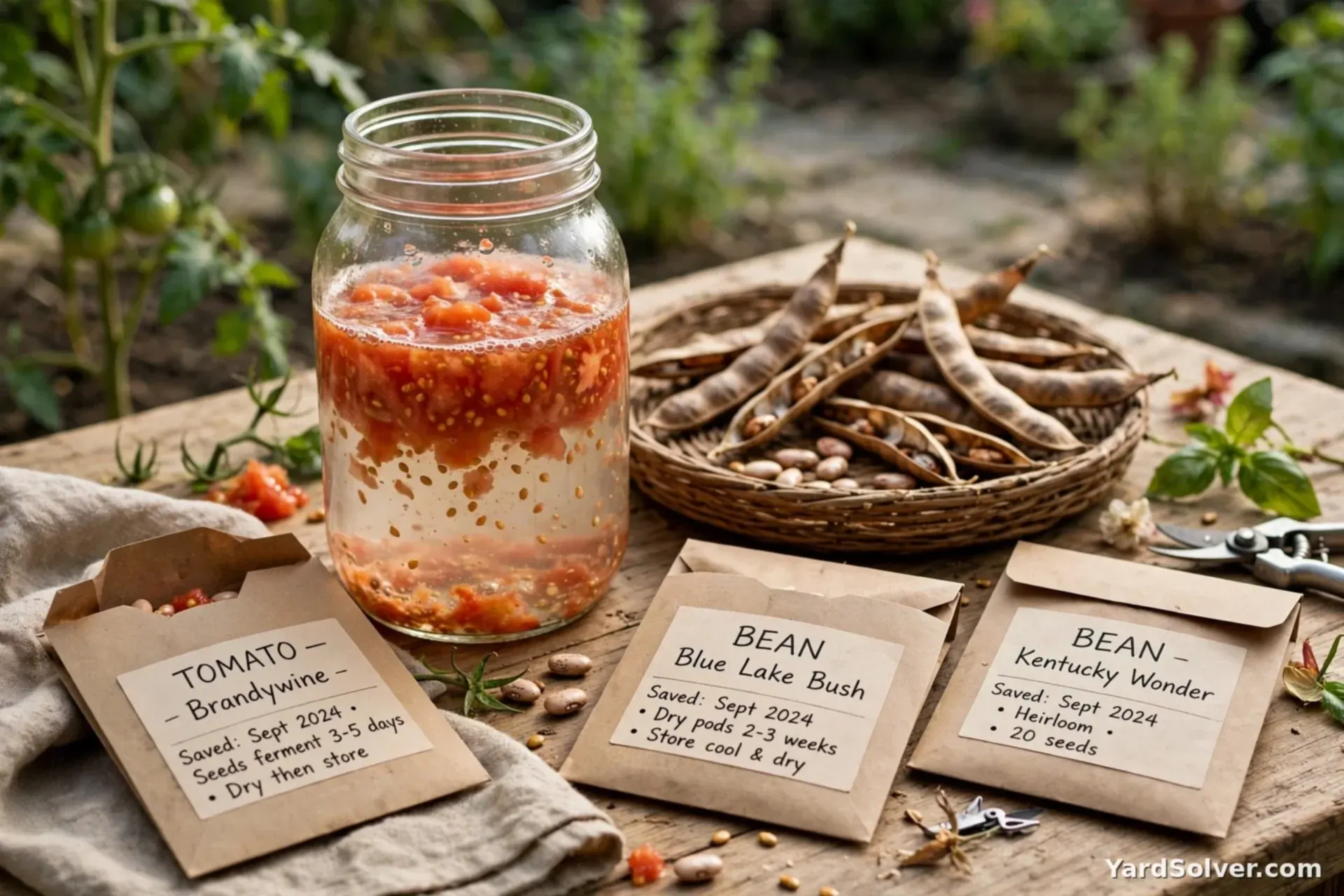
Seed saving is how the seed budget falls to nearly nothing for your staple crops. Start with tomatoes — the method is a jar of water and a few days, covered step by step in How to Save Tomato Seeds. Beans and peas are even easier: let some pods dry on the plant and shell them. Lettuce left to bolt gives you a jar of seed from one plant. Two honest cautions: save from open-pollinated varieties, not hybrids, if you want the same plant back — and crops that cross-pollinate freely (squash, corn, peppers grown close together) may come back as surprises. Save from your best plants; your seed adapts a little more to your garden each year.
Step 4 — Water like it costs money (it does)
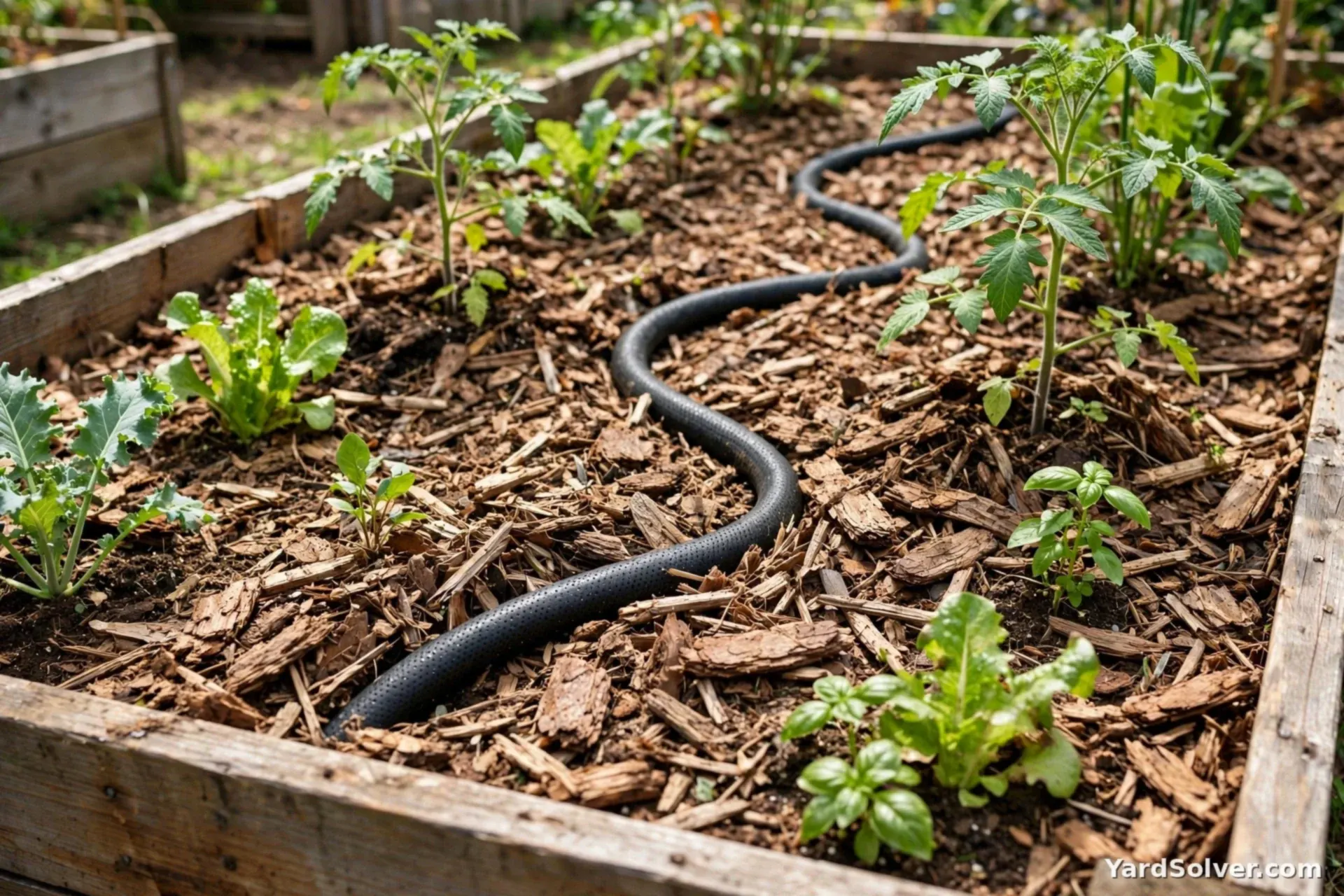
Water is the bill nobody itemises. Three habits cut it hard. Mulch: a 2–3 inch blanket of straw, shredded leaves or wood chips keeps moisture in the soil and can halve how often you water. Target: watering cans, soaker hoses and drip lines put water at the roots; sprinklers lose a share to wind and evaporation before it lands — How to Set Up Drip Irrigation shows the simple version. Timing: morning watering loses least and leaves foliage dry by evening. And harvest the free supply: the Rain Barrel Calculator works out how much of your watering a roof can cover.
Step 5 — Don't cut these corners
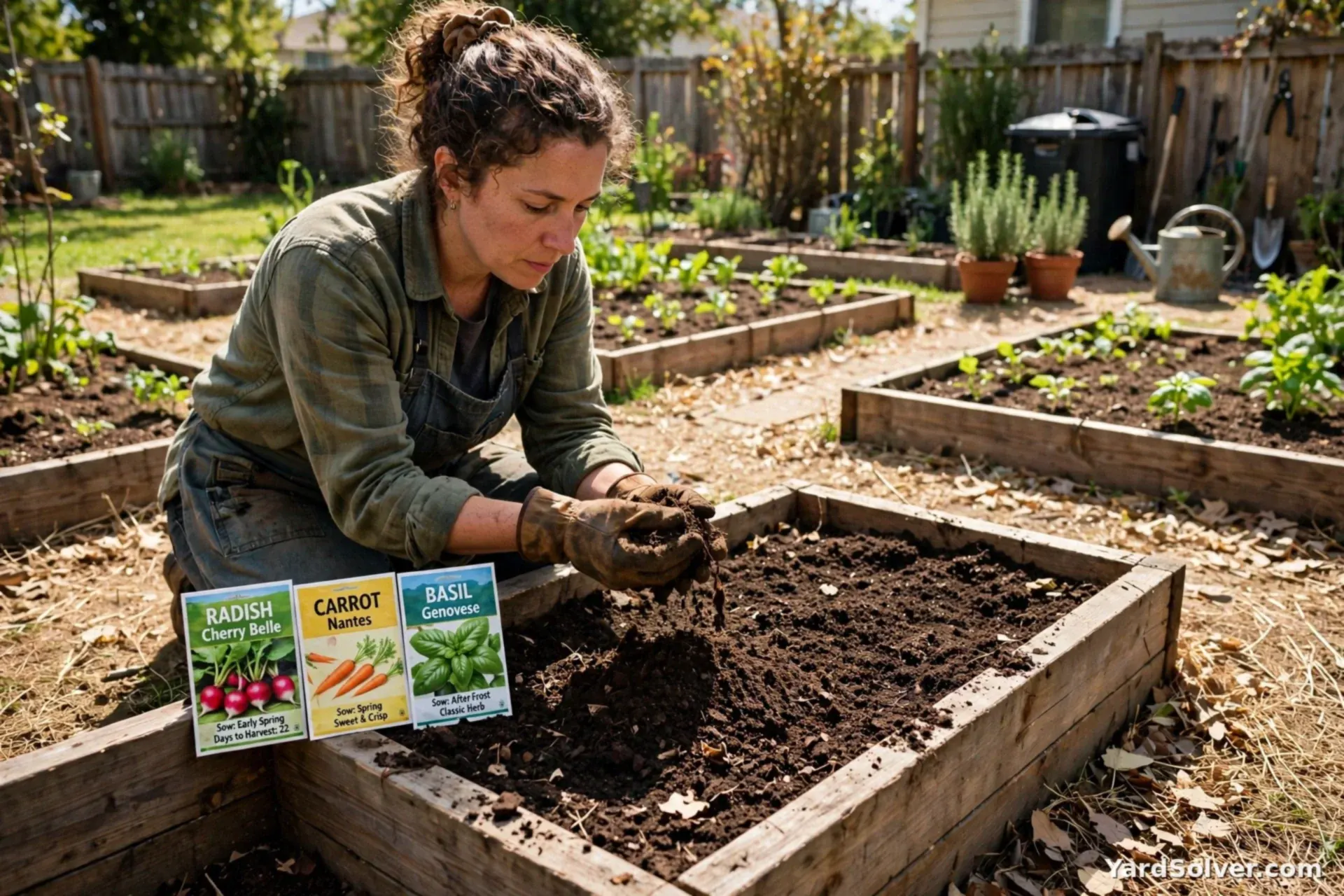
Frugal is not the same as cheap, and three corners punish cutting. Mystery compost and manure: free loads can carry persistent weed seeds — or worse, herbicide residue from treated hay that stunts crops for seasons; test any new source on one small corner first. Ancient seed: parsnip and some other seed loses germination fast; a failed sowing wastes the bed's best weeks, so buy those fresh. Shade: vegetables in too little sun never catch up, and no fertiliser fixes it — moving a bed is free once; fighting shade costs all season. Tools too: a few decent second-hand ones outlast a new bargain set.
Keep going
The cheapest bed-refresh of all: How to Refresh Raised Bed Soil instead of replacing it.
Planning the plot itself? The Garden Planner lays out beds and quantities before you spend anything.
Questions people ask
What is the cheapest way to start a vegetable garden?
Sow seed directly into the soil you already have, improved with homemade compost, and grow repeat producers — greens, beans, herbs — instead of one-harvest crops. The most expensive garden is the one built from bought seedlings in bought bagged soil; the cheapest skips both.
Are bought seedlings ever worth the money?
Yes, in two cases: long-season crops like peppers when you missed the indoor starting window, and one or two plants of something you have no space to start yourself. Price them as a rescue, not a routine — a season of seedlings costs many times a season of seed.
Where do gardeners waste the most money?
Bagged soil bought a small bag at a time, gadgets bought before the basics, flimsy tools replaced every season, and sprinkler water lost to wind and evaporation.
Comments & ratings
No comments yet.
Be the first to share your experience.