
Plant Library · Herbs
🌼 How to Grow Feverfew
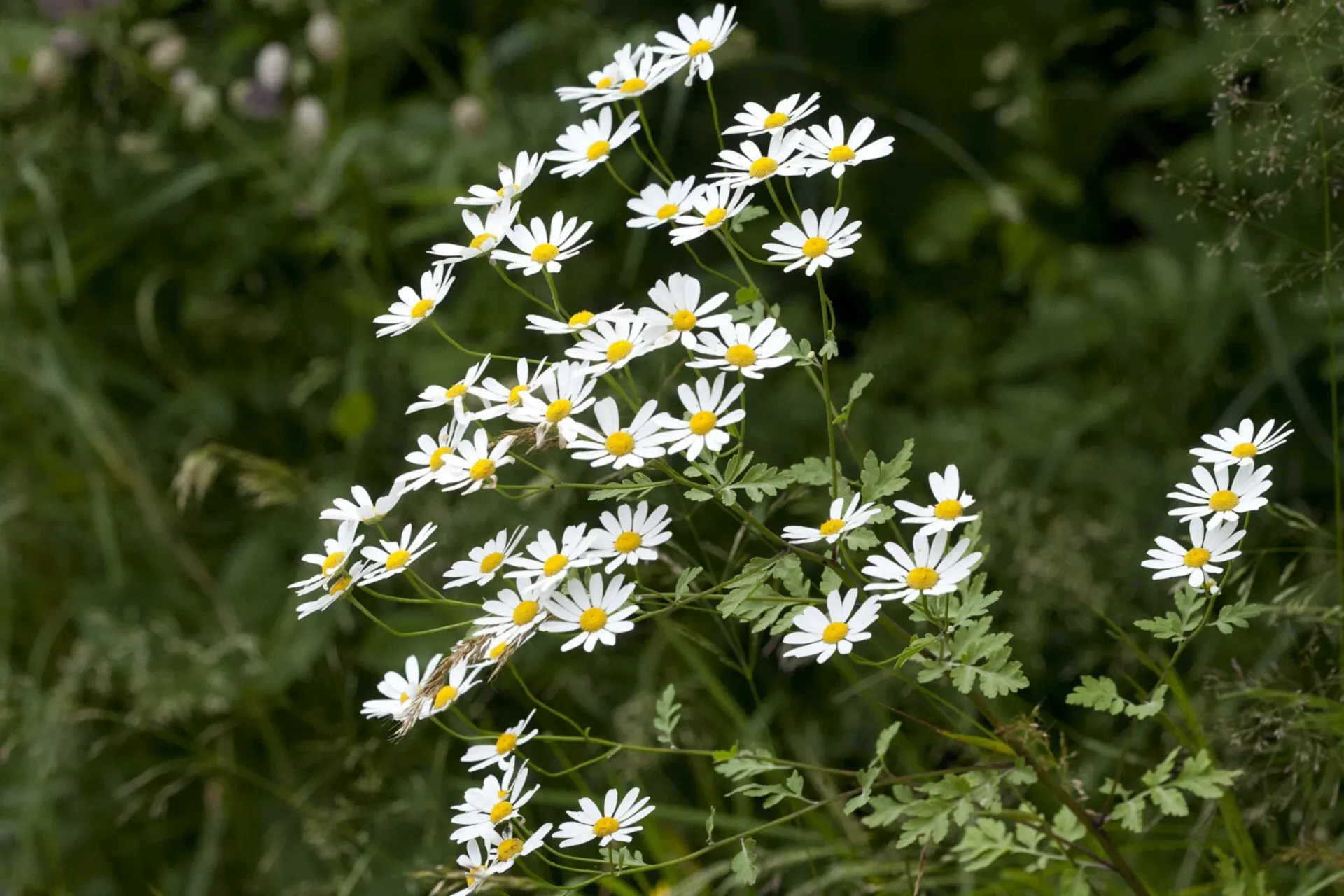
A froth of little white daisies on a tough, self-sowing perennial — part cottage flower, part famous headache herb. Feverfew (Tanacetum parthenium) has been grown in herb gardens since Roman times. It blooms for weeks, shrugs off poor soil, seeds itself around politely, and asks for nothing but sun and the occasional haircut.
Grow Feverfew with us — step by step
Everything for this plant is written step by step below — what to do, and exactly when. Read it through first if you like: you can grow it entirely on your own with that guide. Or start with us here — tell us your planting day and we lay out your personal schedule on this page, every next step on its own day, counted from your planting date. No guessing, no forgetting.
Step 1 — today: Surface-sow feverfew seed indoors under light — it is dust-fine and slow, so a head start gives you sturdy plants.
Feverfew at a glance
Sow indoors: 8 weeks before last frost
Move outside: 1 week after last frost
Sow outdoors: 1 week before last frost
Spacing · Seed depth: 12 in apart · surface — seed needs light
Sun: Full sun
Water: Low to moderate — very drought-tolerant once settled
Harvest: Leaves before flowering; flower heads in summer
Timing counts from your average last spring frost — get your own dates in the Planting Calendar. Guidance follows standard extension-service practice for Canada and the US.
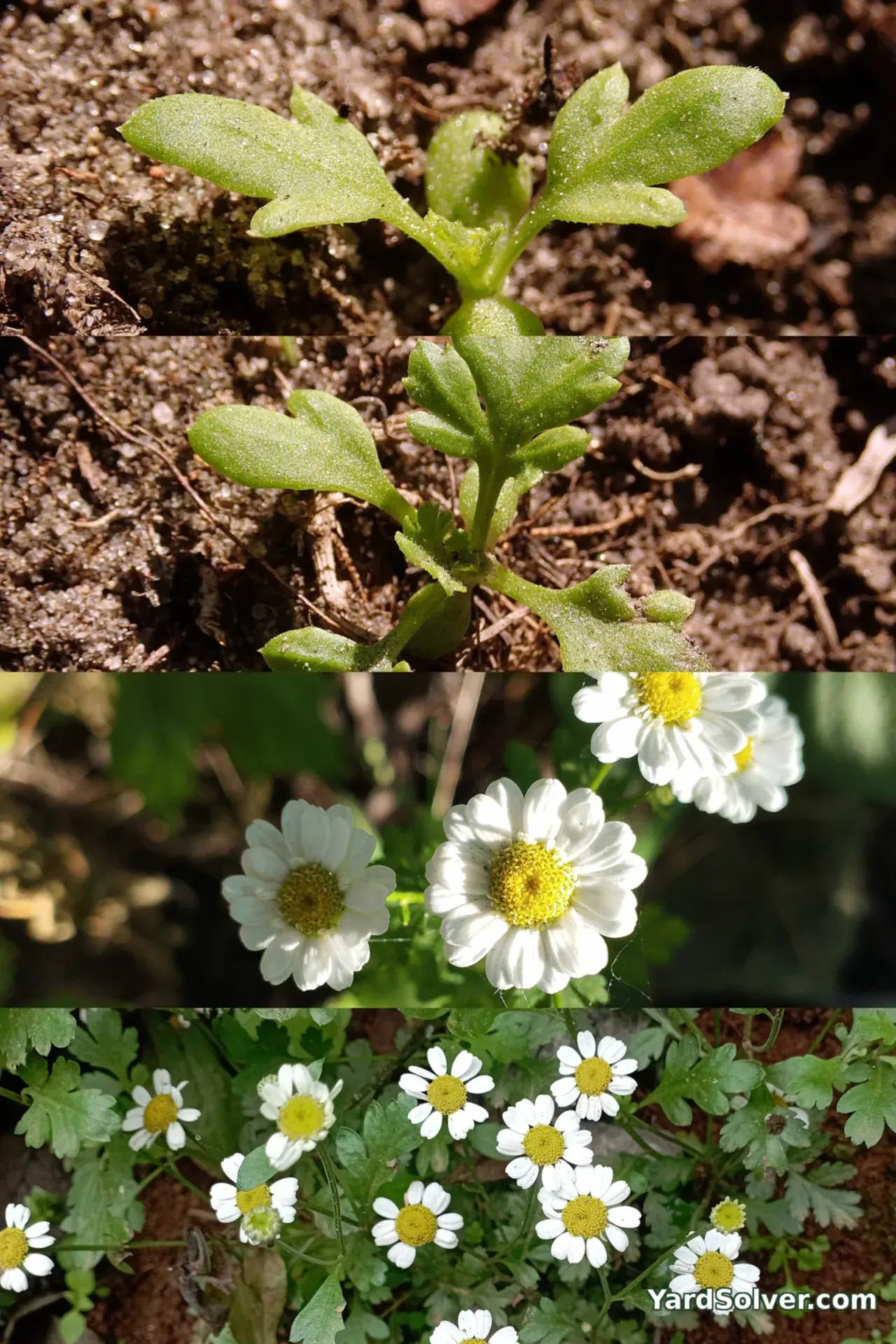
How to plant and grow feverfew, step by step
Step 1 — Time it right
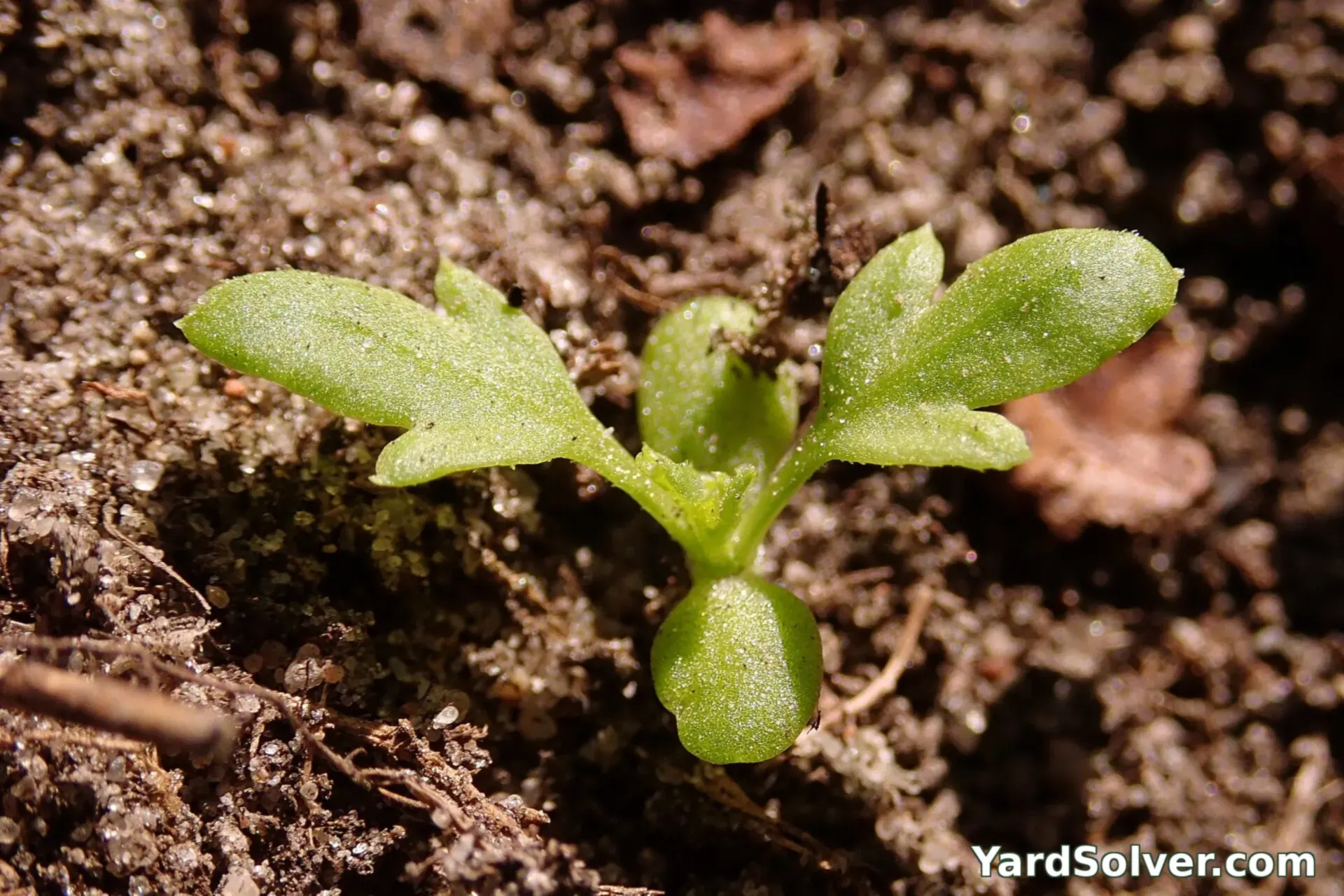
Sow indoors: 8 weeks before last frost; Move outside: 1 week after last frost; Sow outdoors: 1 week before last frost. All dates count from your average last spring frost — the Planting Calendar turns them into real dates for your garden. Feverfew is a short-lived perennial (zones 5–9) that usually flowers its first year from an early sowing. The seed is tiny and needs light: scatter on the surface of moist mix, press in, and hold around 18–21 °C / 65–70 °F. Once you have one plant, you have it forever — it self-sows into paths, edges and pots with wild generosity.
Step 2 — Prepare the spot
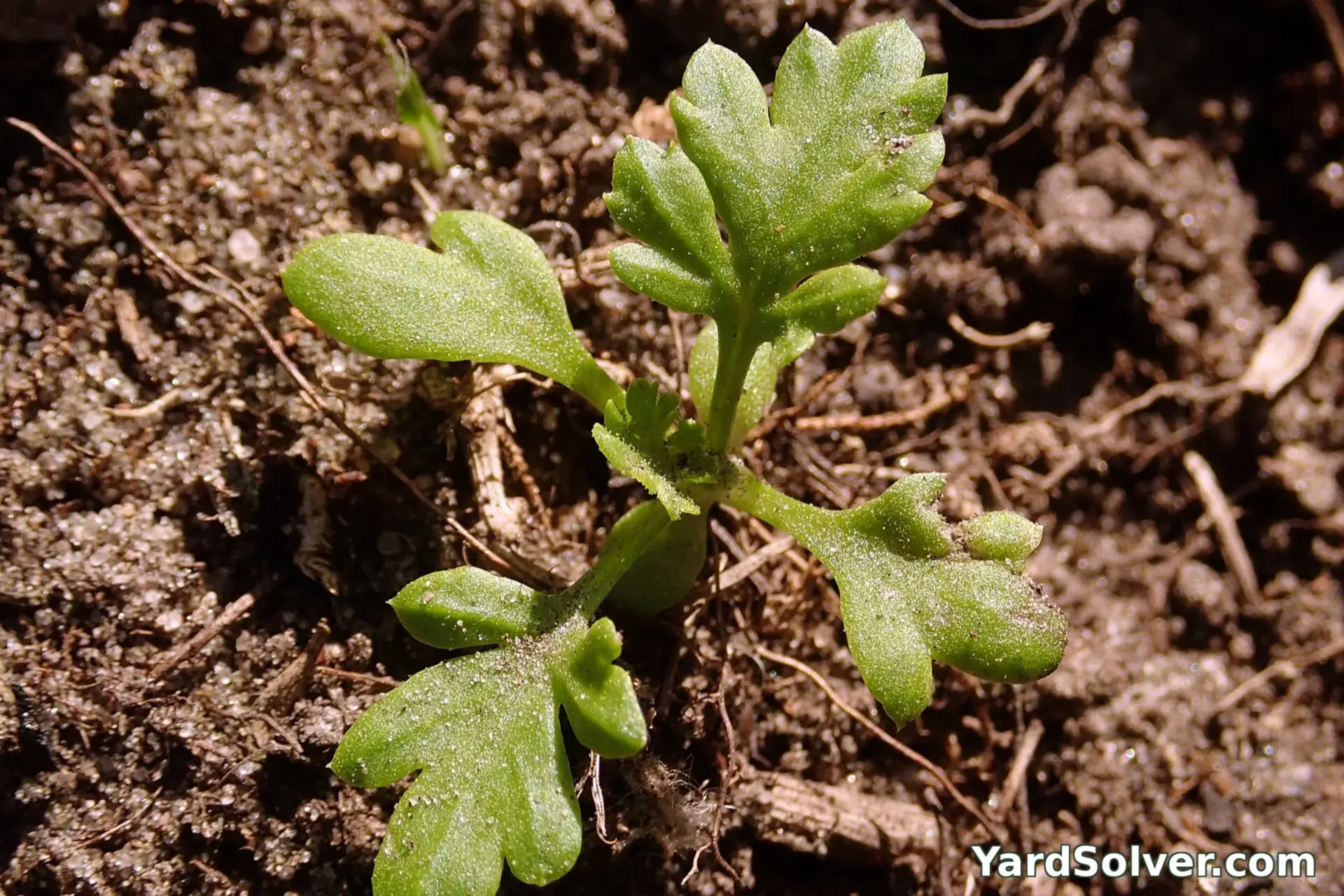
Poor soil, gravelly edges, the foot of a sunny wall — feverfew thrives where fussier plants fail. The one thing it won't forgive is winter wet, so on heavy clay, fork in grit or plant it in a raised edge. A little compost at planting is generosity enough. For a raised bed, the Raised Bed Soil Calculator counts the bags for you; mixing your own? The Garden Soil Calculator gives the compost-rich split to aim for.
Step 3 — Sow and plant out
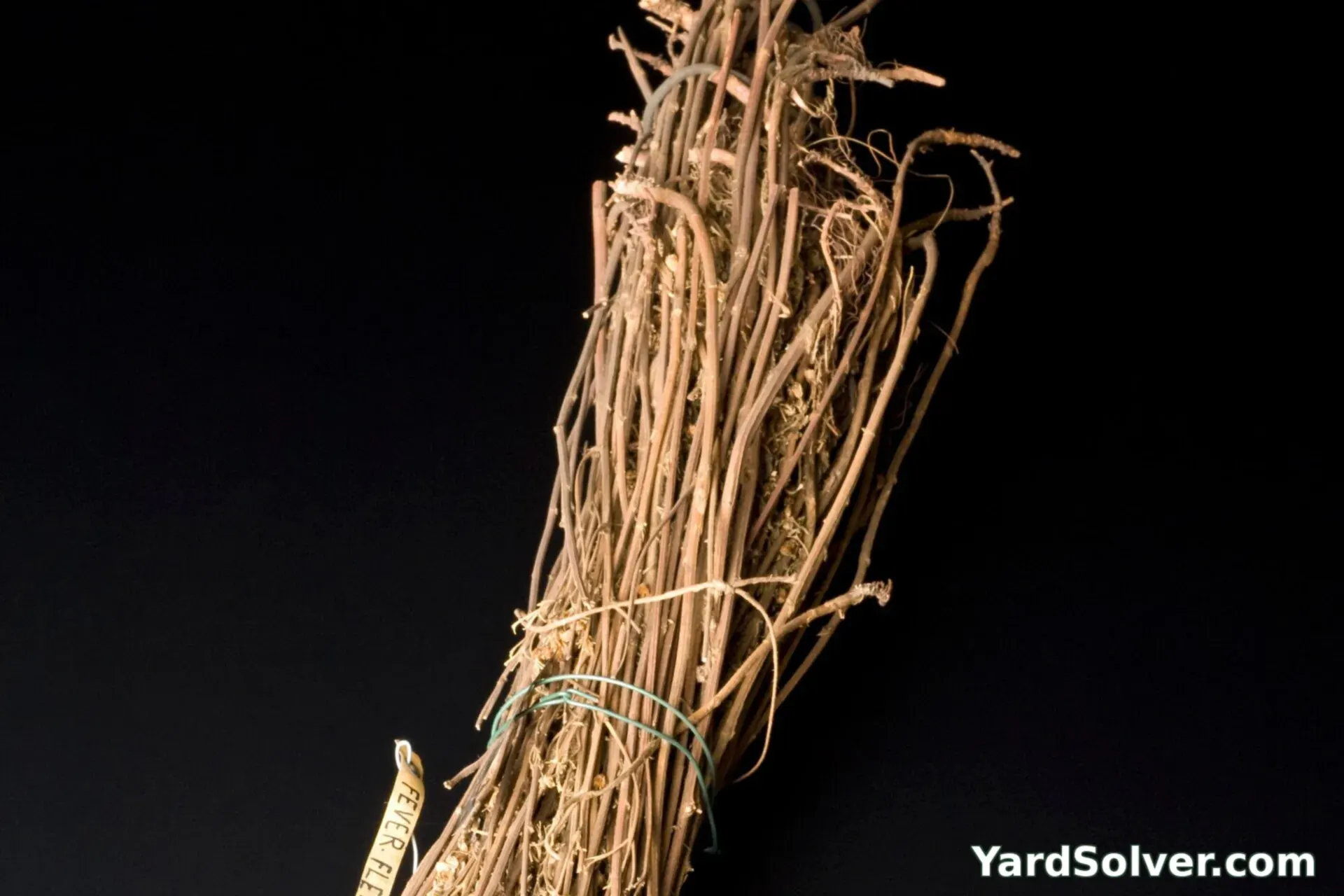
Set plants 12 in apart in spring or early autumn. The Plant Spacing Calculator turns your bed size into an exact plant count. Good neighbours: feverfew is a classic cottage companion that draws hoverflies and lacewings; some gardeners plant it near roses for that reason. Keep one thought in mind — it seeds freely, so place it where volunteers are welcome.
Step 4 — Water and feed
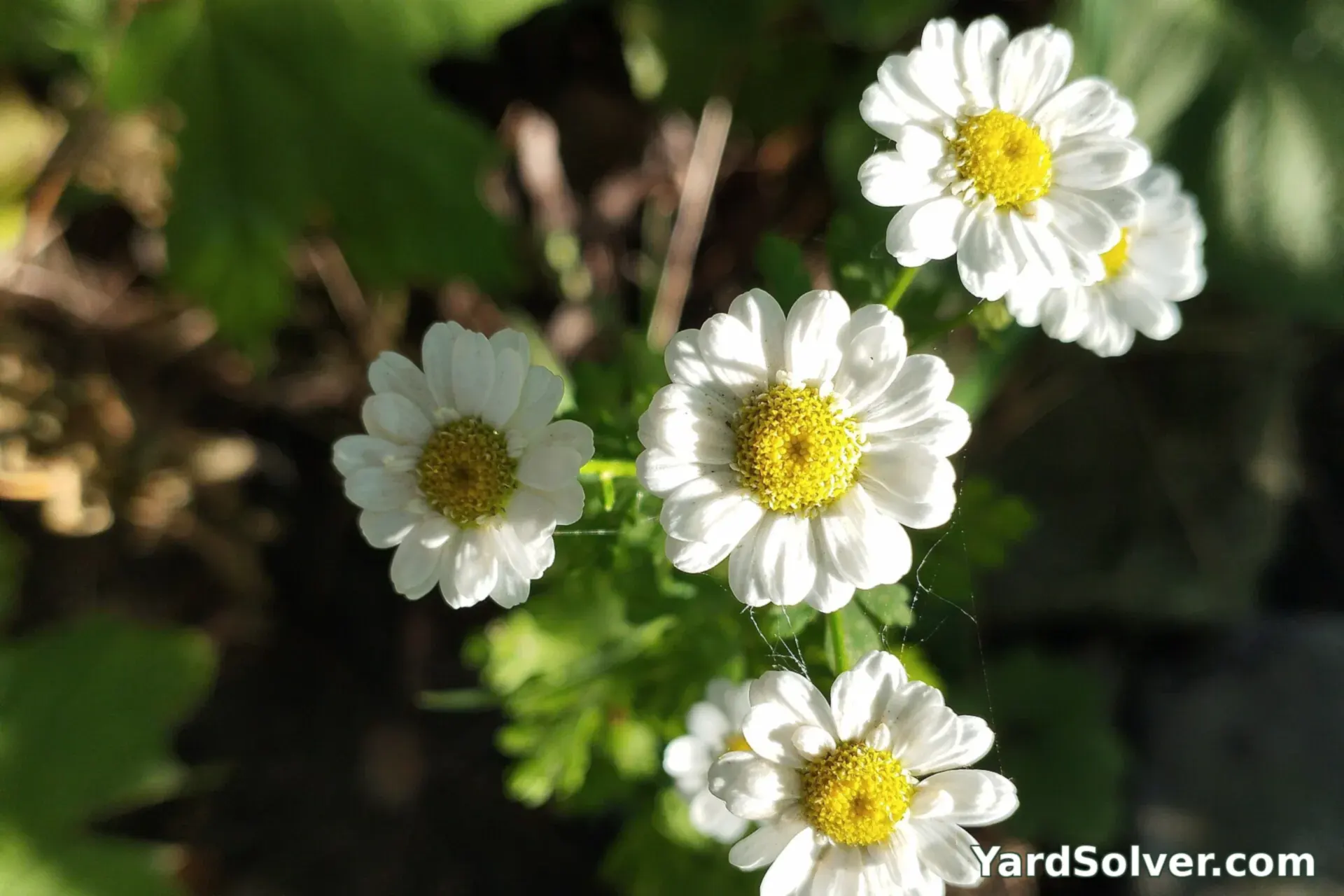
Water transplants until they settle, then stop — established feverfew is one of the most drought-tolerant herbs in the garden. Feeding is unnecessary; rich soil just makes soft, floppy growth with a stronger smell and no better flowers. If a container plant fades, a single light feed is the limit — the Fertilizer Calculator turns your bed size into exact amounts.
Step 5 — Care and the problems to watch for
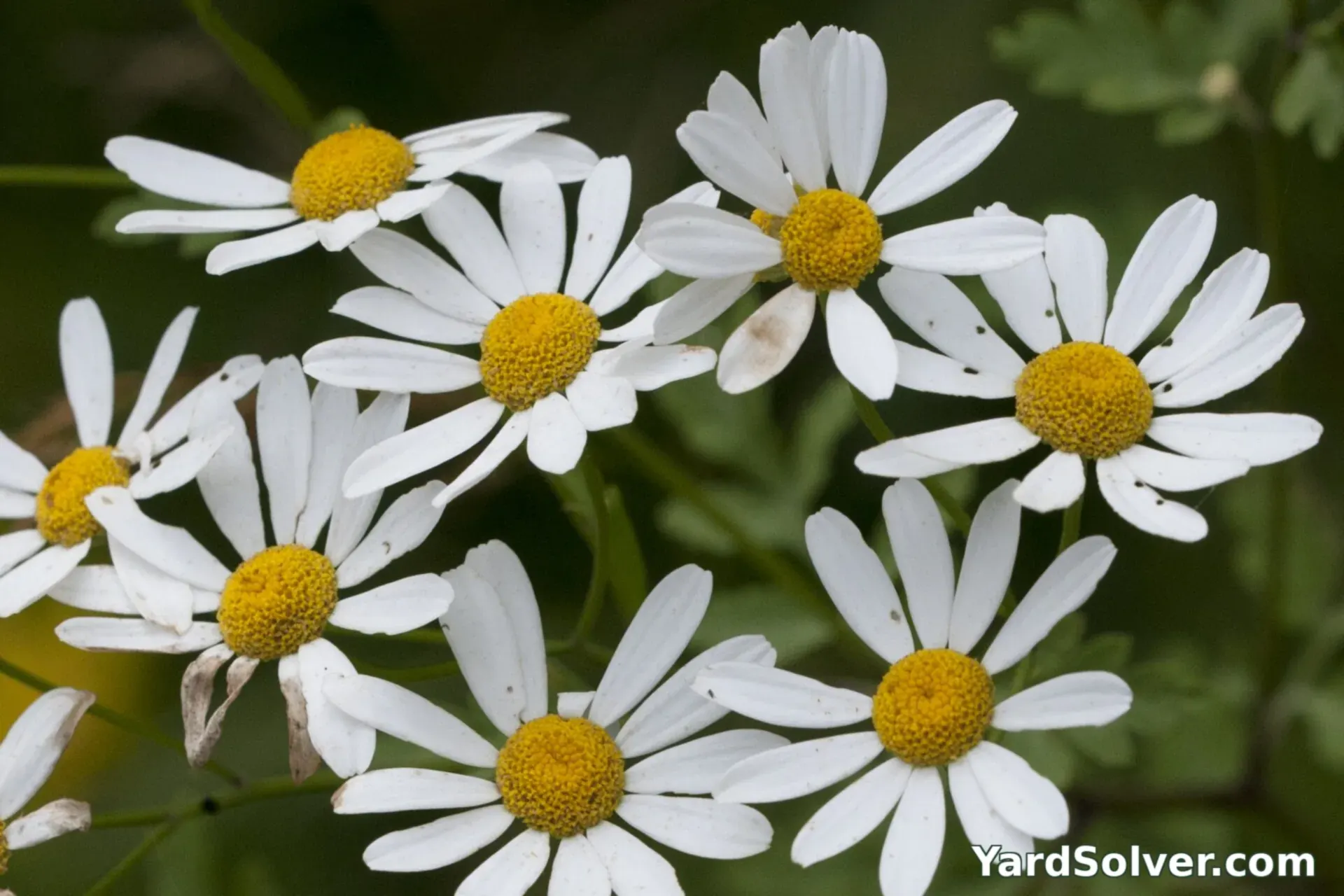
After the main flush, cut plants back by half: you get fresh leaves, sometimes a modest second flowering, and far fewer self-sown babies. Plants tire after 2–3 years — let a seedling take over and compost the old plant.
- Seedlings everywhere — deadhead most stems; keep one plant for seed.
- Aphids under leaves — feverfew draws them in early summer; the hoverflies it also draws usually finish the job.
- Strong smell when handled — the foliage is pungent and can irritate skin; wear gloves for big cut-backs.
Step 6 — Harvest
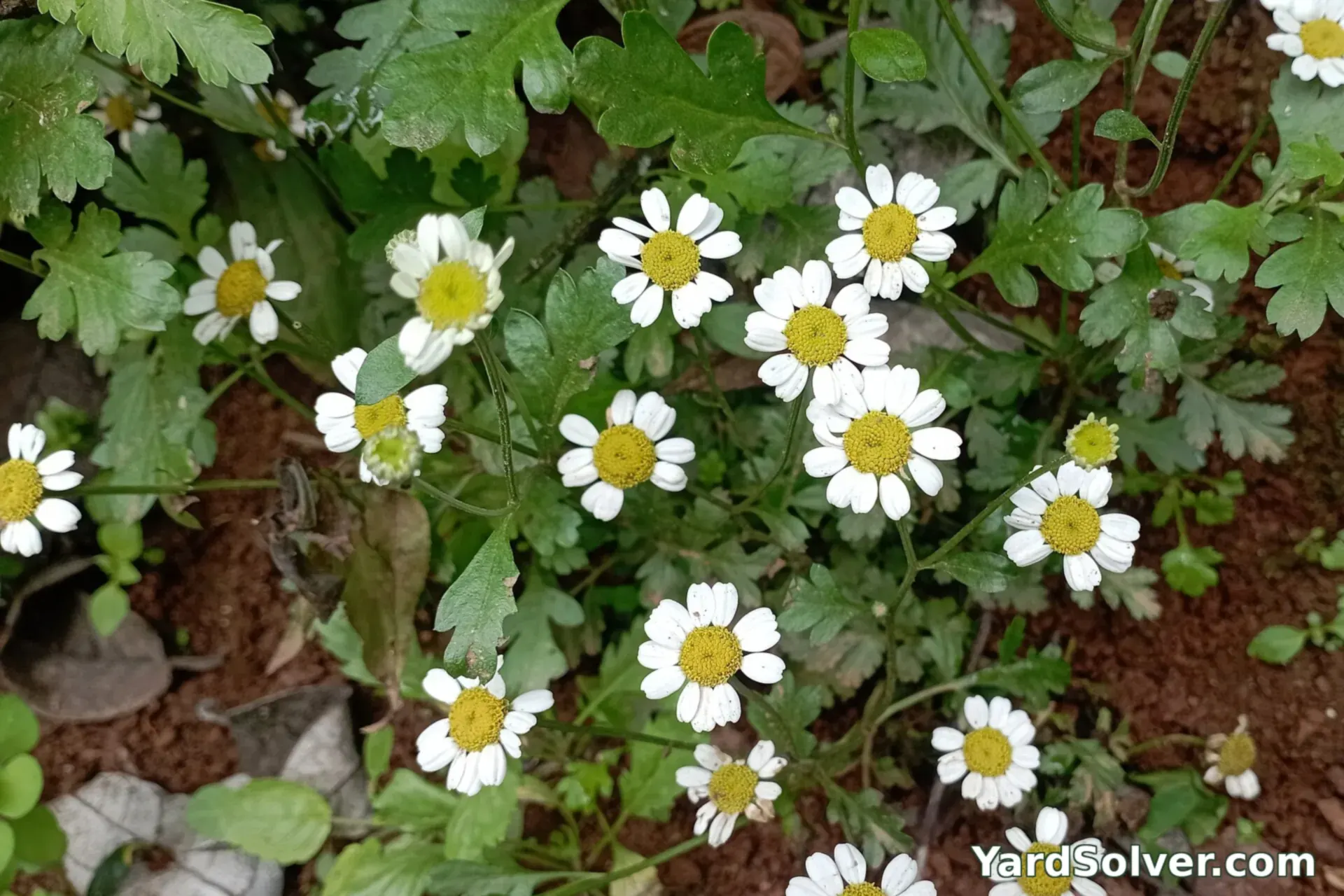
For the vase, cut stems when the daisies are fully open — feverfew is a generous, long-lasting cut flower that fills arrangements like gypsophila. Leaves for traditional use are picked before flowering and dried quickly in shade. Leave the last flowers of summer standing if you want next year's seedlings; collect a pinch of seed if you'd rather choose where it grows.
📅 Your personal Feverfew schedule
Counted from your planting day — not a generic calendar. Day 0 is the day the seed went in the ground or the young plant went out.
Varieties worth growing
| Variety | Colour | Why gardeners like it |
|---|---|---|
| Aureum | Golden-chartreuse leaves | Golden feverfew — the foliage lights up shady corners even before it flowers. |
| White Wonder | Double white pompons | Extra-full double flowers — the prettiest for cutting. |
| Snowball | Compact, double white | A dwarf double form that stays neat in pots and front borders. |
Good for you — and take care
Benefits
- Weeks of daisy clouds that cut beautifully for the vase.
- Draws hoverflies and lacewings — quiet pest patrol for the whole border.
- Self-sows forever and tolerates drought and poor soil.
Take care
- A genuine medicinal herb — not for pregnancy or use with blood-thinners; fresh leaves can cause mouth ulcers.
- Foliage can irritate skin; wear gloves for big jobs.
- Deadhead unless you want its enthusiastic self-sowing.
A little history — and one good fact
Feverfew's name tells its old job — from the Latin febrifugia, 'fever-chaser'. Greek and Roman physicians prescribed it, medieval gardens kept it by the door, and in the 1970s its reputation for easing migraines brought it back into herb gardens everywhere.
Fun fact: A famous 1980s study began with a Welsh miner's wife whose self-treated migraines drew doctors' attention to feverfew — the herb's modern fame started with her garden plant.
Keep going
Guides: Companion planting basics · Pollinator garden guide · How to dry herbs
Calculators: Plant Spacing Calculator · Garden Mix Calculator · Fertilizer Calculator
More herbs: Chamomile · Echinacea · Calendula · Yarrow
← Back to the Plant Library · Get your personal planting dates
Questions people ask
Is feverfew a perennial?
Yes — a short-lived one, hardy in zones 5–9. Individual plants tire after two or three years, but feverfew self-sows so freely that the planting effectively renews itself.
Can I take feverfew for migraines?
Feverfew has real clinical research behind it for migraine prevention, but it is a medicine with interactions — it should not be used in pregnancy or alongside blood-thinning drugs. Talk to your doctor rather than self-prescribing from the garden.
How do I stop feverfew taking over?
Deadhead most flower stems before the seed ripens and hoe out volunteers while they're small. Keep just one plant seeding if you want replacements for tired clumps.