
Plant Library · Herbs
🌼 How to Grow Yarrow
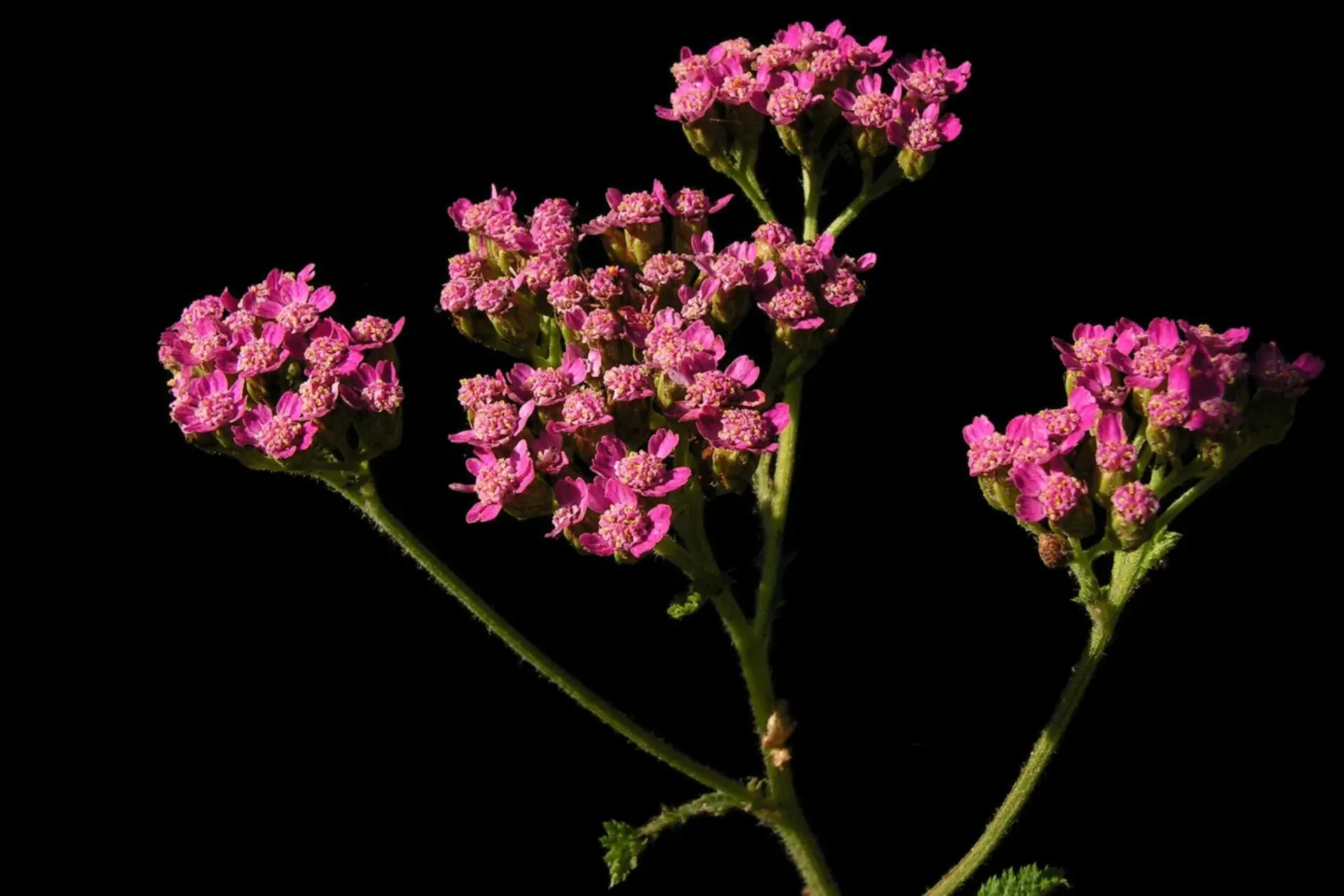
Achilles' wound herb — a feathery, drought-proof perennial that feeds more insects than almost any plant you can grow. Yarrow (Achillea millefolium) has followed humans around the world: a traditional wound and fever herb, a compost activator, and flat white flower heads that serve as landing pads for hoverflies, lacewings and tiny parasitic wasps all summer. Plant it in your poorest, driest corner and watch it thrive on neglect.
Grow Yarrow with us — step by step
Everything for this plant is written step by step below — what to do, and exactly when. Read it through first if you like: you can grow it entirely on your own with that guide. Or start with us here — tell us your planting day and we lay out your personal schedule on this page, every next step on its own day, counted from your planting date. No guessing, no forgetting.
Step 1 — today: Surface-sow yarrow seed indoors under light — it sprouts in a week or two — or divide a clump from a friend's garden.
Yarrow at a glance
Sow indoors: 6–8 weeks before last frost
Move outside: 1 week after last frost
Sow outdoors: At last frost
Spacing · Seed depth: 18 in apart · barely cover — seed needs light
Sun: Full sun
Water: Low — among the most drought-tolerant herbs there are
Harvest: Leaves and flower heads through summer
Timing counts from your average last spring frost — get your own dates in the Planting Calendar. Guidance follows standard extension-service practice for Canada and the US.
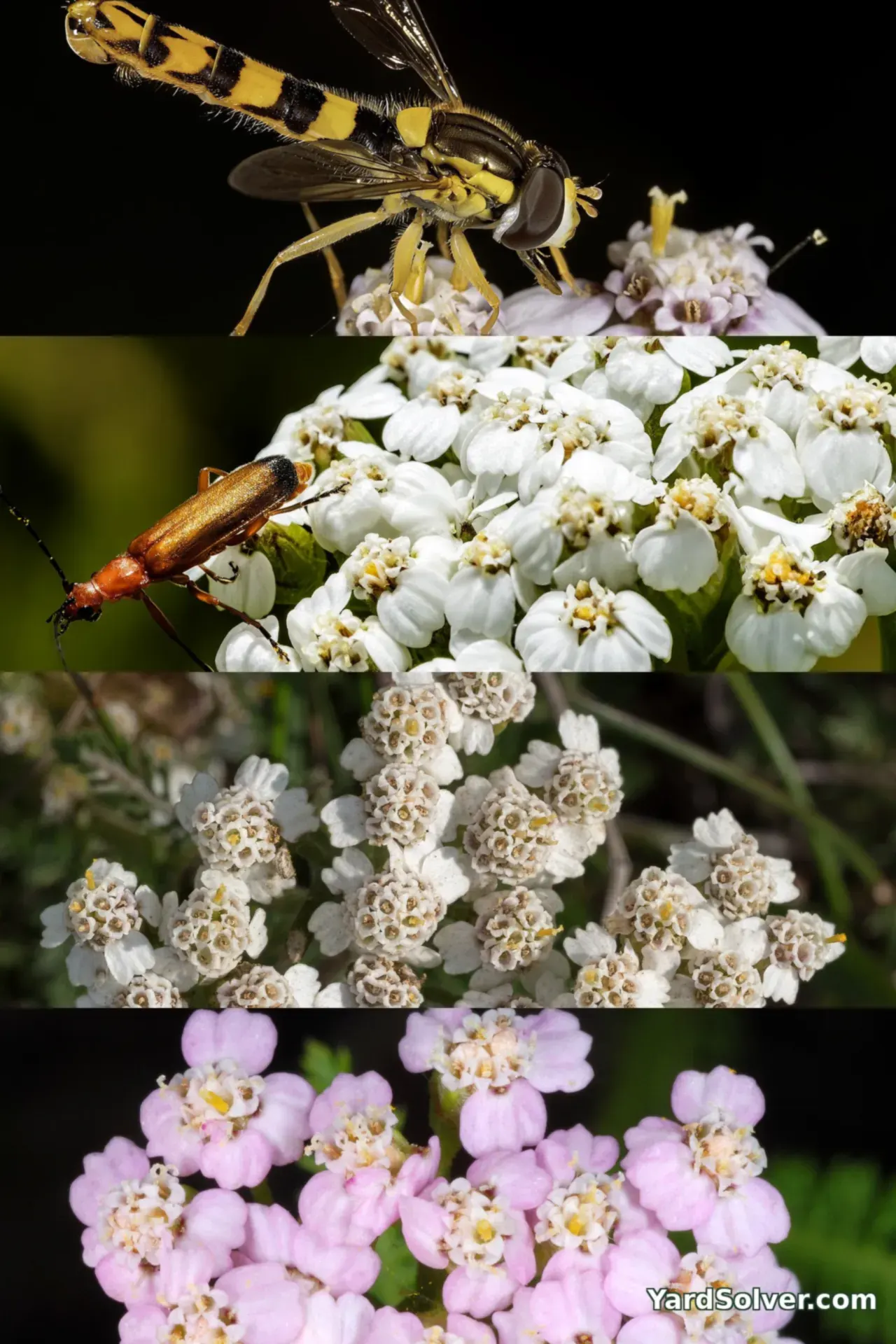
How to plant and grow yarrow, step by step
Step 1 — Time it right
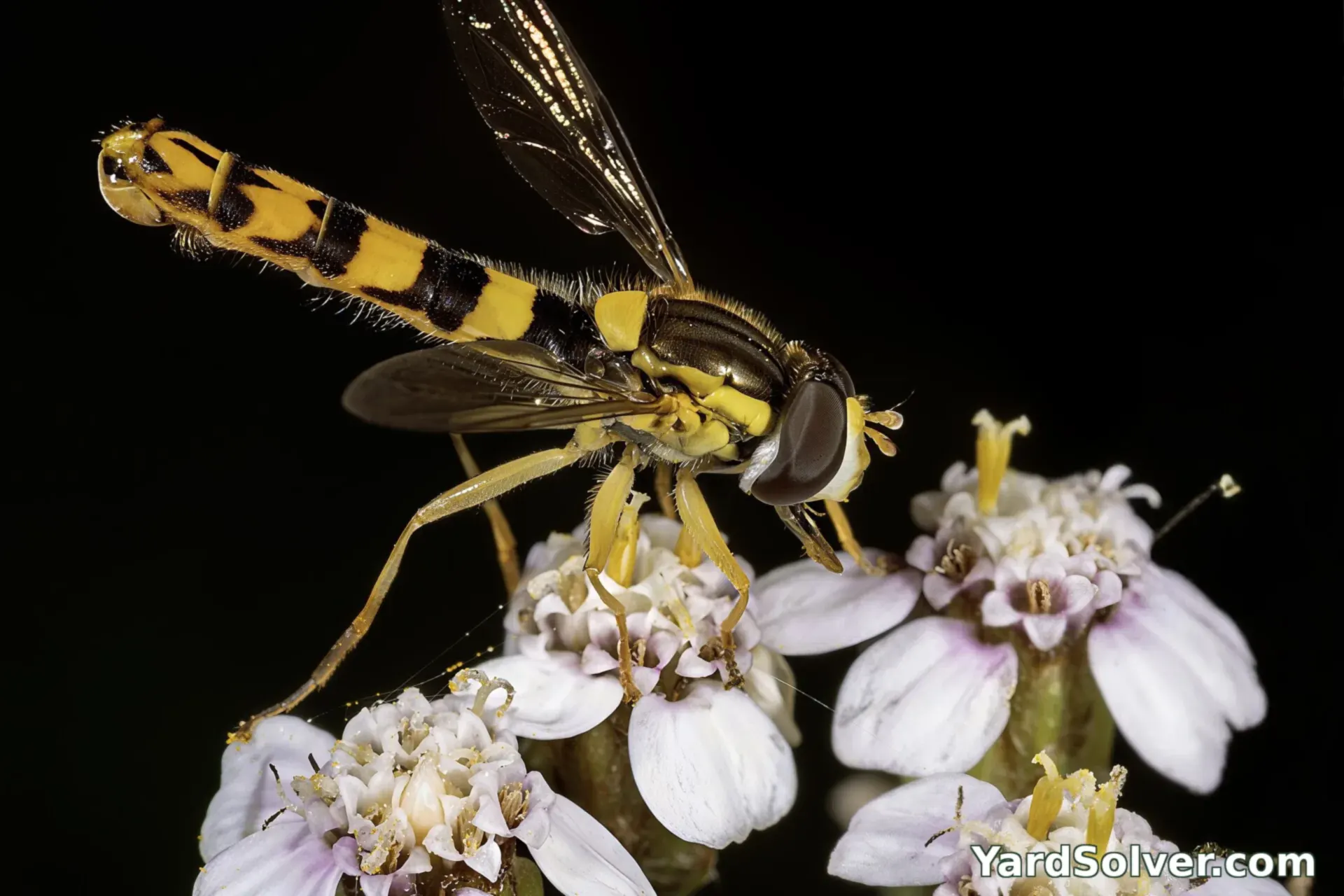
Sow indoors: 6–8 weeks before last frost; Move outside: 1 week after last frost; Sow outdoors: at last frost. All dates count from your average last spring frost — the Planting Calendar turns them into real dates for your garden. Yarrow is a hardy perennial (zones 3–9) that germinates in 7–14 days from surface-sown seed at room temperature, and flowers lightly even in its first year. Named garden varieties (the coloured ones) don't come true from seed — divide those instead. Wild white yarrow from seed is the herb-garden original, and the form wildlife loves most.
Step 2 — Prepare the spot
Yarrow's requirements read like a list of insults: poor soil, sharp drainage, full sun, no food, no water. Rich, pampered ground produces tall, floppy plants that collapse over their neighbours. Gravel gardens, dry banks, hell strips beside driveways — yarrow turns the garden's problem spots into insect habitat. For a raised bed, the Raised Bed Soil Calculator counts the bags for you; mixing your own? The Garden Soil Calculator gives the compost-rich split to aim for.
Step 3 — Sow and plant out
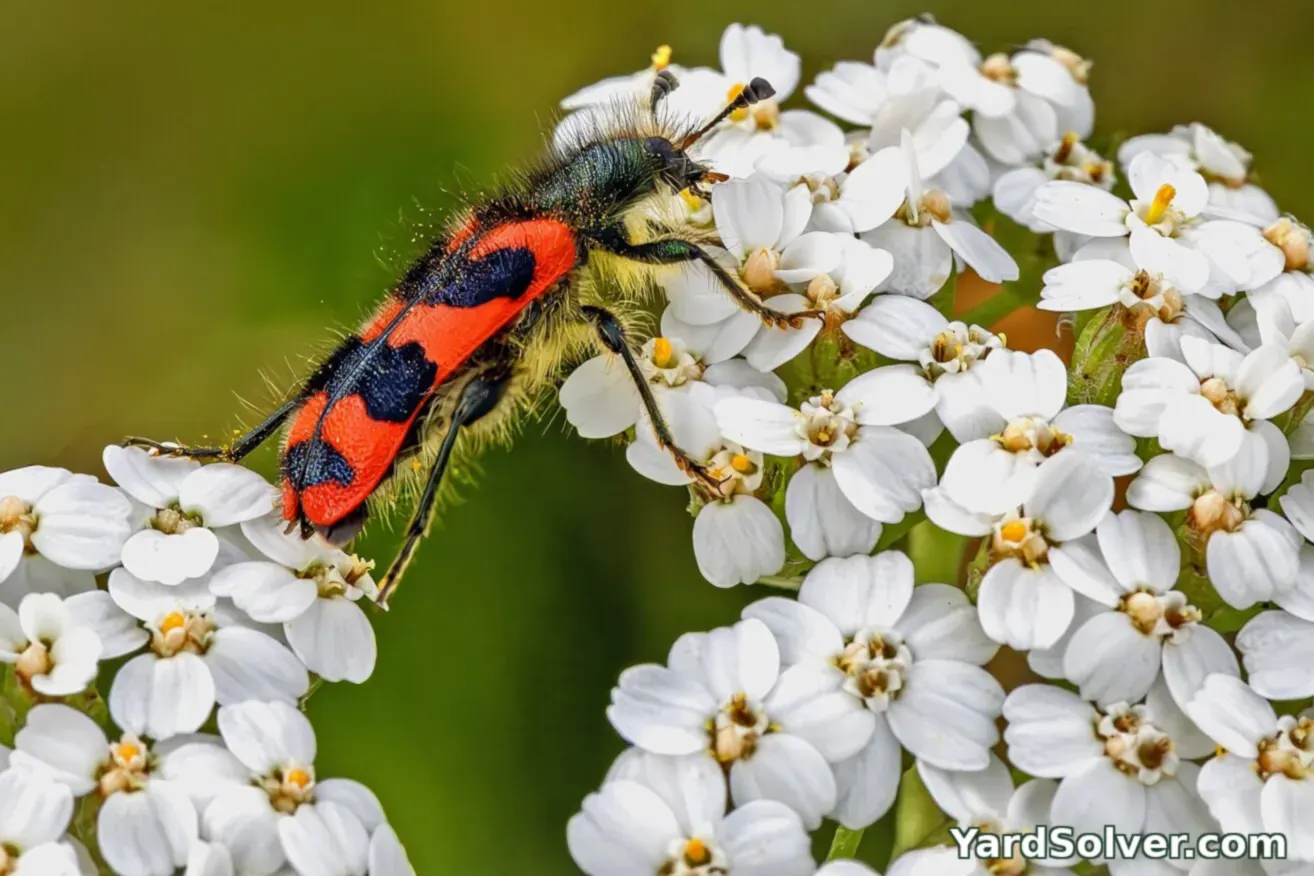
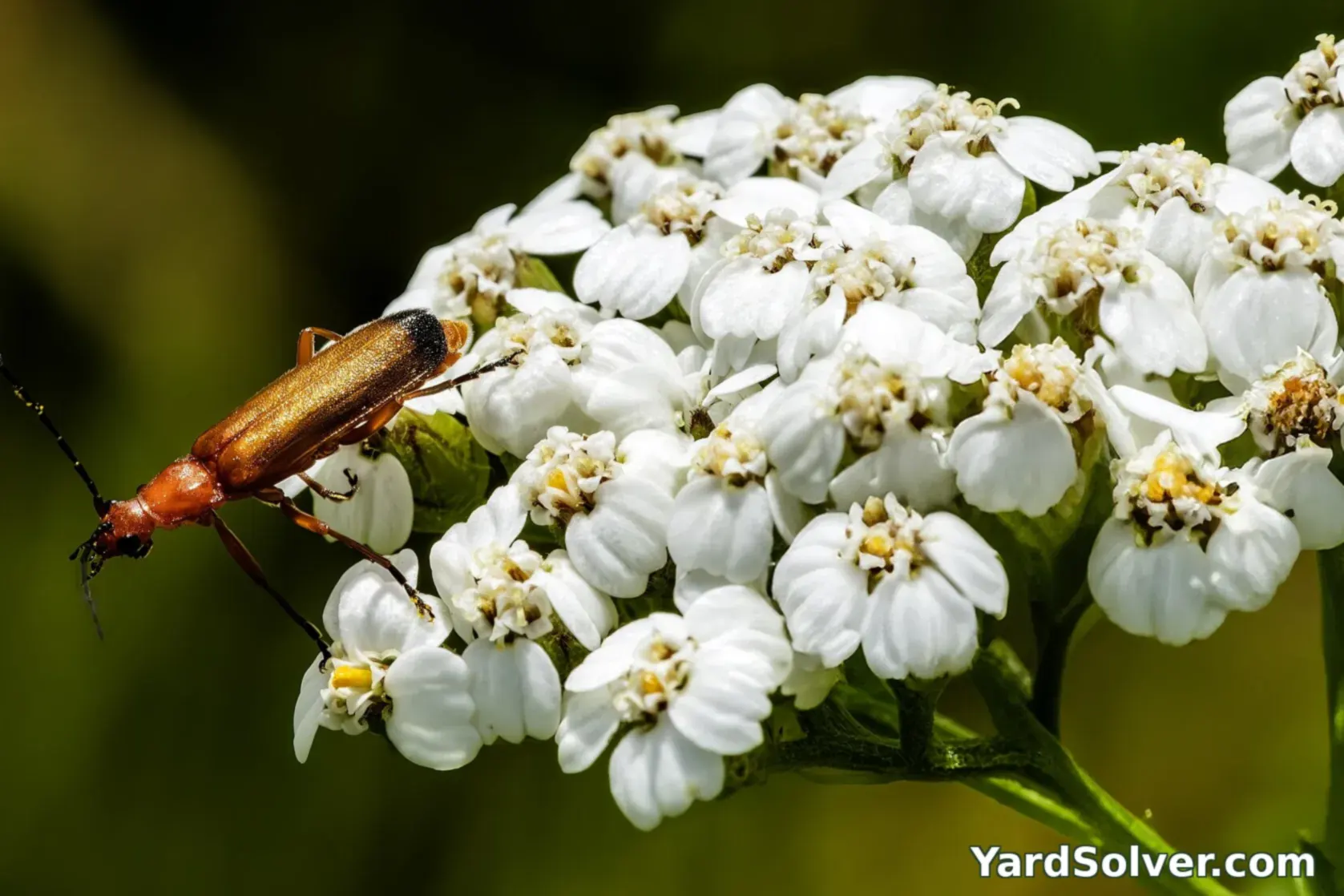
Set plants 18 in apart; a clump spreads by short rhizomes into a wide mat over a few years. The Plant Spacing Calculator turns your bed size into an exact plant count. Good neighbours: yarrow is the companion-planting champion for pest control — those flat flower heads feed the hoverflies and parasitic wasps that keep aphids down across the whole vegetable garden, and tradition pairs it with everything from cabbage to herbs.
Step 4 — Water and feed
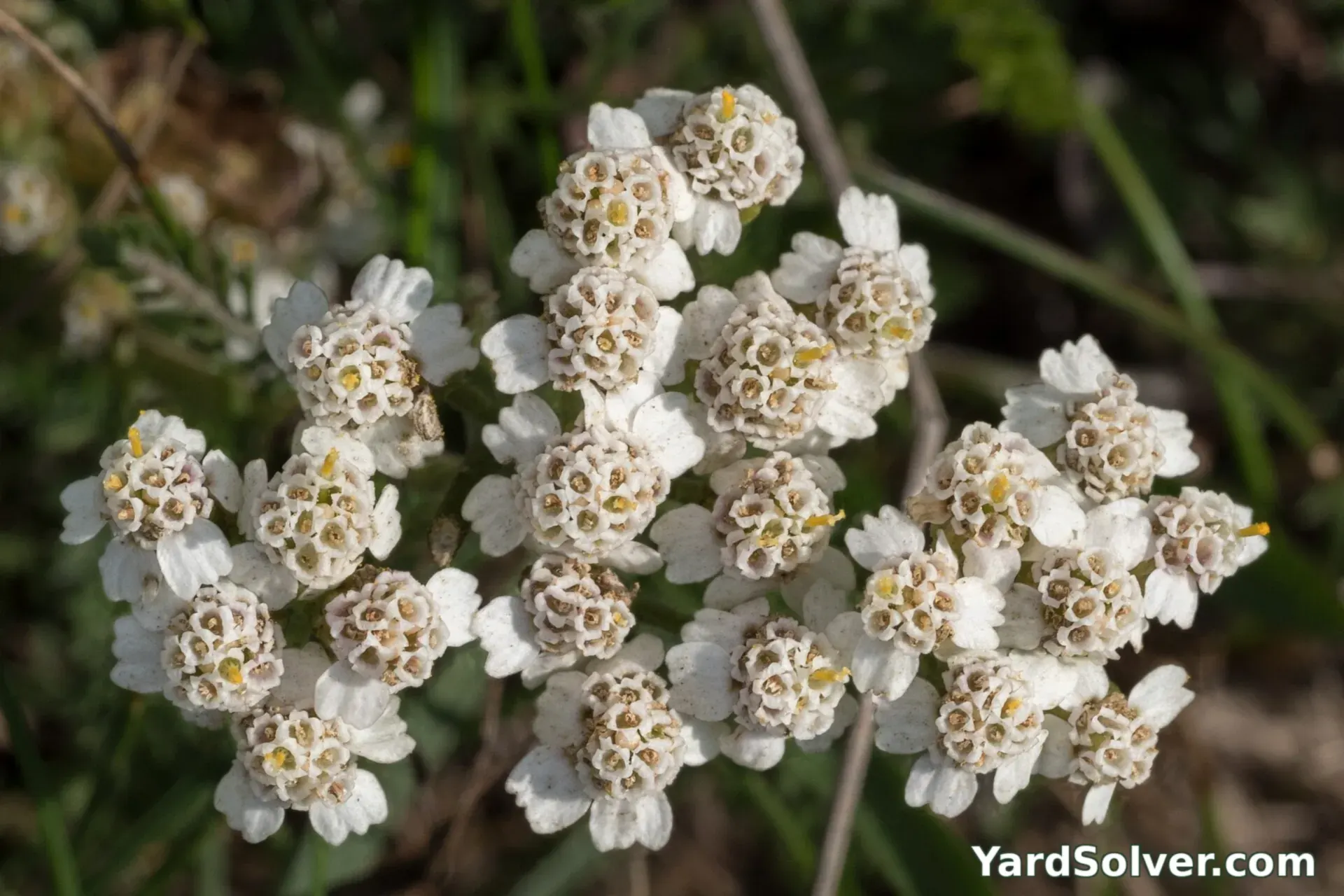
Water transplants until they root in, then leave yarrow entirely alone — it is among the most drought-tolerant plants in the garden. Feeding is not merely unnecessary but harmful to its posture: lean soil keeps it compact and upright. If leaves yellow on pure sand, the lightest spring feed is the absolute limit — the Fertilizer Calculator turns your bed size into exact amounts.
Step 5 — Care and the problems to watch for
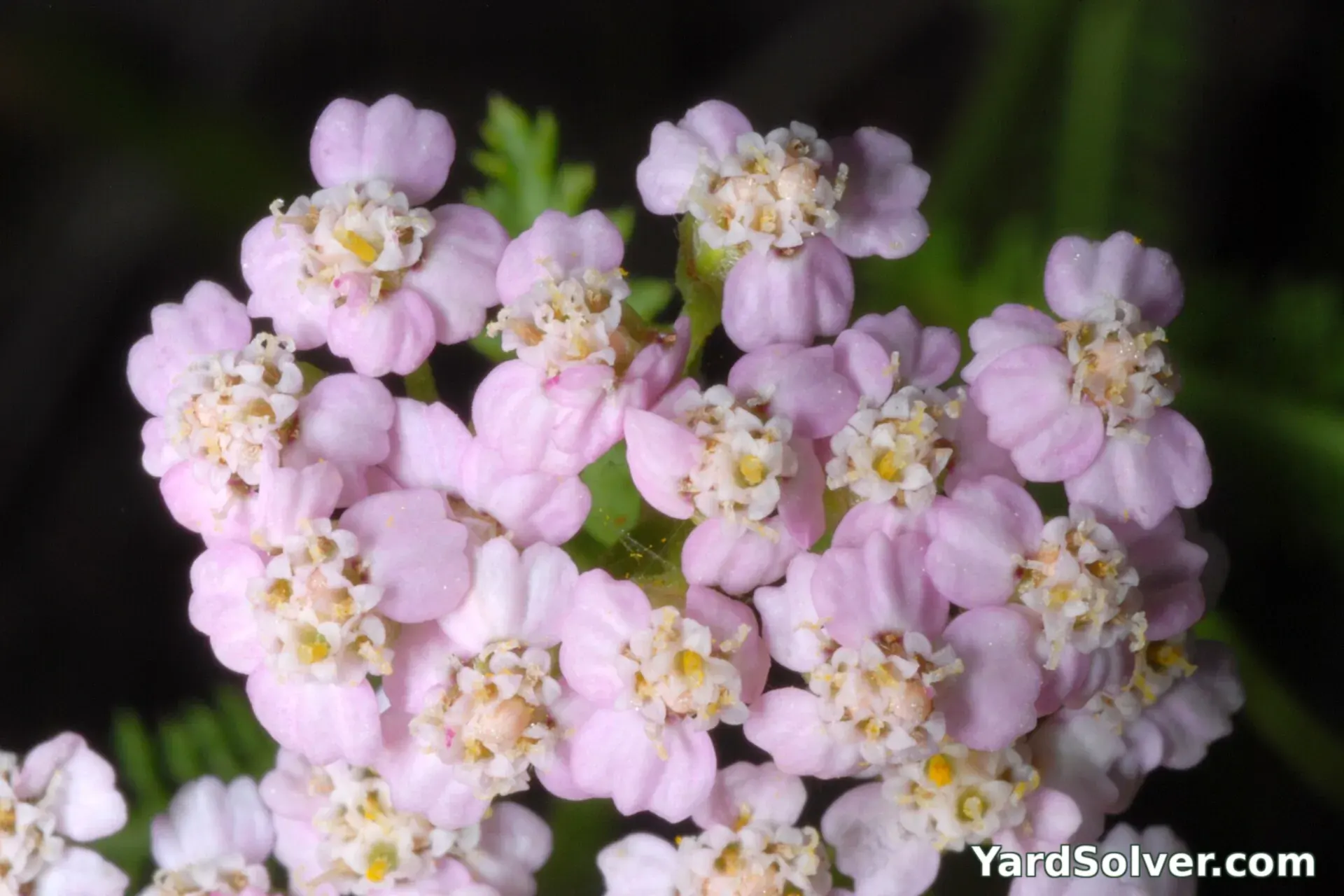
Deadhead the first flush and yarrow often flowers again in late summer. Divide spreading clumps every 3–4 years in spring to keep them where they belong.
- Flopping stems — soil too rich or too much shade; move a division somewhere meaner.
- Spreading into neighbours — it's a gentle rhizome spreader; edge it or lift and divide yearly.
- Skin irritation — a few people find the foliage irritating in hot sun; gloves for big cut-backs.
Step 6 — Harvest
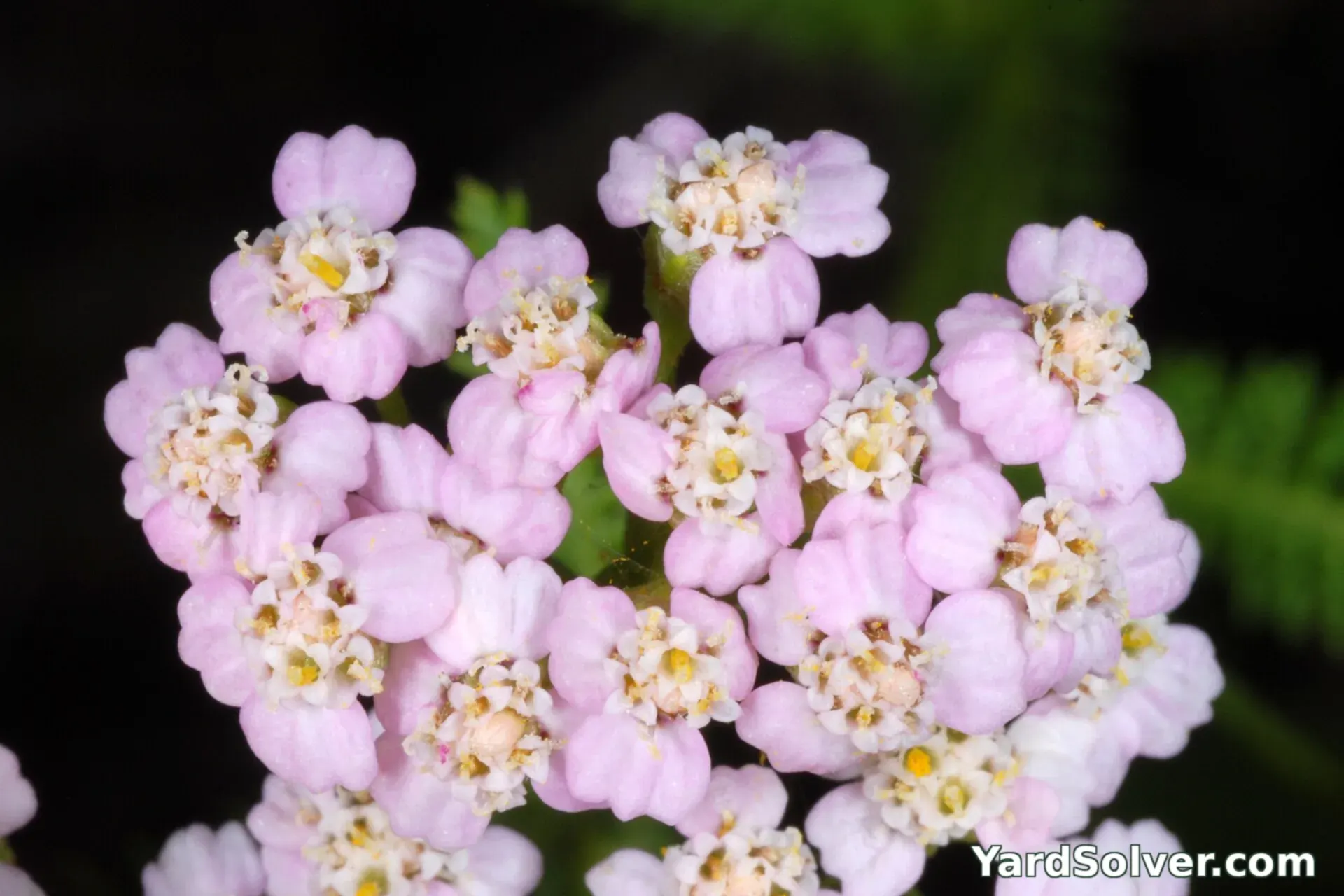
Pick leaves any time through the season (a few torn leaves are the traditional gardener's plaster for a nicked finger — rinse first). Cut flower heads when fully open and flat for drying: they keep their shape and colour for dried arrangements and traditional teas. A chopped handful of leaves also speeds a compost heap noticeably — yarrow is a listed biodynamic activator herb, and composters have used it that way for a century.
📅 Your personal Yarrow schedule
Counted from your planting day — not a generic calendar. Day 0 is the day the seed went in the ground or the young plant went out.
Varieties worth growing
| Variety | Colour | Why gardeners like it |
|---|---|---|
| Common yarrow | White heads, ferny leaves | Achillea millefolium — the wild herb itself; the wildlife favourite and the herbalist's plant. |
| Cerise Queen | Cherry-pink heads | A long-loved garden variety with strong pink colour that holds in dried bunches. |
| Paprika | Dusky red with yellow centres | Warm terracotta-red heads that fade gracefully through apricot shades. |
Good for you — and take care
Benefits
- A landing pad for hoverflies, lacewings and parasitic wasps — free pest control.
- One of humanity's oldest wound herbs, with a 3,000-year pedigree.
- Thrives in the driest, poorest corner and asks for nothing.
Take care
- Daisy family — avoid medicinal use in pregnancy; can sun-sensitise skin in some people.
- Spreads by rhizome — give it an edge or divide it yearly.
- Rich soil makes it flop; grow it lean and mean.
A little history — and one good fact
Yarrow's Latin name honours Achilles, who was said to carry it to staunch his soldiers' wounds — archaeology is kinder than myth here: yarrow pollen was found in a Neanderthal burial cave, suggesting we've valued this plant for 60,000 years. It was also a divination herb — the I Ching was traditionally cast with yarrow stalks.
Fun fact: British folklore called yarrow 'soldier's woundwort' and 'nosebleed' in the same breath — it was credited with both stopping blood and starting it, depending on how it was used.
Keep going
Guides: Pollinator garden guide · Companion planting basics · How to dry herbs
Calculators: Plant Spacing Calculator · Garden Mix Calculator · Fertilizer Calculator
More herbs: Echinacea · Feverfew · Comfrey · Stinging Nettle
← Back to the Plant Library · Get your personal planting dates
Questions people ask
Is yarrow invasive?
It spreads steadily by short rhizomes and self-sows, so in a small garden it needs an edge or a yearly division. In dry, poor ground where little else competes, that same vigour is exactly why people plant it.
What is yarrow good for in the garden?
Insects, mostly: its flat flower heads are refuelling stations for hoverflies, lacewings and parasitic wasps whose young eat aphids. The leaves also speed up compost, and the dried heads are a traditional herb.
When should I harvest yarrow flowers?
Cut the heads when they are fully open and flat, on a dry morning. They dry beautifully for arrangements and traditional teas — hang small bunches in shade with good airflow.