
Plant Library · Herbs
🌸 How to Grow Echinacea
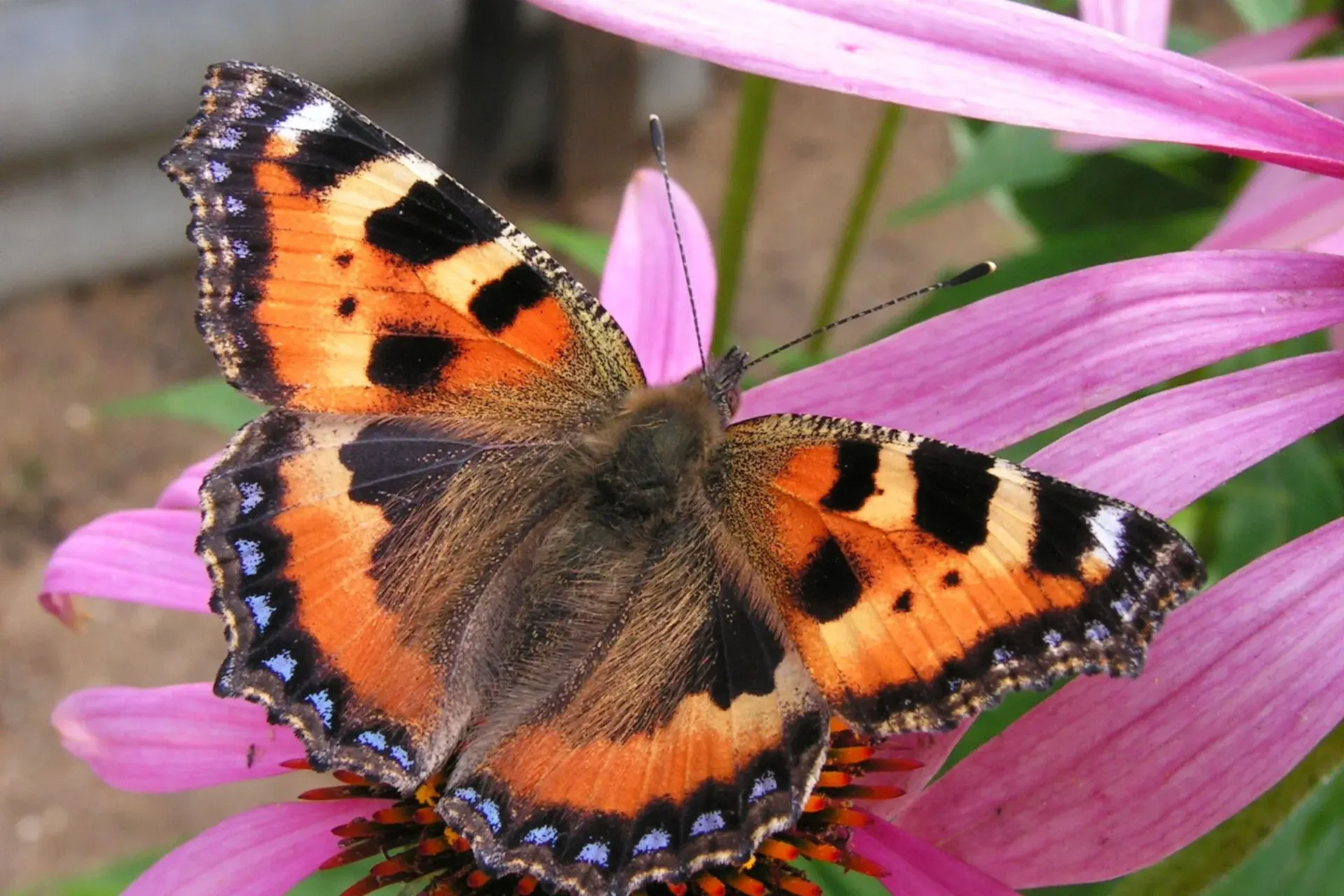
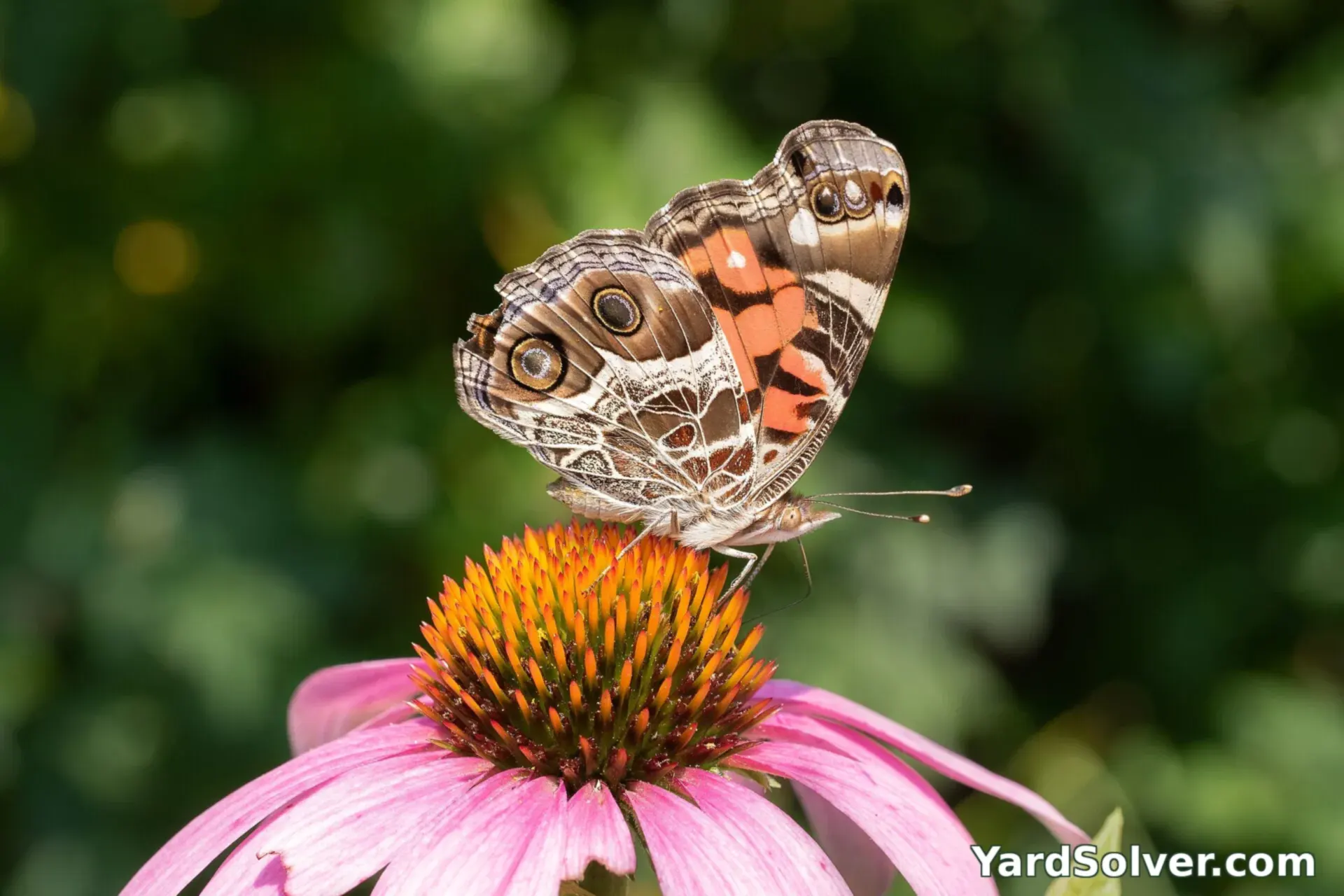
The prairie coneflower — medicine-cabinet famous, butterfly beloved, and one of the toughest perennials you can plant. Echinacea (Echinacea purpurea) asks for sun, lean soil and patience in its first year, then flowers for a decade, feeding butterflies all summer and goldfinches all winter. Sow it in spring, coddle it for one season, and it looks after itself forever after.
Grow Echinacea with us — step by step
Everything for this plant is written step by step below — what to do, and exactly when. Read it through first if you like: you can grow it entirely on your own with that guide. Or start with us here — tell us your planting day and we lay out your personal schedule on this page, every next step on its own day, counted from your planting date. No guessing, no forgetting.
Step 1 — today: Chill echinacea seed in the fridge for 3–4 weeks, then sow it thinly in deep pots indoors — seedlings build a taproot early.
Echinacea at a glance
Sow indoors: 8–10 weeks before last frost — seed likes a cold spell first
Move outside: 1 week after last frost
Sow outdoors: In autumn, so winter cold wakes the seed
Spacing · Seed depth: 18 in apart · 1/4 in deep
Sun: Full sun
Water: Moderate the first year; drought-tolerant after
Harvest: Flowers in summer; roots in autumn of year 3–4
Timing counts from your average last spring frost — get your own dates in the Planting Calendar. Guidance follows standard extension-service practice for Canada and the US.
How to plant and grow echinacea, step by step
Step 1 — Time it right
Sow indoors: 8–10 weeks before last frost, after chilling the seed; Move outside: 1 week after last frost; Sow outdoors: in autumn, letting winter do the chilling. All dates count from your average last spring frost — the Planting Calendar turns them into real dates for your garden. Echinacea seed germinates far better after cold stratification: 3–4 weeks in a sealed bag of damp mix in the fridge, then sow at warm room temperature and expect sprouts in 10–20 days. Autumn sowing outdoors achieves the same thing for free. Plants bloom lightly (if at all) in year one — the root is the year's real work — and flower fully from year two.
Step 2 — Prepare the spot
Echinacea is a North American prairie native — it evolved on lean, open ground and dislikes pampering. Average soil in full sun is perfect; rich, heavily manured ground makes soft growth that flops. The killer is winter wet on heavy clay: fork in grit or plant on a slope or raised bed. For a raised bed, the Raised Bed Soil Calculator counts the bags for you; mixing your own? The Garden Soil Calculator gives the compost-rich split to aim for.
Step 3 — Sow and plant out
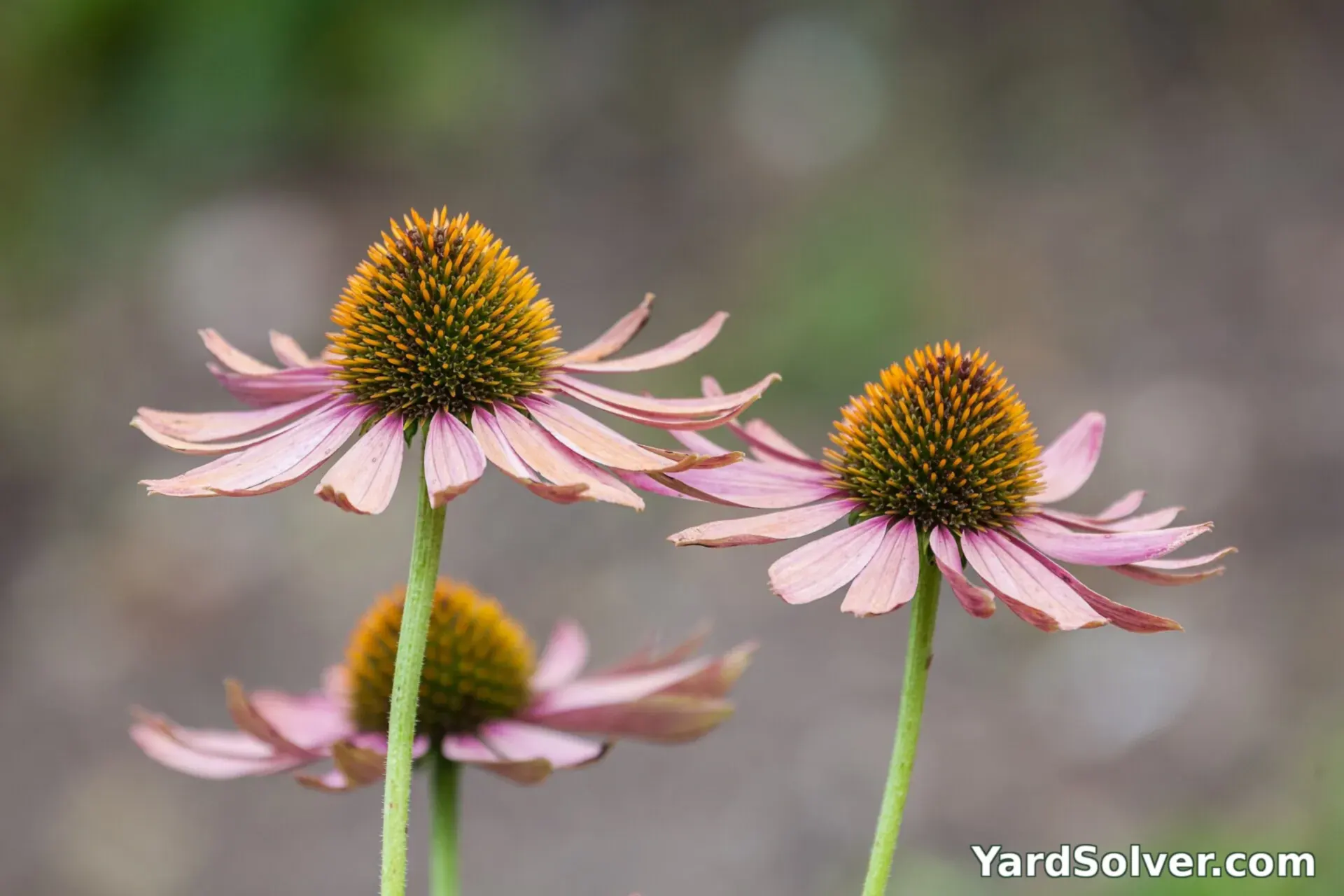
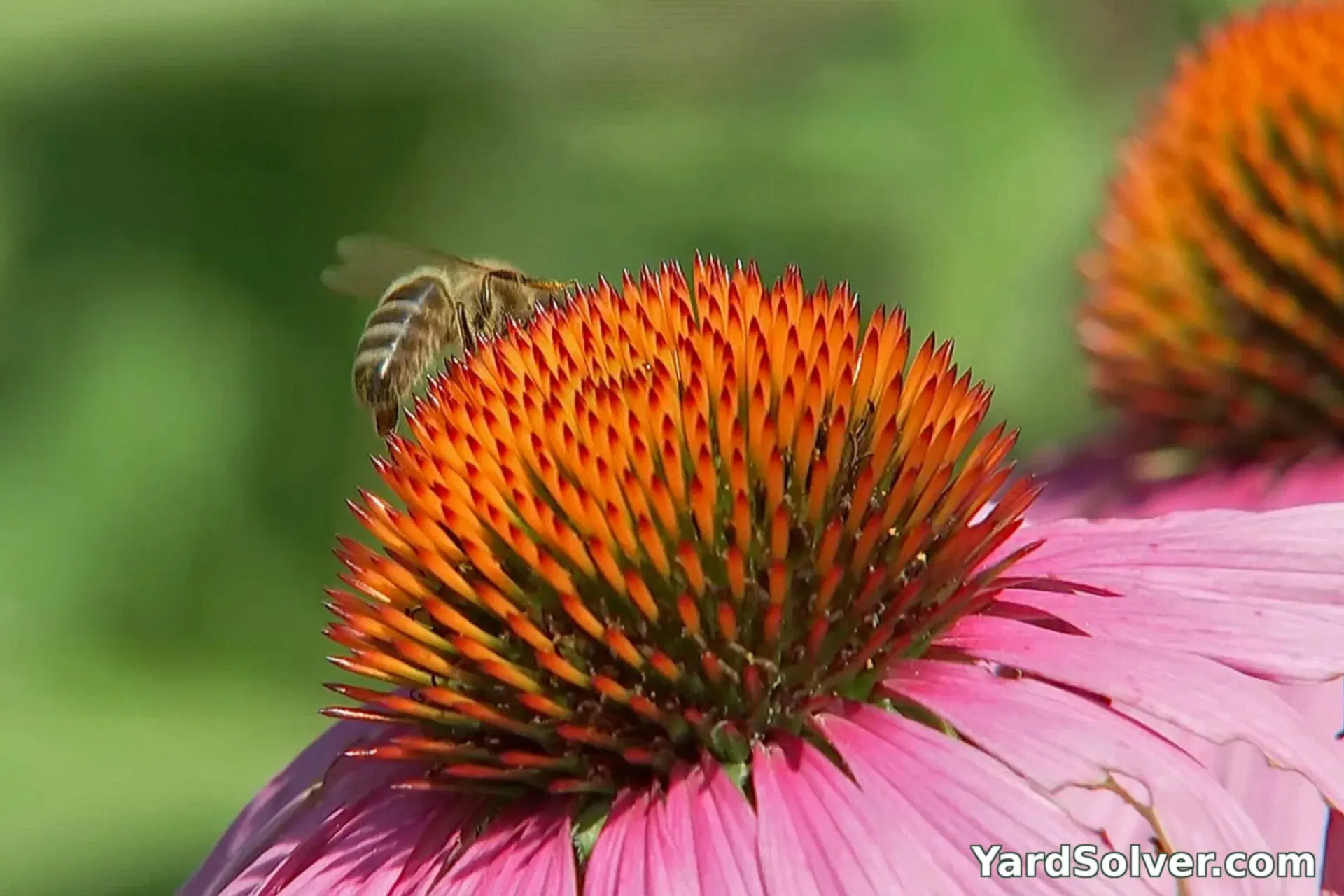
Set plants 18 in apart, at the same depth as their pots, and water in. The Plant Spacing Calculator turns your bed size into an exact plant count. Good neighbours: echinacea flowers alongside the whole summer vegetable garden, pulling butterflies and bees across your tomatoes and peppers, and it partners beautifully with black-eyed Susans in a prairie border.
Step 4 — Water and feed
Water through the first summer whenever the soil dries deeply — the taproot is still travelling. From year two, echinacea is genuinely drought-tolerant and nearly never needs watering or feeding. If growth is weak on very poor soil, one light spring feed is the most it wants — the Fertilizer Calculator turns your bed size into exact amounts.
Step 5 — Care and the problems to watch for
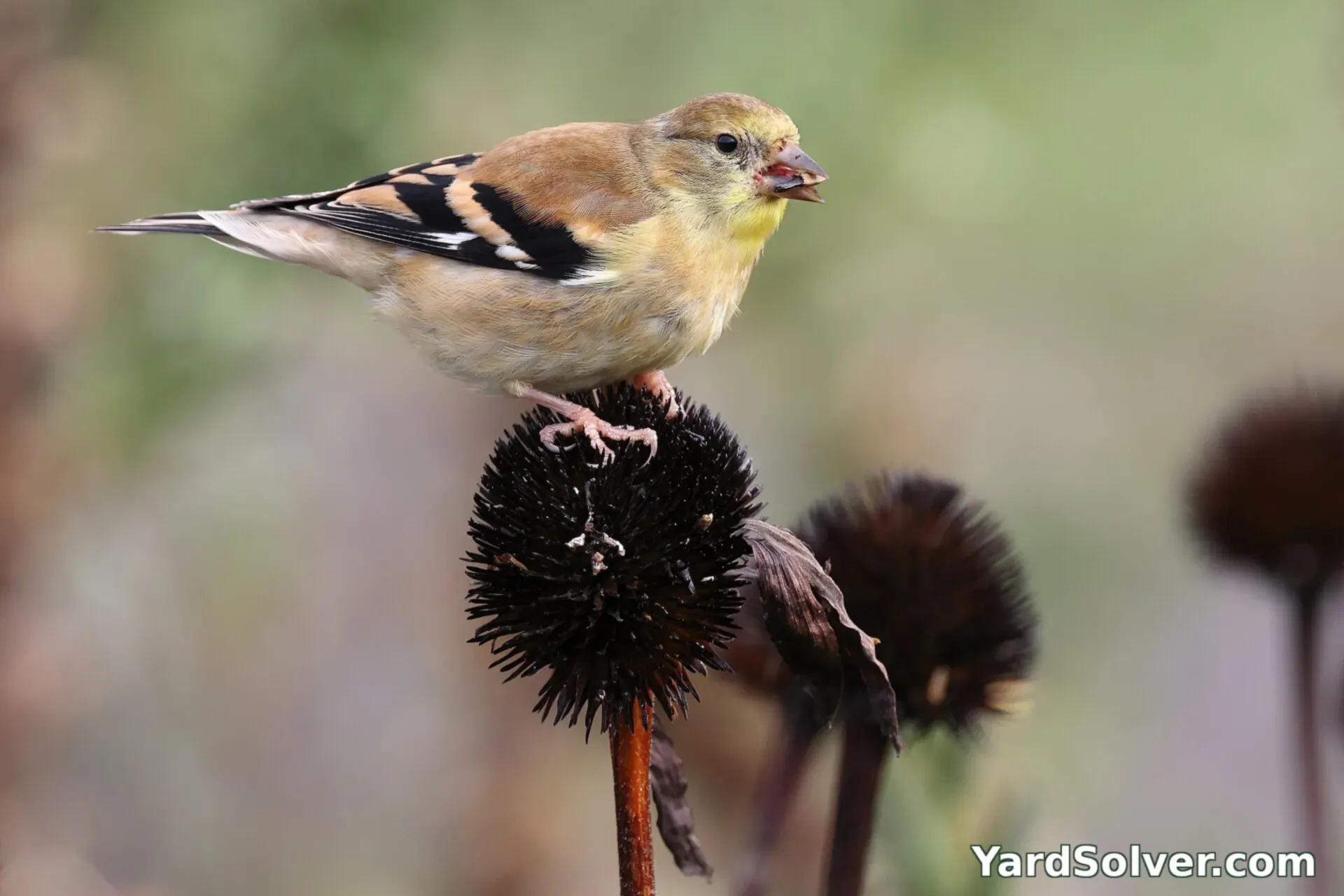
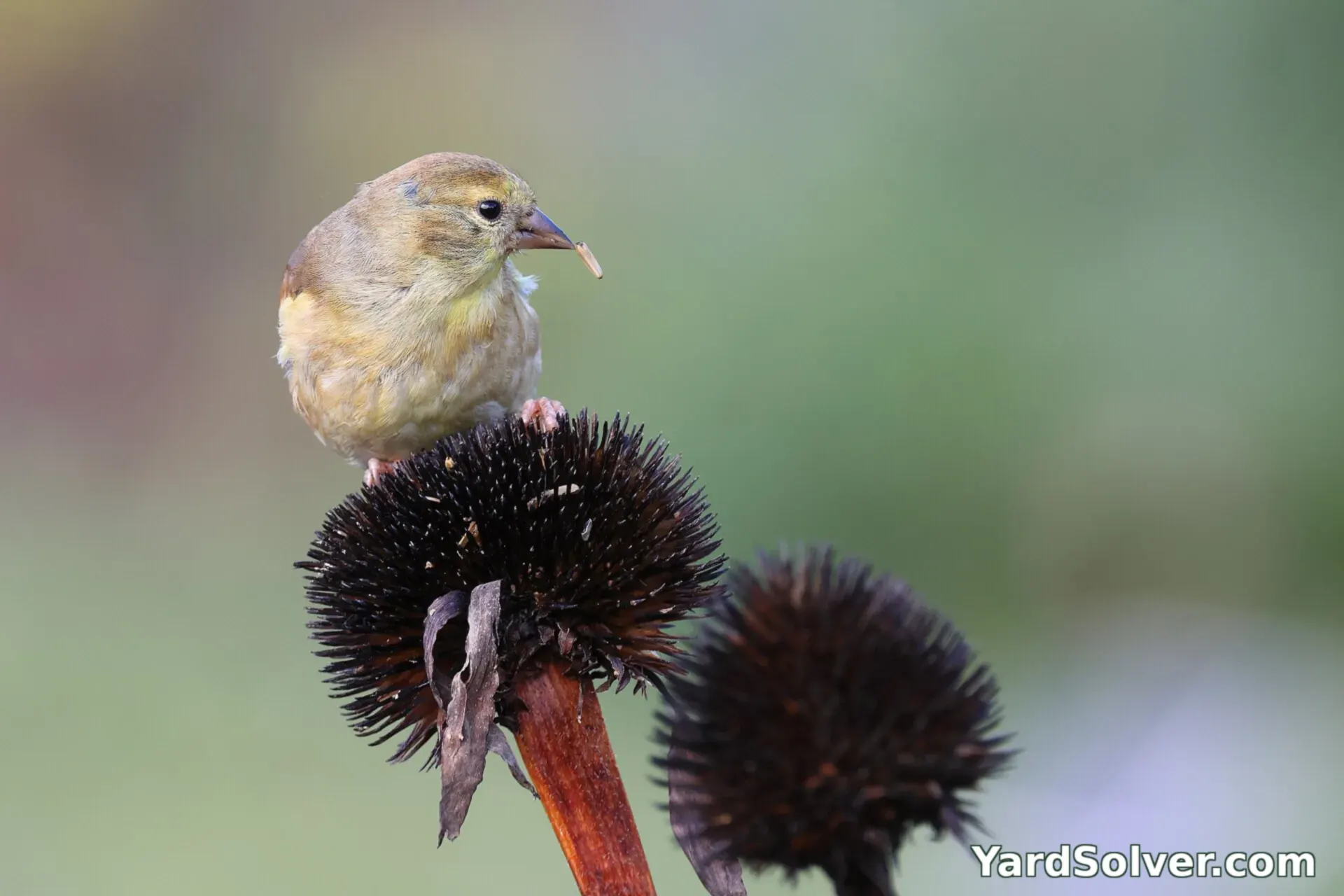
Deadhead the first flush for a longer show, then let late flowers stand: the spiky cones are winter bird feeders and handsome in frost. Divide clumps every 4 years in spring if the centre dies out.
- Aster yellows — distorted, greenish flowers spread by leafhoppers; remove and destroy infected plants (do not compost them).
- Blackened cone centres — usually just age and weather; true disease shows streaked, stunted growth.
- Flopping on rich soil — grow it leaner; a Chelsea-chop (cutting back by a third in late spring) also firms it up.
Step 6 — Harvest
For the vase or the herb shelf, cut flowers as they fully open. Traditional herbal use takes the whole plant: flowers and leaves in summer, and the root in autumn of the third or fourth year, when its strength peaks — dig one clump in rotation, wash and chop the roots, and dry or tincture them promptly. Most gardeners, honestly, harvest echinacea with their eyes and leave the medicine to the finches.
📅 Your personal Echinacea schedule
Counted from your planting day — not a generic calendar. Day 0 is the day the seed went in the ground or the young plant went out.
Varieties worth growing
| Variety | Colour | Why gardeners like it |
|---|---|---|
| Magnus | Deep rose-pink, flat petals | The classic award-winner — big flowers held level, superb for butterflies. |
| White Swan | White with gold cones | A graceful white form that lights up evening borders. |
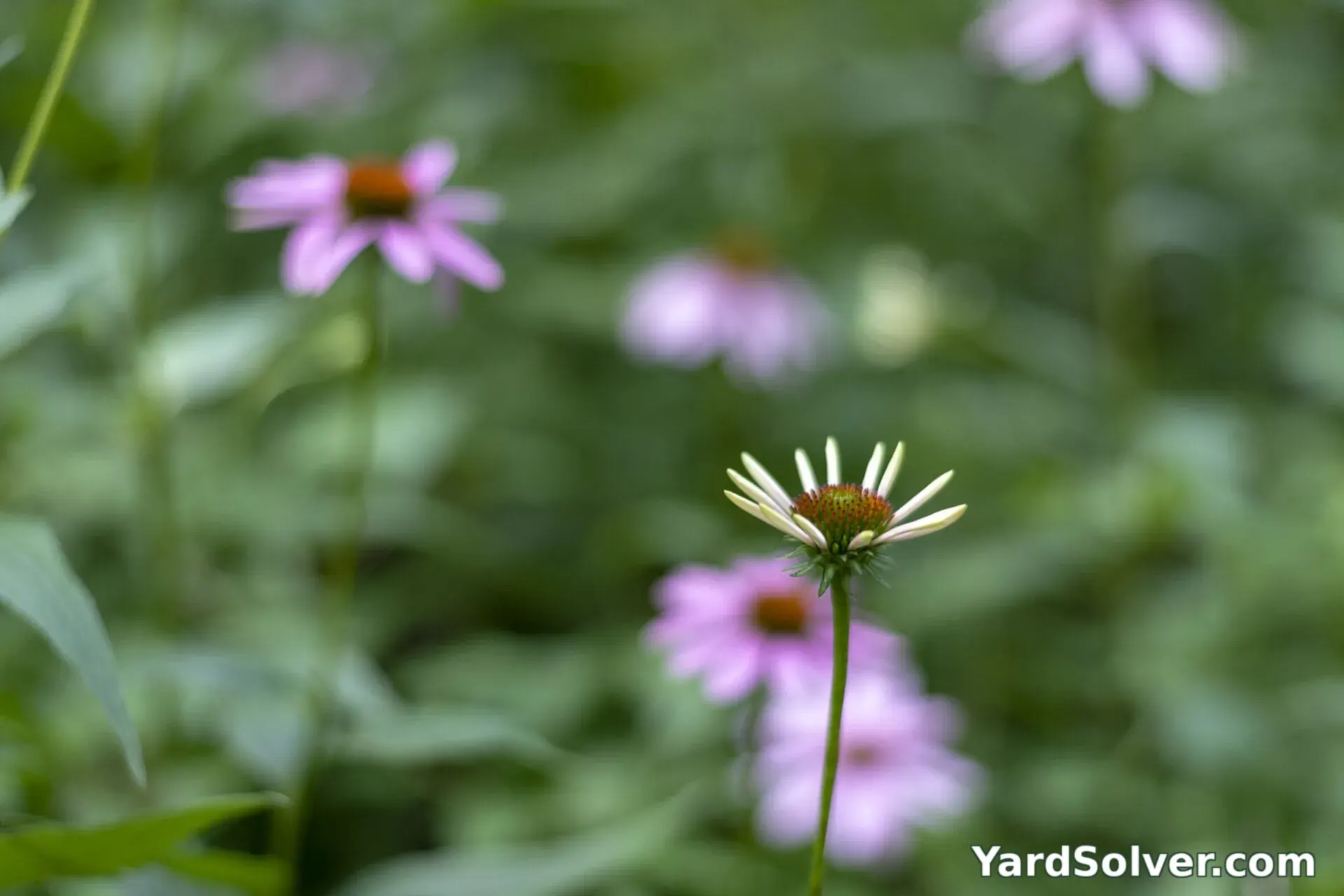
| Green Twister | Green-to-pink petals | A novelty with green-edged petals that flush pink as they age — pollinators approve. |
Good for you — and take care
Benefits
- Months of nectar for butterflies and bees, then seed for goldfinches.
- One of the most famous traditional immune-support herbs in the world.
- Near-indestructible once settled — drought, cold and lean soil all tolerated.
Take care
- Daisy family — ragweed-allergic gardeners should be careful with supplements.
- Winter wet kills it on heavy clay; plant with drainage.
- Remove aster-yellows-infected plants promptly — there is no cure.
A little history — and one good fact
Echinacea was the great remedy of the Plains peoples, used for everything from snakebite to toothache; settlers adopted it, and by 1900 it was America's most popular herbal medicine. It faded with antibiotics, then returned in the 1970s to become the garden perennial and supplement staple it is today.
Fun fact: The name comes from the Greek echinos — hedgehog — for the spiky cone at the flower's centre, which stays prickly in the hand long after the petals fall.
Keep going
Guides: Pollinator garden guide · Companion planting basics · How to dry herbs
Calculators: Plant Spacing Calculator · Garden Mix Calculator · Fertilizer Calculator
More herbs: Bee Balm · Anise Hyssop · Yarrow · Feverfew
← Back to the Plant Library · Get your personal planting dates
Questions people ask
Why didn't my echinacea flower the first year?
That is normal — first-year plants invest in the taproot and a leaf rosette. From the second summer they flower strongly, and an established clump blooms for weeks.
Does echinacea need cold treatment to germinate?
It germinates far more reliably after 3–4 weeks of cold, moist stratification. Either chill the seed in the fridge before spring sowing, or sow outdoors in autumn and let winter do it.
Should I cut echinacea back in autumn?
Leave the seed heads standing — goldfinches feed on them through winter and the cones look beautiful in frost. Cut the old stems down in early spring as new growth shows.