
Plant Library · Herbs
🍃 How to Grow Mint
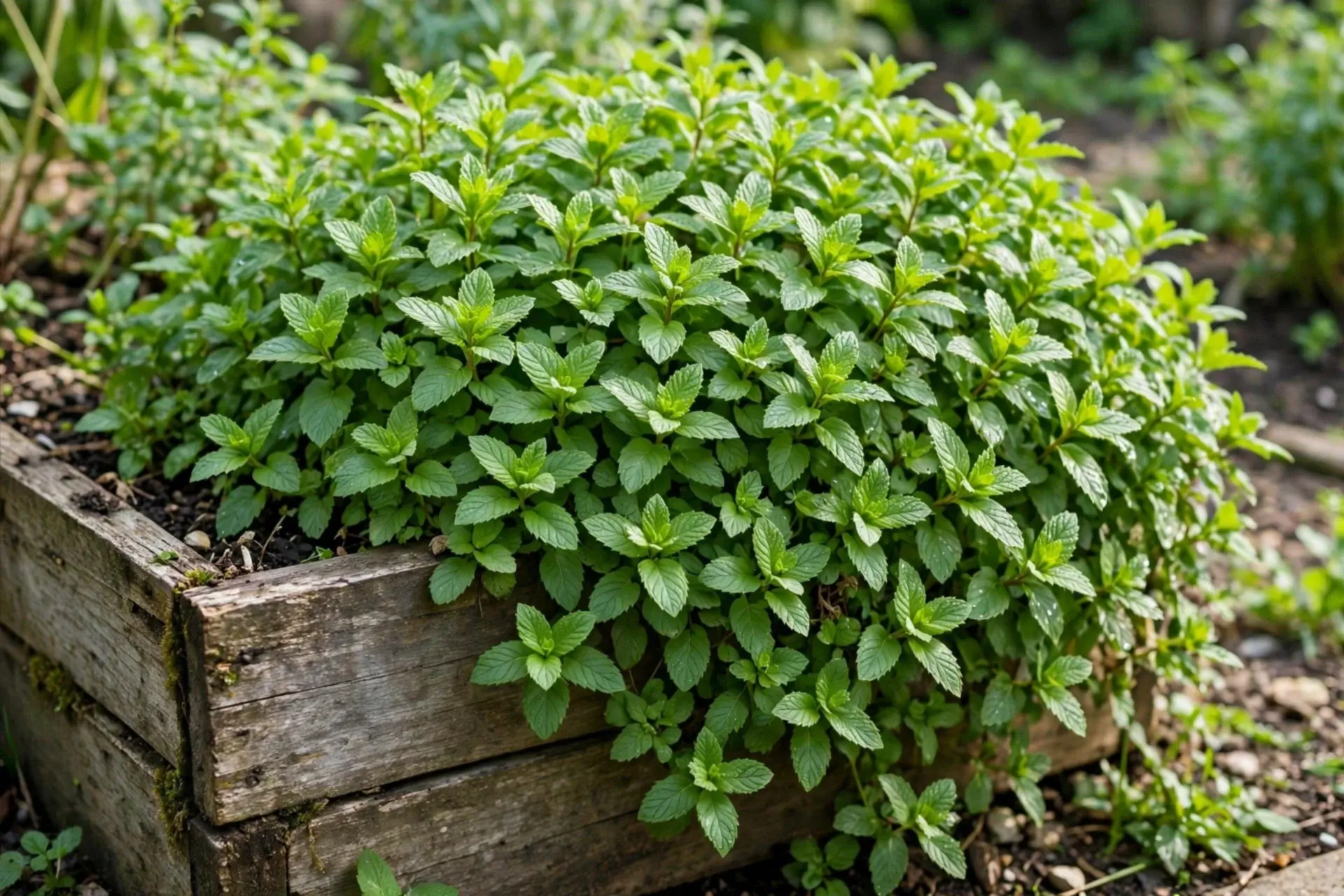
A perennial planted from divisions or a bought plant in spring — and it spreads aggressively, so grow it in a pot. Mint is a perennial herb best planted in spring from divisions or a bought plant — it grows leaves all season and comes back every year once established.
Grow Mint with us — step by step
Everything for this plant is written step by step below — what to do, and exactly when. Read it through first if you like: you can grow it entirely on your own with that guide. Or start with us here — tell us your planting day and we lay out your personal schedule on this page, every next step on its own day, counted from your planting date. No guessing, no forgetting.
Step 1 — today: Start your Mint today — sow — (divisions) in deep, spaced 12–18 in apart — and water in well.
Mint at a glance
Spacing: 12–18 in · Propagation: Divisions and runners — the reliable route
Sun: Full sun to part shade
Water: Keep moist
Harvest: Leaves all season once established
Timing counts from your average last spring frost — get your own dates in the Planting Calendar. Guidance follows standard extension-service practice for Canada and the US.
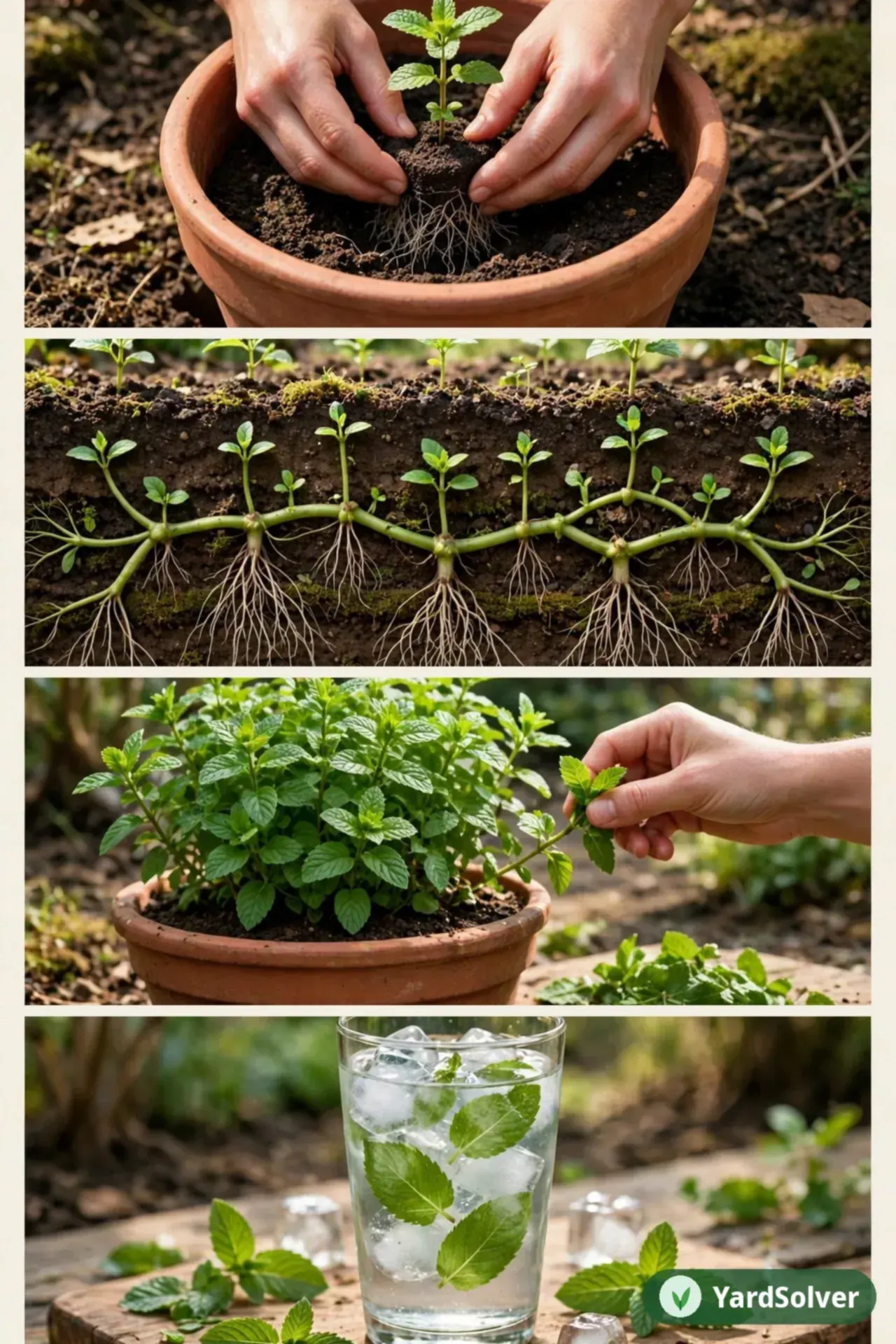
How to plant and grow mint, step by step
Step 1 — Time it right
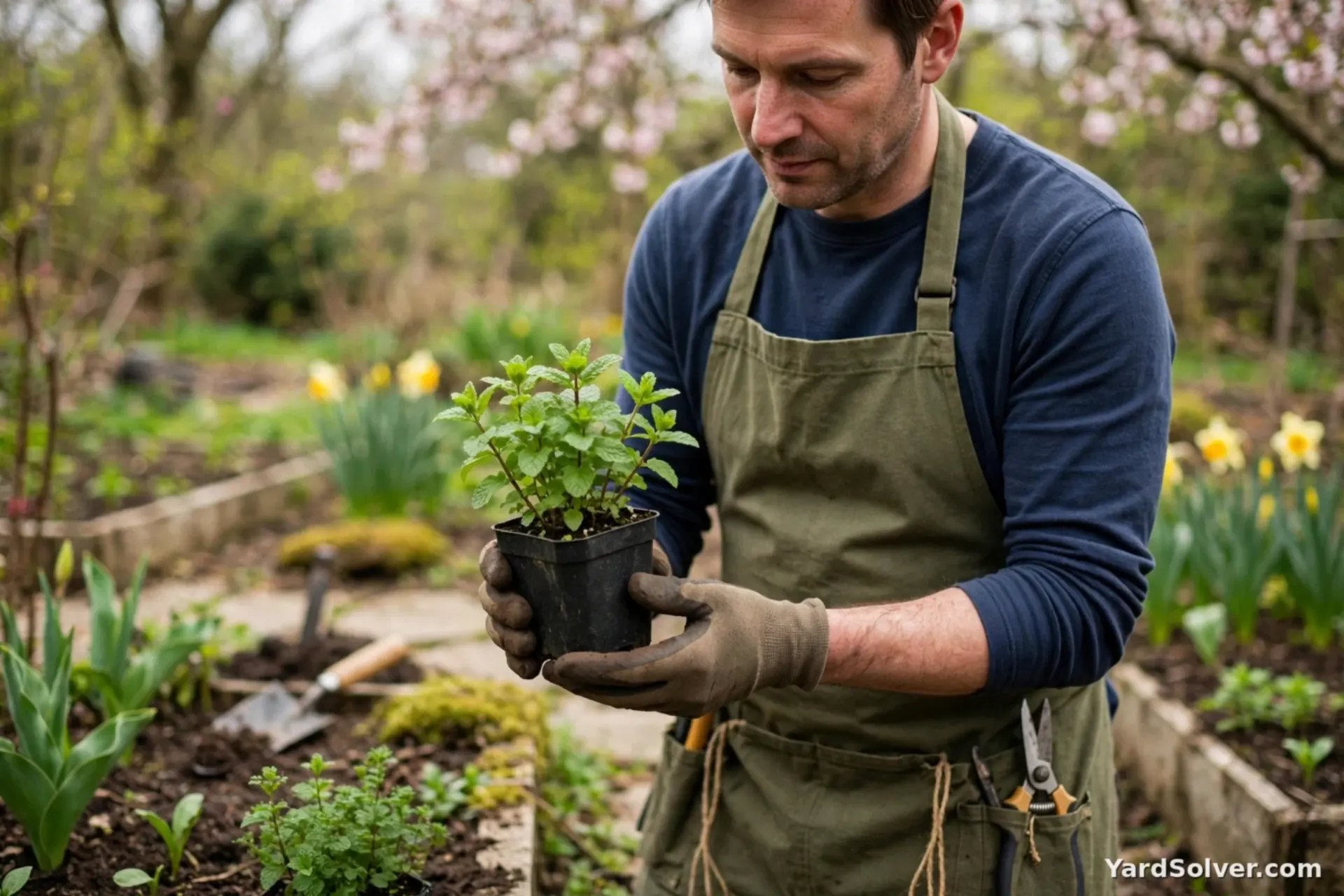
. All dates count from your average last spring frost — the Planting Calendar turns them into real dates for your garden. Mint is a perennial herb best planted in spring from divisions or a bought plant — it grows leaves all season and comes back every year once established.
Step 2 — Prepare the spot
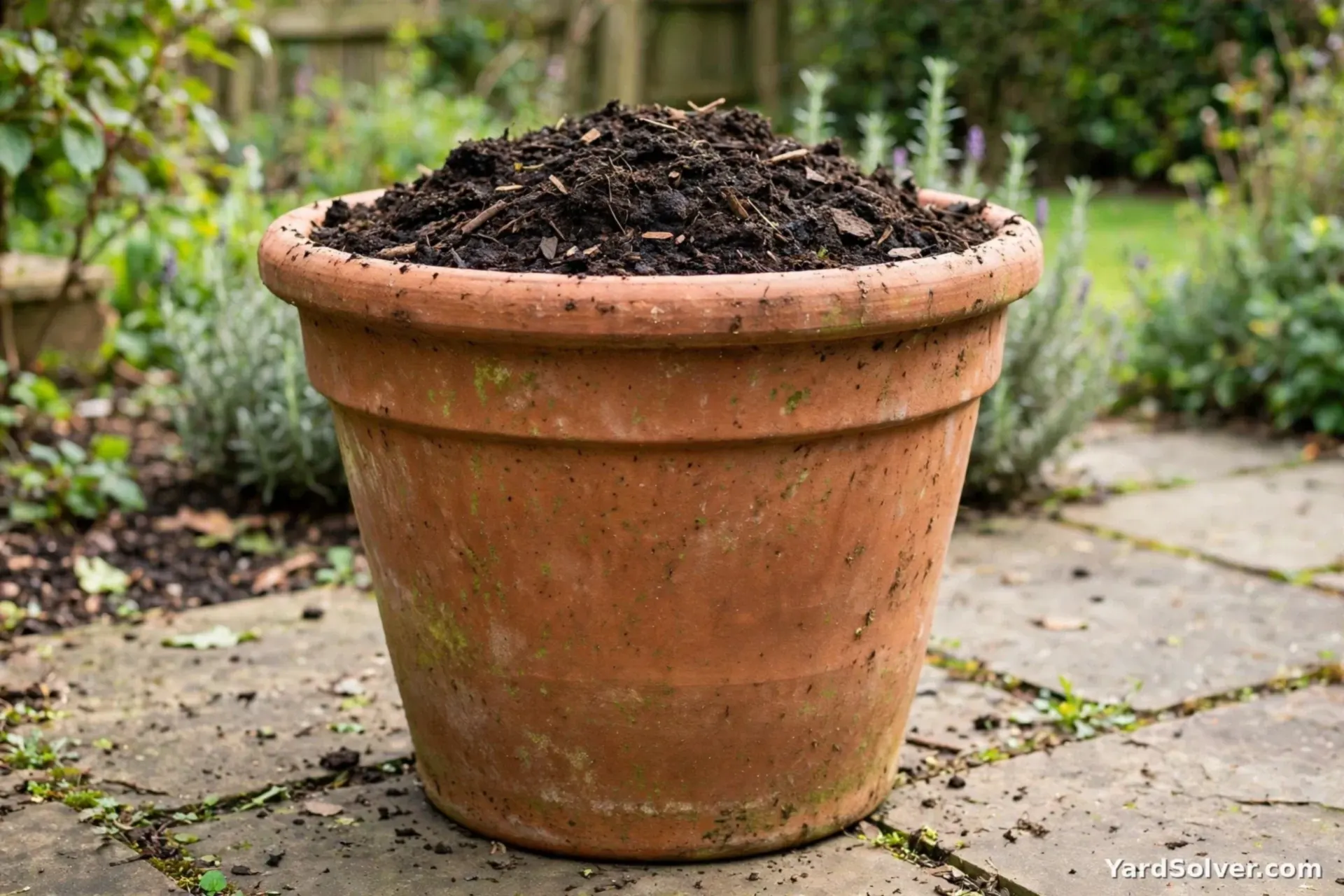
Sun: Full sun to part shade. Mint goes in a POT, always — its roots run and it will take over a bed in two seasons. Standalone pot, compost-rich mix, kept moist. Work out how much you need with the Garden Mix Calculator or the Raised Bed Soil Calculator.
Step 3 — Plant out
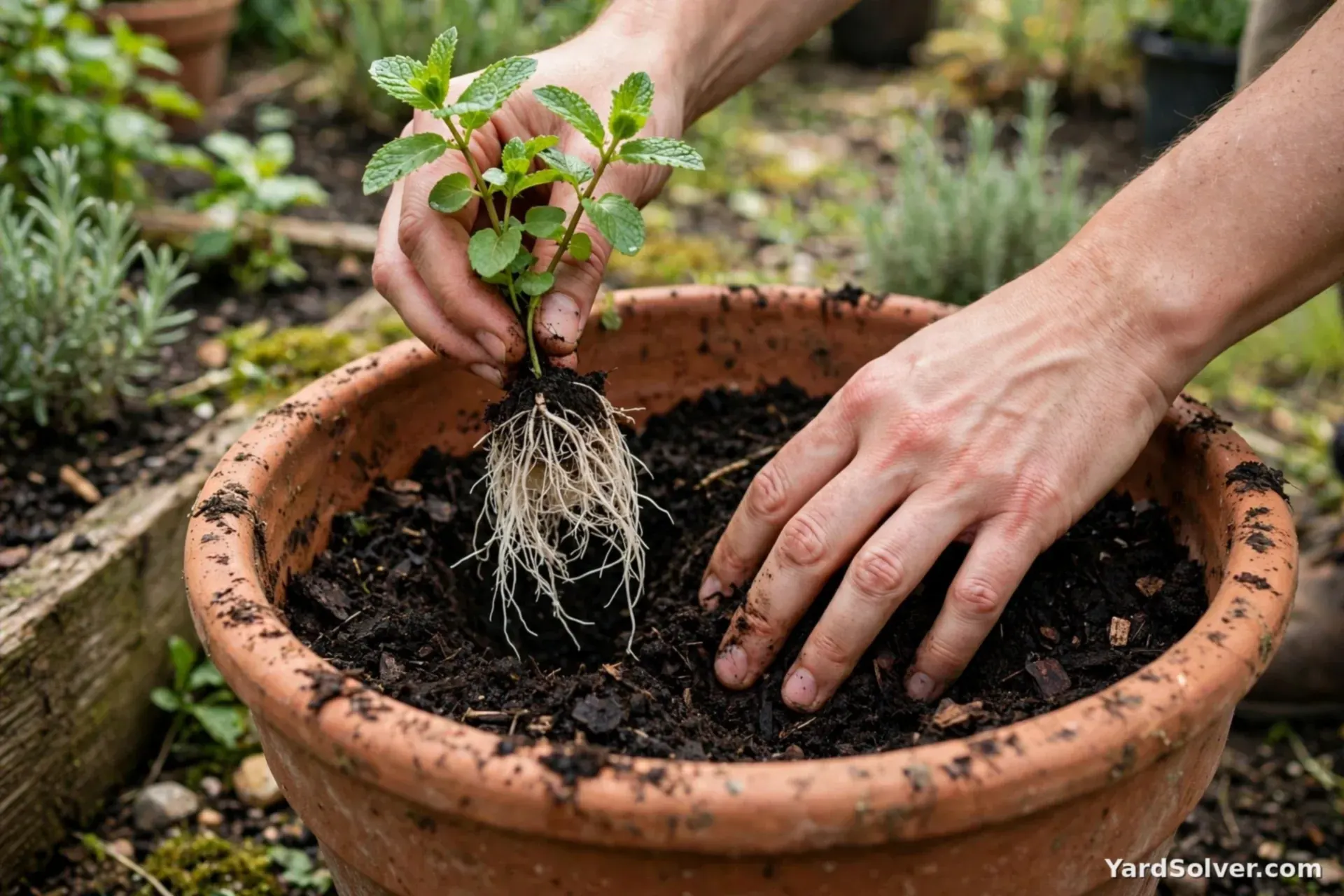
Start indoors None at — (divisions) in deep, or sow outdoors None; plants finish spaced 12–18 in apart. Harden off indoor-started plants before they move out for good.
Step 4 — Water and feed
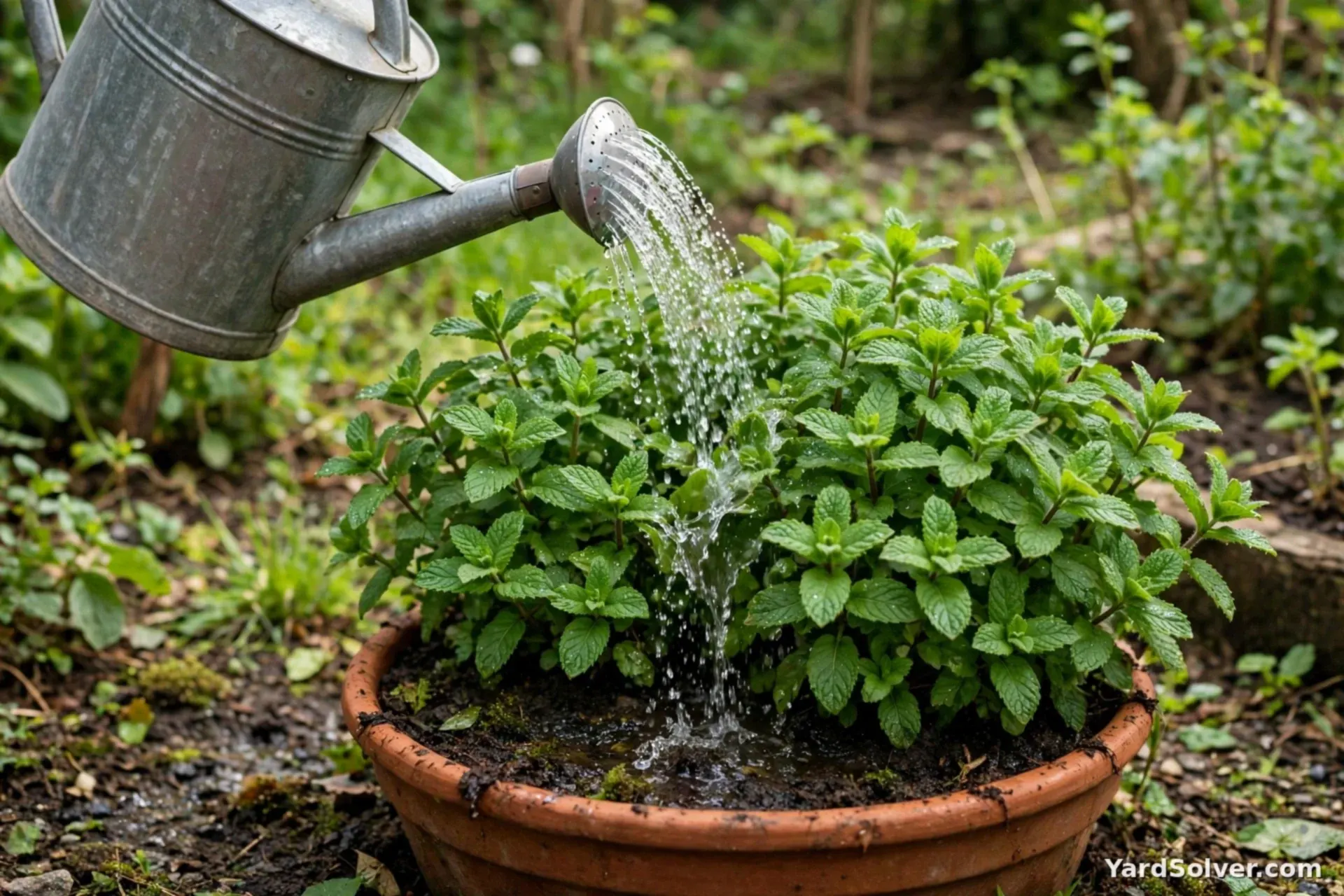
Water: Keep moist. The Fertilizer Calculator turns a bed size into the right amount.
Step 5 — Care and the problems to watch for
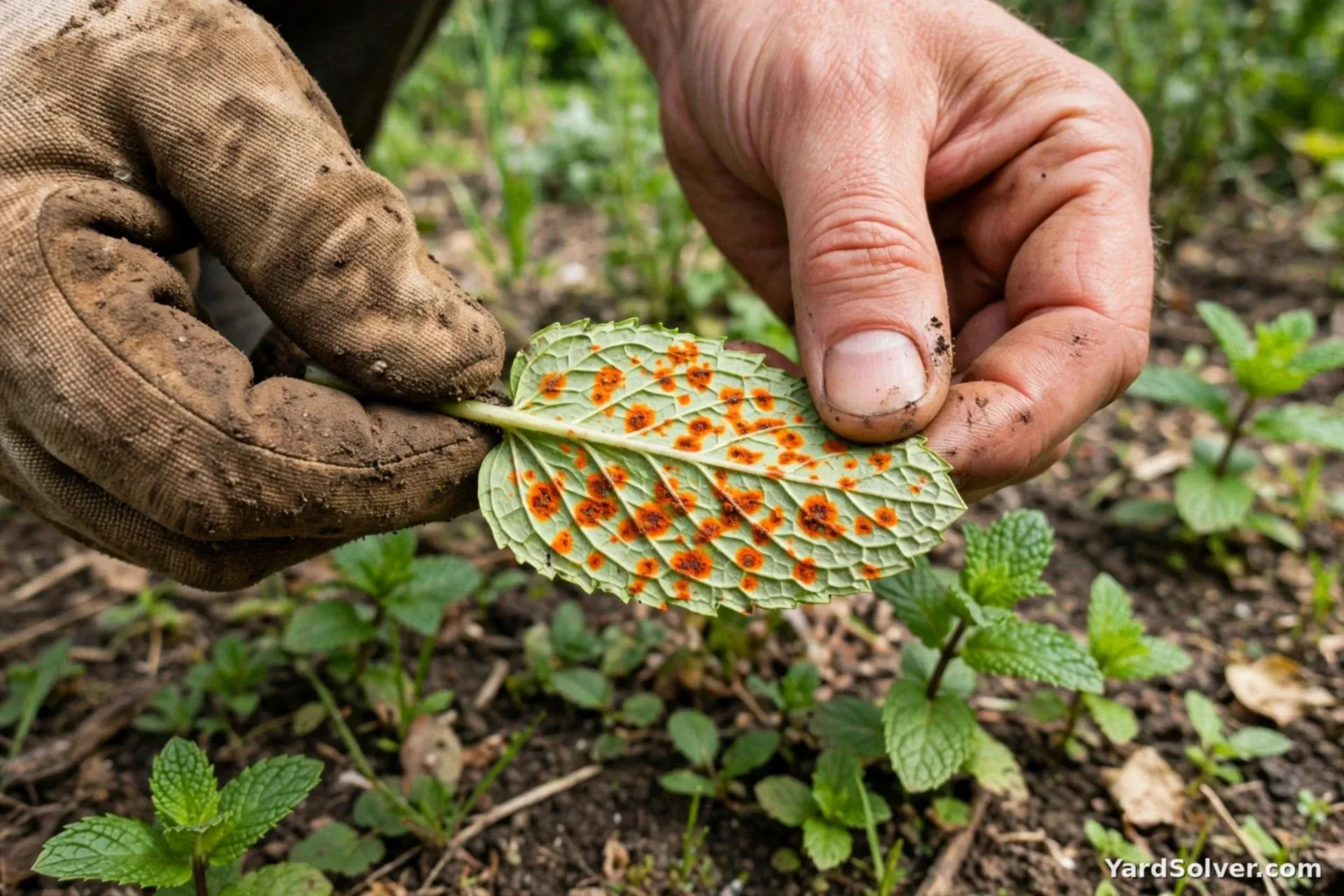
- Mint rust — orange spots under leaves; cut affected growth hard back.
- Taking over the garden — the classic mint problem; the pot rule prevents it.
- Aphids on soft tips — rinse off.
Take care: Mint spreads aggressively by underground runners and can take over a bed — grow it in a pot, or plant the pot in the ground. Once mint is planted in open soil it is very hard to remove completely. Strong mint triggers heartburn in some people.
Step 6 — Harvest
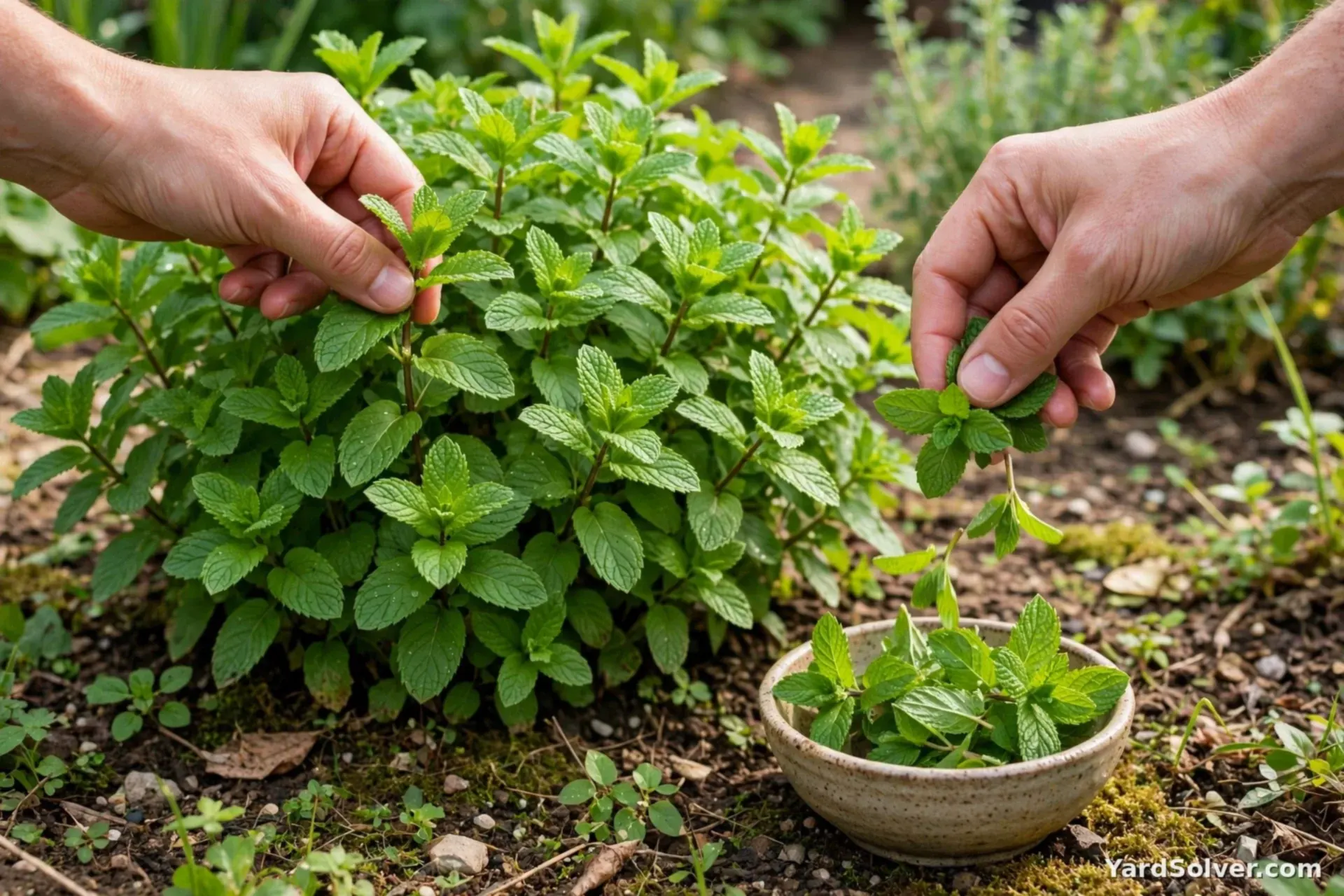
Ready in: Leaves all season once established.
📅 Your personal Mint schedule
Counted from your planting day — not a generic calendar. Day 0 is the day the seed went in the ground or the young plant went out.
Varieties worth growing
| Variety | Colour | Why gardeners like it |
|---|---|---|
| Spearmint | Bright green | The classic garden mint for tea, sauces and cooking |
| Peppermint | Dark green with purple stems | Stronger and cooler than spearmint — usually grown from cuttings |
| Apple Mint | Soft green, fuzzy leaves | A mild, fruity mint on tall plants — good for drinks |
| Chocolate Mint | Green-bronze | A peppermint type with a surprising hint of chocolate in the scent |
| Mojito Mint | Green | The Cuban type used in drinks — sweet rather than sharp |
Good for you — and take care
Benefits
- Fresh leaves provide some vitamin A and folate
- The natural menthol in its oils gives mint its cooling taste
- A handful of leaves flavours a whole jug of water or tea with almost no calories
- Mint tea is a classic drink enjoyed after meals
- Provides small amounts of iron
Take care
- Mint spreads aggressively by underground runners and can take over a bed — grow it in a pot, or plant the pot in the ground
- Once mint is planted in open soil it is very hard to remove completely
- Strong mint triggers heartburn in some people
A little history — and one good fact
Mint comes from the Mediterranean region, where wild mints have grown in damp ground since ancient times. Roman writers described it, and Greek students were said to wear mint wreaths while studying. Because mints cross with each other so freely, there are now hundreds of kinds, from sharp peppermint to soft, fuzzy apple mint.
Fun fact: Peppermint is a natural cross between spearmint and water mint — it was first noticed growing wild in England a few hundred years ago.
Keep going
Guides: Grow Herbs Indoors in Winter · Companion Planting Basics · When to Start Seeds Indoors
Calculators: Plant Spacing Calculator · Seed Calculator · Garden Mix Calculator
More herbs: Basil · Cilantro · Parsley
← Back to the Plant Library · Get your personal planting dates
Questions people ask
When do I plant mint?
Count from your average last spring frost: see the season guide on this page. Mint is a perennial herb best planted in spring from divisions or a bought plant — it grows leaves all season and comes back every year once established.
How far apart do I space mint?
Space plants 12–18 in apart, with seed sown — (divisions) in deep. Sun: full sun to part shade.
When is mint ready to harvest?
Leaves all season once established. A perennial planted from divisions or a bought plant in spring — and it spreads aggressively, so grow it in a pot.