
Plant Library · Vegetables
🥜 How to Grow Peanuts
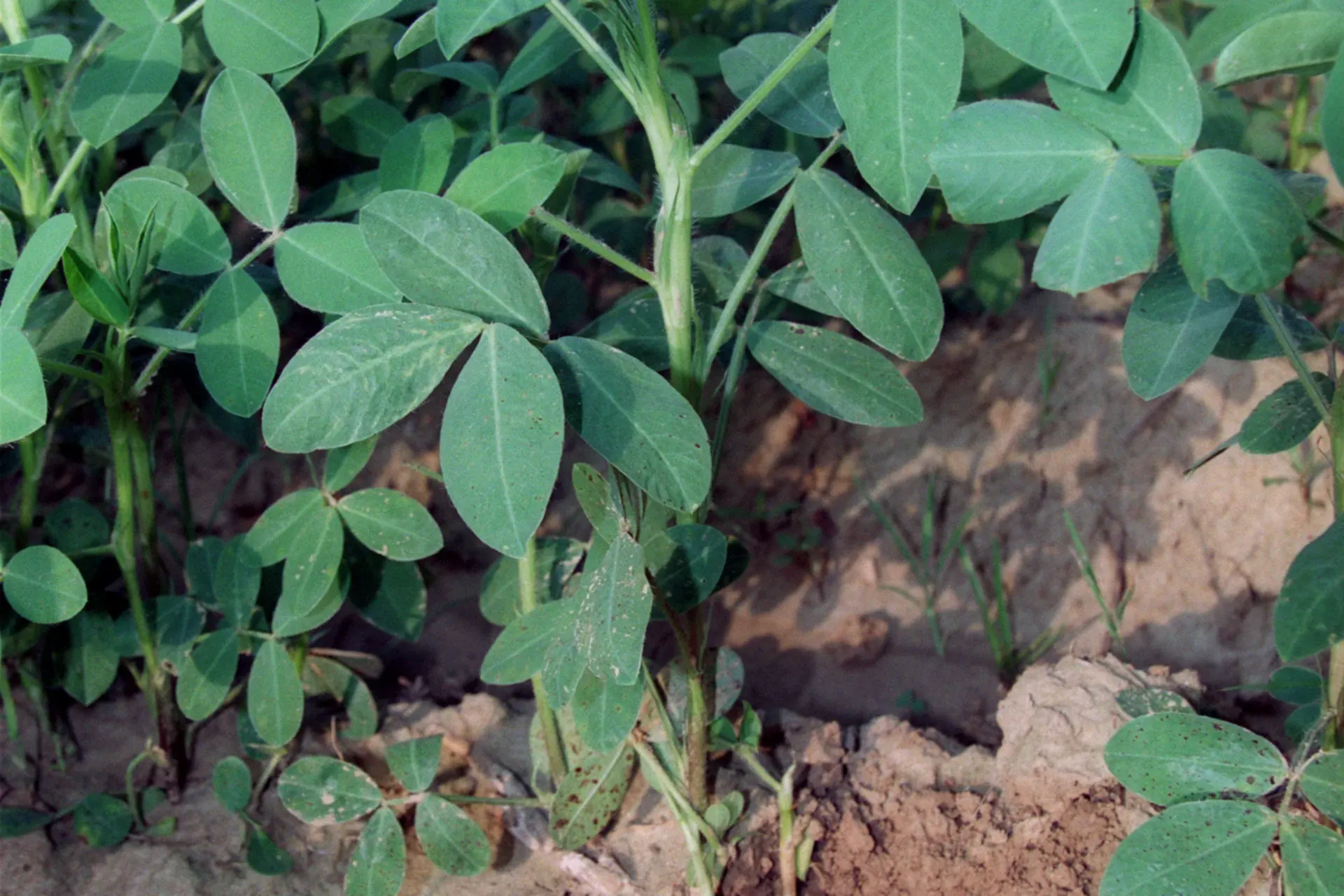
Peanuts are a warm-season legume with a trick no other vegetable has: after the yellow flowers are pollinated, the stalks bend down and push the young pods into the soil, where the nuts ripen underground. They need loose, sandy soil, a long hot summer and 110–140 days from sowing to harvest, but a small patch of a short-season variety can surprise you in a sunny bed.
Grow Peanuts with us — step by step
Everything for this plant is written step by step below — what to do, and exactly when. Read it through first if you like: you can grow it entirely on your own with that guide. Or start with us here — tell us your planting day and we lay out your personal schedule on this page, every next step on its own day, counted from your planting date. No guessing, no forgetting.
Step 1 — today: Plant out your young Peanut plants today (hardened off first), spaced 6–8 in apart in loose, sandy soil, and water them in deeply. Starting from seed instead? Sow direct now, 1–2 in deep, once the soil is warm.
Peanuts at a glance
Sow indoors: 4 weeks before last frost
Spacing: 6–8 in · Seed depth: 1–2 in
Sun: Full sun
Water: Regular; ease off as pods ripen
Harvest: 110–140 days after sowing
Timing counts from your average last spring frost — get your own dates in the Planting Calendar. Guidance follows standard extension-service practice for Canada and the US.
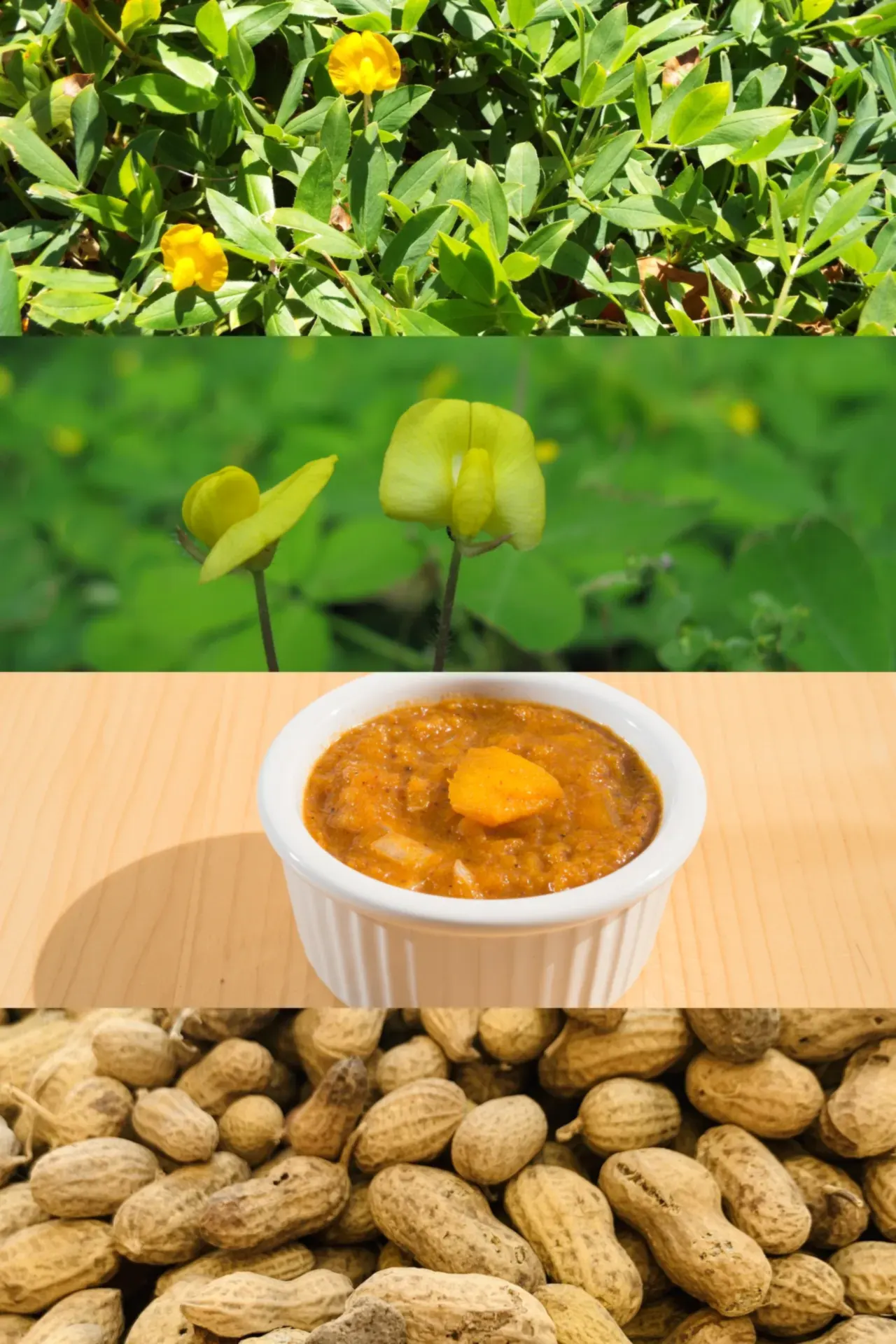
How to plant and grow peanuts, step by step
Step 1 — Time it right

Direct sow 1–2 weeks after last frost, once the soil is at least 65 °F (18 °C). In short summers, start indoors 4 weeks before last frost and move plants out after the frost is gone. Peanuts are a warm-season legume — the pods form underground, so it needs loose, sandy soil and a long hot summer.
Step 2 — Prepare the spot

Sun: Full sun. Loose, sandy, well-drained soil is essential — heavy clay stops the pegs from entering the ground. Dig in compost and a little lime if your soil is acidic. Work out how much you need with the Garden Mix Calculator or the Raised Bed Soil Calculator.
Step 3 — Sow and plant out
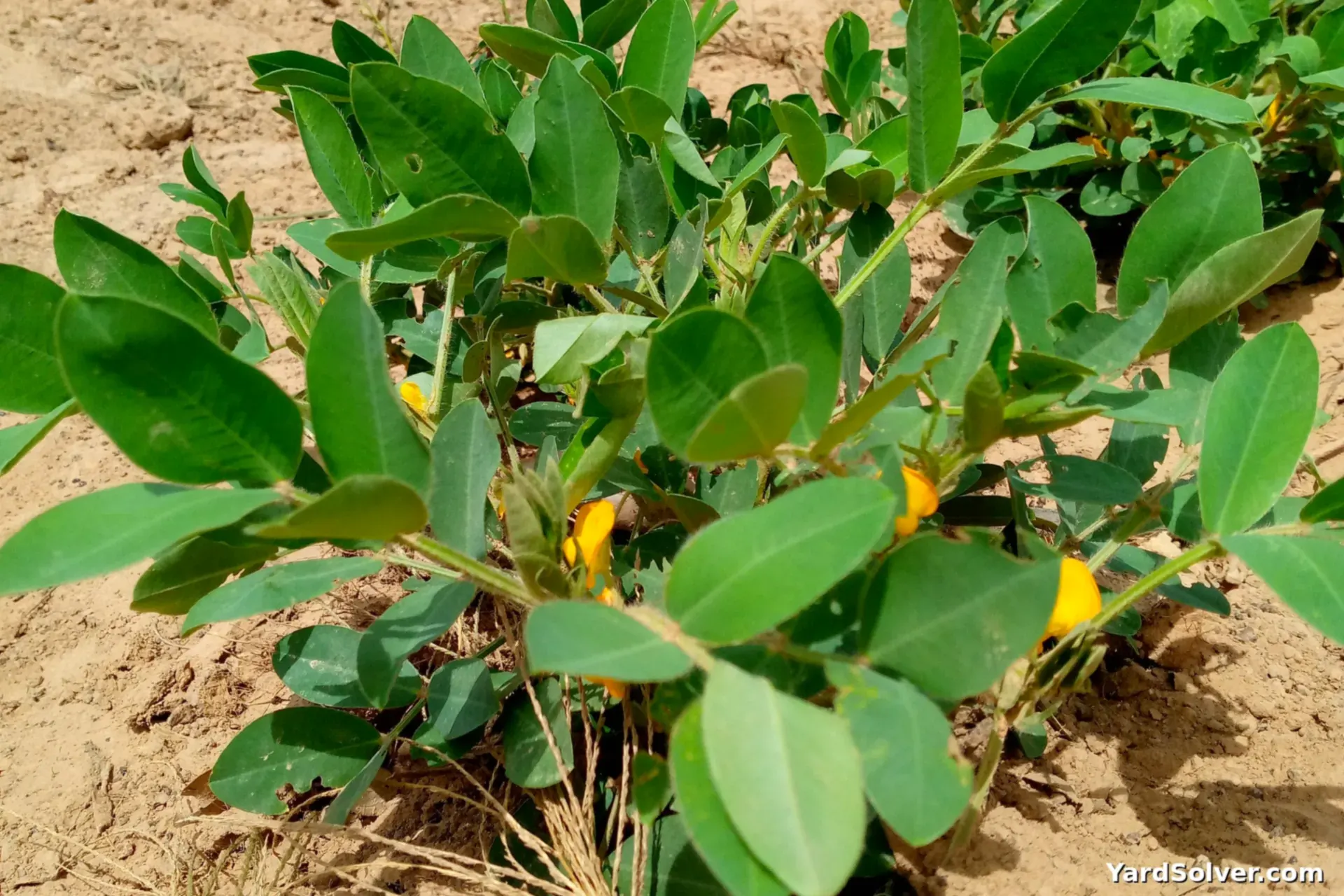
Sow shelled raw peanuts 1–2 in deep, 6–8 in apart in rows 24–36 in apart. Keep the bed weed-free while plants are young. The Plant Spacing Calculator turns that spacing into plants-per-bed.
Step 4 — Water and feed

Water: Regular; ease off as pods ripen. Feed lightly, if at all — peanuts fix their own nitrogen. A top-dress of gypsum (calcium) when flowers appear helps pods fill. The Fertilizer Calculator turns a bed size into the right amount.
Step 5 — Care and the problems to watch for
Leaf spot — brown spots on leaves in wet weather; give plants air and avoid wetting the leaves. Cutworms — young plants cut off at the base; a cardboard collar around each stem helps. Squirrels and mice — they dig for ripe pods; harvest promptly and net the bed if needed.
Step 6 — Harvest

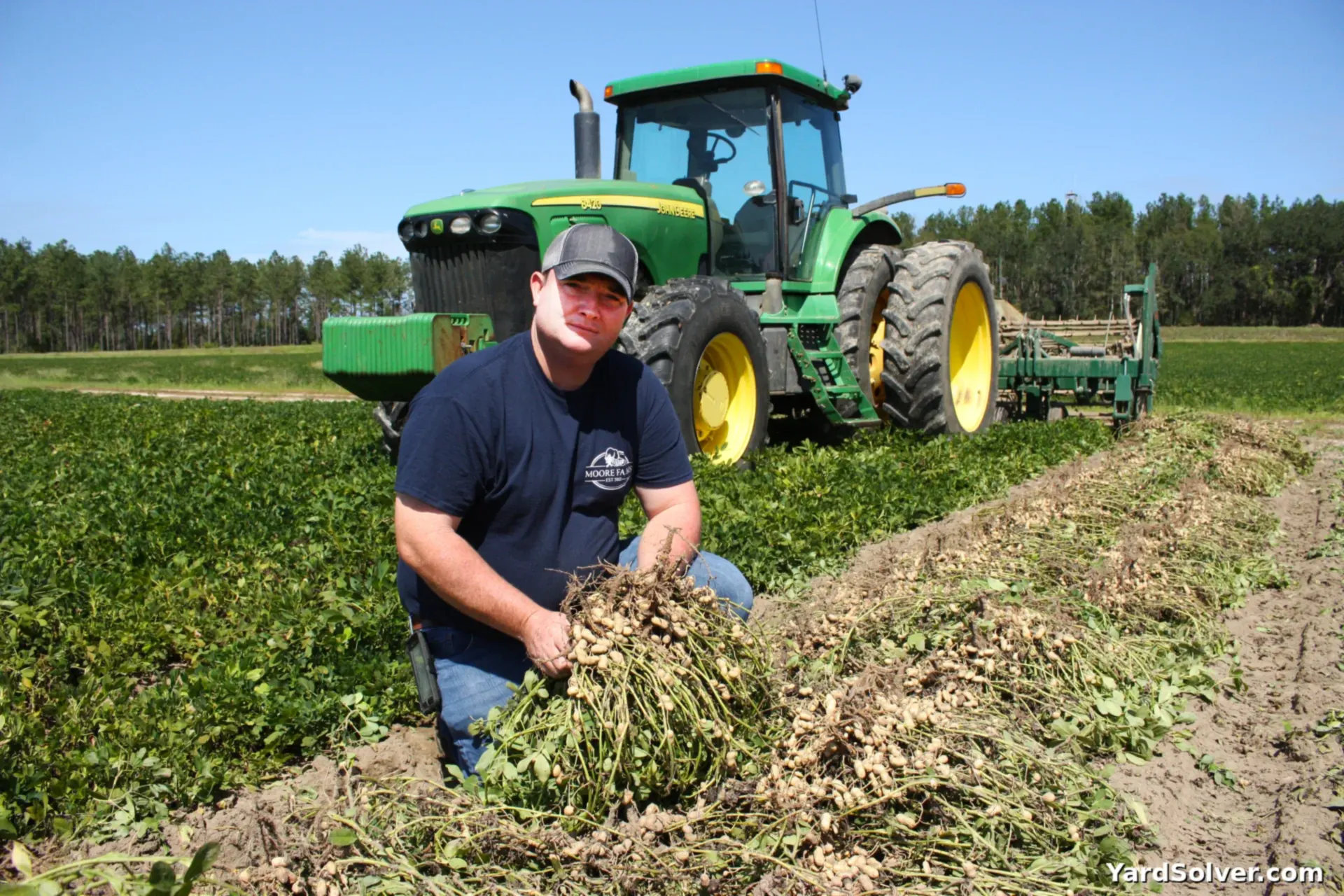
Ready in: 110–140 days after sowing. Loosen the whole plant with a fork when the leaves yellow, shake off the soil, and hang the plants to dry and cure for two to three weeks before shelling.
📅 Your personal Peanuts schedule
Counted from your planting day — not a generic calendar. Day 0 is the day the seed went in the ground or the young plant went out.
Varieties worth growing
| Variety | Colour | Why gardeners like it |
|---|---|---|
| Valencia | Tan | Sweet nuts in a thin shell, the quickest at about 110 days — the best choice for short summers |
| Virginia | Brown | Big nuts for roasting in the shell; needs about 140 days |
| Spanish | Red-brown | Small, sweet nuts, great for peanut butter |
| Runner | Tan | The commercial favourite — high yields where summers are long |
Good for you — and take care
Benefits
- A good source of plant protein and healthy fats
- Rich in vitamin E, niacin and magnesium
- Leaves nitrogen in the soil for the next crop
- A fun crop for children — digging the harvest feels like treasure hunting
Take care
- Peanuts are legumes in the nightshade-free group, but rotate them away from other legumes each year.
- Raw peanuts must be dried and cured before eating — never eat them straight from the soil.
- Shells and husks go straight into the compost heap.
Problems to watch for
- Leaf spot — brown spots on leaves in wet weather; give plants air and avoid wetting the leaves.
- Cutworms — young plants cut off at the base; a cardboard collar around each stem helps.
- Squirrels and mice — they dig for ripe pods; harvest promptly and net the bed if needed.
A little history — and one good fact
Peanuts come from South America, where they were grown for thousands of years before Spanish and Portuguese traders carried them around the world. They reached North America through Africa, and became a Southern staple crop in the 1800s.
Fun fact: A peanut plant flowers above ground but fruits below it — the flower stalks, called pegs, grow downwards after pollination and push into the soil.
Keep going
Guides: How to Harden Off Seedlings · How to Read a Seed Packet · How to Grow Peanuts — the full guide
Calculators: Plant Spacing Calculator · Seed Calculator · Fertilizer Calculator · Garden Mix Calculator
Plan it: Garden Planner · Planting Calendar · Companion Planting Chart · Seed Box
Good companions: Green Beans · Peas · Carrot · Potato
Keep apart: Onion (sets) · Garlic — see the Companion Planting Chart for the full picture.
← Back to the Plant Library · Get your personal planting dates
Questions people ask
When do I plant peanuts?
Direct sow 1–2 weeks after last frost, once the soil is at least 65 °F. In short summers, start indoors 4 weeks before last frost.
How far apart do I space peanuts?
Space plants 6–8 in apart in rows 24–36 in apart, with seed sown 1–2 in deep. Sun: full sun.
When are peanuts ready to harvest?
110–140 days after sowing, when the leaves yellow. Loosen the whole plant with a fork and hang it to dry and cure.