
Plant Library · Vegetables
How to Grow Rutabaga
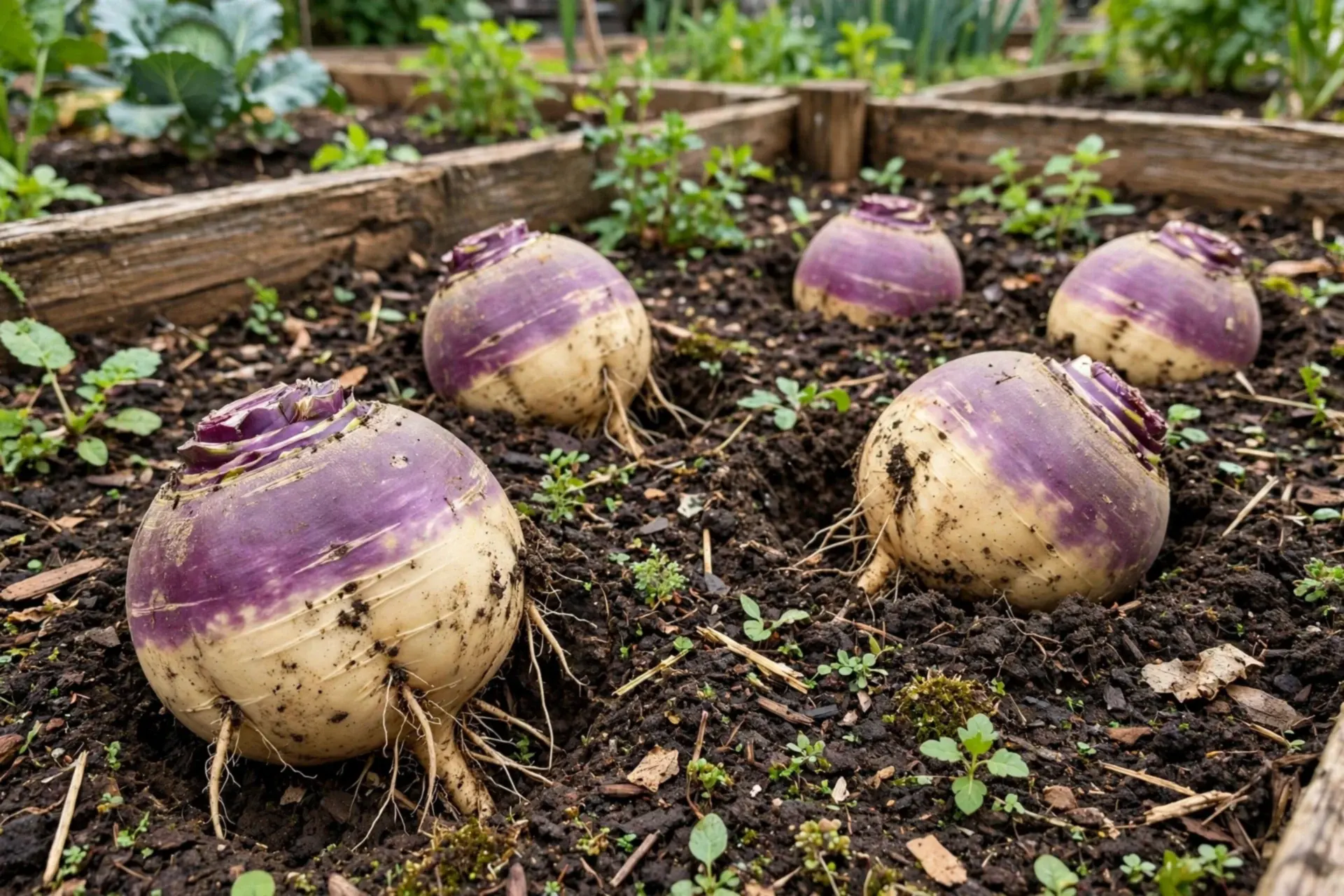
A slow, cool-weather root — a cross between a turnip and a cabbage — sown late in spring so the roots swell into the cool days of fall, when they taste sweetest. Rutabaga is the big, slow cousin of the turnip: sow it later than most spring roots, about 2 weeks after your last frost, so the roots do their swelling in the cool weather of early fall. Roots pulled after the first frosts are noticeably sweeter.
Grow Rutabaga with us — step by step
Everything for this plant is written step by step below — what to do, and exactly when. Read it through first if you like: you can grow it entirely on your own with that guide. Or start with us here — tell us your planting day and we lay out your personal schedule on this page, every next step on its own day, counted from your planting date. No guessing, no forgetting.
Step 1 — today: Sow Rutabaga seed today where the roots will grow, 1/2 in deep, and water the row in well. One careful sowing now carries through to a fall harvest.
Rutabaga at a glance
Sow outdoors: 2 weeks after last frost
Spacing: 6–8 in · Seed depth: 1/2 in
Sun: Full sun
Water: Regular — roots crack and turn woody if they dry out then flood
Harvest: 80–100 days
Timing counts from your average last spring frost — get your own dates in the Planting Calendar. Guidance follows standard extension-service practice for Canada and the US.
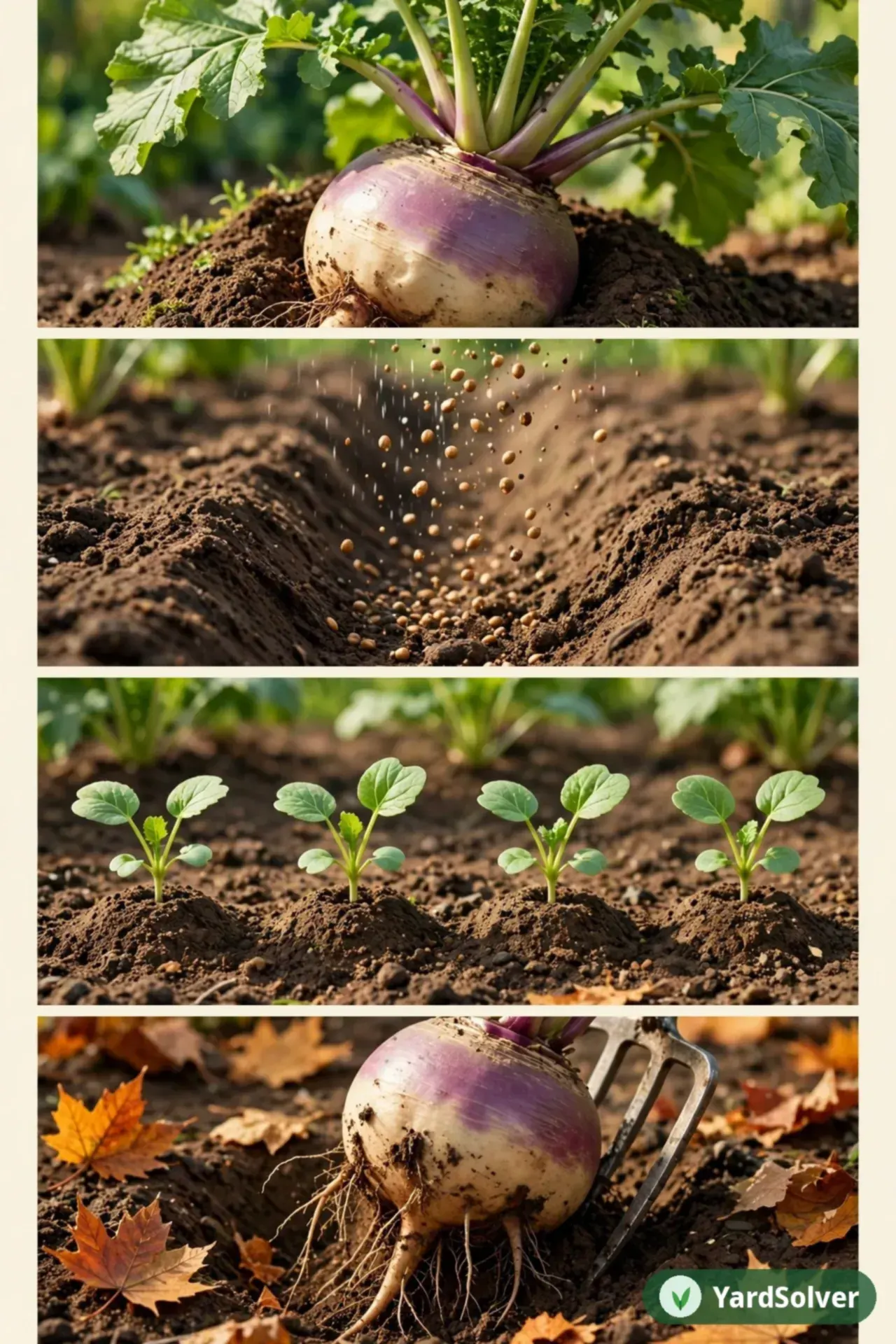
How to plant and grow rutabaga, step by step
Step 1 — Time it right
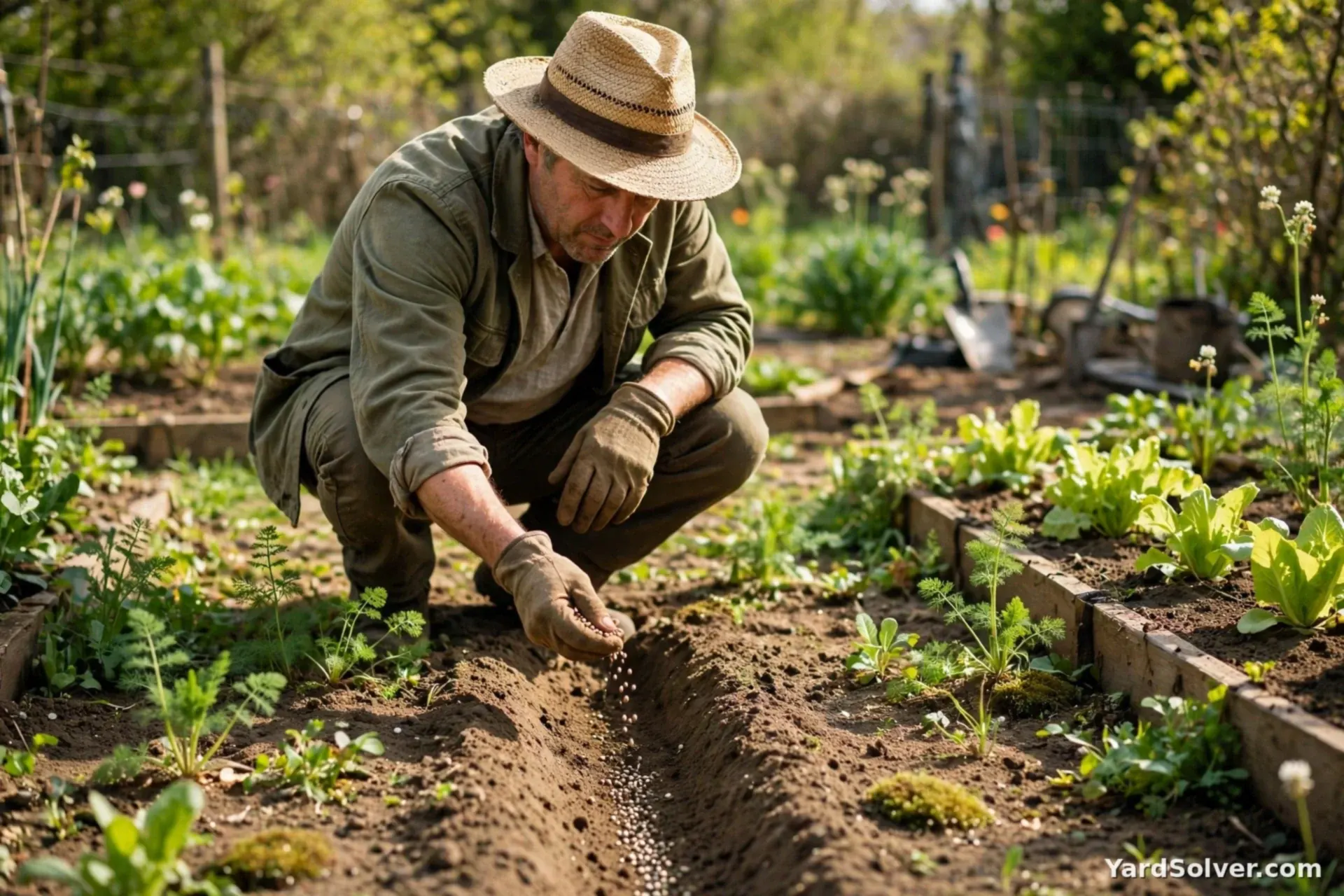
Sow outdoors: 2 weeks after last frost. All dates count from your average last spring frost — the Planting Calendar turns them into real dates for your garden. Rutabaga is the big, slow cousin of the turnip: sow it later than most spring roots, about 2 weeks after your last frost, so the roots do their swelling in the cool weather of early fall. Roots pulled after the first frosts are noticeably sweeter.
Step 2 — Prepare the spot
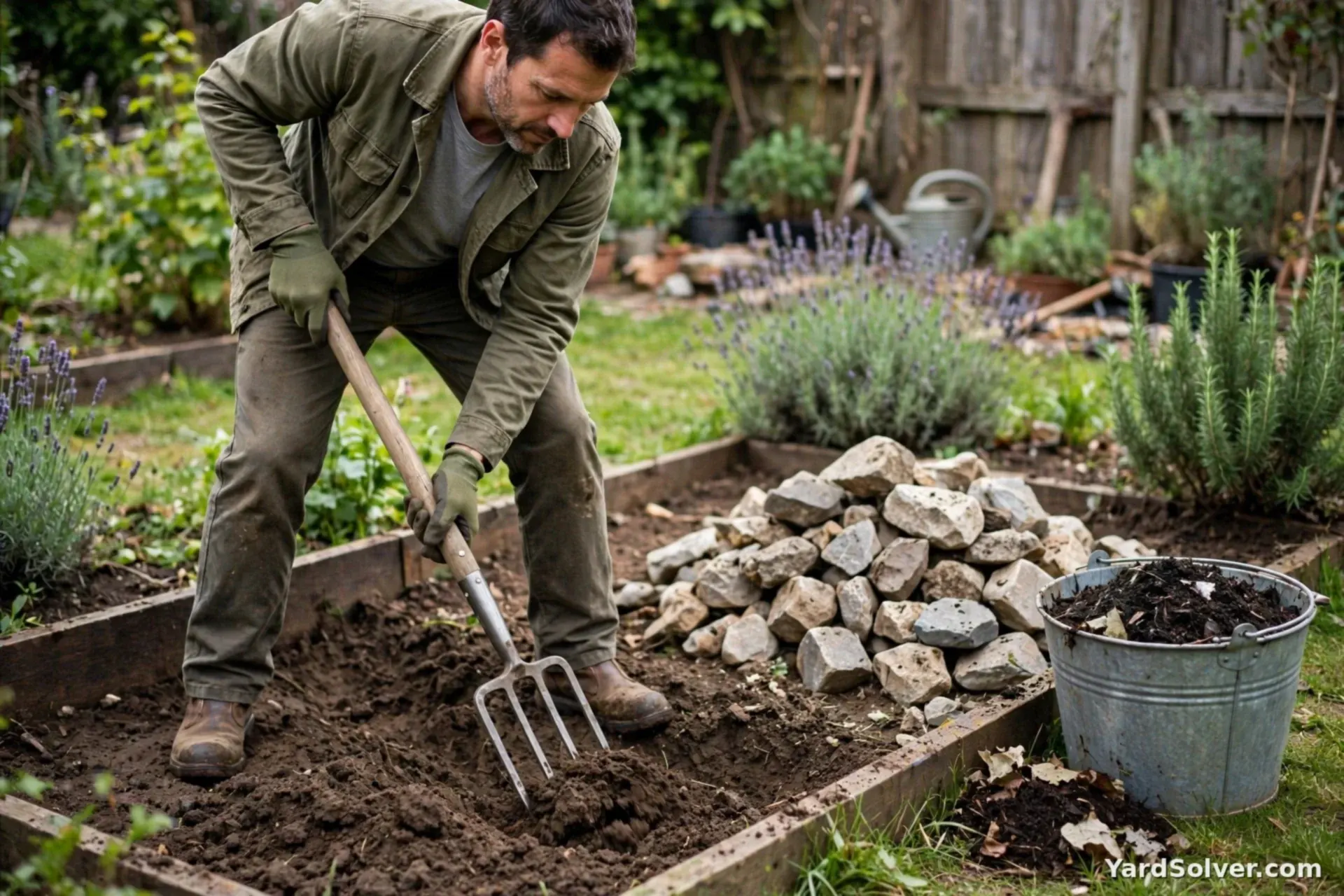
Sun: Full sun. Deep, loose soil the roots can push through — fork it over well and work in compost; stones and hard pans make forked, stunted roots. Work out how much you need with the Garden Mix Calculator or the Raised Bed Soil Calculator.
Step 3 — Sow and plant out
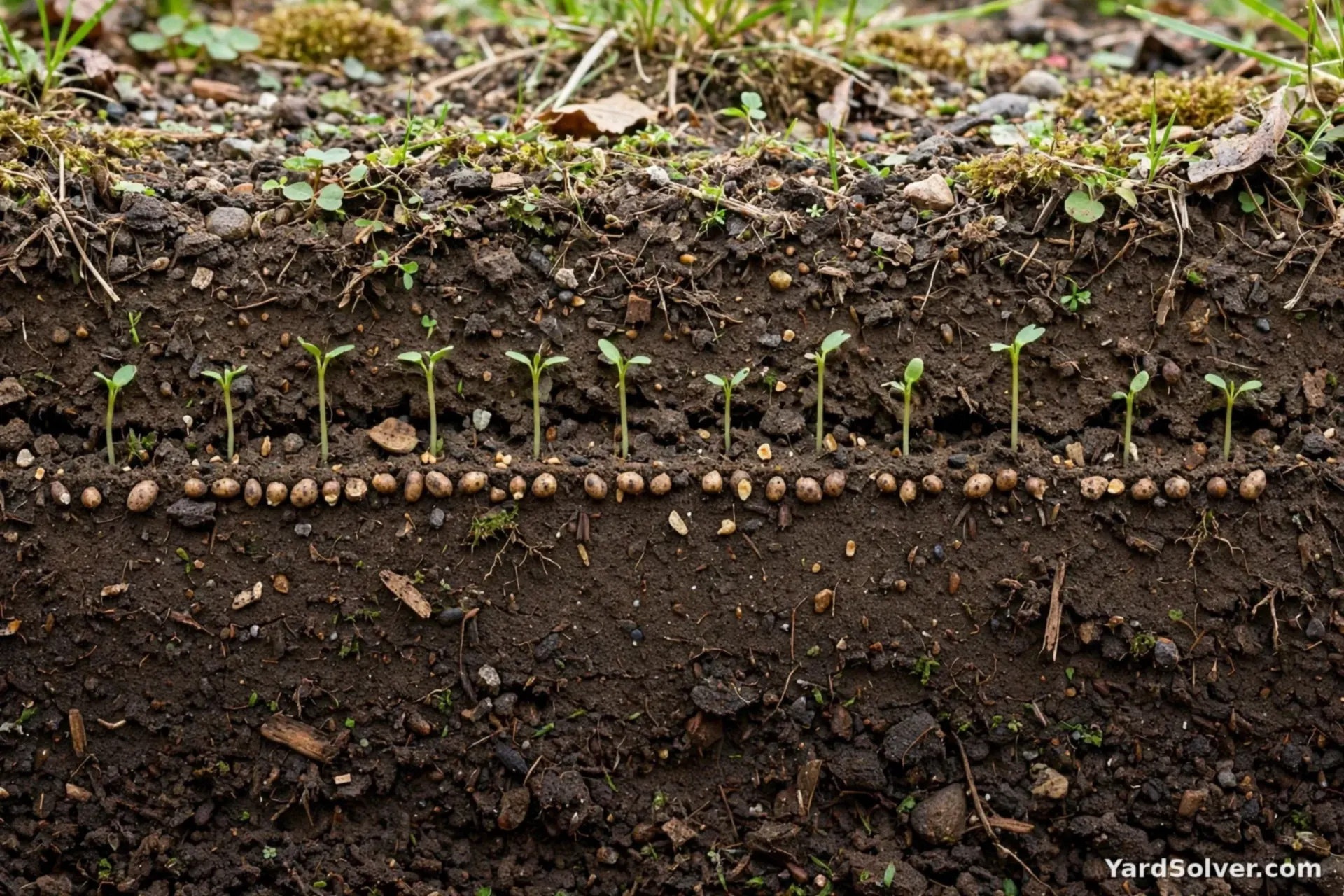
Sow directly where they will grow, 2 weeks after last frost, 1/2 in deep and 6–8 in apart (thin seedlings to that spacing once they are up). The Seed Calculator works out how much seed a bed needs. Rutabagas want one long, undisturbed run — they do not transplant well.
Step 4 — Water and feed
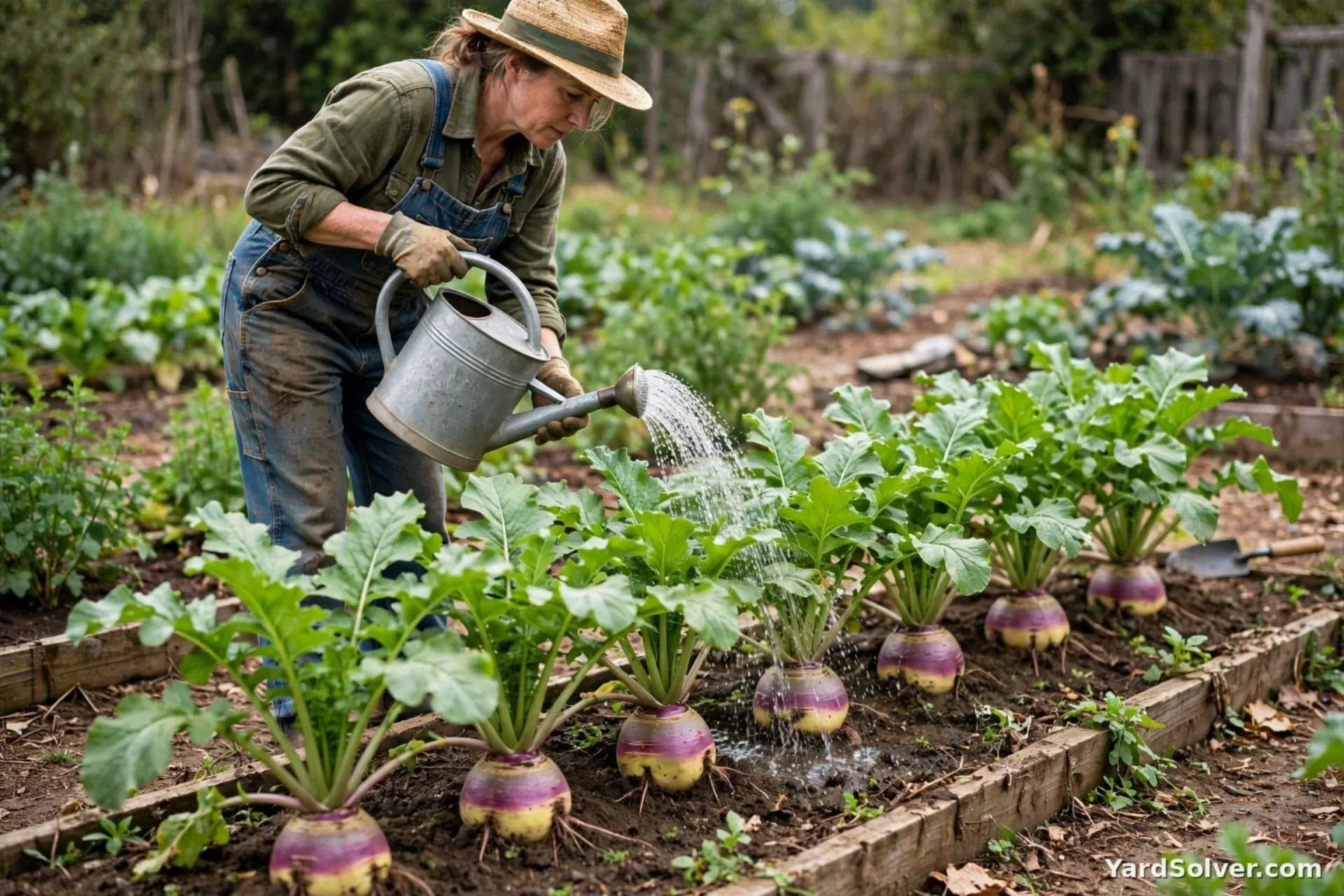
Water: Regular — roots crack and turn woody if they dry out then flood. The Fertilizer Calculator turns a bed size into the right amount.
Step 5 — Care and the problems to watch for
- Club root — swollen, stunted roots in sour soil; lime the bed toward neutral and rotate brassicas around the garden.
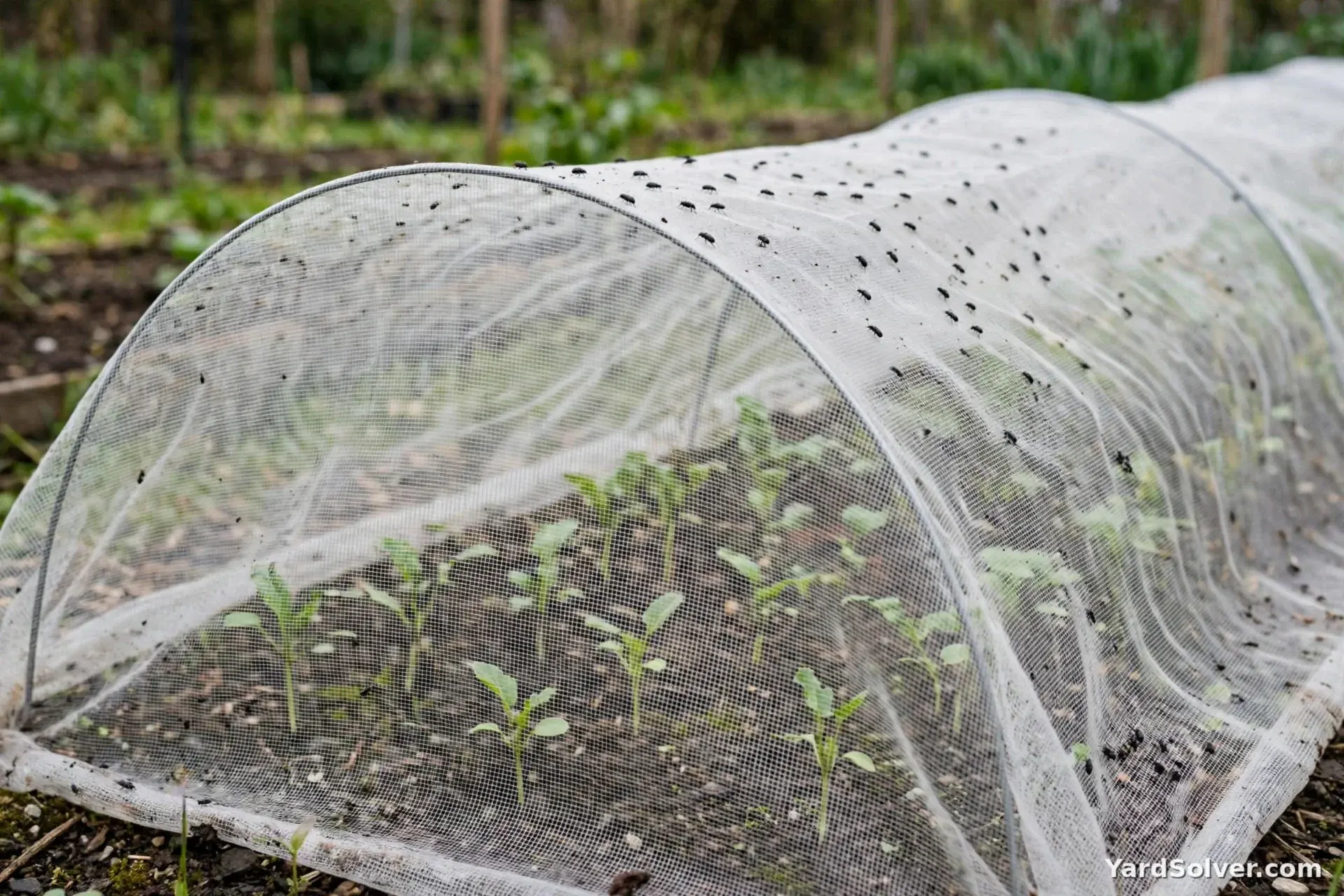
- Flea beetles — tiny shot-holes in young leaves; a floating row cover from sowing keeps them off.
- Split or woody roots — caused by dry spells followed by heavy watering; keep moisture even while roots swell.
Take care: Rutabaga is sold coated in food-grade wax in many stores — peel it off with the skin before cooking.
Step 6 — Harvest
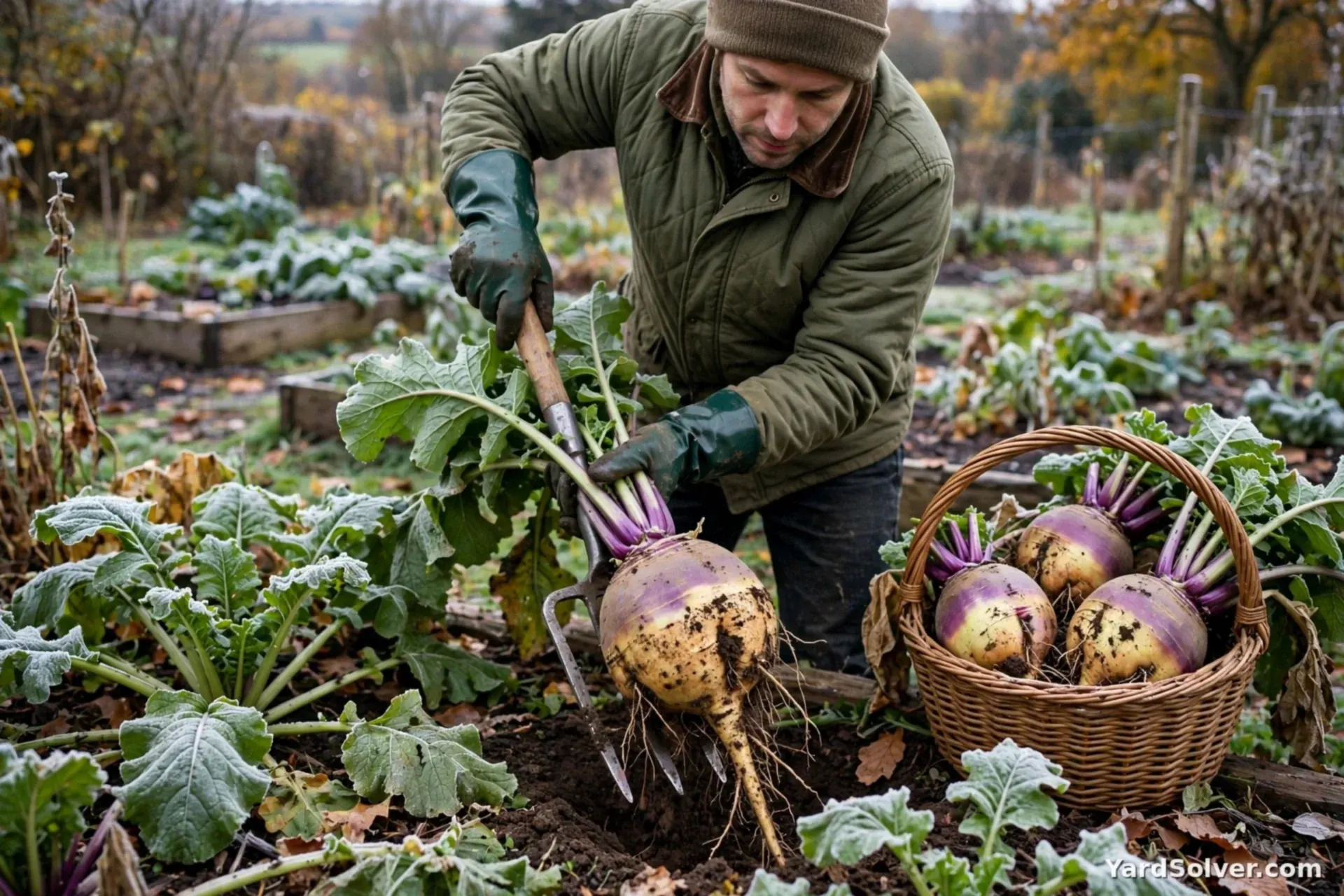
Ready in: 80–100 days. Lift roots from about day 80 at 3–5 in across; left in the ground under mulch in mild gardens, they store where they grow into early winter.
📅 Your personal Rutabaga schedule
Counted from your planting day — not a generic calendar. Day 0 is the day the seed went in the ground or the young plant went out.
Varieties worth growing
| Variety | Colour | Why gardeners like it |
|---|---|---|
| American Purple Top | Purple and cream | The classic storage rutabaga — sweet, fine-grained golden flesh |
| Laurentian | Purple and cream | A Canadian-bred favourite, bred for cool northern gardens and long storage |
| Joan | Purple and cream | A modern variety with good club root resistance and smooth roots |
| Helenor | Purple and cream | Uniform round roots that size up evenly for fall lifting |
| Gilfeather | White and green | A Vermont heirloom turnip–rutabaga cross — unusually mild and sweet |
Good for you — and take care
Benefits
- Provides vitamin C, which supports the immune system
- A source of potassium and fibre
- Contains glucosinolates, the compounds that give brassicas their bite
- Filling and low in calories for its size
- Keeps for months in cold storage — a true winter vegetable
Take care
- Peel store-bought roots thickly — the wax coating comes off with the skin
- People with thyroid concerns are usually advised to eat brassicas cooked rather than in very large raw servings
- Introduce gradually if you rarely eat brassicas — the fibre and sulphur compounds can cause gas at first
A little history — and one good fact
Rutabaga appeared in Europe in the 1600s, most likely in Scandinavia or Russia, as a cross between turnip and cabbage. It became the winter root of cold climates — Scotland's neeps beside haggis — and reached North America with settlers, where Canadian growers bred hardy types like Laurentian.
Fun fact: In parts of England, carved rutabagas (called turnips there) were the original Halloween lanterns, long before pumpkins took over.
Keep going
Guides: Why Are My Carrots Forked? · How to Protect Plants from Frost · Putting Your Garden to Bed
Calculators: Plant Spacing Calculator · Seed Calculator · Fertilizer Calculator · Garden Mix Calculator
More vegetables: Turnip · Parsnip · Beets
← Back to the Plant Library · Get your personal planting dates
Questions people ask
When do I plant rutabaga?
Count from your average last spring frost: sow outdoors 2 weeks after last frost. Rutabaga is the big, slow cousin of the turnip: sow it later than most spring roots, about 2 weeks after your last frost, so the roots do their swelling in the cool weather of early fall. Roots pulled after the first frosts are noticeably sweeter.
How far apart do I space rutabaga?
Space plants 6–8 in apart, with seed sown 1/2 in deep. Sun: full sun.
When is rutabaga ready to harvest?
80–100 days. A slow, cool-weather root — a cross between a turnip and a cabbage — sown late in spring so the roots swell into the cool days of fall, when they taste sweetest.