
Plant Library · Fruit & Melons
🍉 How to Grow Watermelon
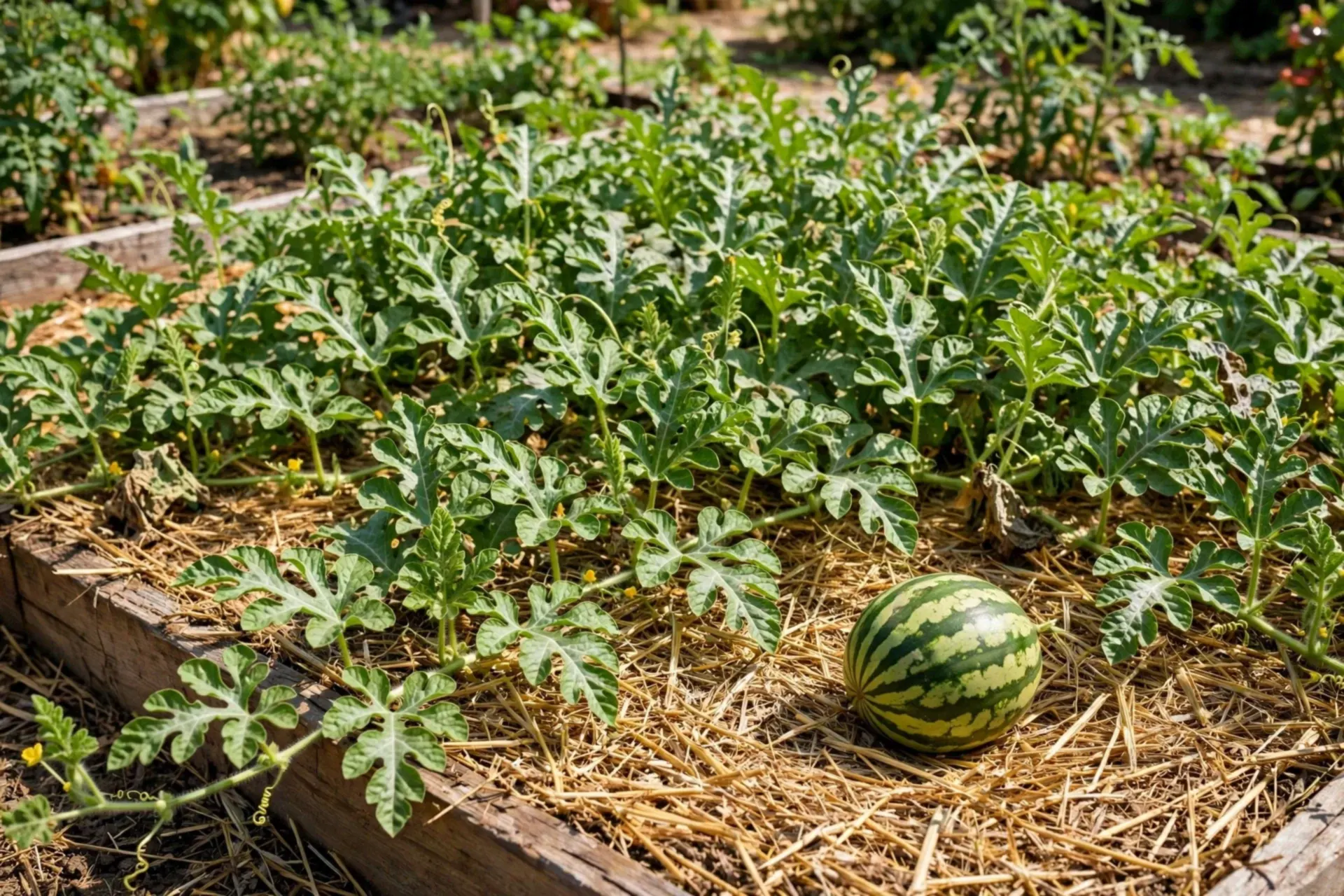
The most space-hungry melon — only for warm gardens with room to sprawl. Watermelon is the most heat-loving melon of all: start indoors about 4 weeks before your last frost or direct sow about 2 weeks after it, into warm soil with plenty of room to sprawl.
Grow Watermelon with us — step by step
Everything for this plant is written step by step below — what to do, and exactly when. Read it through first if you like: you can grow it entirely on your own with that guide. Or start with us here — tell us your planting day and we lay out your personal schedule on this page, every next step on its own day, counted from your planting date. No guessing, no forgetting.
Step 1 — today: Sow your Watermelon seeds today: 1 in deep, spaced 36–60 in apart, in full sun. Water the row in well and keep it moist while seeds sprout.
Watermelon at a glance
Sow indoors: 4 weeks before last frost
Sow outdoors: 2 weeks after last frost
Spacing: 36–60 in · Seed depth: 1 in
Sun: Full sun
Water: Deep and steady while vines run
Harvest: 70–90 days
Timing counts from your average last spring frost — get your own dates in the Planting Calendar. Guidance follows standard extension-service practice for Canada and the US.
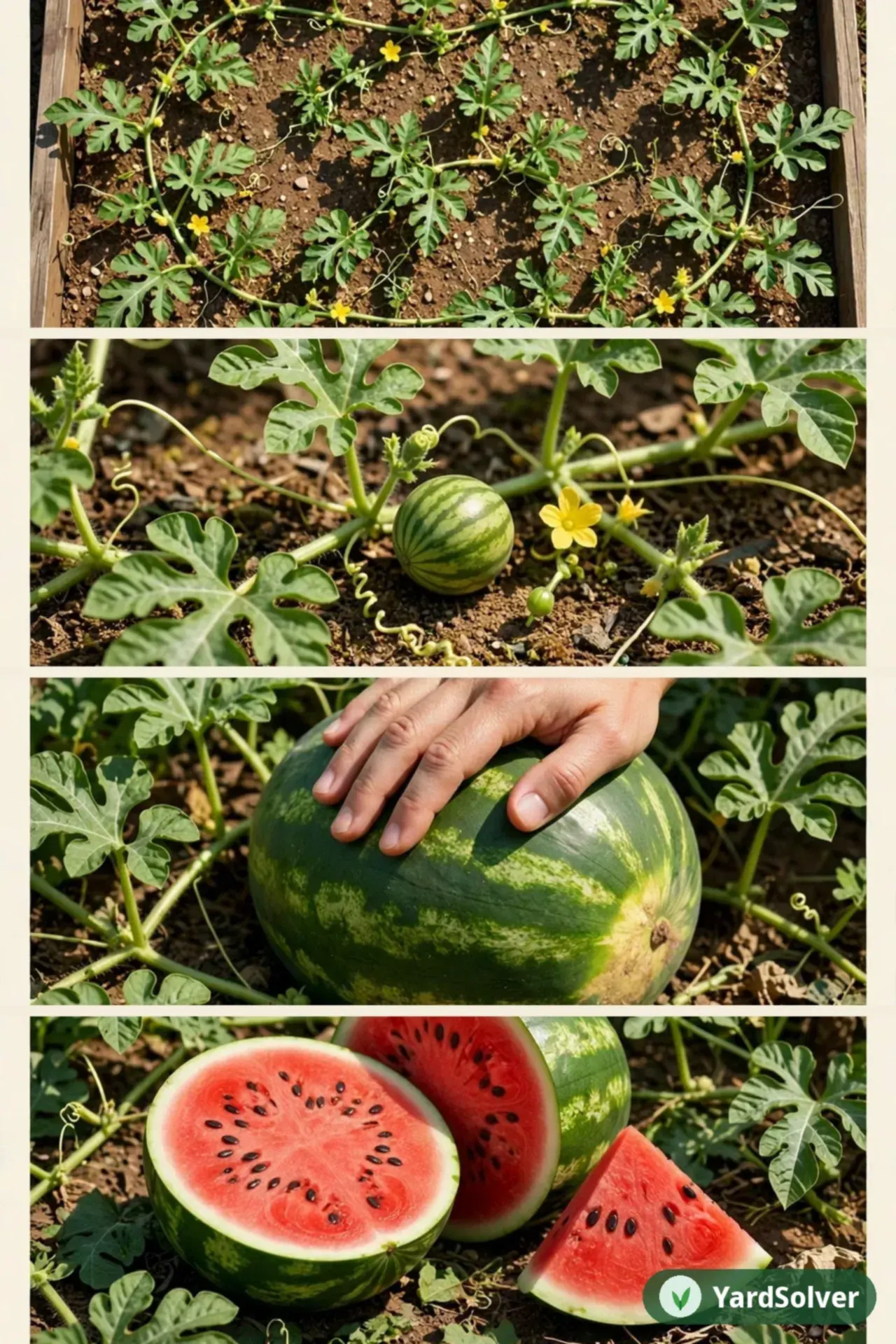
How to plant and grow watermelon, step by step
Step 1 — Time it right
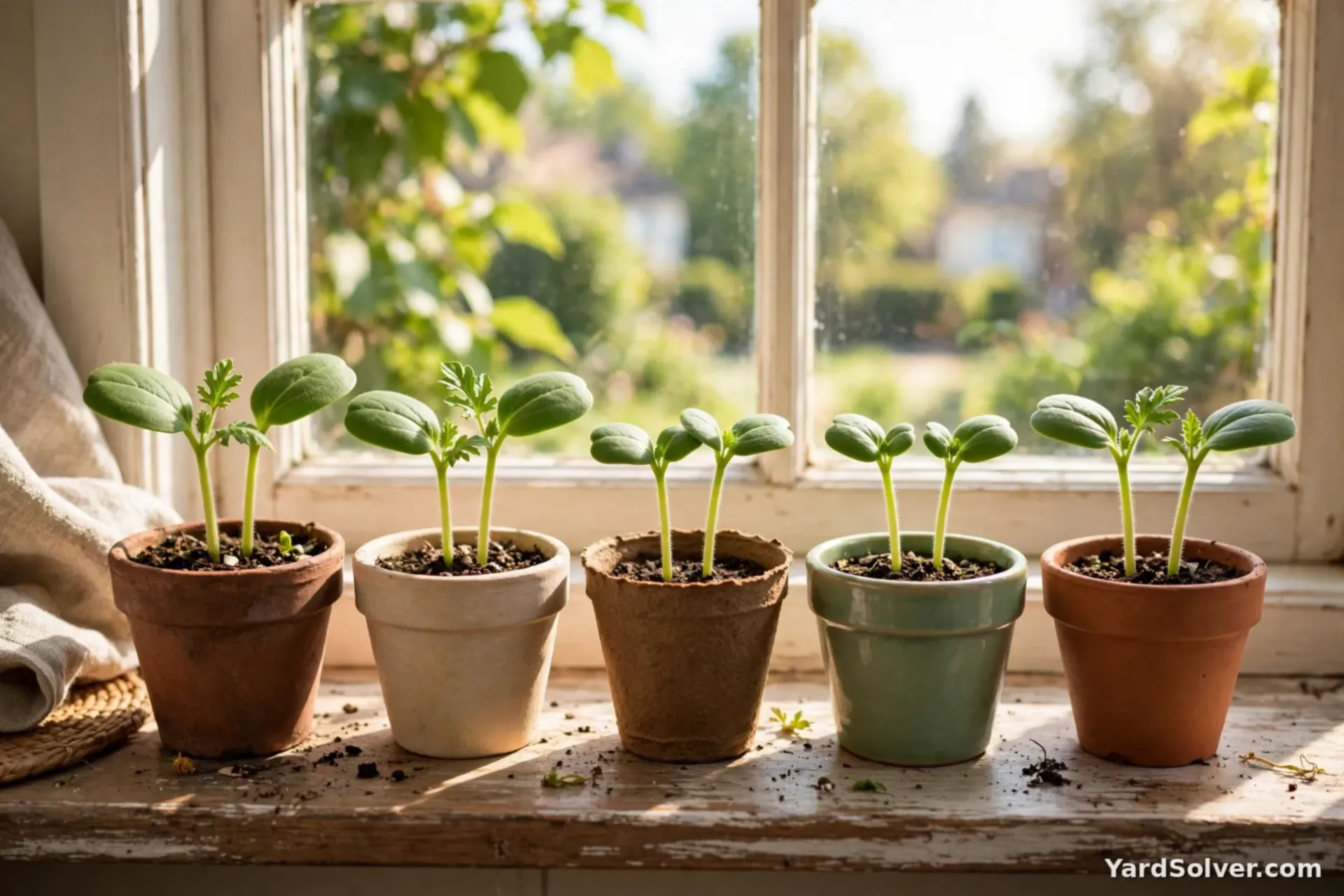
Sow indoors: 4 weeks before last frost; Sow outdoors: 2 weeks after last frost. All dates count from your average last spring frost — the Planting Calendar turns them into real dates for your garden. Watermelon is the most heat-loving melon of all: start indoors about 4 weeks before your last frost or direct sow about 2 weeks after it, into warm soil with plenty of room to sprawl.
Step 2 — Prepare the spot
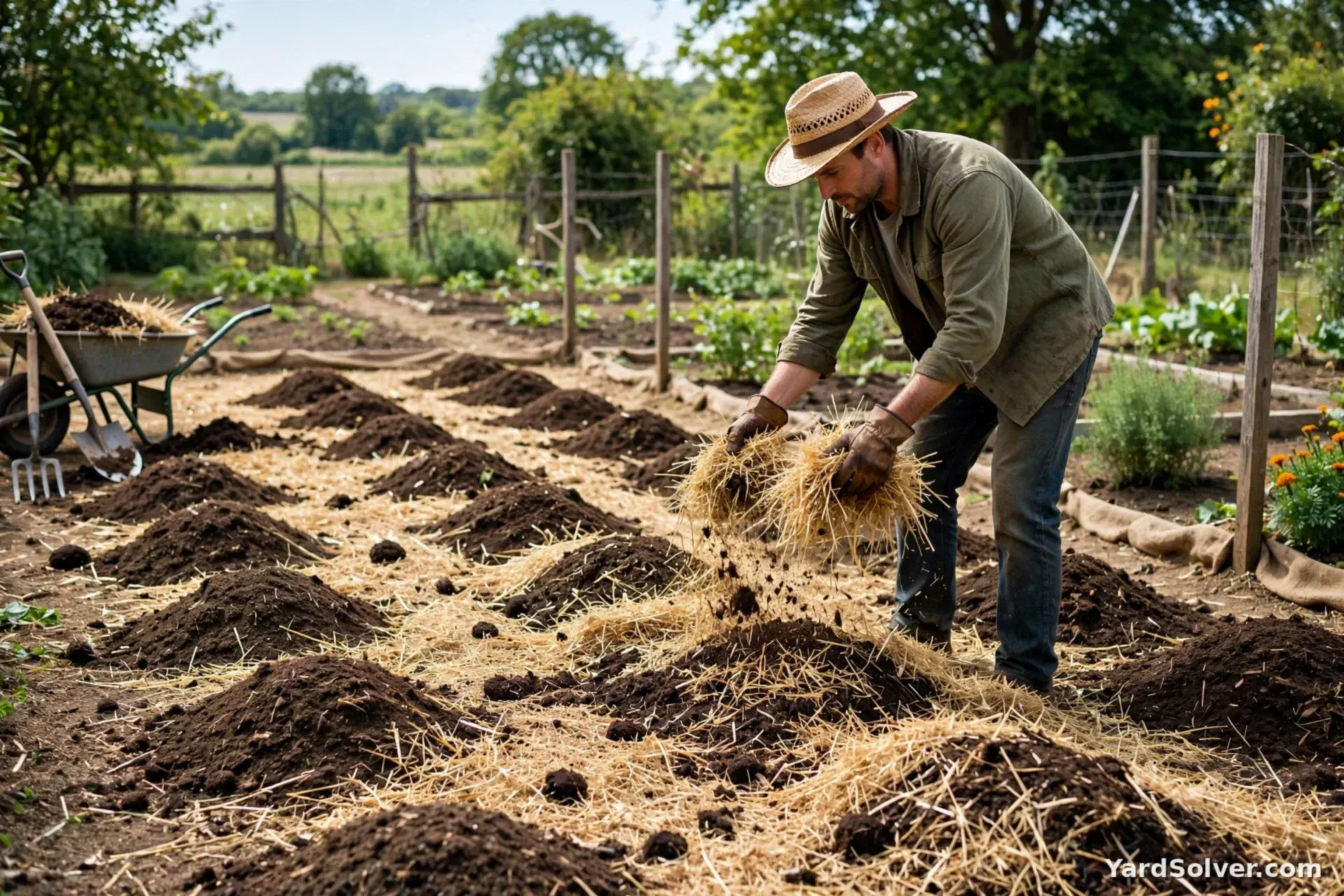
Sun: Full sun. Rich soil with compost worked in before planting, and a mulch on top once plants are growing. For these hungry, thirsty crops, steady moisture matters more than anything else. Work out how much you need with the Garden Mix Calculator or the Raised Bed Soil Calculator.
Step 3 — Sow and plant out
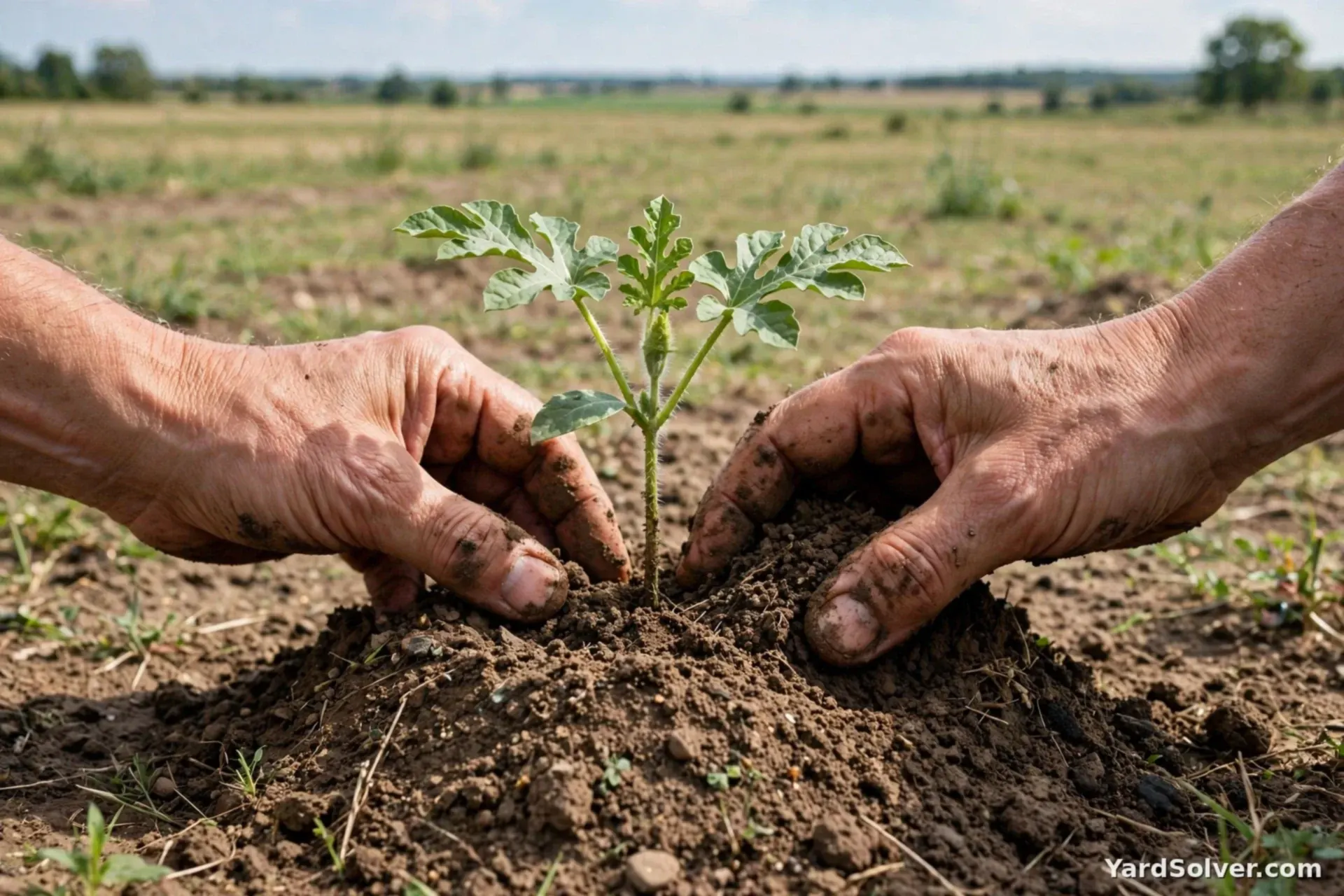
Start indoors 4 weeks before last frost at 1 in deep, or sow outdoors 2 weeks after last frost; plants finish spaced 36–60 in apart. Harden off indoor-started plants before they move out for good.
Step 4 — Water and feed
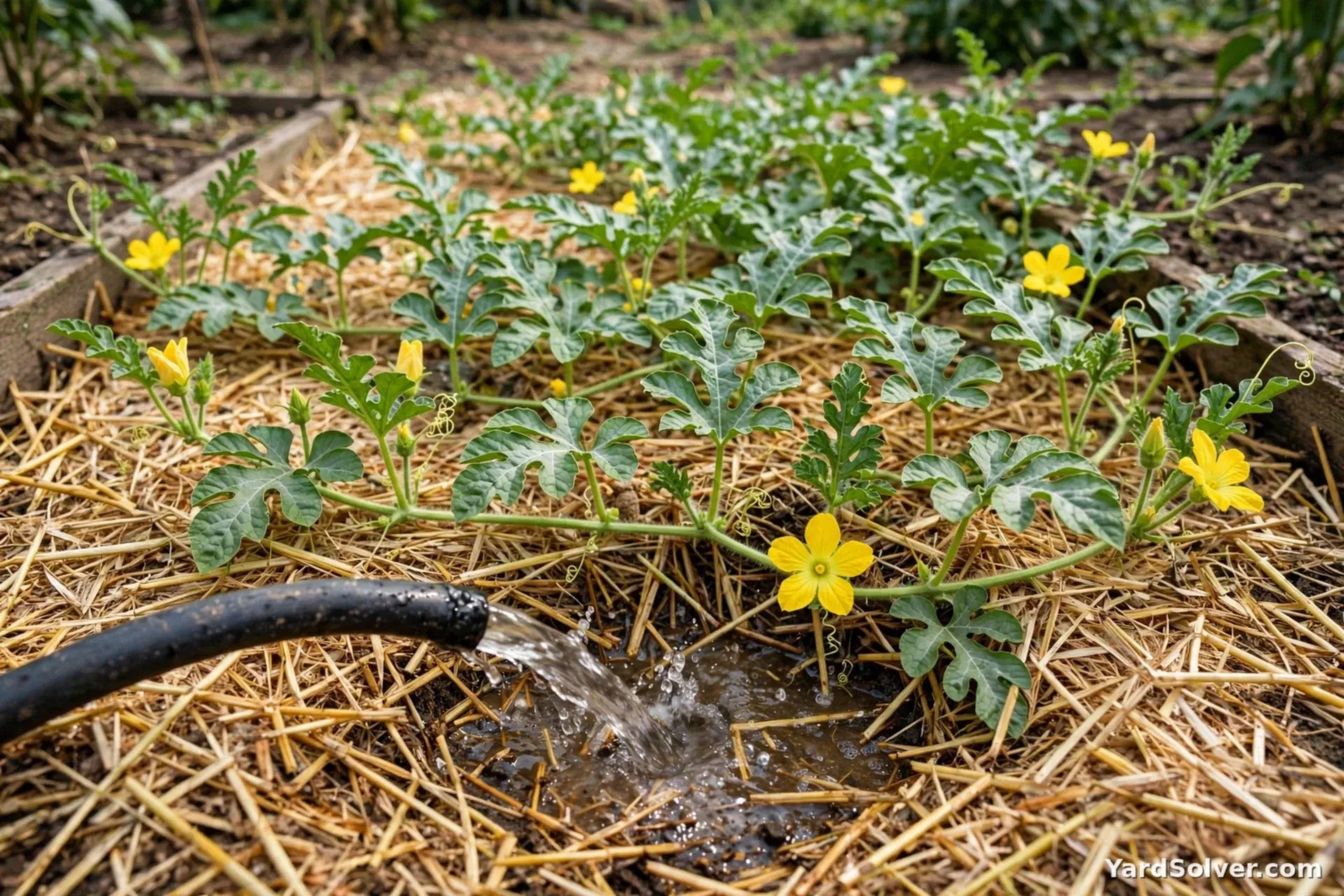
Water: Deep and steady while vines run. First feed: around day 32 — Feed as the vines start to run and flower, and keep the water deep and steady. The Fertilizer Calculator turns a bed size into the right amount.
Step 5 — Care and the problems to watch for
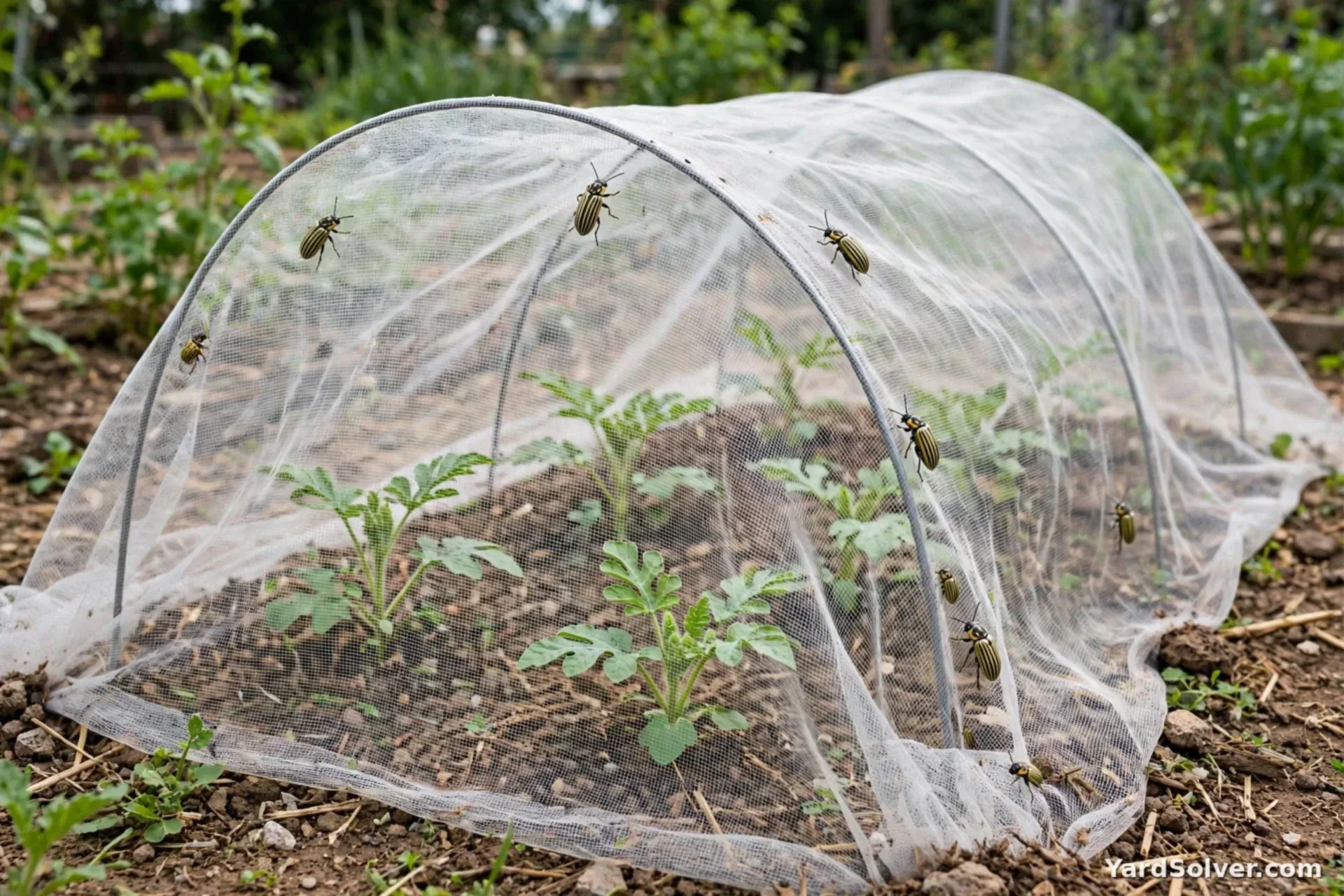
- Aphids and cucumber beetles early — cover young plants with mesh until flowering.
- Blossom end rot — even watering prevents it.
- Fruit rotting on wet soil — rest melons on straw or a board.
Take care: Wash the rind before cutting, so the knife does not carry anything from the skin into the flesh. Watermelon is naturally sweet and watery — eating a very large amount at once can upset the stomach.
Step 6 — Harvest
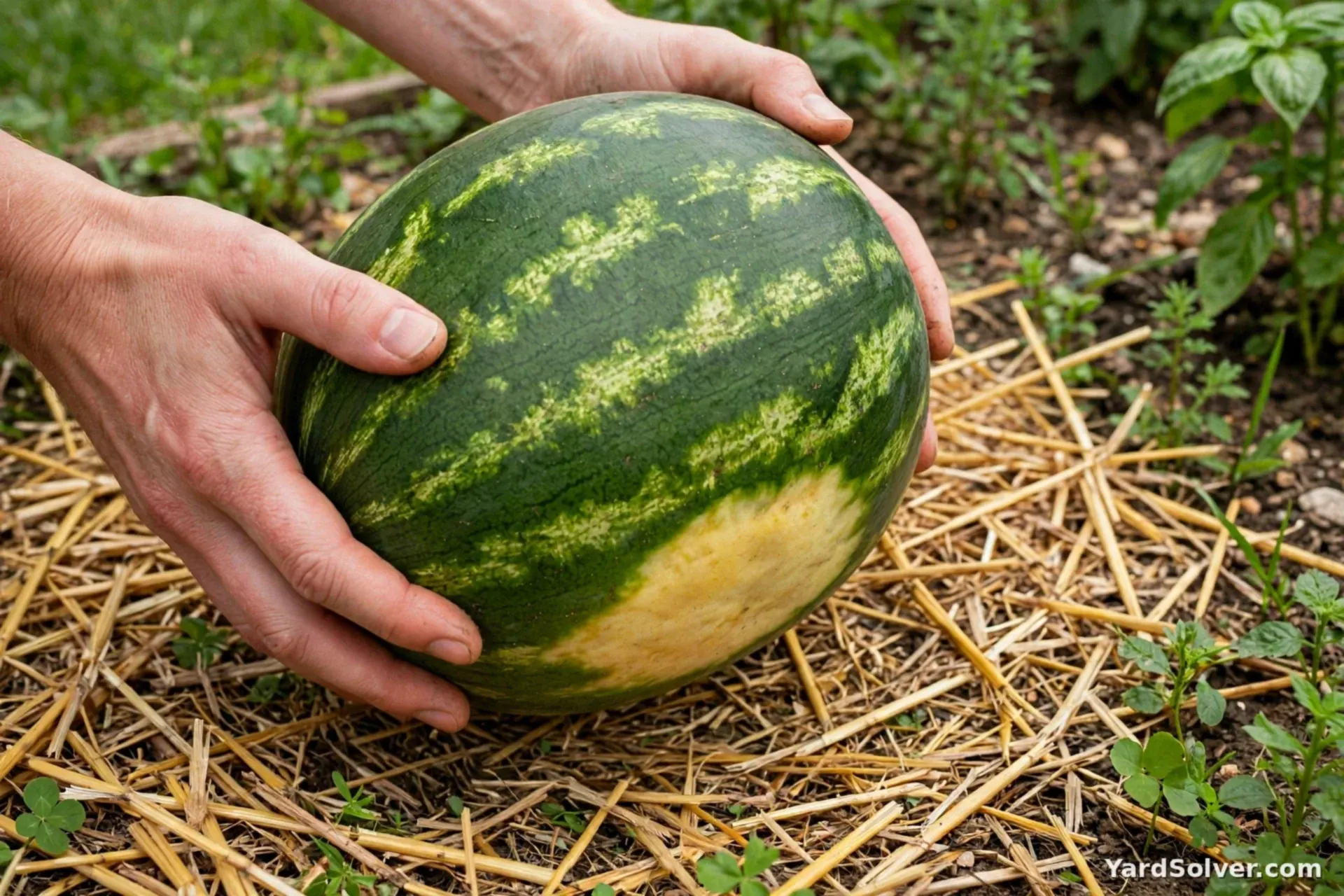
Ready in: 70–90 days. Harvest runs from about day 70 to 90 — check for a creamy yellow patch underneath and a dry tendril nearest the fruit.
📅 Your personal Watermelon schedule
Counted from your planting day — not a generic calendar. Day 0 is the day the seed went in the ground or the young plant went out.
Varieties worth growing
| Variety | Colour | Why gardeners like it |
|---|---|---|
| Sugar Baby | Dark green rind, red flesh | The classic small 'icebox' melon — the home-garden standard |
| Crimson Sweet | Striped green rind, red flesh | A large, dependable melon with sweet, firm flesh |
| Charleston Gray | Pale grey-green rind, red flesh | An old southern favourite — long melons that handle sun well |
| Yellow Doll | Striped rind, yellow flesh | A small icebox type with sunny yellow flesh |
| Moon and Stars | Dark green rind with yellow spots, red flesh | An heirloom with a star-speckled rind — even its leaves are spotted |
Good for you — and take care
Benefits
- Over 90 percent water — one of the most hydrating fruits there is
- Provides vitamin C and some vitamin A
- A source of lycopene, the red pigment it shares with tomatoes
- Provides potassium
- Sweet and filling for relatively few calories
Take care
- Wash the rind before cutting, so the knife does not carry anything from the skin into the flesh
- Watermelon is naturally sweet and watery — eating a very large amount at once can upset the stomach
A little history — and one good fact
Watermelons come from Africa, where wild melons still grow near the Kalahari Desert, and their seeds were placed in Egyptian tombs thousands of years ago. They spread across Asia and Europe, then reached the Americas with settlers. Modern breeding has made them sweeter and redder — and in the last century, created the seedless types most shops sell.
Fun fact: Watermelon seeds are edible — roasted, they are a popular snack in many countries, and the whole fruit, rind included, gets cooked or pickled somewhere in the world.
Keep going
Guides: When to Start Seeds Indoors · How to Prepare Garden Soil in Spring · How to Harden Off Seedlings
Calculators: Plant Spacing Calculator · Seed Calculator · Garden Mix Calculator
More fruit & melons: Muskmelon (Cantaloupe) · Strawberry · Raspberry · Honeydew Melon
← Back to the Plant Library · Get your personal planting dates
Questions people ask
When do I plant watermelon?
Count from your average last spring frost: sow indoors 4 weeks before last frost; sow outdoors 2 weeks after last frost. Watermelon is the most heat-loving melon of all: start indoors about 4 weeks before your last frost or direct sow about 2 weeks after it, into warm soil with plenty of room to sprawl.
How far apart do I space watermelon?
Space plants 36–60 in apart, with seed sown 1 in deep. Sun: full sun.
When is watermelon ready to harvest?
70–90 days. The most space-hungry melon — only for warm gardens with room to sprawl.