
Plant Library · Flowers
🔥 How to Grow Celosia (Cockscomb)
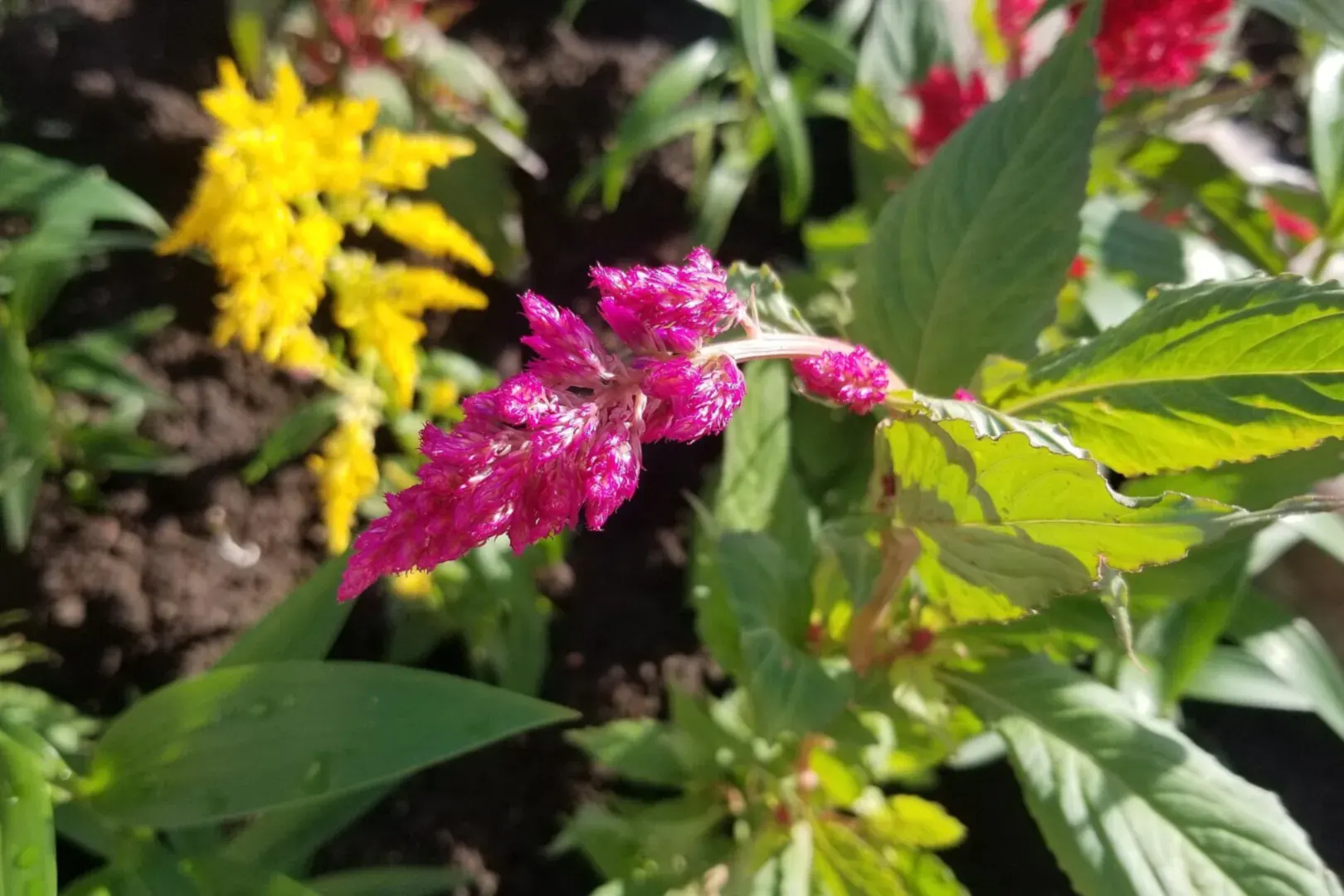
Flames, corals and velvet brains in the hottest colours of summer — celosia is the heat-lover's annual. Celosia (Celosia argentea groups) comes in three shapes: feathery plumes (Plumosa), crested cockscombs (Cristata) and wheat-like spikes (Spicata). All of them share one rule: never chill them. Start warm, plant out late into warm soil, and they blaze from July to frost — then dry beautifully.
Grow Celosia (Cockscomb) with us — step by step
Everything for this plant is written step by step below — what to do, and exactly when. Read it through first if you like: you can grow it entirely on your own with that guide. Or start with us here — tell us your planting day and we lay out your personal schedule on this page, every next step on its own day, counted from your planting date. No guessing, no forgetting.
Step 1 — today: Sow celosia seed on the surface of warm seed mix indoors and keep it properly warm — cold is this plant's lifelong enemy.
Celosia (Cockscomb) at a glance
Sow indoors: 6 weeks before last frost, in warmth
Move outside: 2 weeks after last frost, into warm soil
Sow outdoors: Not recommended in cool climates — start indoors
Spacing · Seed depth: 11 in apart · barely cover — seed needs light
Sun: Full sun
Water: Moderate — steady, never soggy
Bloom: July to frost; excellent fresh and dried
Timing counts from your average last spring frost — get your own dates in the Planting Calendar. Guidance follows standard extension-service practice for Canada and the US.
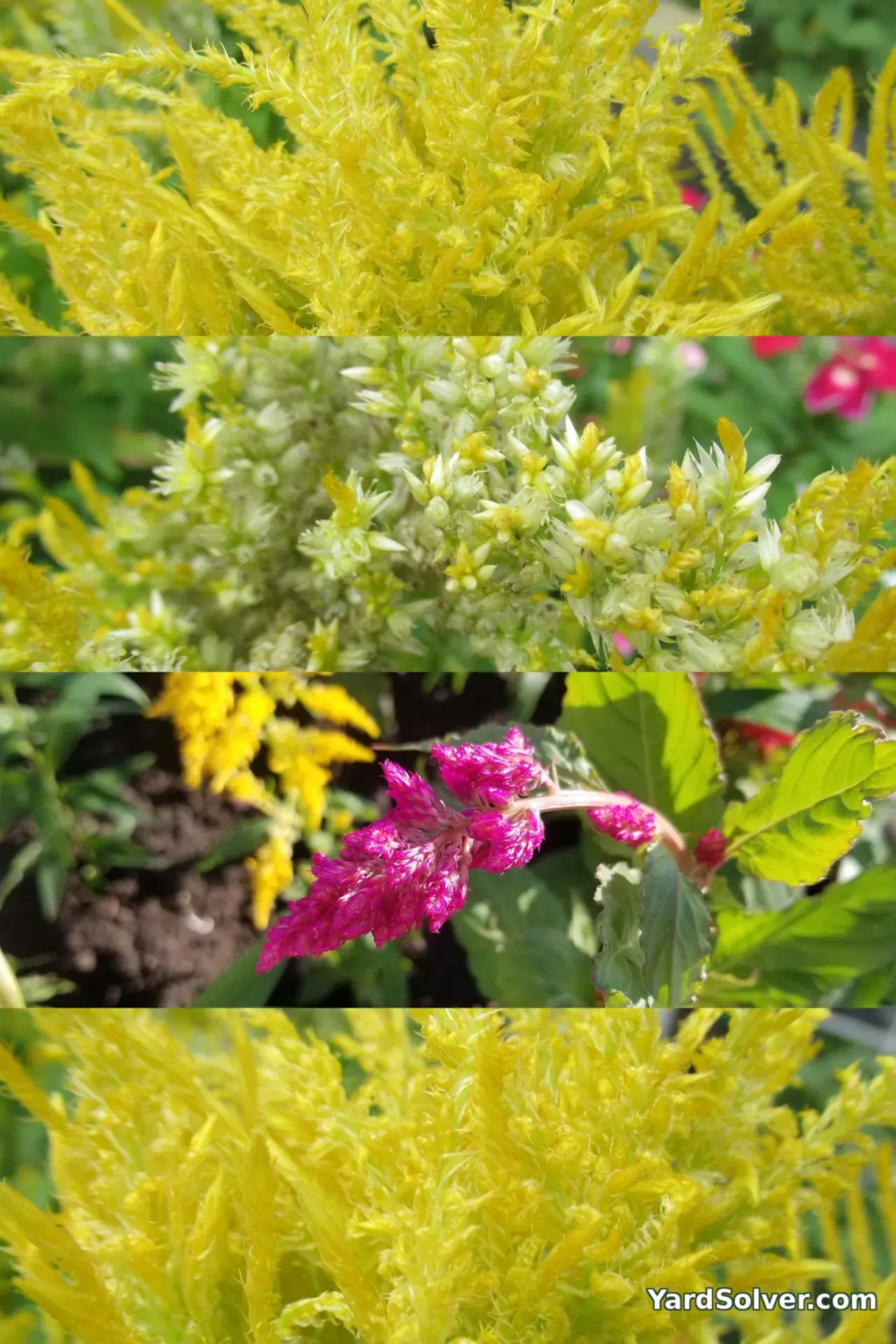
How to plant and grow celosia, step by step
Step 1 — Time it right
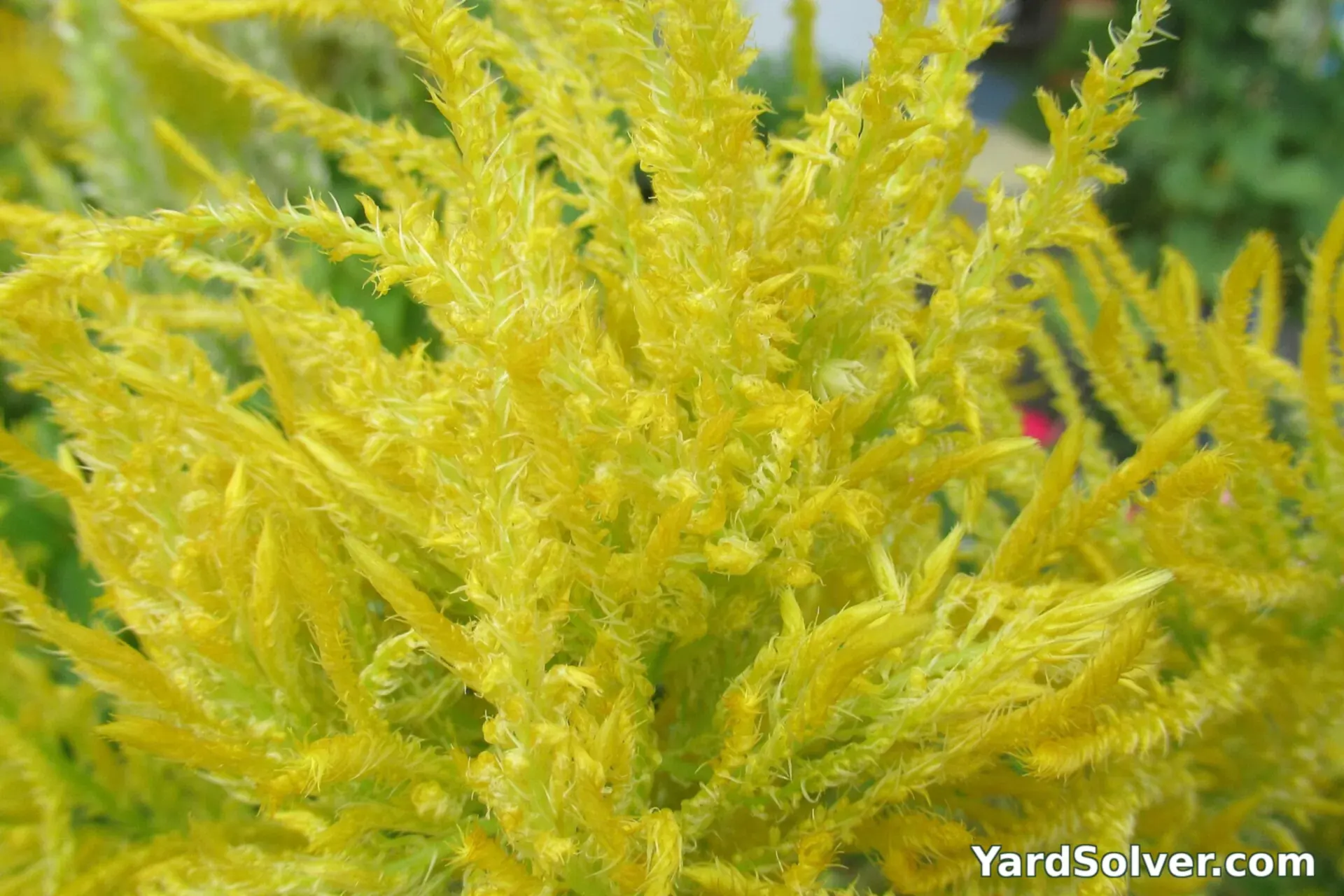
Sow indoors: 6 weeks before last frost, in warmth; Move outside: 2 weeks after last frost, into properly warm soil; Sow outdoors: only in hot climates. All dates count from your average last spring frost — the Planting Calendar turns them into real dates for your garden. Celosia germinates in 7–14 days at 21–25 °C / 70–77 °F, surface-sown in the light. Grow seedlings on warm and bright, and resist every temptation to plant out early: a check from cold soil makes plants bloom prematurely at 3 in tall and stay there. This is the last annual to go outside, after the peppers and basil are already in.
Step 2 — Prepare the spot
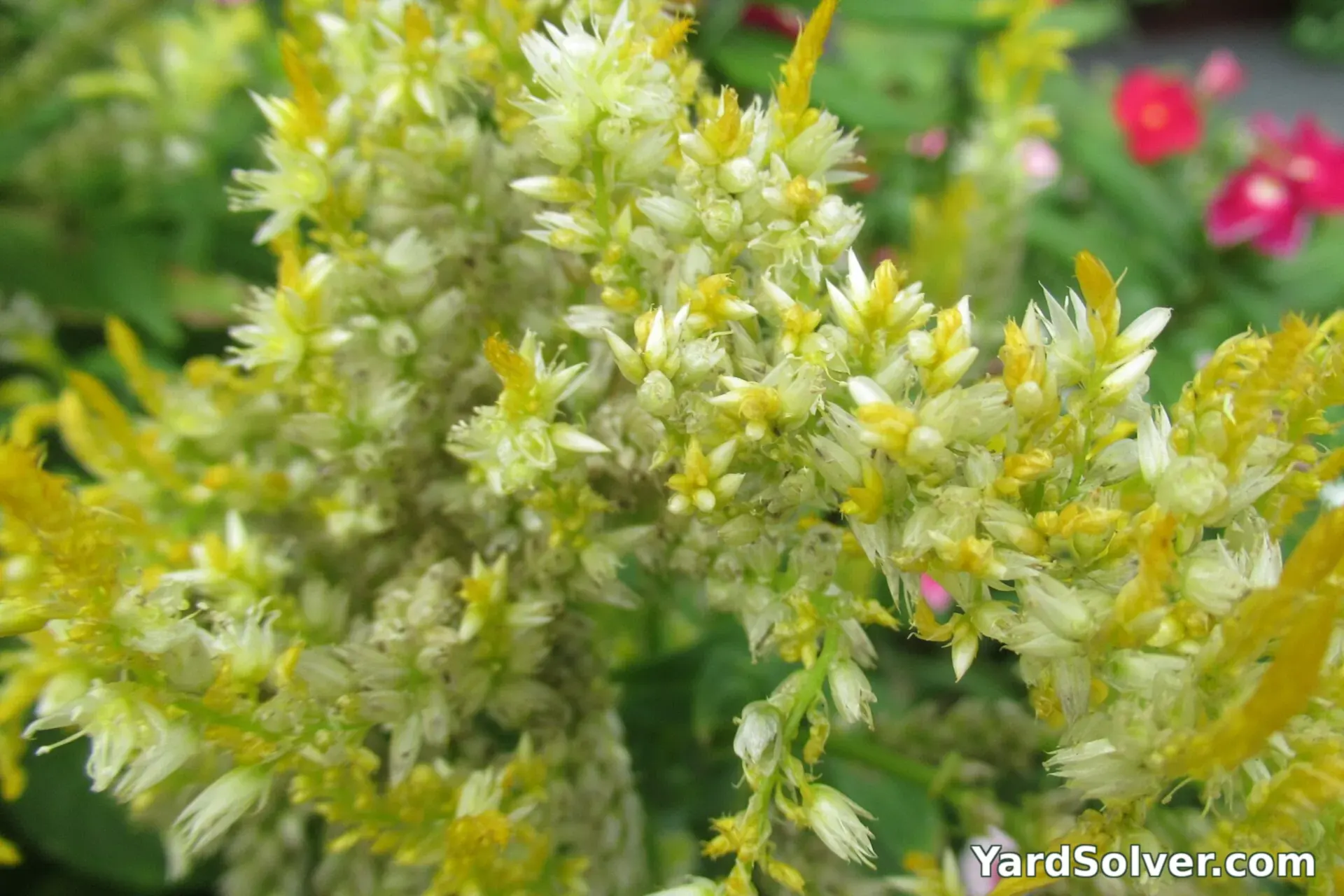
Give celosia heat and drainage: the sunniest bed, average-to-rich soil that never sits wet. It is a superb pot plant too, where soil warms faster. Work in compost for steady growth, but skip heavy nitrogen — the flowers need potash-leaning balance to colour up. For a raised bed, the Raised Bed Soil Calculator counts the bags for you; mixing your own? The Garden Soil Calculator gives the compost-rich split to aim for.
Step 3 — Sow and plant out
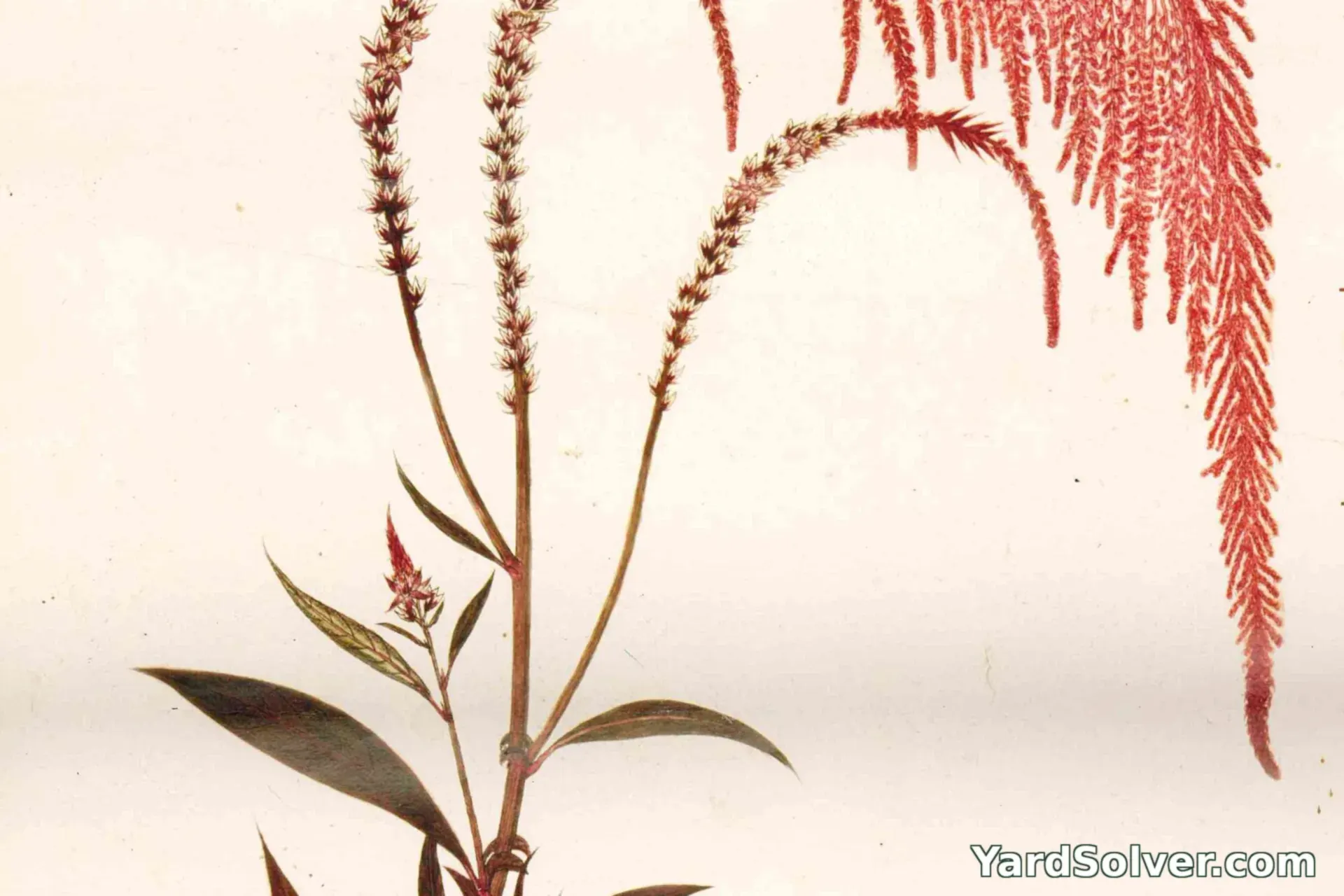
Set plants 11 in apart, sliding them from pots with roots undisturbed. The Plant Spacing Calculator turns your bed size into an exact plant count. Water in once and mulch after the soil has warmed. Good neighbours: celosia's hot colours are the making of late-summer beds with zinnias and ornamental grasses — plant it where the August garden needs fire.
Step 4 — Water and feed
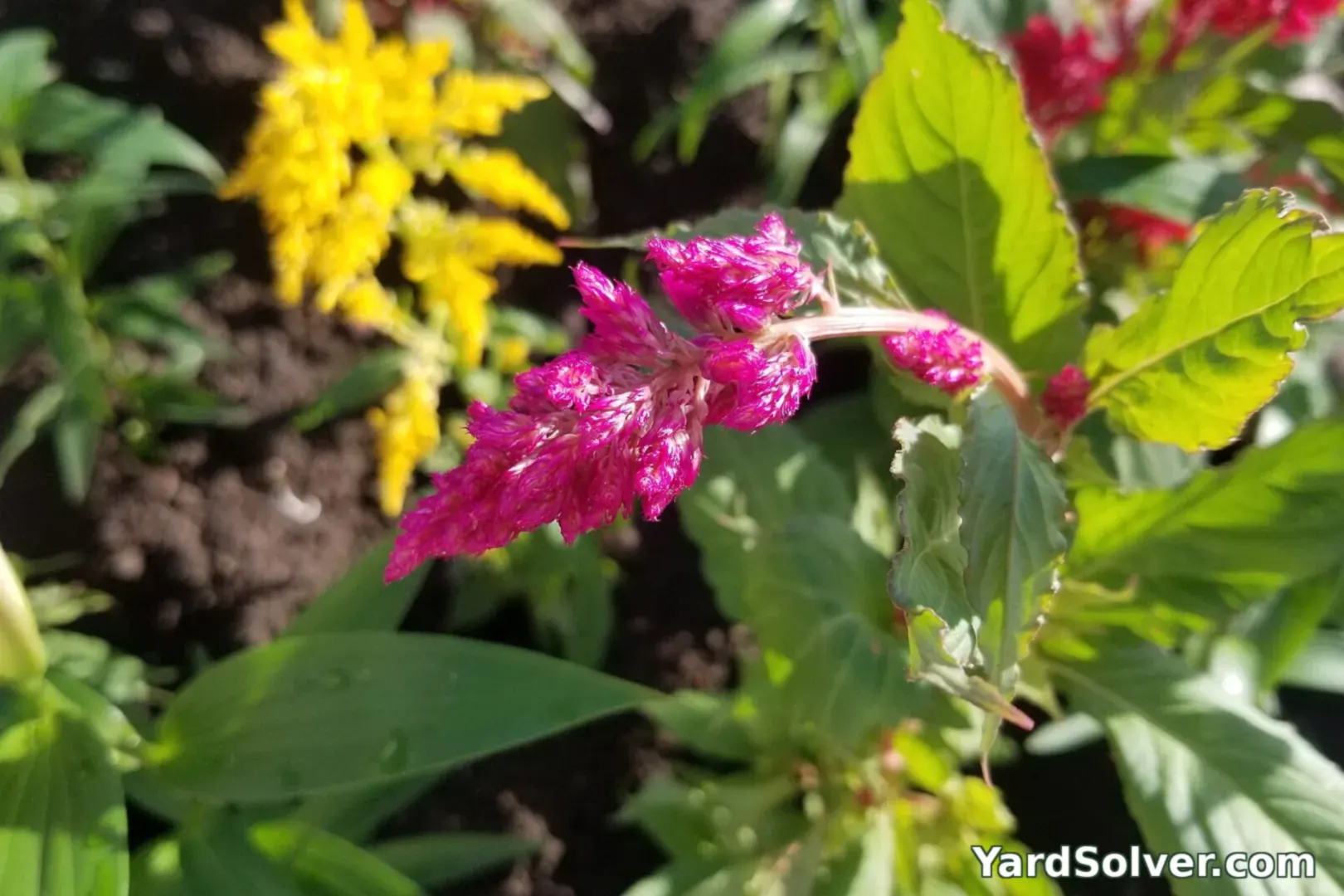
Water regularly so growth never checks, always at the base. Feed every two weeks with a balanced liquid feed — celosia in full flower is a hungry plant — the Fertilizer Calculator turns your bed size into exact amounts. In pots, expect to water daily in heatwaves.
Step 5 — Care and the problems to watch for
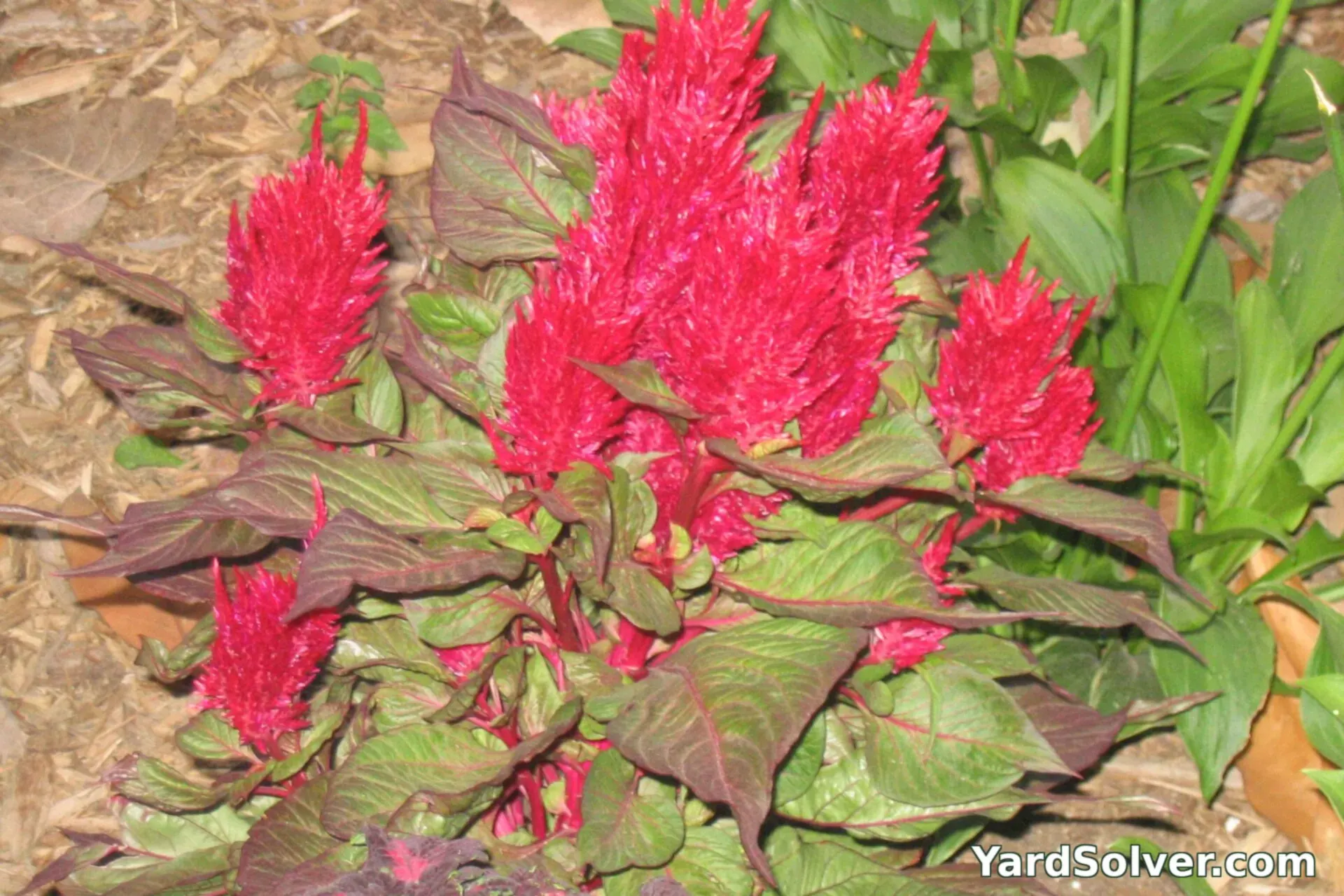
Pinch the first flower bud on plume types if you want heavy branching (or leave it for one tall central plume — your design, your call). Tall types may need a discreet stake.
- Tiny flowers on tiny plants — they were chilled early; start later and warmer next year.
- Stem rot at the base — wet, cold soil; drainage and patience about planting-out are the cure.
- Aphids in the crests — blast with water; the crests hide them well.
Step 6 — Harvest
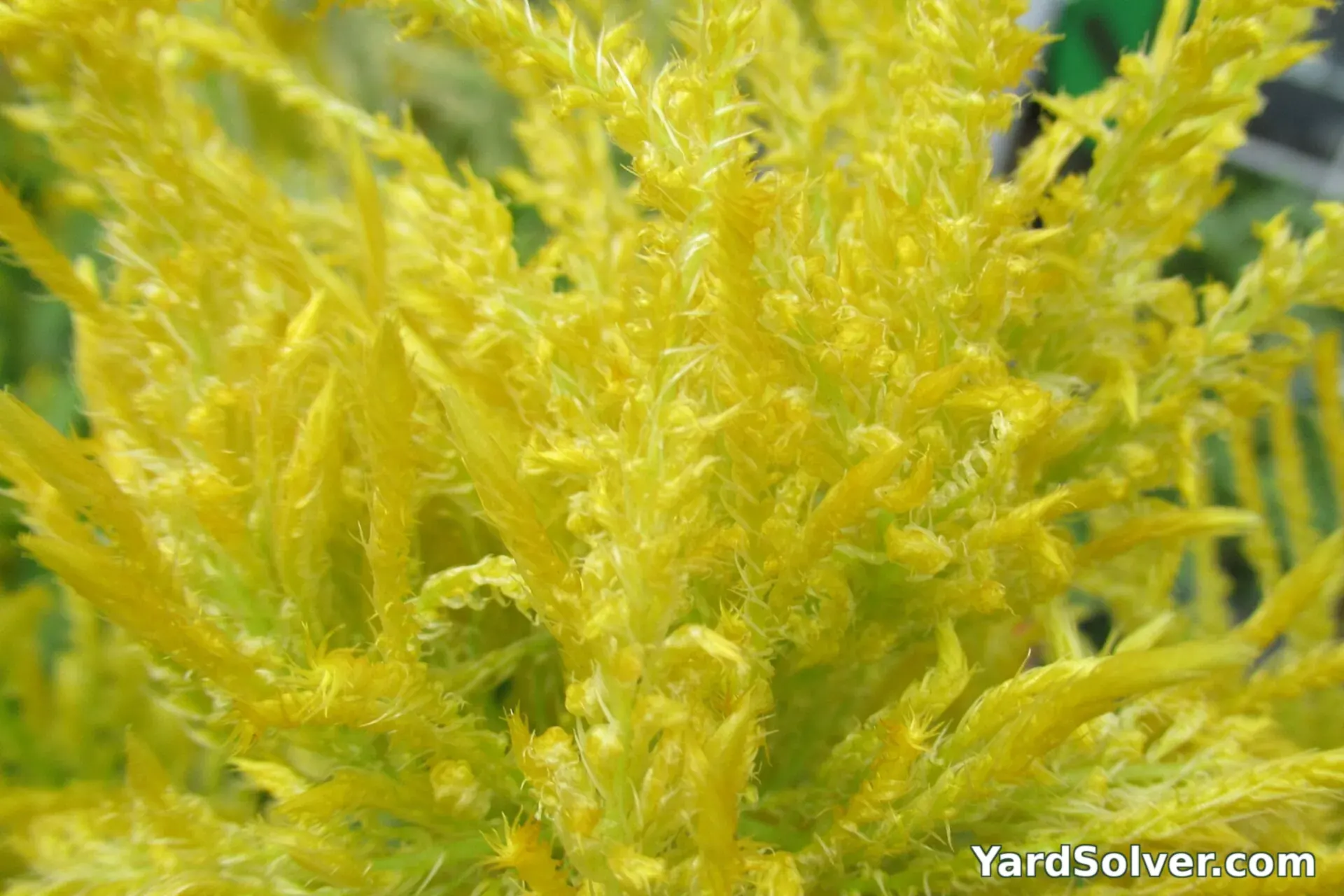
Cut fresh stems as the plumes reach full colour — they last about a week in water. For drying (where celosia truly shines, holding colour for a year or more), cut before the tiny black seeds start ripening at the base of the plume, strip the leaves, and hang small bunches upside down in the dark. Frost ends the show overnight — pick everything the day before it's forecast.
📅 Your personal Celosia (Cockscomb) schedule
Counted from your planting day — not a generic calendar. Day 0 is the day the seed went in the ground or the young plant went out.
Varieties worth growing
| Variety | Colour | Why gardeners like it |
|---|---|---|
| Flamingo Feather | Pink-white plumes, Spicata type | Wheat-like spikes that sway — lovely fresh and the easiest to dry. |
| Chief Mix | Huge crested combs, mixed fire colours | Cristata giants for the classic cockscomb look. |
| Fresh Look series | Compact plumes, red/gold/orange | Bushy, weather-tough plumes that hold their shape in rain. |
Good for you — and take care
Benefits
- The hottest colours in the summer garden — reds, oranges and golds that glow.
- Superb dried flower: plumes keep their colour for a year or more.
- Flowers from July to the first frost, in the heat other annuals hate.
Take care
- Never chill it — cold soil at planting causes stunted, premature bloom.
- Wet soil rots the stem base; drainage matters.
- Plant out late — it's the last annual to leave the greenhouse.
A little history — and one good fact
Celosia comes from tropical Africa and Asia — its name is Greek for 'burning', for the flame-like plumes. In West Africa and Southeast Asia the leaves are a staple potherb ('Lagos spinach'), while gardeners elsewhere bred the flowers into the plumes, crests and spikes we grow for show.
Fun fact: A single cockscomb crest is a botanical oddity called fasciation — hundreds of stems fused into one velvet fan, which is why no two crests are ever alike.
Keep going
Guides: Succession planting · Companion planting basics · Pollinator garden guide
Calculators: Plant Spacing Calculator · Garden Mix Calculator · Fertilizer Calculator
More flowers: Zinnia · Strawflower · Statice
← Back to the Plant Library · Get your personal planting dates
Questions people ask
Why are my celosia plants flowering at 3 inches tall?
They got cold. Chilling — in the greenhouse or from early planting-out — triggers premature flowering, and the plants never grow out of it. Start seed warm, keep seedlings warm, and plant out only into genuinely warm soil.
Can you dry celosia flowers?
Brilliantly — few flowers keep their colour better. Cut plumes before the tiny black seeds ripen at their base, strip the leaves, and hang small bunches upside down somewhere dark and dry.
What are the three types of celosia?
Plumosa types carry feathery flames, Cristata types carry the crested 'cockscombs', and Spicata types carry slender wheat-like spikes. All want the same treatment: warmth, sun and drainage.