
Plant Library · Flowers
🌼 How to Grow Zinnia
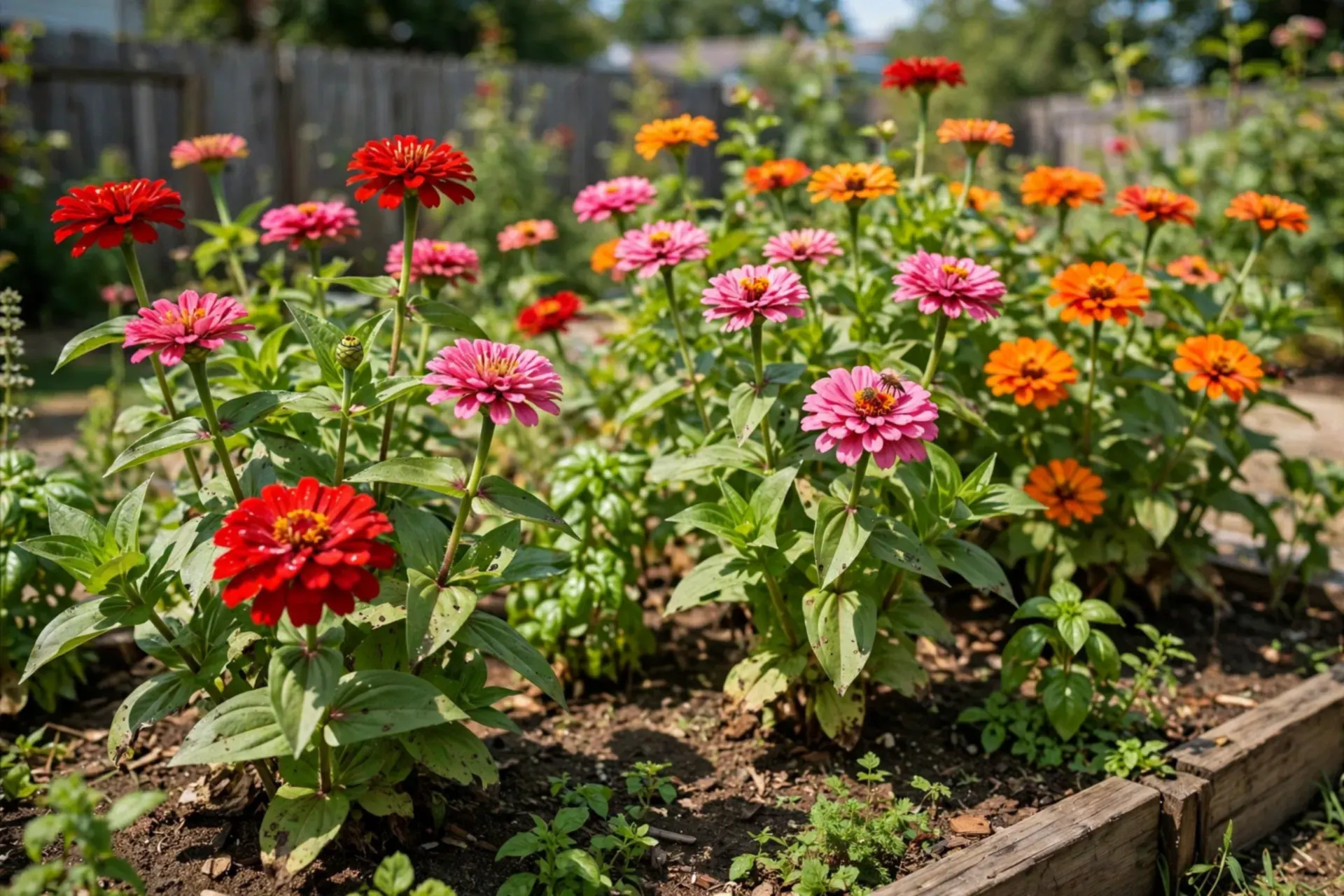
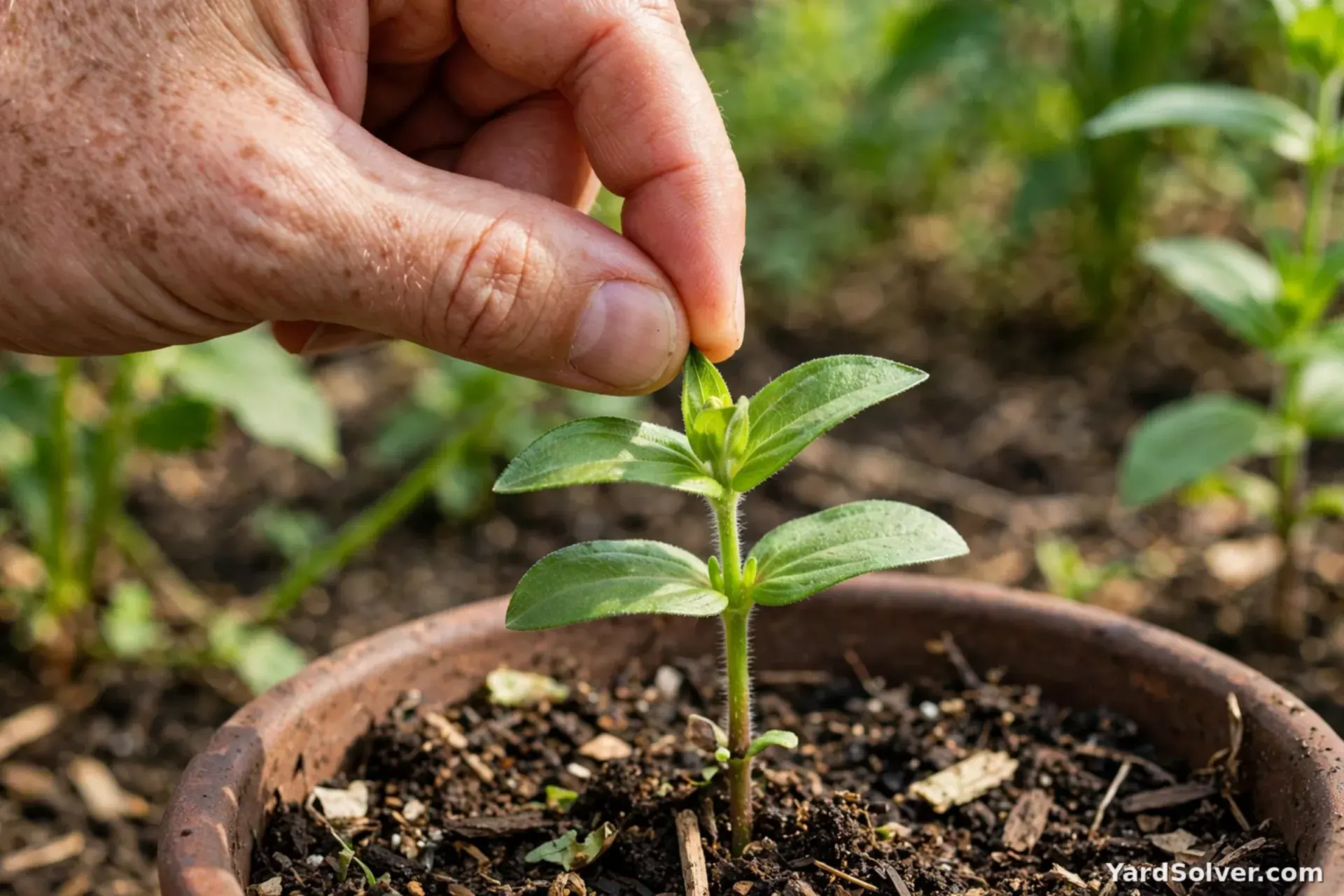
Hates cold soil and transplant shock — often best direct-sown. Zinnias are the easiest summer colour there is: sow them where they will flower, once the soil is warm, pinch them once for bushy plants, and cut or deadhead weekly — they answer with armfuls of blooms for butterflies, bees and the vase, right up to frost.
Grow Zinnia with us — step by step
Everything for this plant is written step by step below — what to do, and exactly when. Read it through first if you like: you can grow it entirely on your own with that guide. Or start with us here — tell us your planting day and we lay out your personal schedule on this page, every next step on its own day, counted from your planting date. No guessing, no forgetting.
Step 1 — today: Plant out your young Zinnia plants today (hardened off first), spaced 9–12 in apart, and water them in at the base. Starting from seed instead? Direct-sow now, 1/4 in deep — zinnia often does best sown where it will flower, and this same schedule counts from sowing day.
Zinnia at a glance
Sow indoors: 4 weeks before last frost
Move outside: 2 weeks after last frost
Sow outdoors: 1 week after last frost
Spacing: 9–12 in · Seed depth: 1/4 in
Sun: Full sun
Water: Regular at the base — keep leaves dry
Harvest: Cut flowers from 60–70 days, all summer to frost
Timing counts from your average last spring frost — get your own dates in the Planting Calendar. Guidance follows standard extension-service practice for Canada and the US.
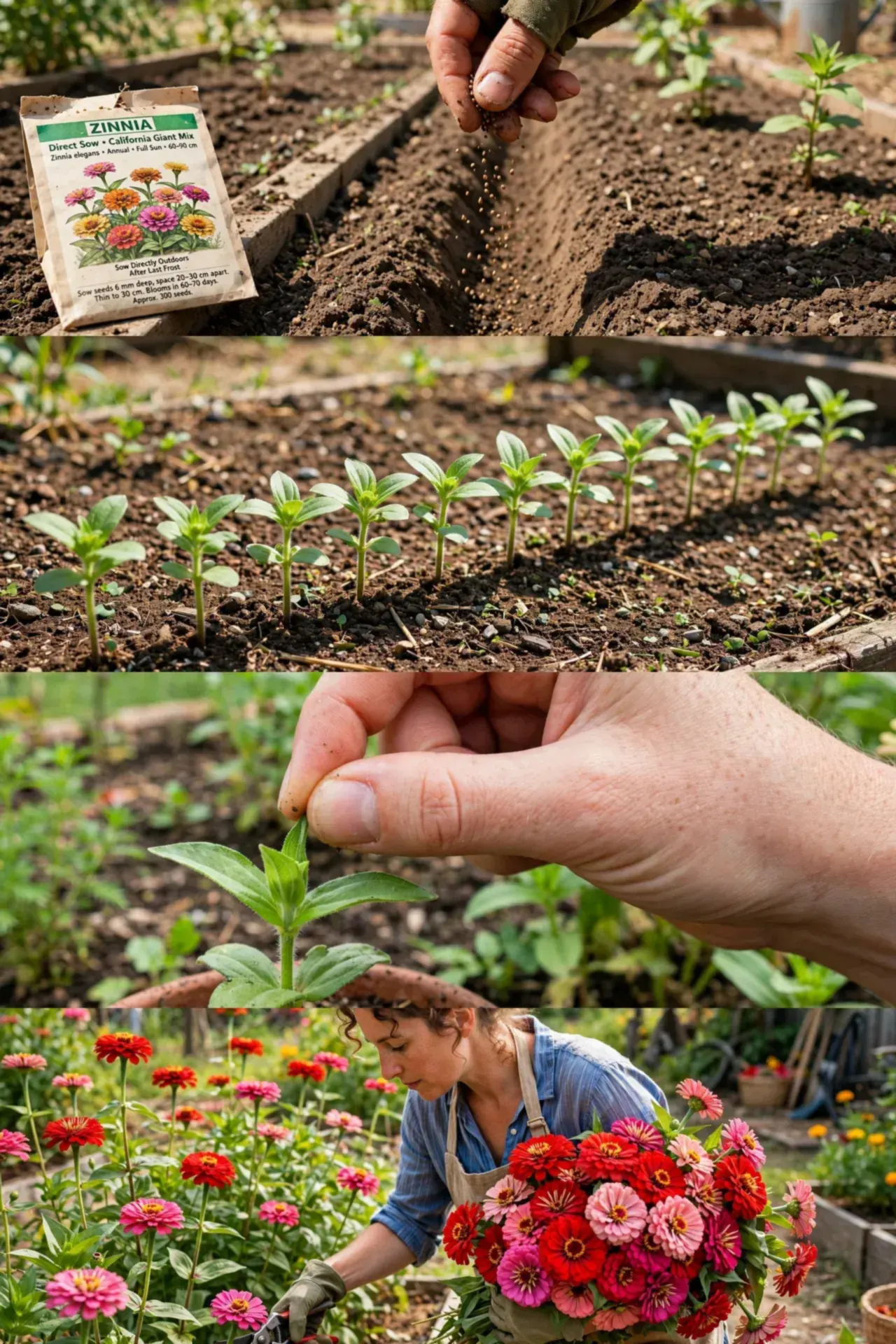
How to plant and grow zinnia, step by step
Step 1 — Time it right
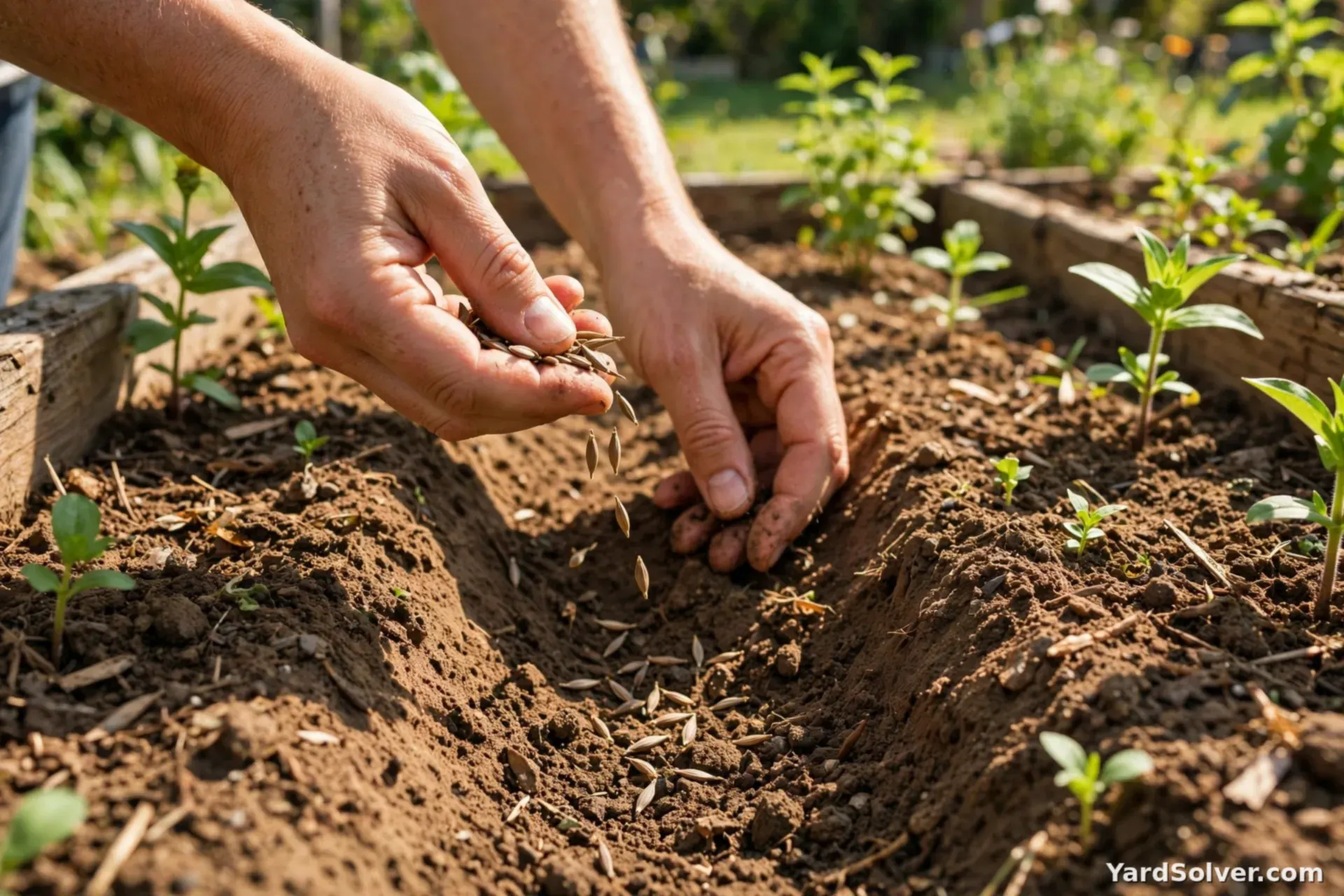
Sow indoors: 4 weeks before last frost; Move outside: 2 weeks after last frost; Sow outdoors: 1 week after last frost. All dates count from your average last spring frost — the Planting Calendar turns them into real dates for your garden. Zinnia seed rots in cold, wet soil and seedlings sulk if they are moved too early, so patience pays: start indoors only 4 weeks before last frost if at all, and direct-sow from about a week after it, once the soil feels warm. Warmth, not the calendar alone, is the trigger.
Step 2 — Prepare the spot
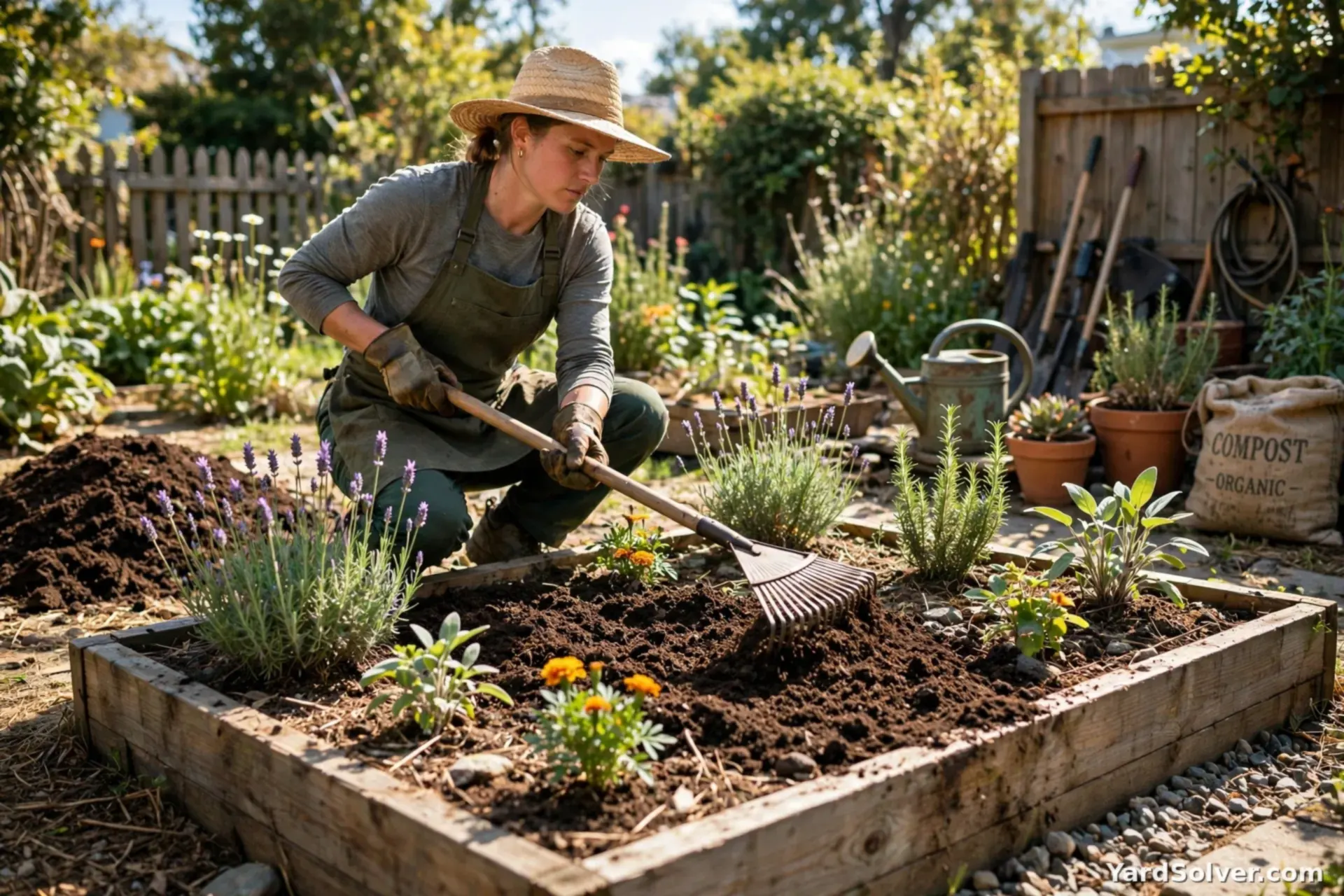
Sun: Full sun. Average garden soil, well drained, with a little compost forked in at planting time — zinnias resent heavy feeding and floppy growth follows it. Work out how much you need with the Garden Mix Calculator or the Raised Bed Soil Calculator.
Step 3 — Sow and plant out
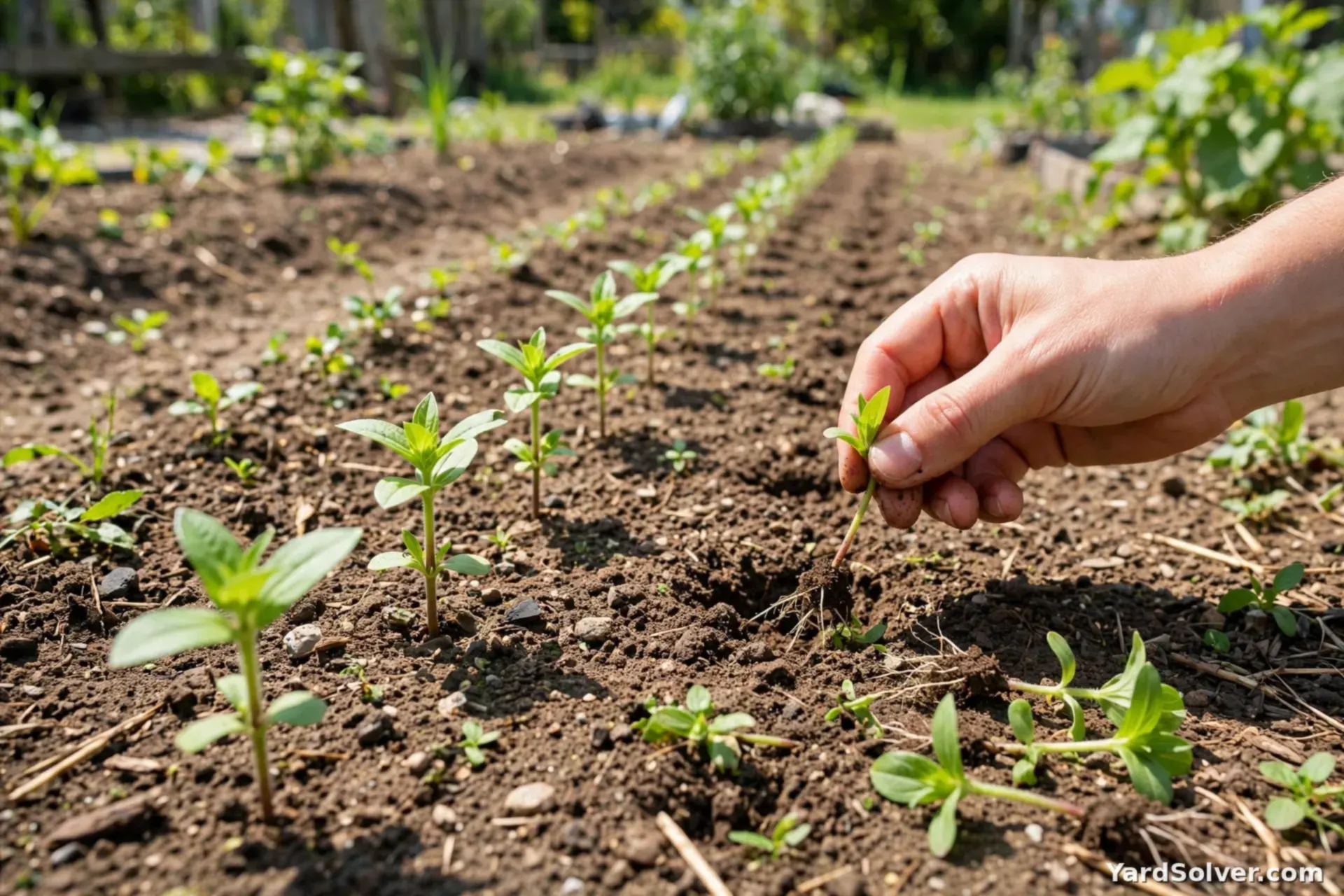
Sow 1/4 in deep where the plants will flower, or plant out hardened-off indoor starts (see How to Harden Off Seedlings) 2 weeks after last frost; either way, finish with plants spaced 9–12 in apart — elbow room is the best mildew prevention there is. The Plant Spacing Calculator turns that spacing into plants-per-bed.
Step 4 — Water and feed
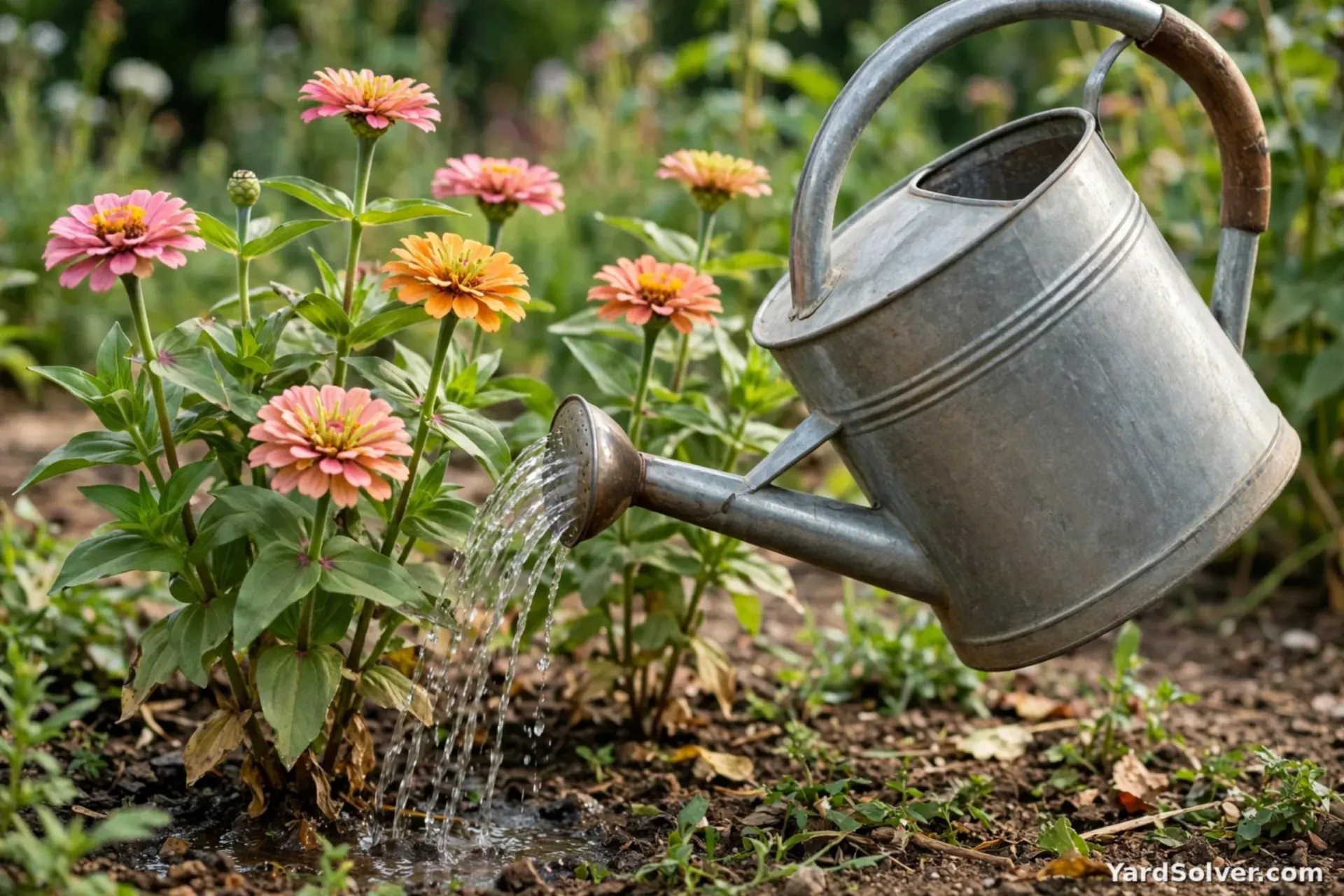
Water: Regular at the base — keep leaves dry. Overhead watering wets the foliage and invites mildew and leaf spot; a can or drip line aimed at the soil avoids both. Feed lightly every few weeks in poor soil. The Fertilizer Calculator turns a bed size into the right amount.
Step 5 — Care and the problems to watch for
- Powdery mildew — white dust on leaves in humid weather; space plants well and water at the base.
- Japanese beetles — metallic green beetles skeletonizing flowers and leaves; pick them off into soapy water in the morning.
- Bacterial leaf spot — dark spots with yellow halos, spread by splashing water; remove badly marked leaves and never water overhead.
Take care: Zinnias are grown as ornamentals — the flowers are for the vase, not the plate, so do not treat them as an edible flower.
Step 6 — Harvest
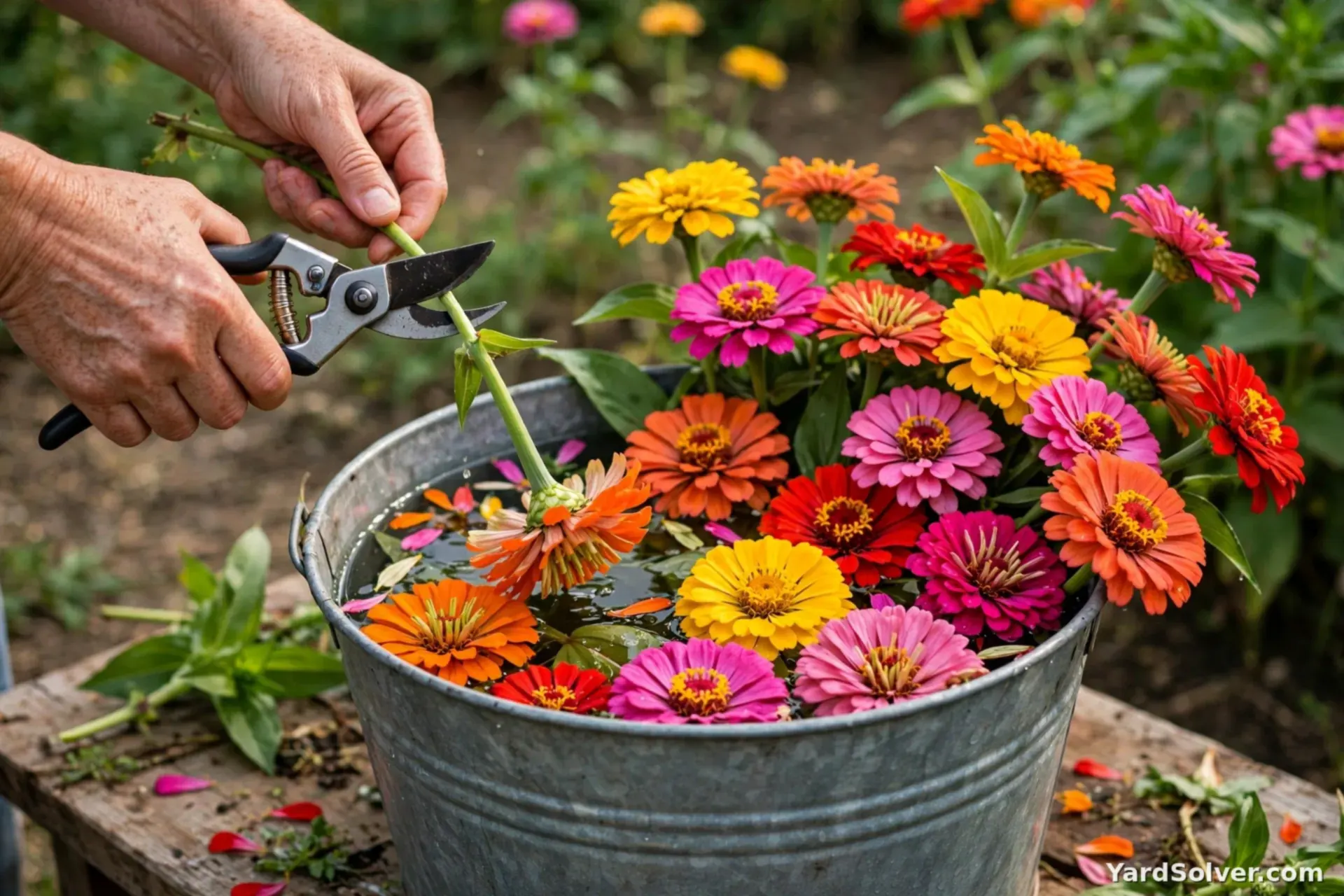
Ready in: Cut flowers from 60–70 days, all summer to frost. Cut stems long, just above a leaf pair, in the morning; the plant branches below the cut and flowers again. The wiggle test tells you a bloom is ready to cut: hold the stem sideways below the flower — if it stays stiff, it will last in the vase; if it flops, leave it a day or two.
Problems, pests & diseases — diagnosis and fixes
- White powdery patches spreading over leaves in humid weather: powdery mildew, the zinnia classic, worst on crowded plants late in the season. Fix: water only at the base, thin for airflow, and choose resistant series like Profusion or Zahara next year — see How to Get Rid of Powdery Mildew.
- Dark spots with yellow halos spreading up the leaves: bacterial or Alternaria leaf spot, splashed up from the soil by rain and overhead watering. Fix: remove the worst leaves, mulch under the plants, water at the base, and do not save seed from badly affected plants.
- Metallic green-and-copper beetles eating flowers and skeletonizing leaves: Japanese beetles. Fix: pick them off into a bucket of soapy water in the cool of the morning, when they are sluggish — see How to Get Rid of Japanese Beetles.
- Seed sown, and nothing comes up: cold, wet soil — zinnia seed rots below about 16°C (60°F). Fix: wait until the soil feels warm to the hand and sow again, shallow.
- Leaves finely speckled and dusty, with tiny webs in hot, dry weather: spider mites. Fix: shower the undersides of the leaves with water every few days and avoid letting plants bake dry.
- Sticky clusters of small insects on buds and new growth: aphids. Fix: blast off with water and repeat — the guide is How to Get Rid of Aphids.
📅 Your personal Zinnia schedule
Counted from your planting day — not a generic calendar. Day 0 is the day the seed went in the ground or the young plant went out.
Varieties worth growing
| Variety | Colour | Why gardeners like it |
|---|---|---|
| 'State Fair' | Mixed colours | Tall plants with big, old-fashioned blooms — a cutting-garden classic |
| 'Benary's Giant' | Mixed colours | The florist standard — huge double flowers on long, strong stems |
| 'Profusion' | Orange, red, white and pink | Compact, mildew-resistant and self-cleaning — made for edges and pots |
| 'Zahara' | Mixed colours, including bicolours | Bred for disease resistance and non-stop bloom in real heat |
| 'Queen Lime' | Lime-green shading to blush | Unusual soft green blooms that make every colour planted beside them look richer |
Good for you — and take care
Benefits
- Cut-and-come-again flowers from midsummer right up to frost
- One of the best butterfly flowers — flat landing pads full of nectar
- Bees work the open centres all day long
- Dead-easy seed to save — let one head dry on the plant and shake out the seed
- Fast colour: about two months from seed to first blooms
Take care
- Ornamental only — not an edible flower, despite how cheerful it looks
- Crowded, wet foliage mildews — give the plants air and water at the base
- The first frost ends them overnight — zinnias are true warm-season annuals
A little history — and one good fact
Zinnias come from the dry grasslands of Mexico, where they were grown long before seed reached Europe in the 1700s. The genus was named for the German botanist Johann Gottfried Zinn, and the plain wild flower was bred over two centuries into the doubles, giants and dwarfs we grow now.
Fun fact: A zinnia was the first flower ever grown — and flowered — in space, blooming aboard the International Space Station in 2016.
Keep going
Guides: Earliest Seeds to Start Indoors · How to Get Rid of Powdery Mildew · How to Get Rid of Aphids
Calculators: Plant Spacing Calculator · Seed Calculator · Fertilizer Calculator
More flowers: Marigold · Cosmos · Dahlia
← Back to the Plant Library · Get your personal planting dates
Questions people ask
When do I plant zinnia?
Count from your average last spring frost: sow indoors 4 weeks before last frost; move outside 2 weeks after last frost; sow outdoors 1 week after last frost. Zinnias are warm-season annuals that hate cold soil and sulky transplants: wait until after the last frost, or start indoors only a few weeks ahead, and they will flower from about 60 to 70 days until frost.
How far apart do I space zinnia?
Space plants 9–12 in apart, with seed sown 1/4 in deep. Sun: full sun.
When does zinnia flower?
Cut flowers from 60–70 days, all summer to frost. Hates cold soil and transplant shock — often best direct-sown.