
Plant Library · Herbs
🌿 How to Grow Stinging Nettle
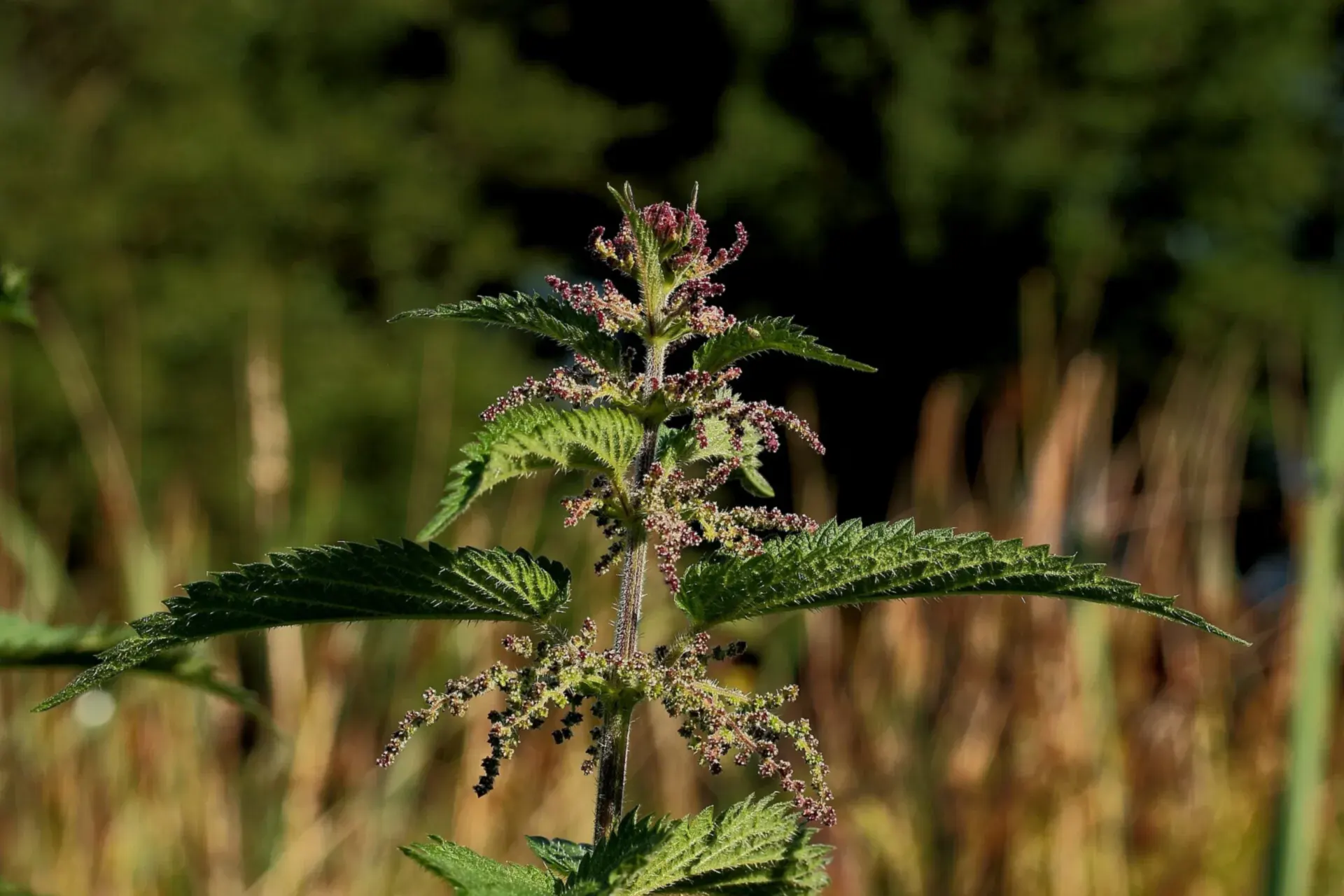
Yes, people plant it on purpose — the most nutritious wild green in the garden, if you give it a corner and wear gloves. Stinging nettle (Urtica dioica) is a perennial superfood, a butterfly nursery, and a fertilizer plant rolled into one. The honest gardener's approach: one contained patch in rich, damp ground, harvested young and often, and never, ever planted where bare legs walk.
Grow Stinging Nettle with us — step by step
Everything for this plant is written step by step below — what to do, and exactly when. Read it through first if you like: you can grow it entirely on your own with that guide. Or start with us here — tell us your planting day and we lay out your personal schedule on this page, every next step on its own day, counted from your planting date. No guessing, no forgetting.
Step 1 — today: Sow nettle seed on the surface of seed mix indoors — or transplant a piece of root from a wild patch (with permission) into your chosen corner.
Stinging Nettle at a glance
Sow indoors: 6 weeks before last frost
Move outside: 1 week after last frost
Sow outdoors: At last frost
Spacing · Seed depth: 12 in apart · barely cover — seed needs light
Sun: Part shade to full sun
Water: Regular — loves rich, damp soil
Harvest: Young tops in spring and after each cut; wear gloves
Timing counts from your average last spring frost — get your own dates in the Planting Calendar. Guidance follows standard extension-service practice for Canada and the US.
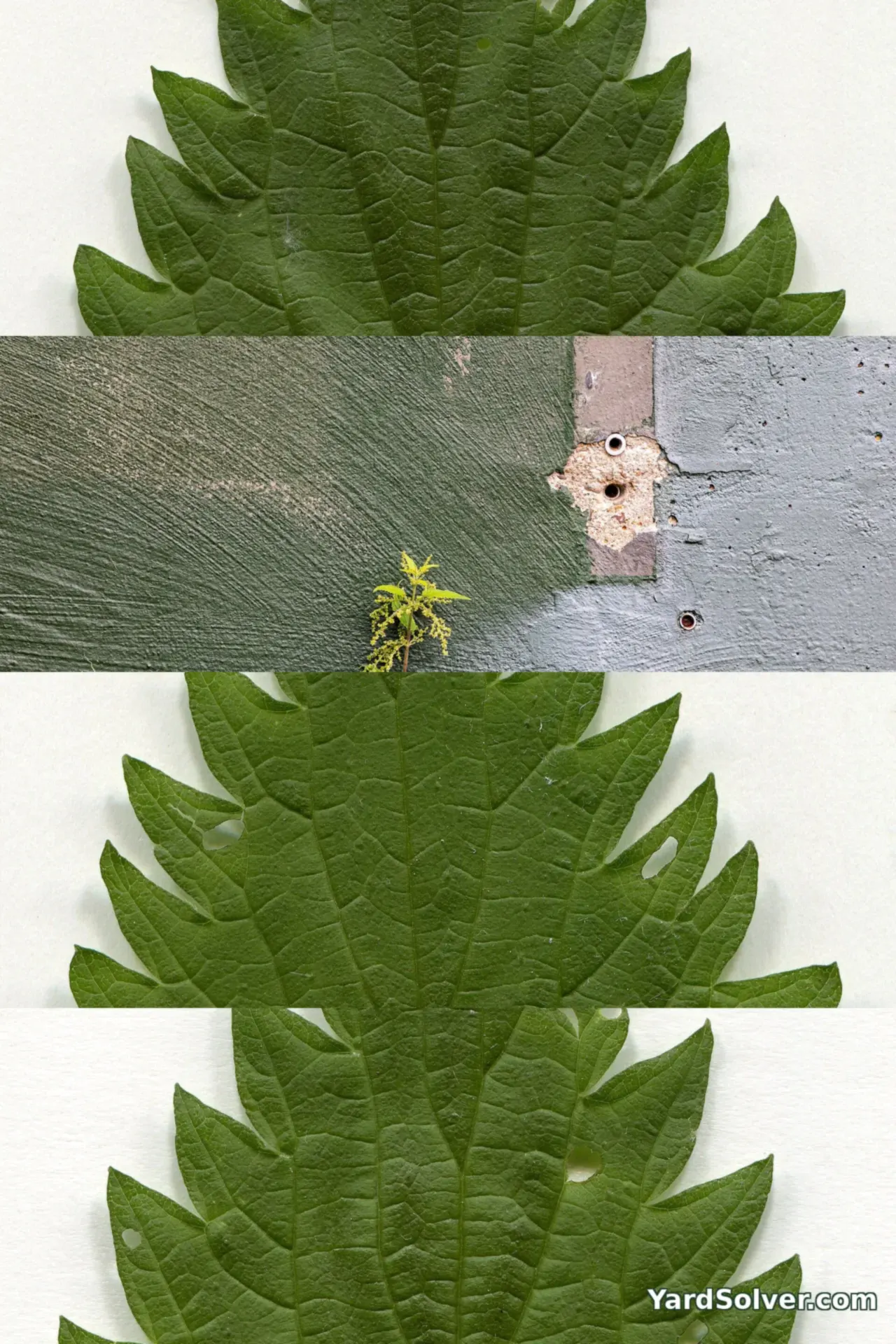
How to plant and grow stinging nettle, step by step
Step 1 — Time it right
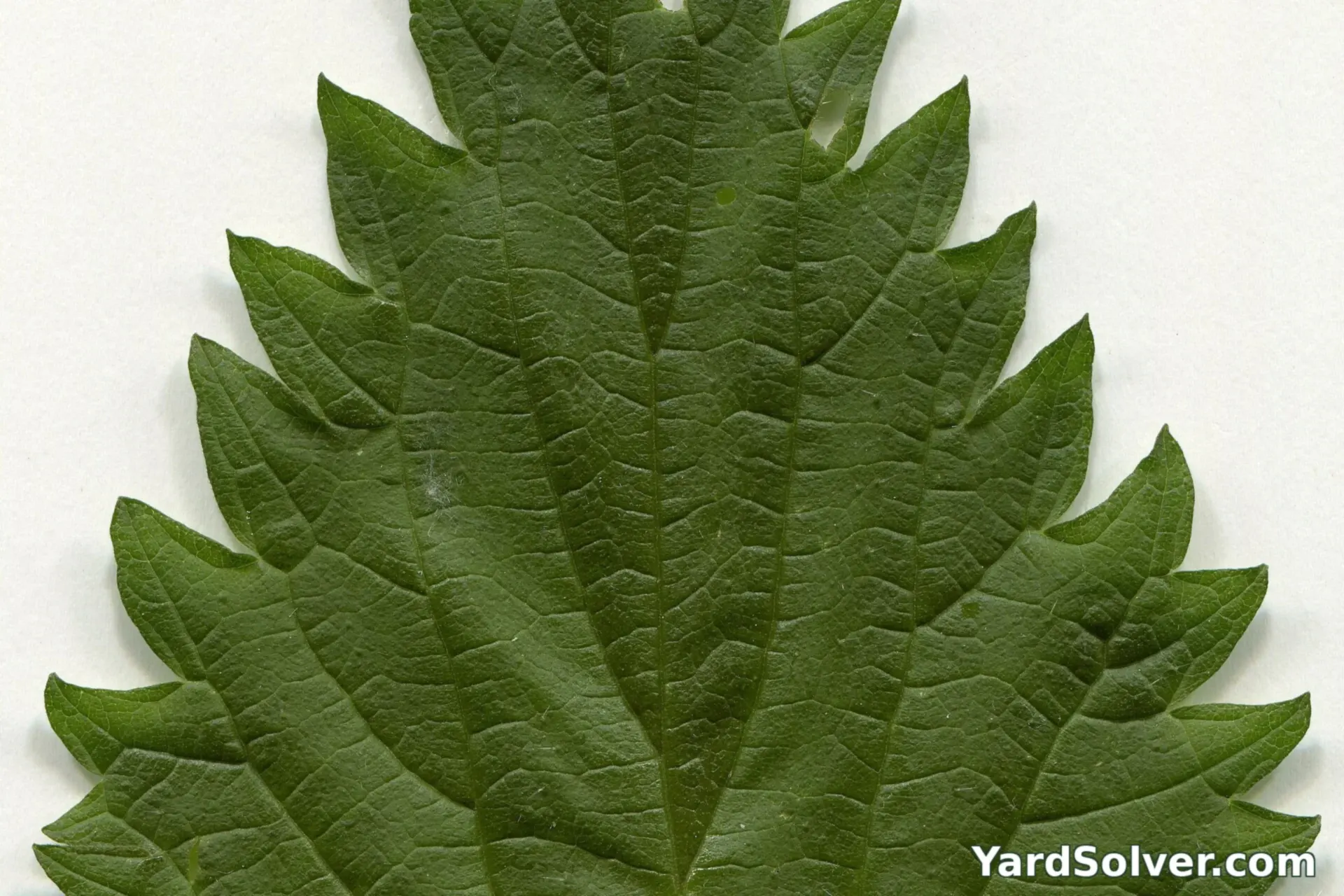
Sow indoors: 6 weeks before last frost; Move outside: 1 week after last frost; Sow outdoors: at last frost. All dates count from your average last spring frost — the Planting Calendar turns them into real dates for your garden. Nettle is a hardy perennial (zones 3–10) that germinates in 2–3 weeks from surface-sown seed, and still faster from a chunk of its yellow rhizome. Most gardeners start with a root piece planted in spring — one patch, established in a season, cropped for decades. Why grow what grows wild? Because a garden patch is clean, young growth is guaranteed, and you know exactly what has (and hasn't) been sprayed on it.
Step 2 — Prepare the spot
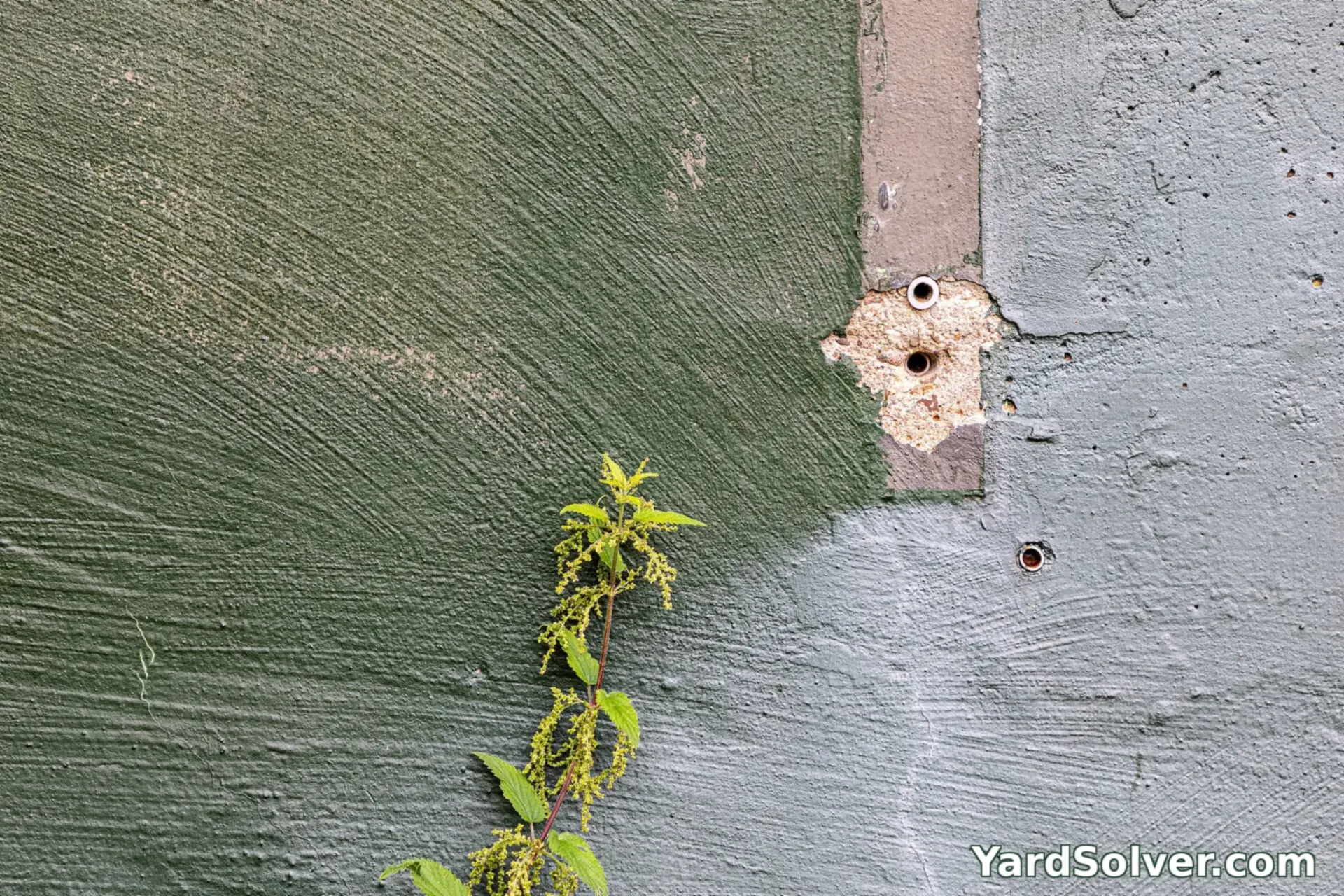
Nettles spread by creeping rhizomes and love rich, damp, nitrogen-heavy soil — the ground beside a compost heap is perfect. Give them a contained home: a bottomless bin sunk in the ground, a bed edged with buried boards, or a big permanent tub. Site it away from paths, play areas and any place skin meets plant by accident. For a raised bed, the Raised Bed Soil Calculator counts the bags for you; mixing your own? The Garden Soil Calculator gives the compost-rich split to aim for.
Step 3 — Sow and plant out
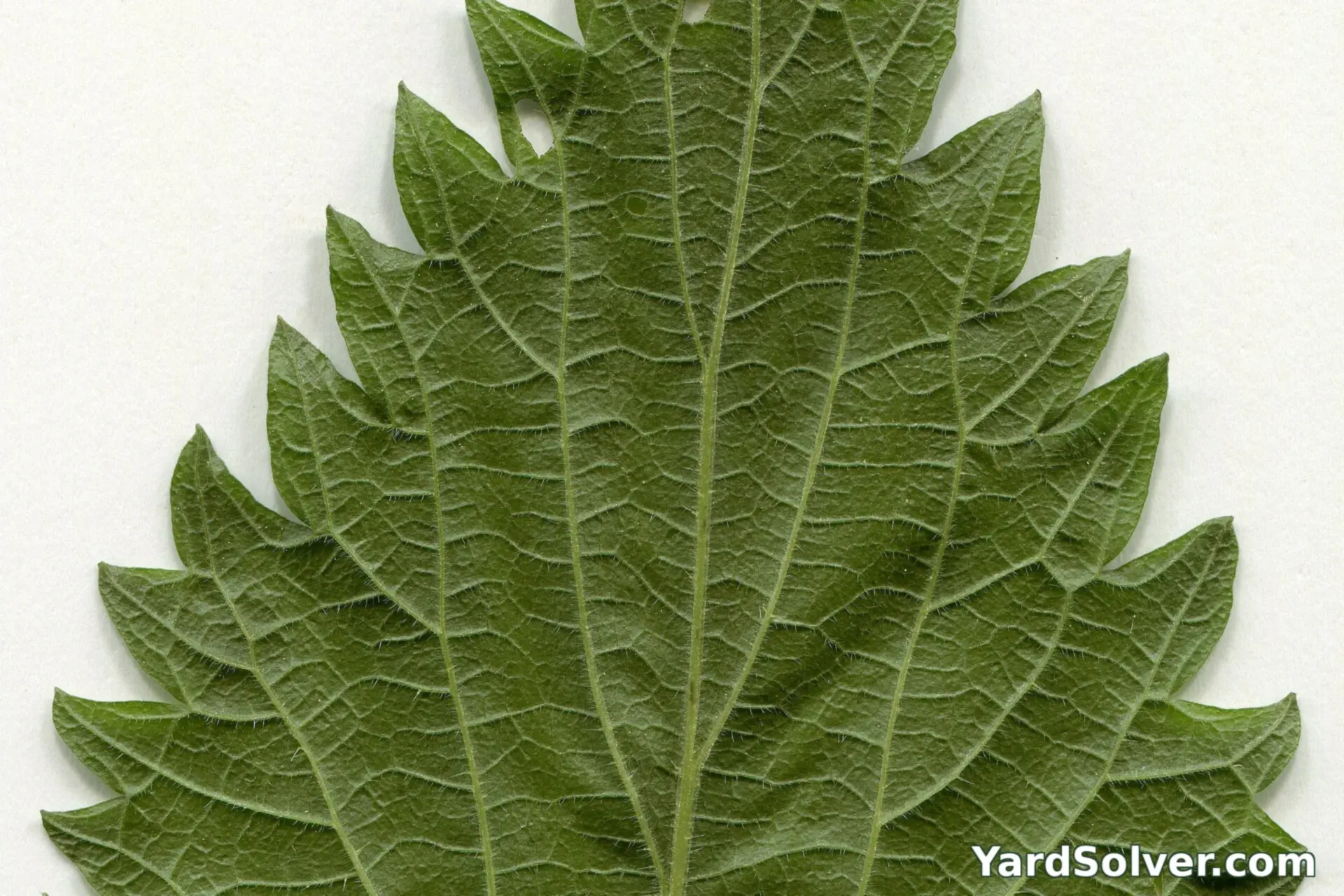
Plant at 12 in spacing (nettles are usually grown as a patch, not specimens) and water in well. The Plant Spacing Calculator turns your bed size into an exact plant count. Good neighbours: nettle is a fine companion in the wider sense — its flowers and foliage host the caterpillars of red admiral and painted lady butterflies, and a patch near the vegetable garden draws aphids early, feeding the ladybirds that then patrol your crops.
Step 4 — Water and feed
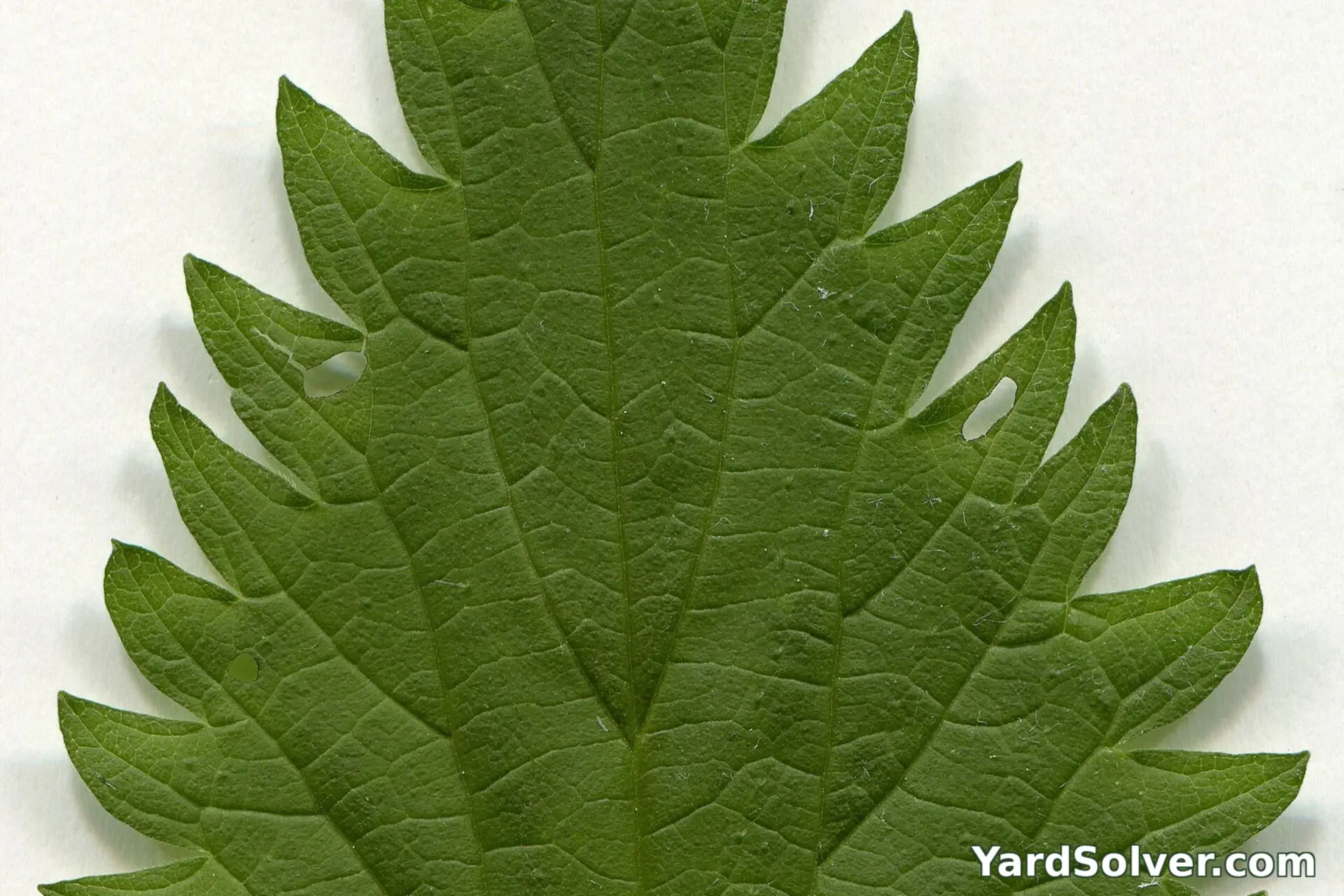
Nettles are hungry and thirsty — the opposite of the Mediterranean herbs. Water in dry spells and mulch with compost or grass clippings; a bucket of diluted nettle tea poured back on the patch is fitting. The richer the patch, the more tender, harvestable top growth it produces — the Fertilizer Calculator turns your bed size into exact amounts.
Step 5 — Care and the problems to watch for
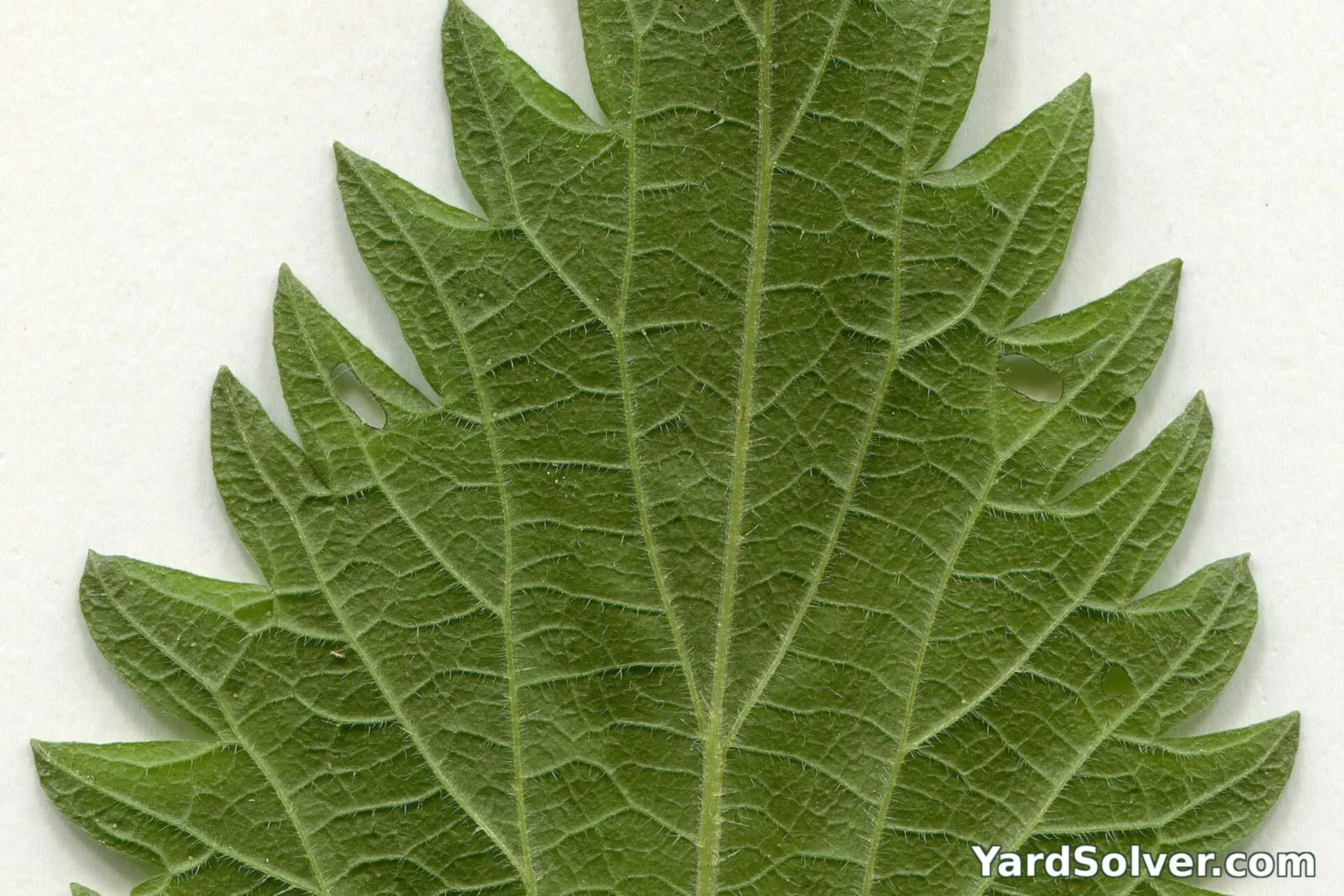
Management is simple: cut the whole patch to the ground two or three times a season. Each cut produces a flush of perfect young tops and stops the plants flowering and seeding.
- Escaping rhizomes — dig out strays beyond the edging while small; check every spring.
- Stings — the plant's one defence; gloves and long sleeves, always, and a dock leaf nearby for tradition's sake (the relief is mostly in the rubbing, scientists say).
- Tough, stringy growth — it means the patch needs cutting; old stems are for fibre and fertilizer tea, not the pot.
Step 6 — Harvest
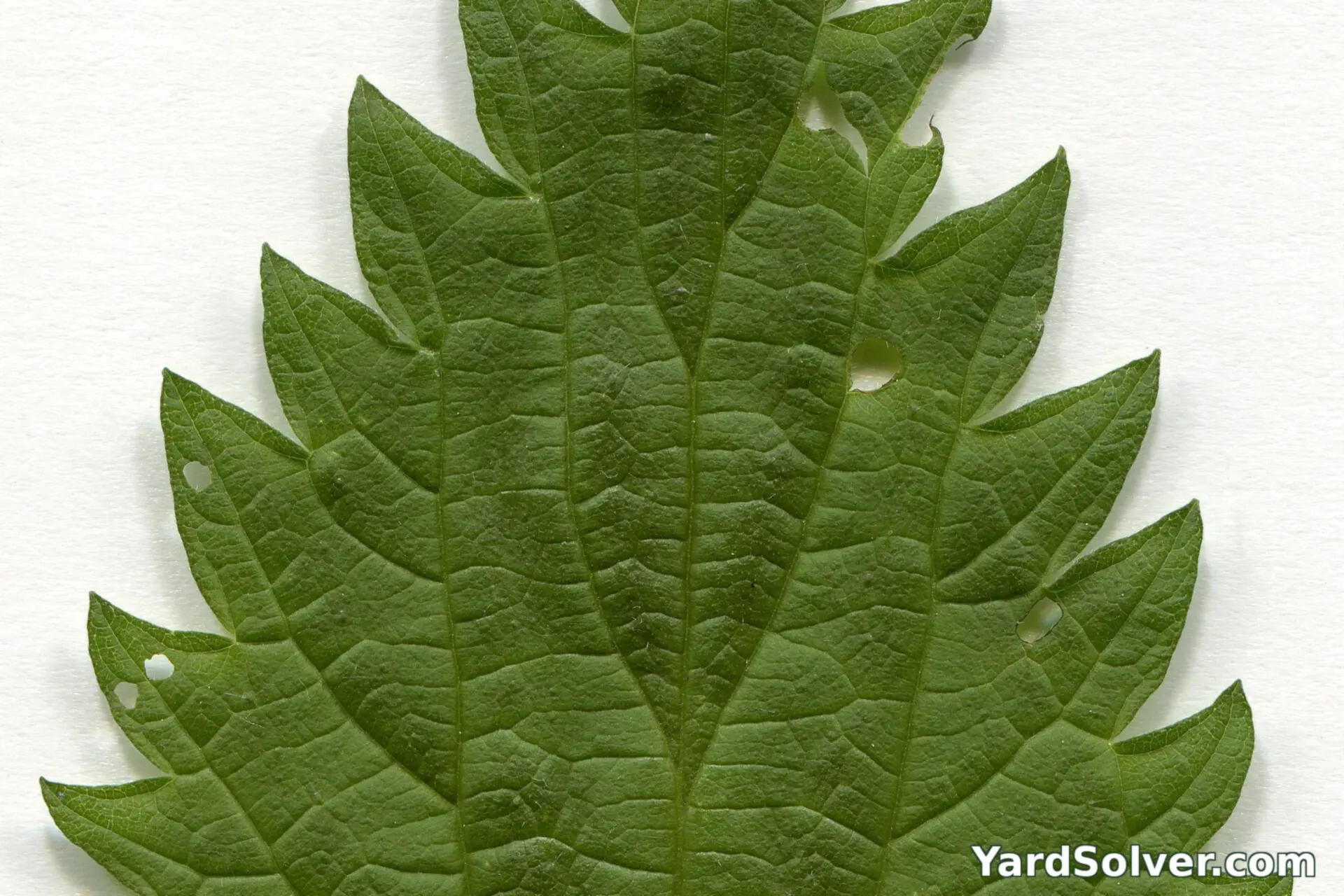
With gloves on, snip the top 4–6 in of each stem — the tender growing tips only. Blanch them for a minute and the sting vanishes entirely, leaving a green richer in iron and protein than spinach, for soups, pesto, spanakopita-style pies and teas. Later cuts go to the fertilizer bucket: nettles steeped in water for two weeks make a famously potent (and famously pungent) nitrogen feed.
📅 Your personal Stinging Nettle schedule
Counted from your planting day — not a generic calendar. Day 0 is the day the seed went in the ground or the young plant went out.
Varieties worth growing
| Variety | Colour | Why gardeners like it |
|---|---|---|
| Urtica dioica | Tall, classic patch nettle | The common stinging nettle itself — the only kind you need. |
| Dwarf nettle | Shorter, fiercer sting | Urtica urens, the annual small nettle — occasionally grown, stings harder, earns no friends. |
| White dead-nettle (lookalike) | White flowers, stingless | Lamium album — the harmless mimic that often grows beside the real thing; learn the difference before you pick. |
Good for you — and take care
Benefits
- One of the most nutritious greens anywhere — iron, calcium, protein and vitamins in a free perennial.
- A butterfly nursery plant for red admirals, painted ladies and small tortoiseshells.
- Makes a famously potent liquid fertilizer from its own cut leaves.
Take care
- It stings — site the patch away from paths and play areas, and always harvest in gloves.
- Never eat it raw; cooking, drying or wilting removes the sting entirely.
- Spreads by rhizome — contain it from day one.
A little history — and one good fact
Nettle has fed and clothed people for millennia — Bronze Age burials include nettle-fibre cloth, Roman soldiers flogged their legs with it to stay warm on northern campaigns, and country cooks everywhere have made spring nettle soup a ritual of the season. It may be the most useful 'weed' on earth.
Fun fact: Nettle fibre made German army uniforms in the First World War when cotton ran short — the plant is strong enough to weave into cloth finer than you'd believe.
Keep going
Guides: Companion planting basics · Crop rotation basics · Pollinator garden guide
Calculators: Plant Spacing Calculator · Garden Mix Calculator · Fertilizer Calculator
More herbs: Comfrey · Dandelion · Yarrow · Mint
← Back to the Plant Library · Get your personal planting dates
Questions people ask
How do you eat nettles without getting stung?
Harvest the young tops wearing gloves, then cook them — a minute of blanching, steaming or simmering destroys the stinging hairs completely. Drying and wilting work too. Never eat them raw.
Why would anyone plant a stinging nettle?
Because a managed patch gives you clean, unsprayed, guaranteed-young nettles — a genuinely nutritious green — plus butterfly habitat and free liquid fertilizer. Wild picking works too, but a garden patch is there when you want it.
Will nettles take over my garden?
They spread by rhizome in rich soil, so containment is the deal: a sunk barrier, a big tub, or a corner you patrol each spring. Given that, a patch stays put and crops for decades.