
Plant Library · Flowers
🧡 How to Grow Tithonia (Mexican Sunflower)
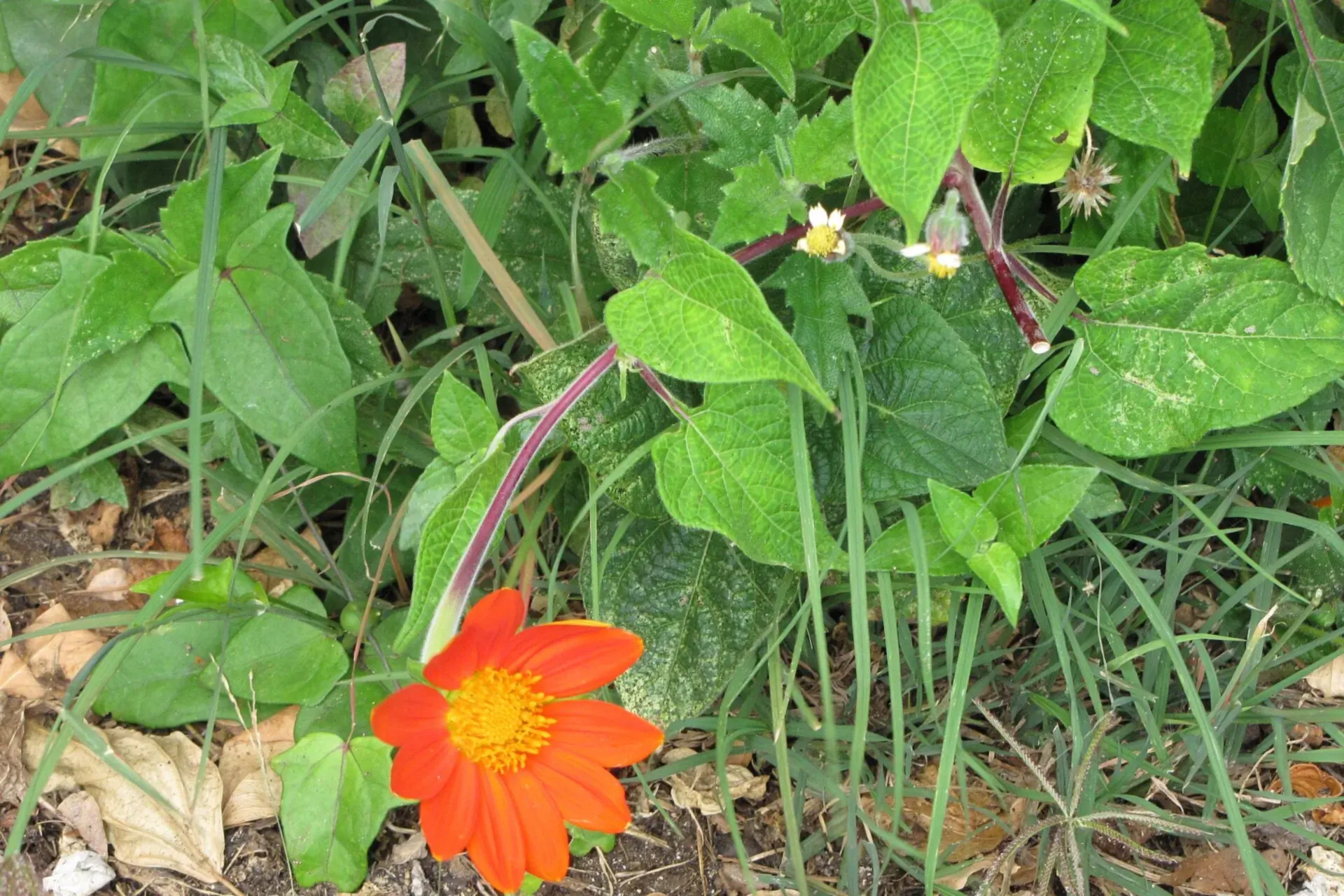
A 6 ft bonfire of orange daisies that butterflies rate above everything else in the late garden. Tithonia (Mexican sunflower, Tithonia rotundifolia) is a tender, fast giant: sow it warm indoors, plant it out late, and from August to frost it carries hundreds of orange suns — and, on any sunny afternoon, more monarchs and swallowtails than you can count.
Grow Tithonia (Mexican Sunflower) with us — step by step
Everything for this plant is written step by step below — what to do, and exactly when. Read it through first if you like: you can grow it entirely on your own with that guide. Or start with us here — tell us your planting day and we lay out your personal schedule on this page, every next step on its own day, counted from your planting date. No guessing, no forgetting.
Step 1 — today: Sow tithonia seed in individual pots in warmth — it grows so fast that a late start is easily forgiven, a cold one is not.
Tithonia (Mexican Sunflower) at a glance
Sow indoors: 6 weeks before last frost, in warmth
Move outside: 2 weeks after last frost, into warm soil
Sow outdoors: Only in long, hot climates
Spacing · Seed depth: 30 in apart · 1/4 in deep
Sun: Full sun
Water: Moderate — drought-tolerant once tall
Bloom: August to frost; deadhead for more
Timing counts from your average last spring frost — get your own dates in the Planting Calendar. Guidance follows standard extension-service practice for Canada and the US.
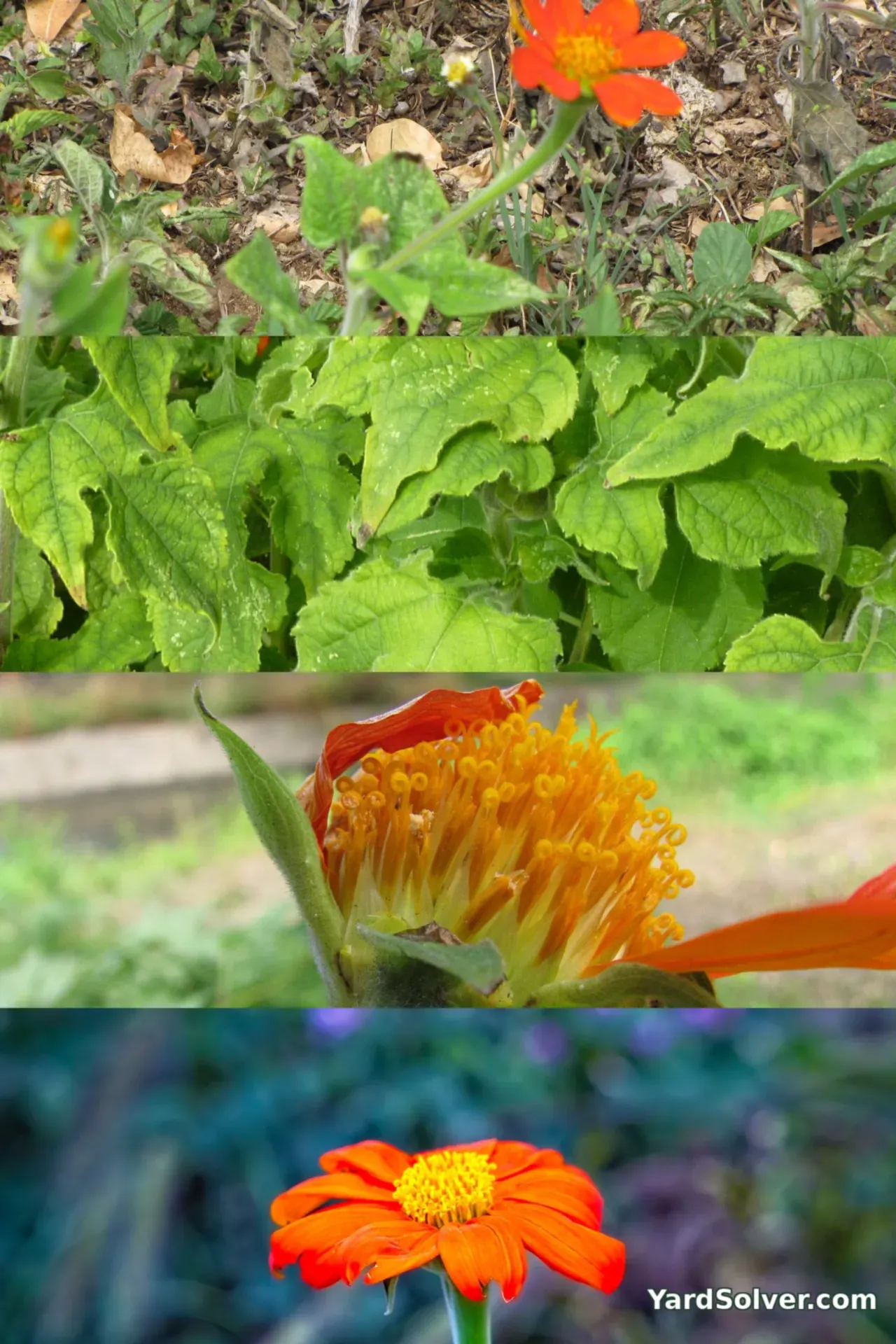
How to plant and grow tithonia, step by step
Step 1 — Time it right
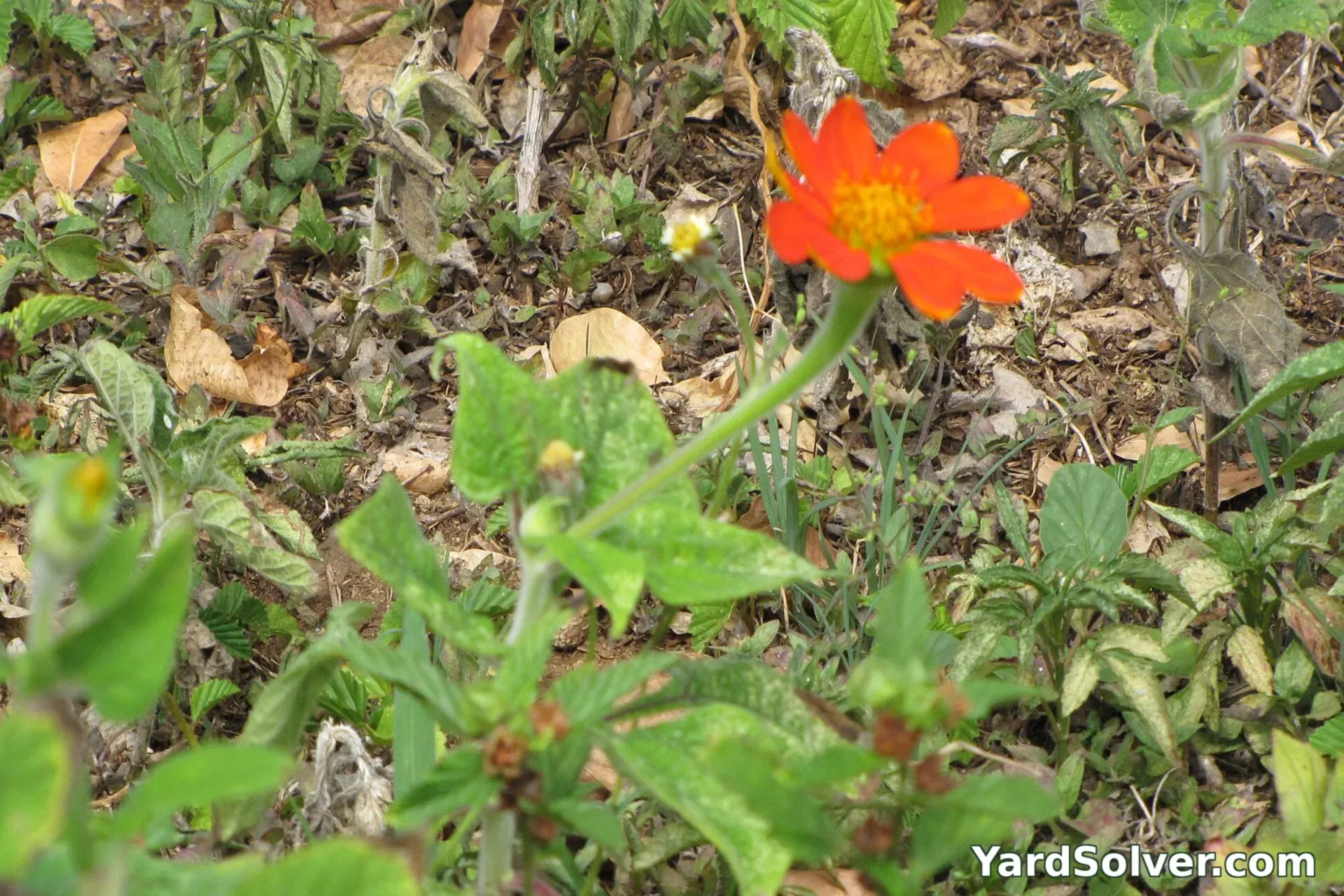
Sow indoors: 6 weeks before last frost, in warmth; Move outside: 2 weeks after last frost, into properly warm soil; Sow outdoors: only where summers are long and hot. All dates count from your average last spring frost — the Planting Calendar turns them into real dates for your garden. Tithonia germinates in 7–14 days at 21–25 °C / 70–77 °F and grows at tropical speed. The only way to fail is cold: seed rots in cold soil and seedlings check hard below 10 °C / 50 °F. Start in individual pots (it hates root disturbance less than most, but pots keep the schedule), and plant out with the peppers and basil, last of all.
Step 2 — Prepare the spot
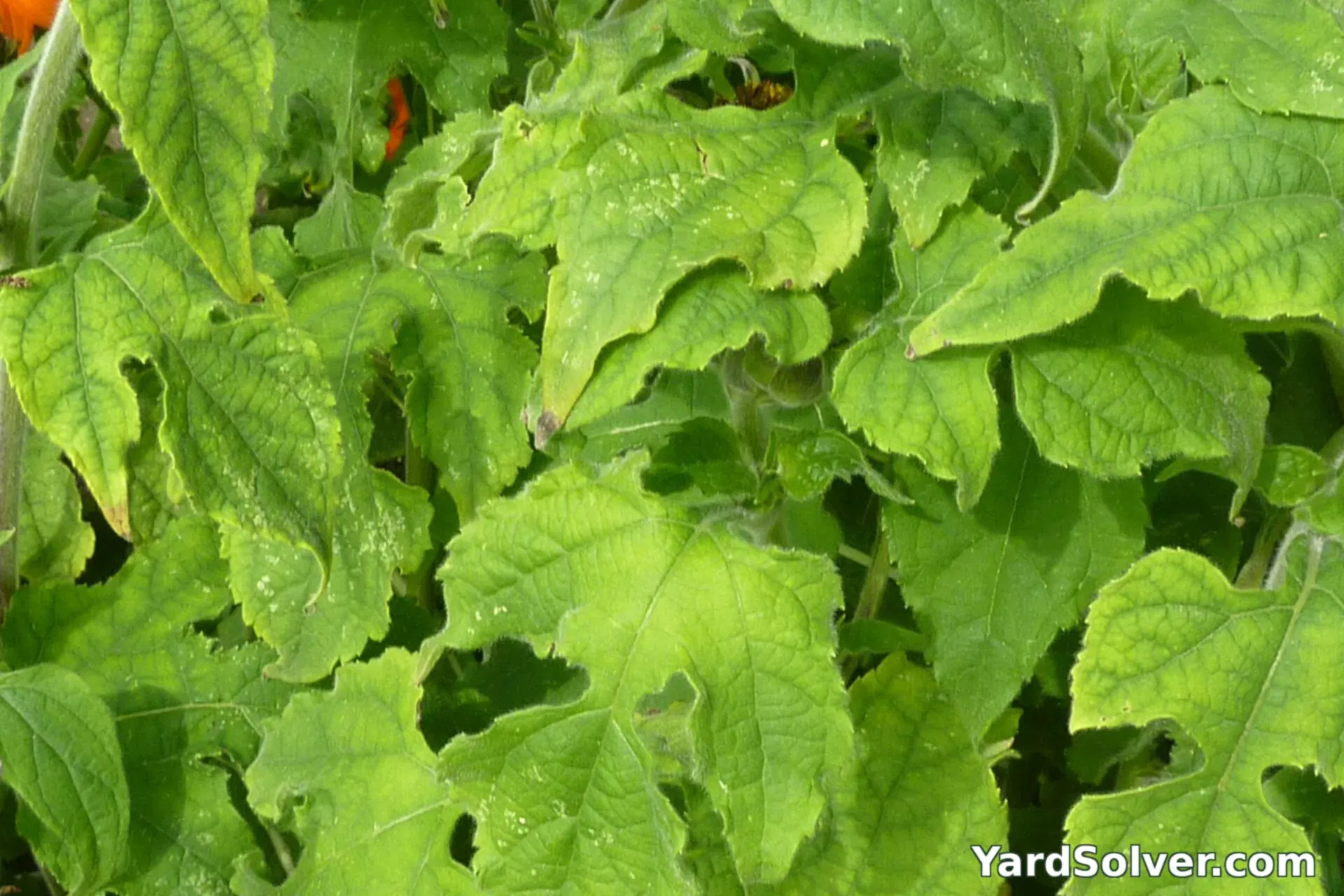
Tithonia is shrub-sized: give it a back-of-border or fence-corner position in full sun with 30 in of elbow room, in average-to-lean soil. Rich soil grows a bigger, later-flowering plant — in short seasons that's a real cost, since bloom waits for late summer anyway. Drainage should be decent; it sulks in bogs. For a raised bed, the Raised Bed Soil Calculator counts the bags for you; mixing your own? The Garden Soil Calculator gives the compost-rich split to aim for.
Step 3 — Sow and plant out
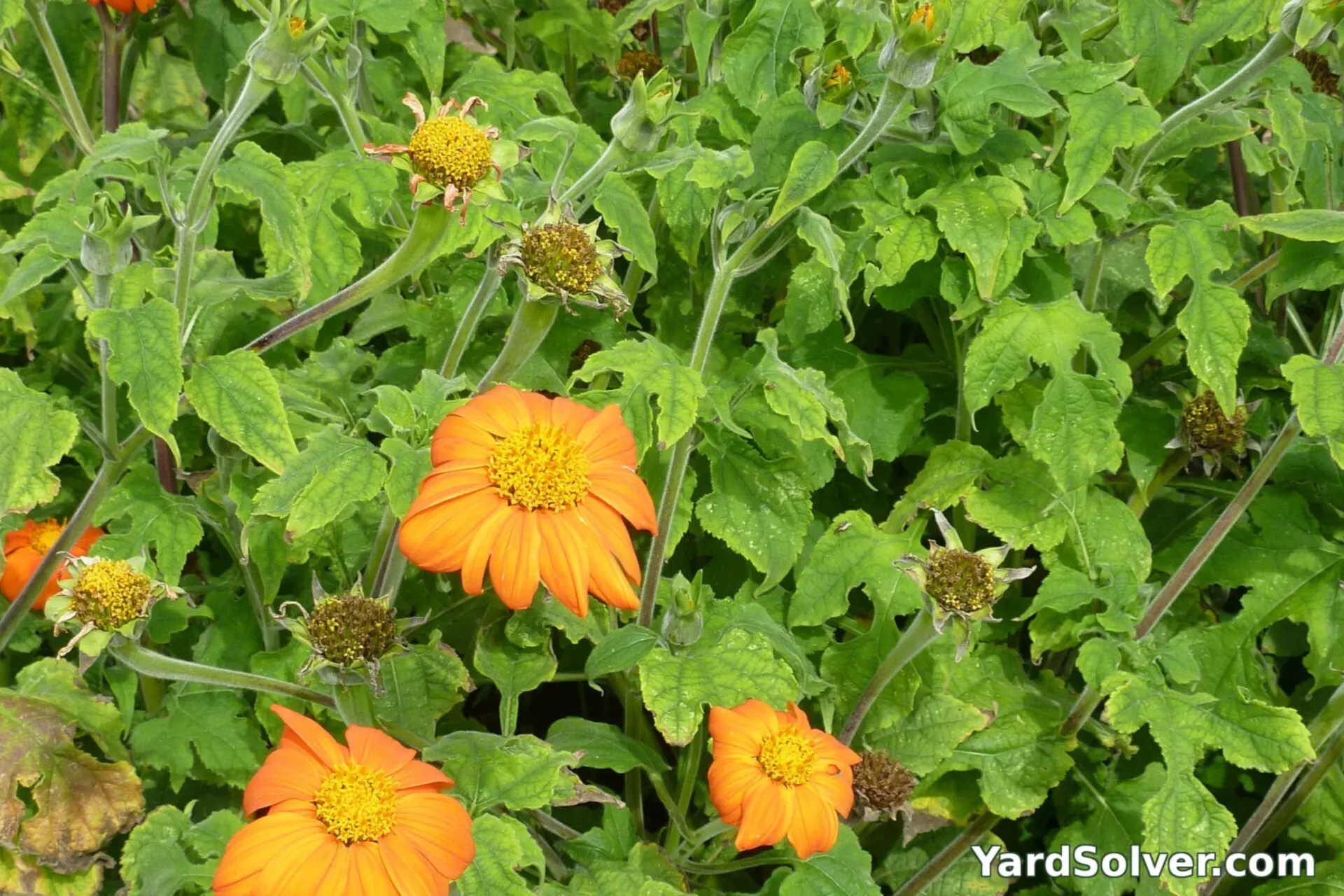
Set plants 30 in apart into warm soil and water in. The Plant Spacing Calculator turns your bed size into an exact plant count. Push a stout stake in beside each plant in windy gardens — a 6 ft sail of leaves catches storms. Good neighbours: tithonia is the late-season partner for the whole butterfly garden, standing over zinnias and cosmos as they tire.
Step 4 — Water and feed
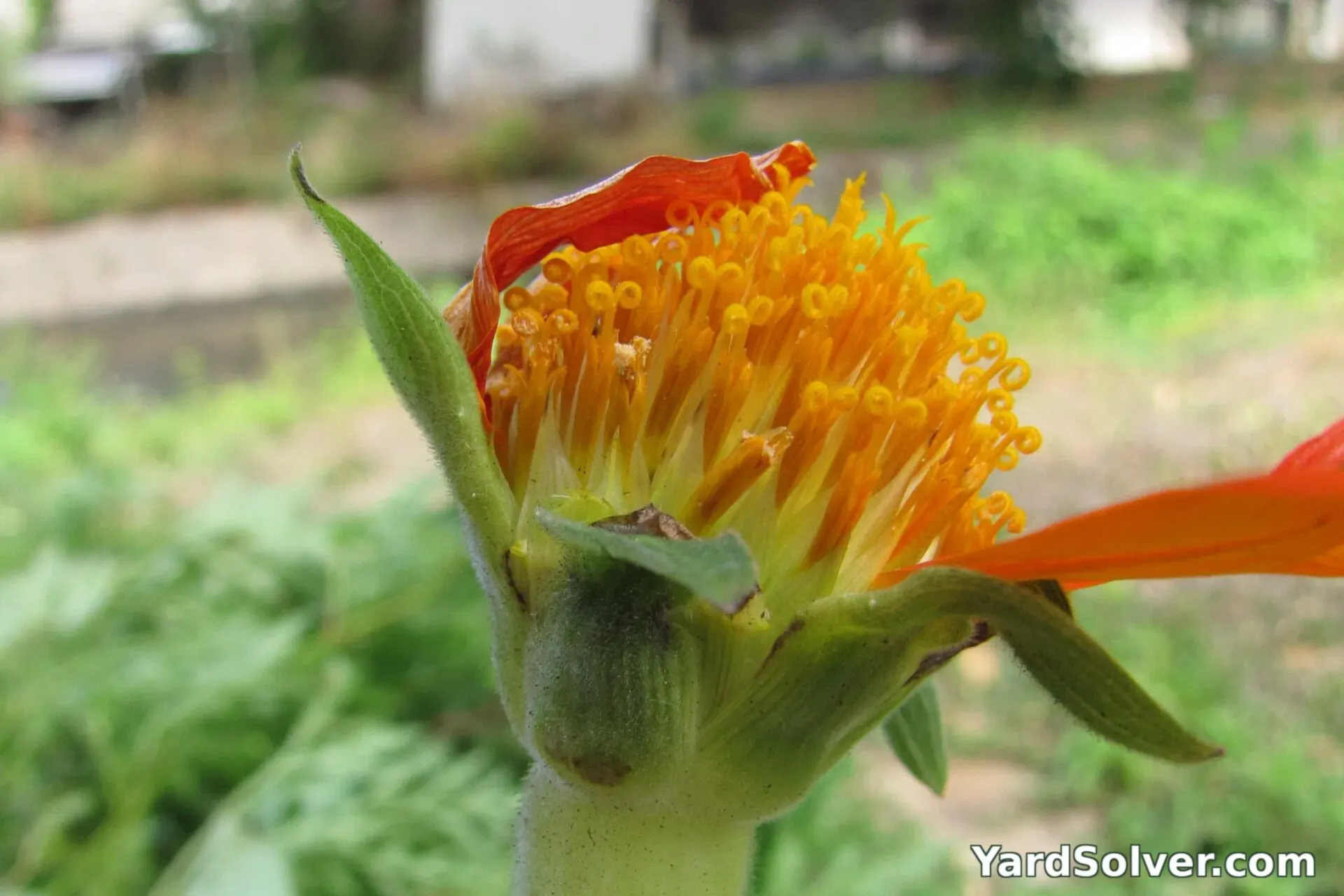
Water until the plants are climbing away, then only in serious drought. Feeding is minimal — a light feed at planting on thin soil, and no nitrogen-rich extras — the Fertilizer Calculator turns your bed size into exact amounts. An overfed tithonia is a tree that forgot to flower.
Step 5 — Care and the problems to watch for
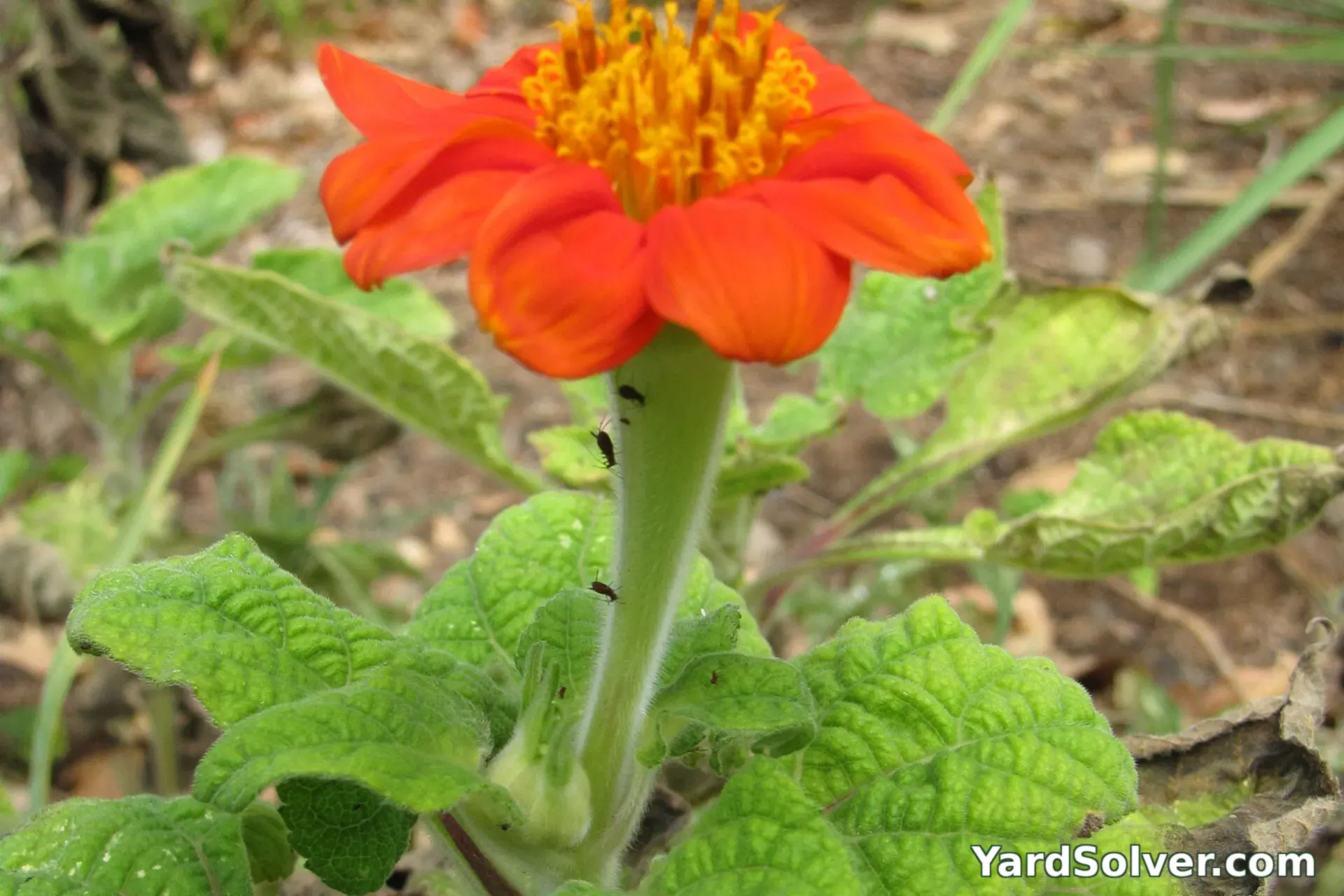
Deadhead the first flush if you want maximum follow-up bloom, or leave heads for the goldfinches that pick the seeds.
- No flowers by September — too rich a soil, too much shade, or too short a season; grow it leaner and start earlier next year.
- Snapped stems in storms — stake tall plants in exposed gardens.
- Aphids on the soft tips — the plant outgrows them; ladybirds arrive quickly on tithonia.
Step 6 — Harvest
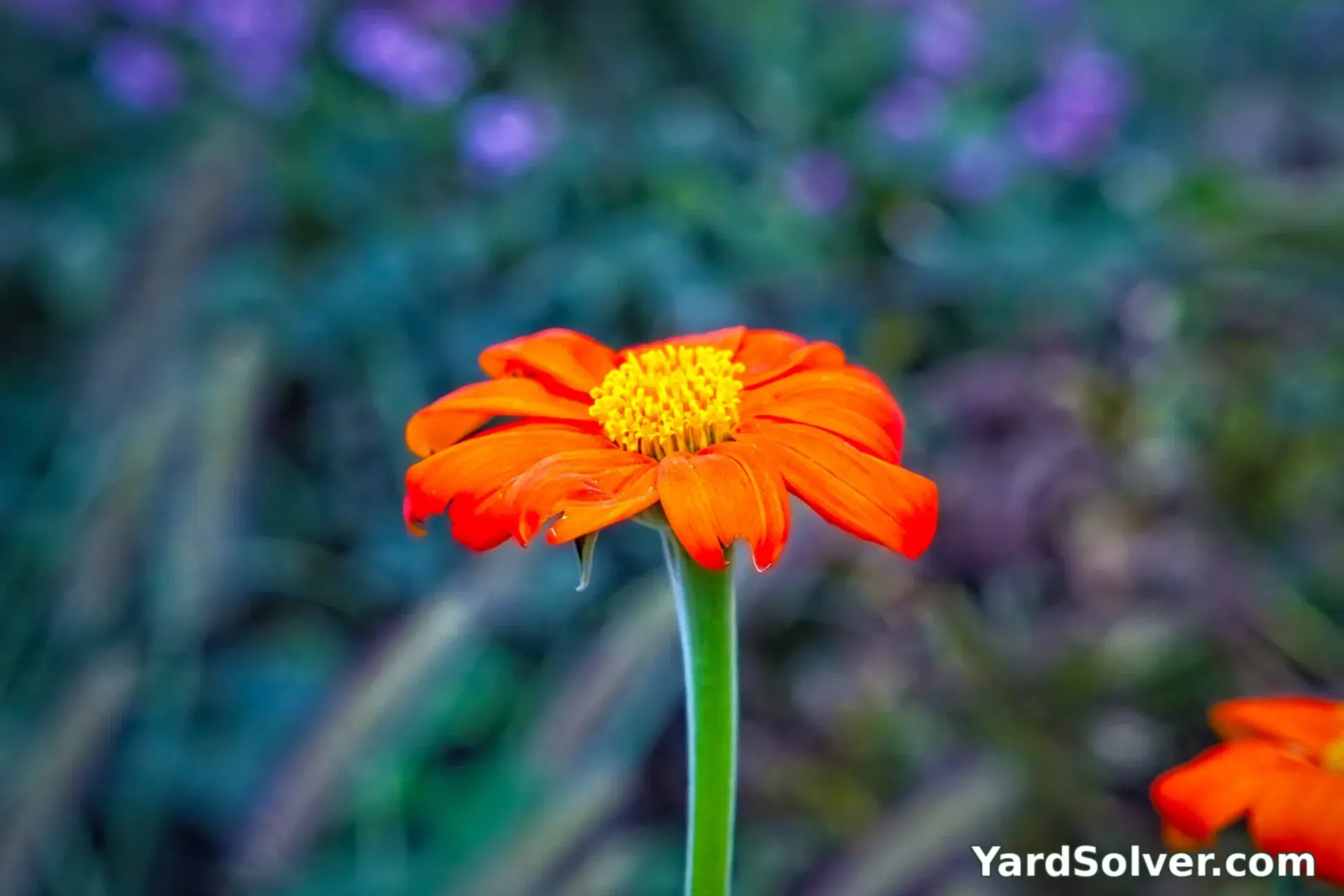
Cut stems last only 3–4 days in a vase (sear the hollow stem ends to stretch it), so tithonia is grown for the garden spectacle. Leave seed heads for finches and collect a few ripe heads for next year's seed — in frost-free climates it self-sows, elsewhere the packet and the saved seed do the job.
📅 Your personal Tithonia (Mexican Sunflower) schedule
Counted from your planting day — not a generic calendar. Day 0 is the day the seed went in the ground or the young plant went out.
Varieties worth growing
| Variety | Colour | Why gardeners like it |
|---|---|---|
| Torch | Blazing orange-red, 5–6 ft | The award-winning classic — the tallest, most floriferous strain. |
| Goldfinger | Golden orange, compact 3–4 ft | A dwarf form for smaller gardens and big pots. |
| Fiesta del Sol | Orange, 3 ft, early | Bred to flower earlier and shorter — the short-season choice. |
Good for you — and take care
Benefits
- The single best butterfly plant for late summer — monarchs included.
- A 6 ft wall of orange from one packet of seed, in one season.
- Hummingbirds fight over it at dusk.
Take care
- Heat or nothing — cold soil and early planting-out both fail.
- Start too rich and it makes a tree, not flowers.
- Needs real space and sometimes a stake — plan the corner.
A little history — and one good fact
Tithonia comes from Mexico and Central America, named for Tithonus of Greek myth (the mortal loved by Eos, goddess of dawn — fitting for a flower this orange). It reached northern gardens as a curiosity and became, within decades, the butterfly gardener's essential late-season plant.
Fun fact: In late summer, gardeners in monarch country plant tithonia as a fuelling station — migrating monarchs descend on the orange daisies in numbers that have to be seen.
Keep going
Guides: Pollinator garden guide · Succession planting · Companion planting basics
Calculators: Plant Spacing Calculator · Garden Mix Calculator · Fertilizer Calculator
More flowers: Zinnia · Cosmos · Morning Glory · Sunflower
← Back to the Plant Library · Get your personal planting dates
Questions people ask
Why hasn't my tithonia flowered yet?
It is a late flower by design — August is its month, and rich soil or shade delays it further. Grow it lean in full sun, start it early indoors, and in short-season districts choose the compact early strain 'Fiesta del Sol'.
How tall does tithonia really get?
Standard strains reach 5–6 ft (occasionally more in rich soil and long seasons) and about 3 ft across. Dwarf strains like 'Goldfinger' stay near 3–4 ft for smaller gardens.
Is tithonia good for monarch butterflies?
Exceptionally — its nectar-rich orange daisies are a known monarch magnet in late summer, exactly when migrating monarchs need fuel. Swallowtails, painted ladies and hummingbirds work it too.