
Guides · Seed starting · Published November 6, 2026
What Are the Earliest Seeds to Start Indoors?
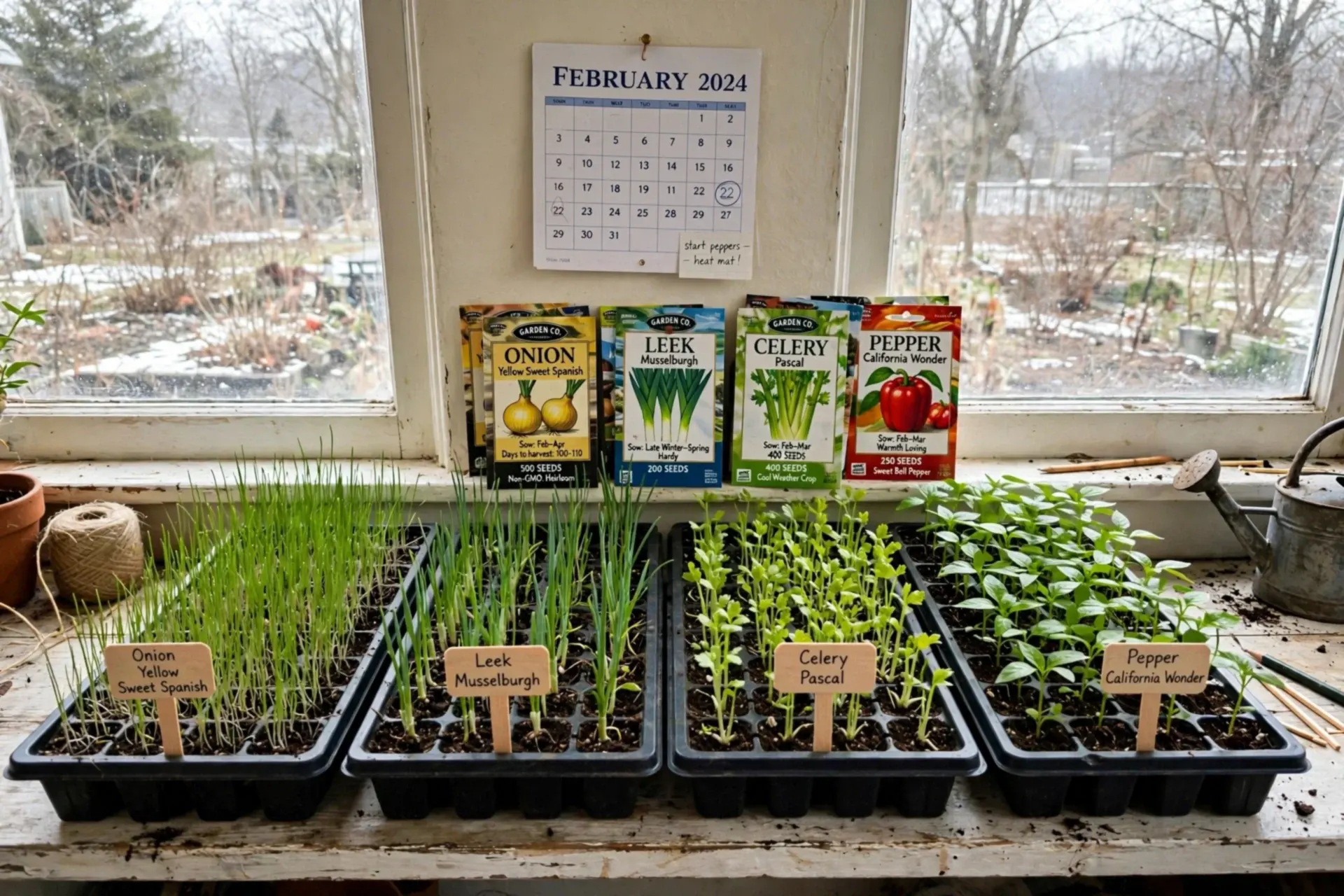
The earliest seeds to start indoors are onions, leeks and celery, sown 10–12 weeks before your average last spring frost date — followed by peppers, eggplant and slow herbs like parsley and thyme at 8–10 weeks before last frost. Those five groups are the whole answer, and the reason is simple: they are the slowest plants in the vegetable garden. An onion seedling needs almost three months indoors to reach the thickness of a pencil before it can be planted out; a tomato given the same head start would be a leggy vine strangling its neighbours by April. This guide works through the earliest sowings in order, shows you the start month for your zone, and explains how to count back from your own frost date — our Planting Calendar does the counting automatically once you enter your location.
The earliest seeds, first to last
- 10–12 weeks before last frost: onions, leeks, celery — the first seeds of the year, always
- 8–10 weeks before: peppers and eggplant (slow to germinate, slow to grow), parsley and other slow herbs such as thyme
- 6–8 weeks before: tomatoes and the brassicas — by now the season is properly under way
- Never this early: cucumbers, squash, melons (3–4 weeks only), and beans, peas, corn and root crops, which are sown directly outside
- Your anchor date: every number above counts back from your average last spring frost — find yours in the Planting Calendar
First of all: onions and leeks (10–12 weeks before last frost)
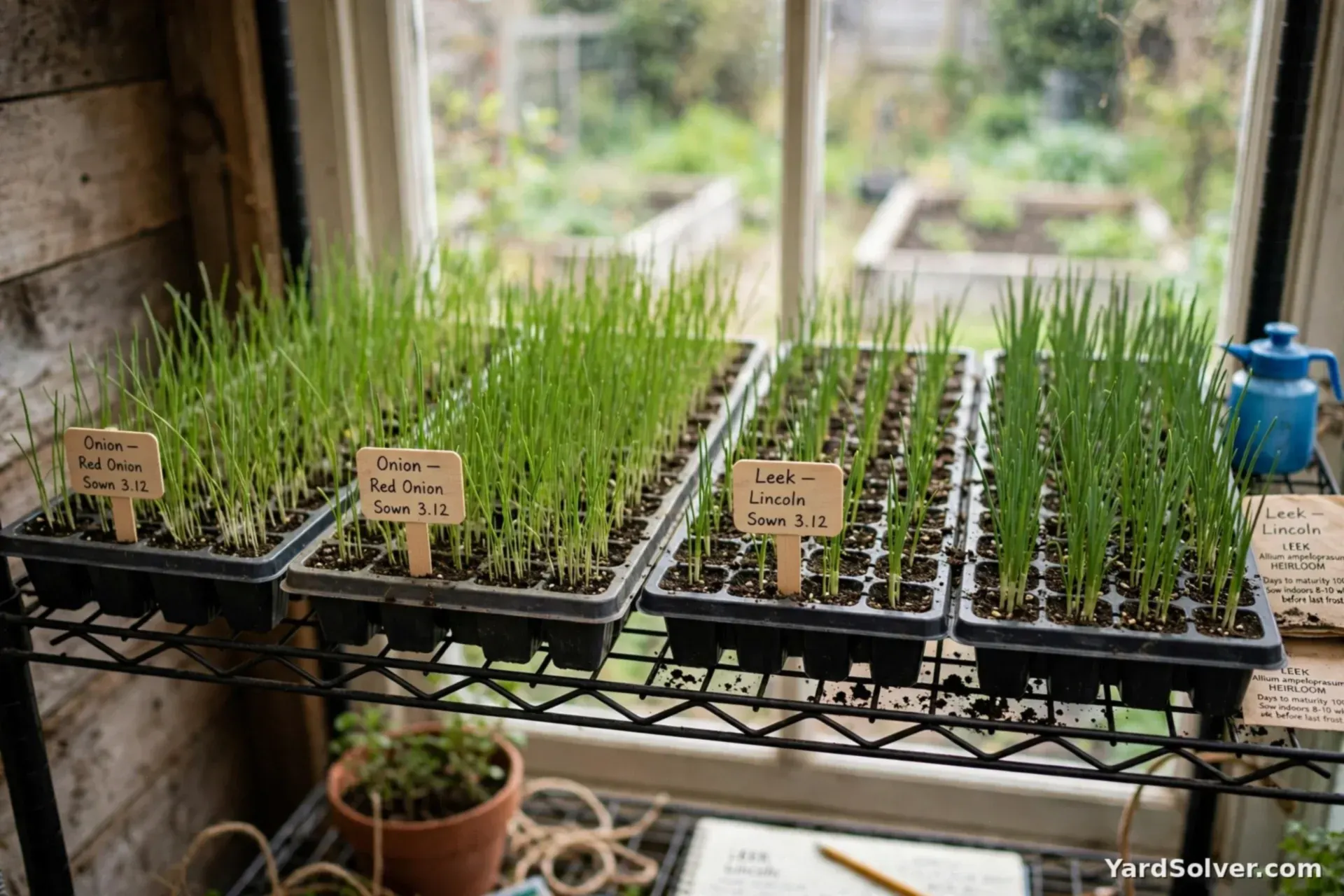
Onions and leeks from seed are the first job of the indoor season, and it is not close. A leek transplant should be about pencil-thick when it goes outside, and getting there from a thread of a seed takes 10–12 weeks under lights. Sow them in a shallow tray rather than individual cells — they grow happily crowded, like a little lawn — and give the seedlings a "haircut" with scissors whenever the tops flop, keeping them around 7–10 cm (3–4 inches) tall. Trimming sounds brutal; it actually thickens the stems and keeps the tray tidy. Both crops are cold-hardy, so they can move outside 2–4 weeks before your last frost date once hardened off, which is why the early start pays off twice. Our guide to growing onions from seed covers variety choice and the full routine, and the onion plant page and leek plant page lay out spacing and care after transplanting.
Next: celery, the slowest of all (10–12 weeks)
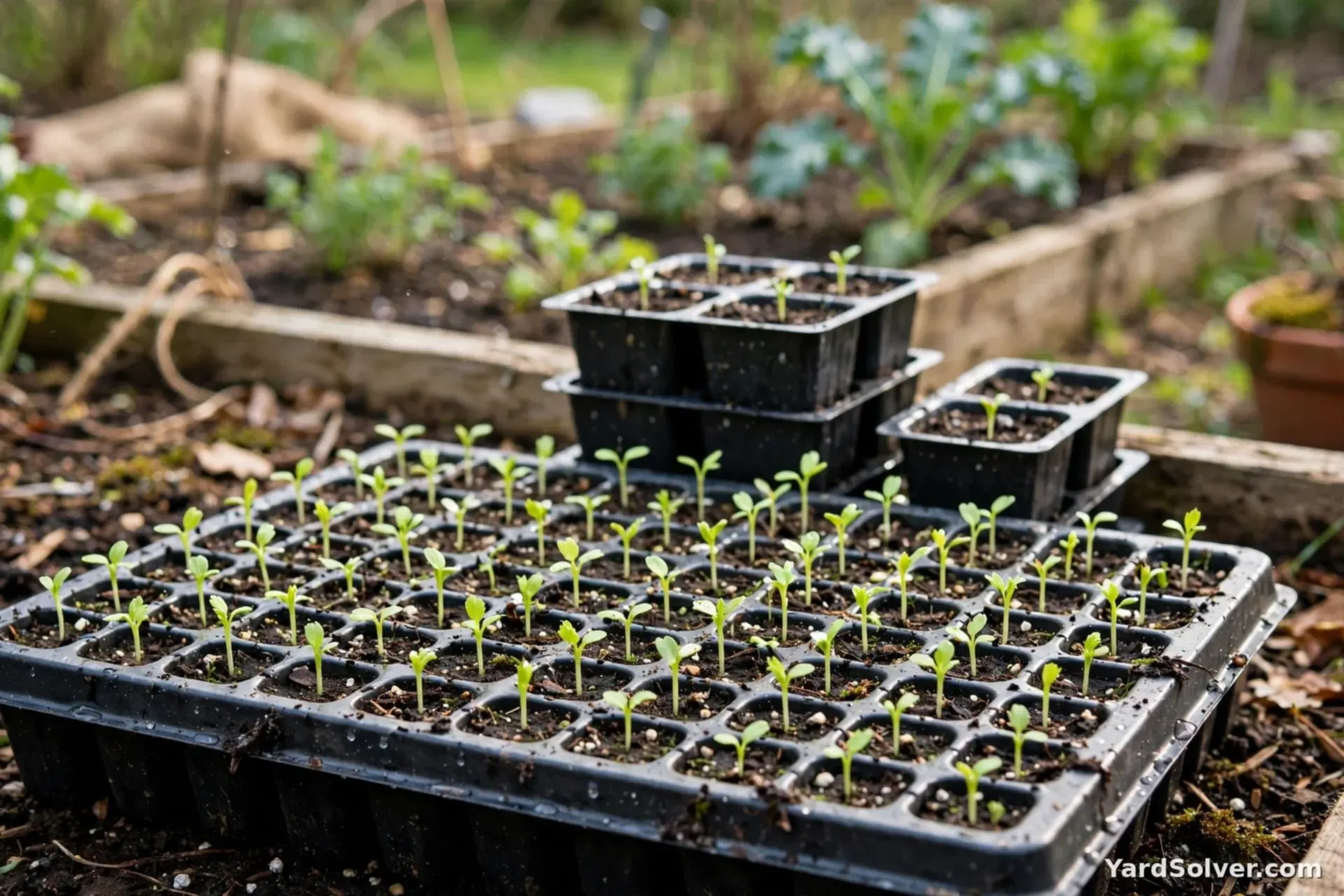
Celery shares the 10–12 week slot with the onions, but for a different reason: its seed is dust-fine, germinates slowly and unevenly over 2–3 weeks, and the seedlings then grow at a crawl for their first month. Scatter the seed on the surface of fine, moist seed mix and barely cover it — celery germinates better with a little light — then keep the tray evenly moist under a clear cover until the green appears. Bottom warmth around 21°C (70°F) speeds things up noticeably. Celery is also a hungry, thirsty plant all its life, so pot seedlings up into rich mix as soon as they are big enough to handle. The celery plant page has the spacing, watering and blanching details for the garden stage.
Then peppers and eggplant (8–10 weeks)
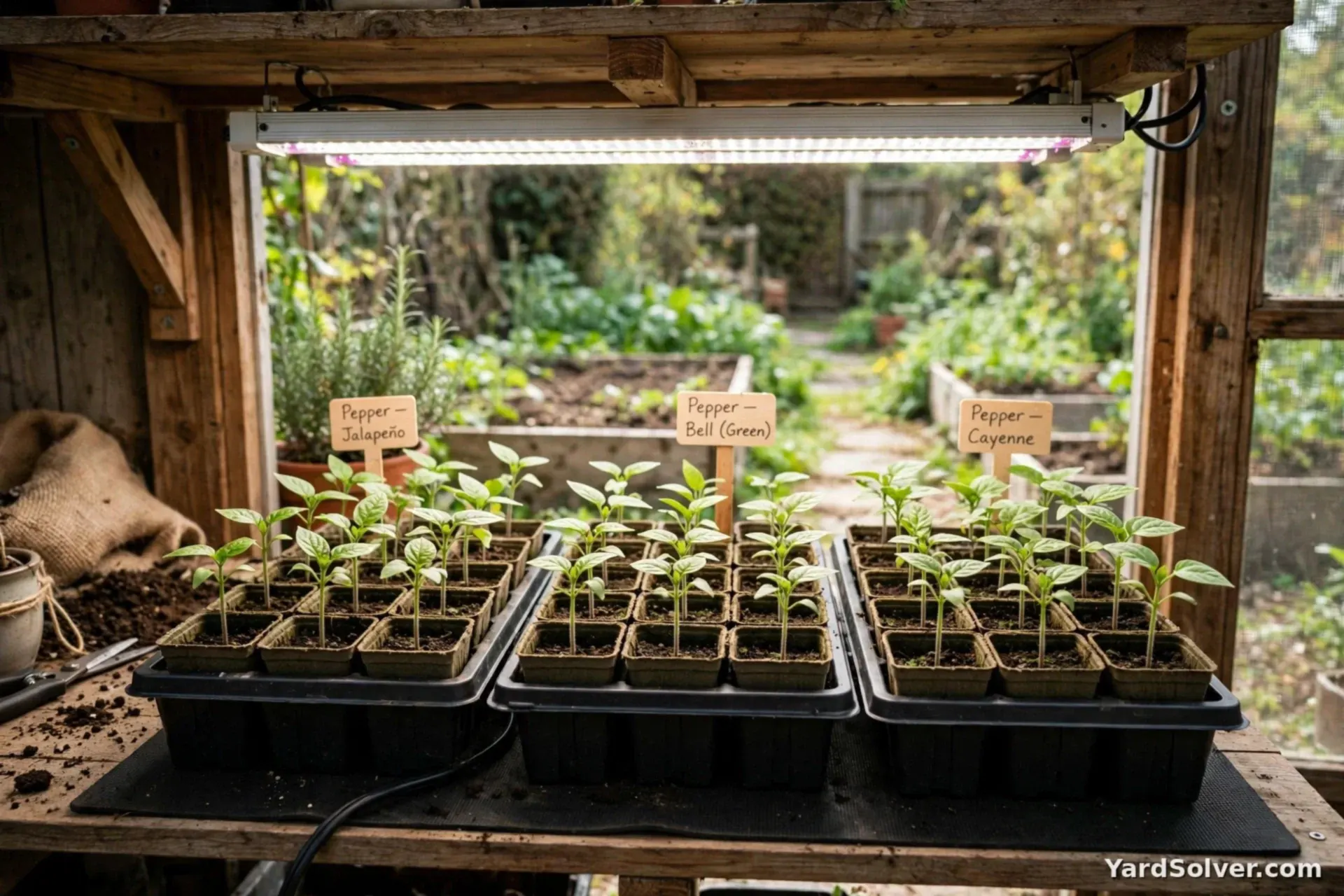
Peppers and eggplant come next, 8–10 weeks before last frost, and the weeks are not negotiable — pepper seed can take 2–3 weeks just to germinate in cool conditions, and the young plants then grow slowly even in good light. Warmth is the lever: seed germinates fastest at about 24–27°C (75–80°F), so a heat mat or the top of a warm appliance cuts the wait dramatically. Hot peppers, especially habaneros and other chinense types, are the slowest of the family and reward starting at the early end of the window; sweet peppers sit at the later end. Unlike the hardy onions, peppers and eggplant must wait until after last frost — and until nights are reliably mild — before going outside. See the pepper plant page and the eggplant plant page for varieties and garden care, and note the dates in the Garden Planner so the heat mat gets booked before the tomato rush.
Don't forget the slow herbs: parsley and thyme (8–12 weeks)
The herb shelf hides two of the slowest starters in the whole seed catalogue. Parsley is famously unhurried — germination alone can take 3–4 weeks — and most extension charts put it at 8–10 weeks before last frost alongside the peppers, with some growers starting it with the onions. Thyme seed is tiny and slow too, typically started 8–10 weeks out, surface-sown because it needs light to germinate. Both are worth the shelf space: a parsley plant started in February is a harvest by early summer, while a May sowing spends the summer still getting going. Rosemary, started from seed, is slower still — 10–12 weeks — though most gardeners buy a plant or take cuttings instead. The parsley plant page covers sowing depth and the soak-the-seed trick that speeds germination, and Grow Herbs Indoors in Winter covers keeping the herb shelf productive year-round.
One honest warning about the earliest trays: they grow through the darkest weeks of the year, so light — not warmth, not feed — is what decides whether they thrive. A bright south-facing sill is the minimum; a simple LED light hung a few inches above the trays for 14–16 hours a day is better, and it is the difference between the stocky seedlings in these photographs and the pale, stretched ones nobody wants. If a tray does stretch, all is not lost — see Why Are My Seedlings Leggy? for which seedlings can still be saved. And when the earliest crops are ready to move outside, harden them off gradually over a week rather than planting straight out: How to Harden Off Seedlings gives the day-by-day schedule. The onions, leeks and celery, being hardy, will shrug off a light frost once hardened; the peppers must wait for genuinely warm nights.
When do the earliest seeds start in my zone?
Weeks-before-frost is the accurate way to time sowings, but most gardeners think in months. The table below converts the two earliest sowing groups into start months for each zone, using typical average last-frost windows. Treat the months as a planning guide and the frost date as the truth — zones are broad bands, and your own town's date is the one to count from.
| Zone | Typical last frost | Start onions, leeks & celery (10–12 wks before) | Start peppers & eggplant (8–10 wks before) |
|---|---|---|---|
| Zone 3 | Early to mid-May | Mid-February to early March | Mid to late March |
| Zone 4 | Late April to mid-May | Early to mid-February | Early to mid-March |
| Zone 5 (incl. 5b) | Mid-April to mid-May (5b: mid to late May) | Late January to late February (5b: mid to late February) | Late February to late March (5b: mid to late March) |
| Zone 6 | Early to late April | Mid-January to mid-February | Mid-February to early March |
| Zone 7 | Late March to early April | Early to mid-January | Late January to mid-February |
| Zone 8 | Mid to late March | Late December to mid-January | Mid to late January |
| Zone 9 | Mid-February to late February | Early to mid-December | Late December to early January |
| Zone 10 | Little or no frost | November to December (for spring crops) | December to early January |
Worked example — Zone 5b: with an average last frost around May 20, count back 10–12 weeks and the onions, leeks and celery are sown between late February and mid-March; peppers and eggplant follow 8–10 weeks out, in mid to late March. That is the pattern behind the common Zone 5b question — the zone feels late, but the earliest sowings still belong to late winter, under lights, while snow is on the ground.
How to count back from your own last frost date
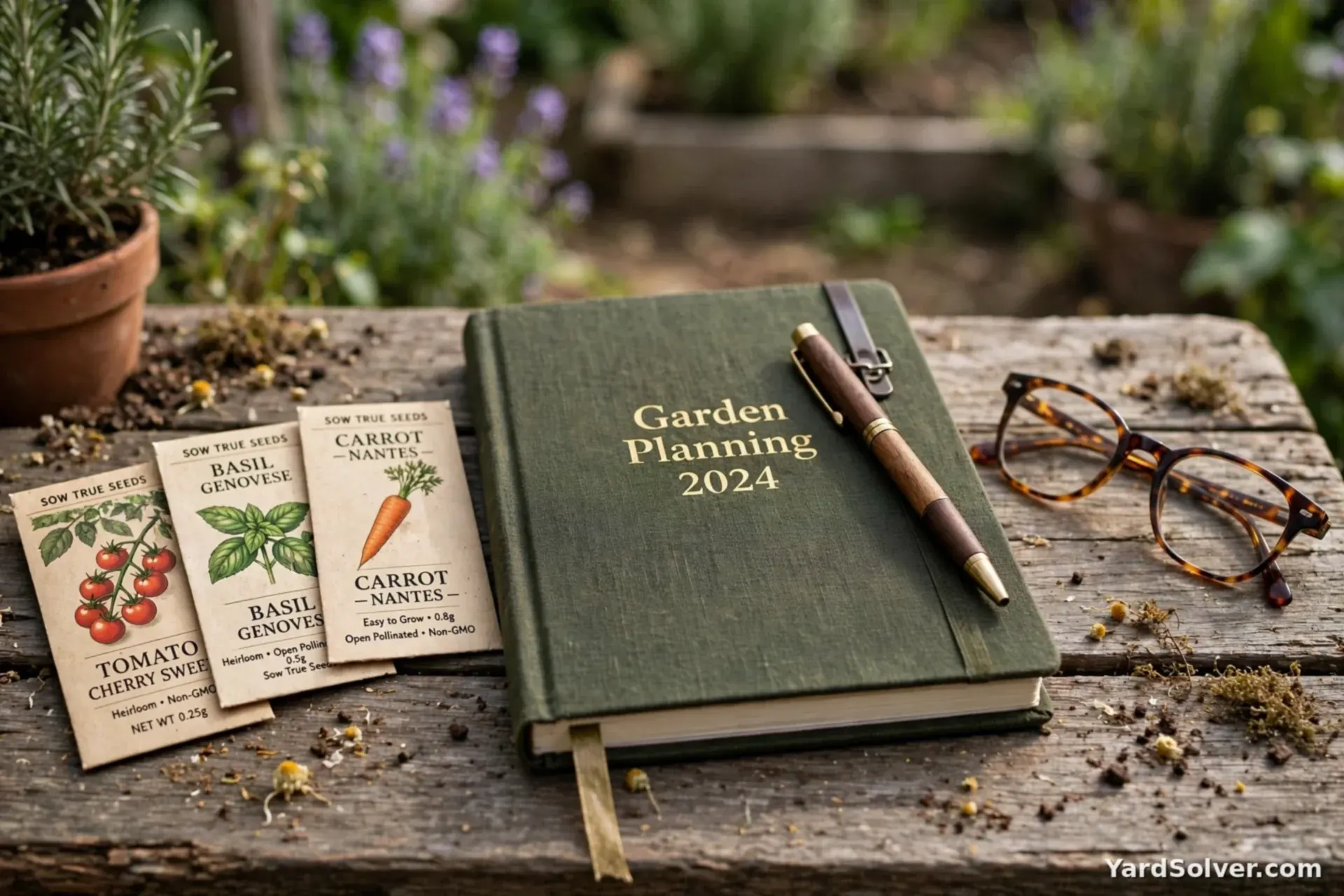
The method takes one minute per packet. Find your average last spring frost date (the Planting Calendar looks it up by location), count back the weeks for the crop, and write the actual calendar date on the packet in marker. A packet that says "sow February 24" gets sown; a packet that says "10–12 weeks before last frost" gets forgotten in a drawer. Our companion chart, When to Start Seeds Indoors, gives the weeks for the full vegetable list — tomatoes, brassicas, greens and the direct-sow crops — once the earliest sowings are under way. Two practical notes for the early trays: budget seed quantities with the Seed Calculator so a 10-week-old tray is the size you actually have shelf room for, and give seedlings strong light from the day they emerge — the earliest sowings grow through the dimmest weeks of the year, and weak light is what makes them leggy.
Keep going
The full season's chart: When to Start Seeds Indoors · How to Grow Onions from Seed · How to Start Tomato Seeds Indoors · Are Old Seeds Still Good?. Get your own dates in the Planting Calendar and lay out the whole season in the Garden Planner.
Questions people ask
What are the earliest seeds to start indoors?
Onions, leeks and celery are the first seeds to start indoors, 10–12 weeks before your average last spring frost date. Peppers, eggplant and slow herbs such as parsley and thyme follow at 8–10 weeks before last frost. Everything is counted backwards from your own last frost date, so the calendar month depends on your zone.
When should I start onion seeds indoors?
Start onion seeds indoors 10–12 weeks before your last spring frost date. Onions grow slowly from seed and need the long head start to reach transplant size; in Zone 5b that usually means sowing in mid to late February for a mid-May last frost.
When do I start seeds indoors in Zone 5b?
In Zone 5b the average last frost falls in mid to late May, so count back: onions, leeks and celery in mid to late February, peppers and eggplant in mid to late March, and tomatoes in late March to early April. Enter your zone in the Planting Calendar to get the exact dates for your town.
Do peppers really need to be started 8–10 weeks before last frost?
Yes. Peppers germinate slowly, often 2–3 weeks in cool soil, and grow slowly as young plants, so they need the full 8–10 weeks. Give the seed warmth of about 75–80°F (24–27°C) to germinate; hot varieties such as habaneros are the slowest and reward the earliest start.
What happens if I start the earliest seeds late?
Usually a smaller harvest rather than a failed one. Onions sown late make smaller bulbs, celery stays thinner, and peppers fruit later into the season. Sow as soon as you can once you notice the delay — a week or two late is a minor setback, not a lost crop.
Which seeds should not be started early indoors?
Fast crops and root crops gain nothing from an early indoor start: beans, peas, corn, carrots, beets and radishes are best sown directly where they will grow, and cucumbers, squash and melons should only start indoors 3–4 weeks before last frost because they grow fast and resent root disturbance.
Comments & ratings
No comments yet.
Be the first to share your experience.