
Guides · Water-wise gardening · Published November 8, 2026
Drought-Tolerant Plants: Grow More Green with Less Water
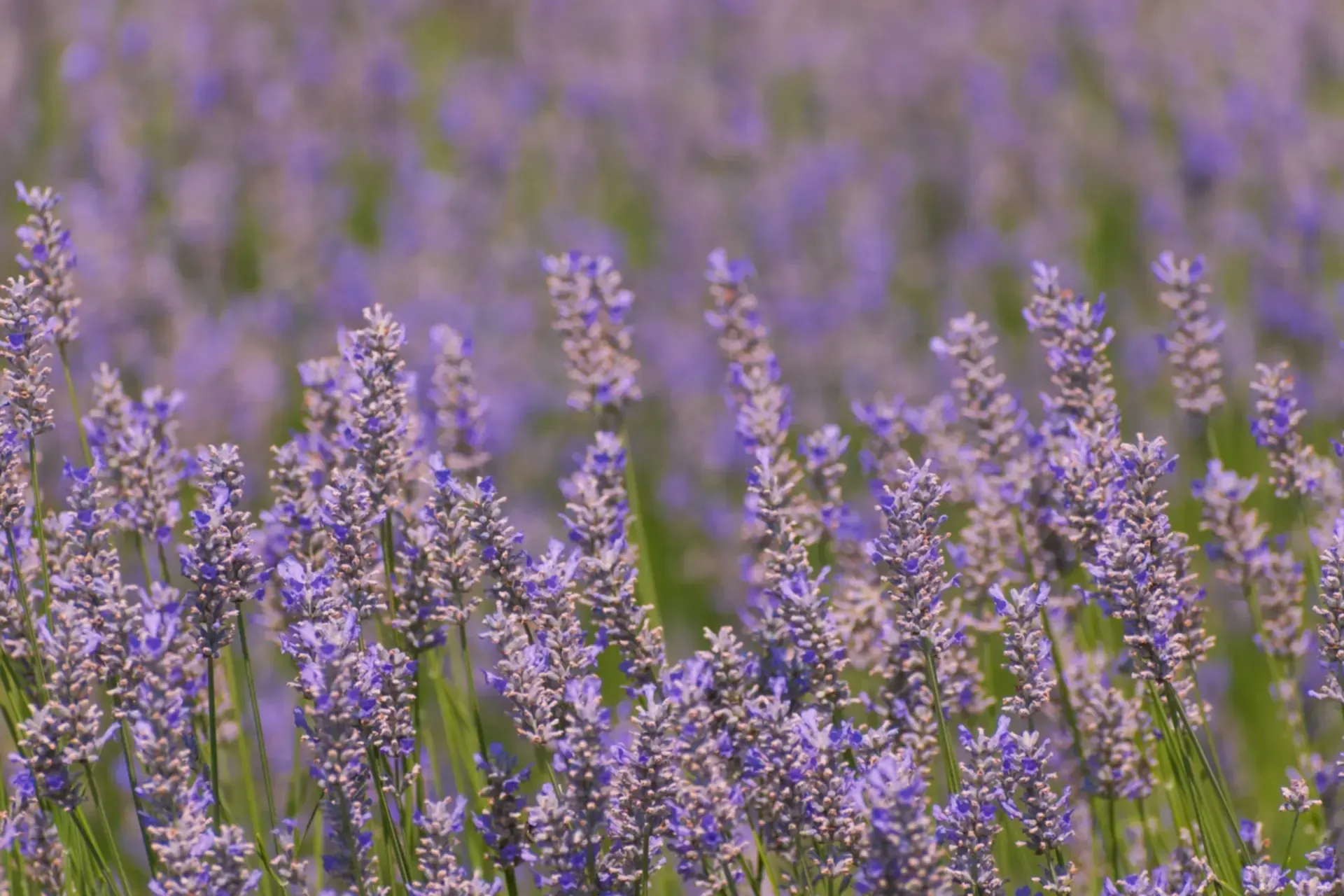
Drought-tolerant plants are not cacti and compromise — they are some of the best-looking, best-eating plants in the garden, evolved for summers where rain takes weeks off. Choosing them well is the difference between a garden that survives a dry spell and one that performs through it: lavender and rosemary that perfume a path, echinacea feeding bees for months, okra and sweet potatoes cropping while the lawn gives up. This guide lists the proven low-water vegetables, herbs, flowers and perennials, with the watering and placement rules that make "drought-tolerant" true in your soil — because the label only holds once a plant is established, and Step 5 is honest about that.
The drought-tolerant shortlist
- Vegetables: okra, sweet potatoes, yardlong beans, hot peppers and cherry tomatoes handle heat and gaps in watering best
- Herbs: rosemary, thyme, sage, oregano and lavender — Mediterranean herbs that evolved for dry summers
- Flowers: lavender, yarrow, echinacea, sedum, portulaca, blanket flower and ornamental grasses
- The rules that make it work: group plants by water need, fix drainage, mulch hard, water deep and rarely, and water first-year plants like normal ones
Step 1 — Choose plants that evolved for dry summers
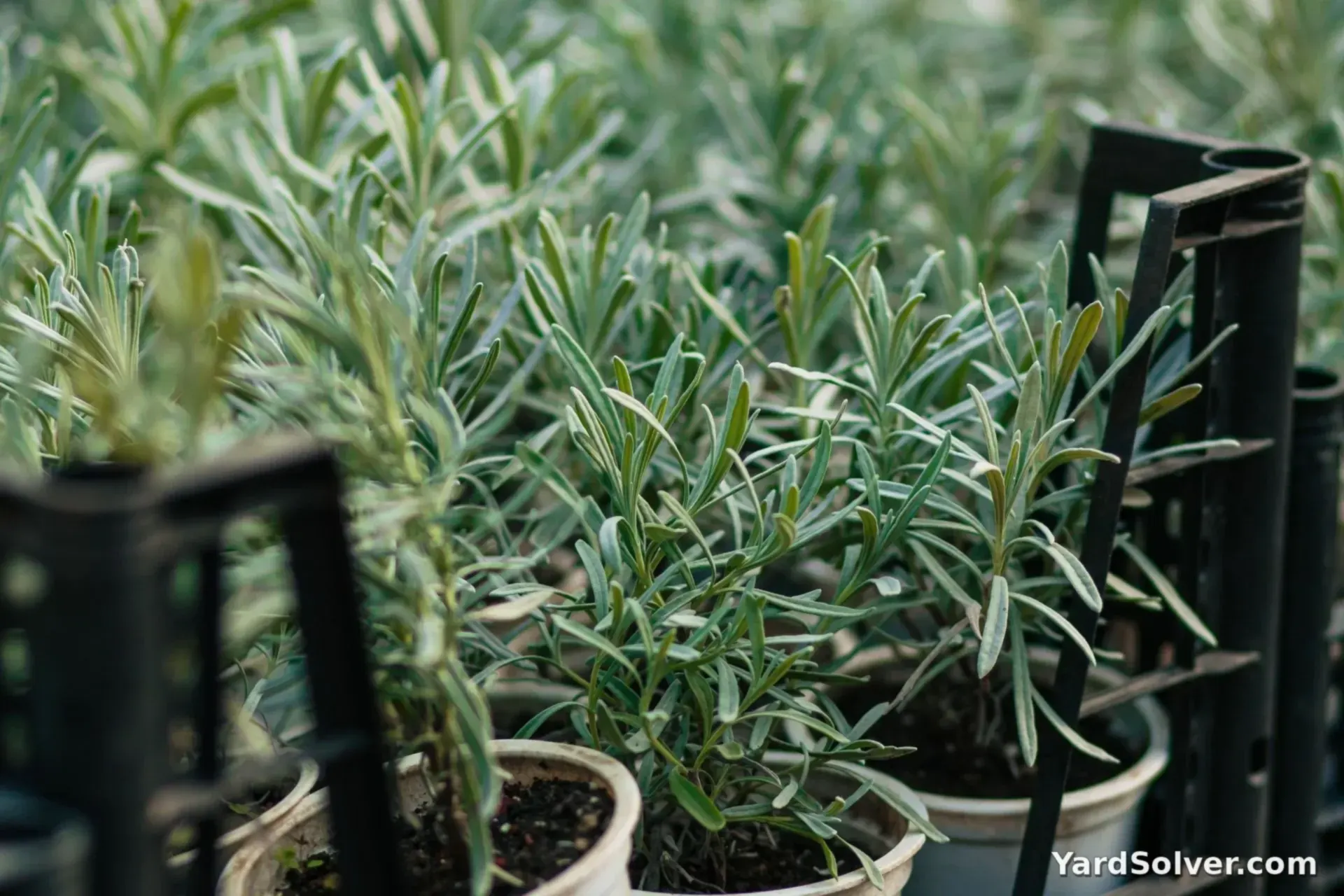
Start with origins. Mediterranean herbs — rosemary, thyme, sage, oregano, lavender — evolved on rocky hillsides with summer drought baked in; give them sun and drainage and they ask for almost nothing else. Prairie and steppe flowers — echinacea (coneflower), yarrow, blanket flower, sedum — run deep roots into dry soil. Heat-loving vegetables come from dry tropics and subtropics: okra, sweet potatoes (their vines shade the soil like a living mulch), yardlong beans and hot peppers. Cherry tomatoes are the most forgiving tomato in a dry year.
Hardiness, honestly: echinacea, yarrow and sedum are hardy perennials to about USDA zone 3–4 (Canadian zone 4), hardy lavender to zone 5, rosemary only to zone 7–8 — north of that, rosemary lives in a pot and winters indoors. Every plant on this page still drinks normally in its first season; drought tolerance is earned by roots, and roots take time.
Step 2 — Group by water need — the one rule that saves the most water
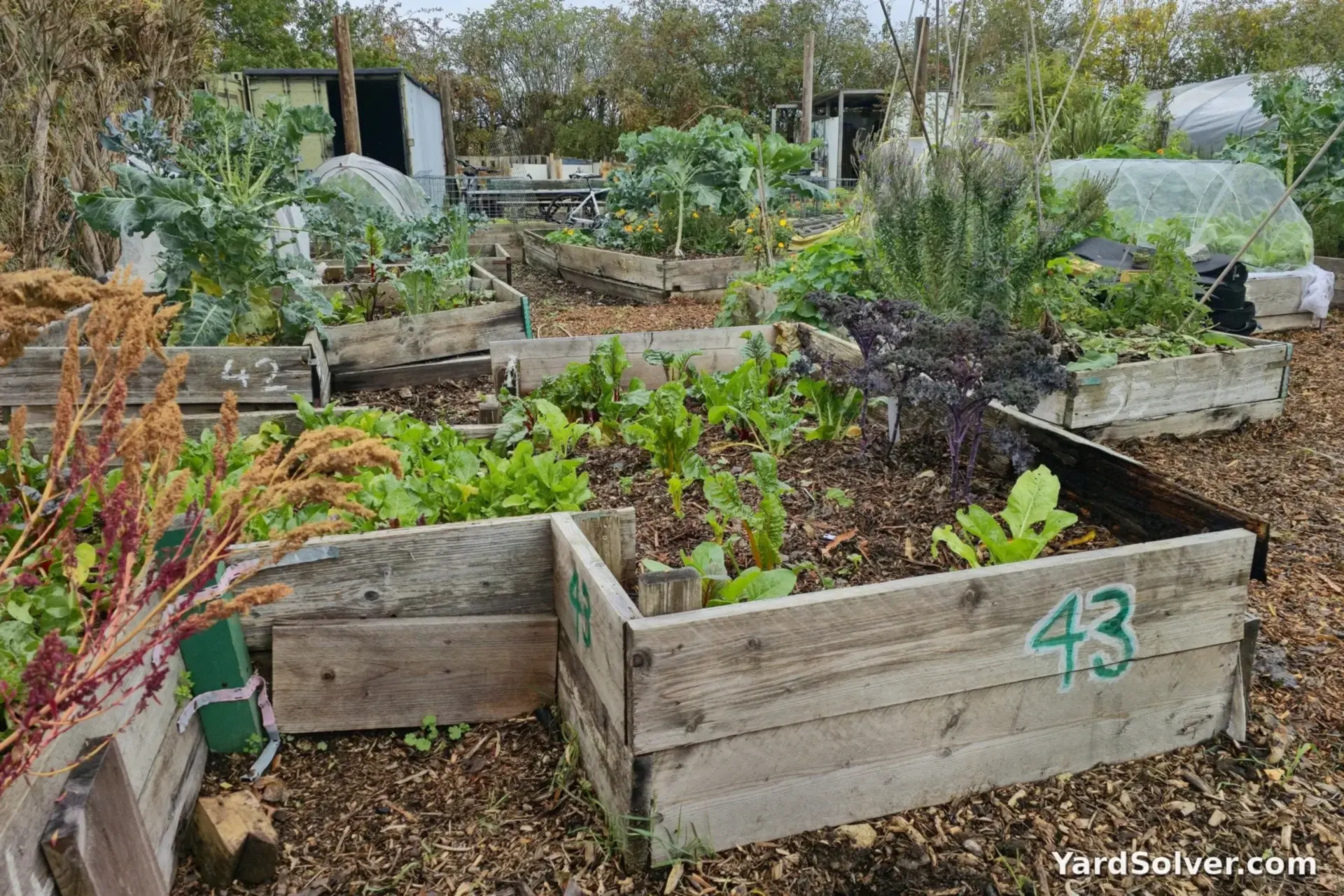
The single most effective water-saving move is not a product; it is a seating plan. Put every drought-tolerant plant together in a dry zone — the sunniest, farthest-from-the-tap corner is usually already one — and keep thirsty crops (lettuce, cucumbers, celery) in a watered zone near the hose. Mixed plantings force a bad choice: water for the thirstiest plant and rot the drought-lovers, or water for the driest and lose the crop.
Zoning also simplifies irrigation: one drip line serves the watered zone on a timer, and the dry zone gets an occasional deep soak by hand. Planning a new bed layout? Sketch the zones in the Garden Planner before you plant — moving a line on paper is free. The mechanics of drip lines are in How to Set Up Drip Irrigation.
Step 3 — Fix drainage first, then mulch like you mean it
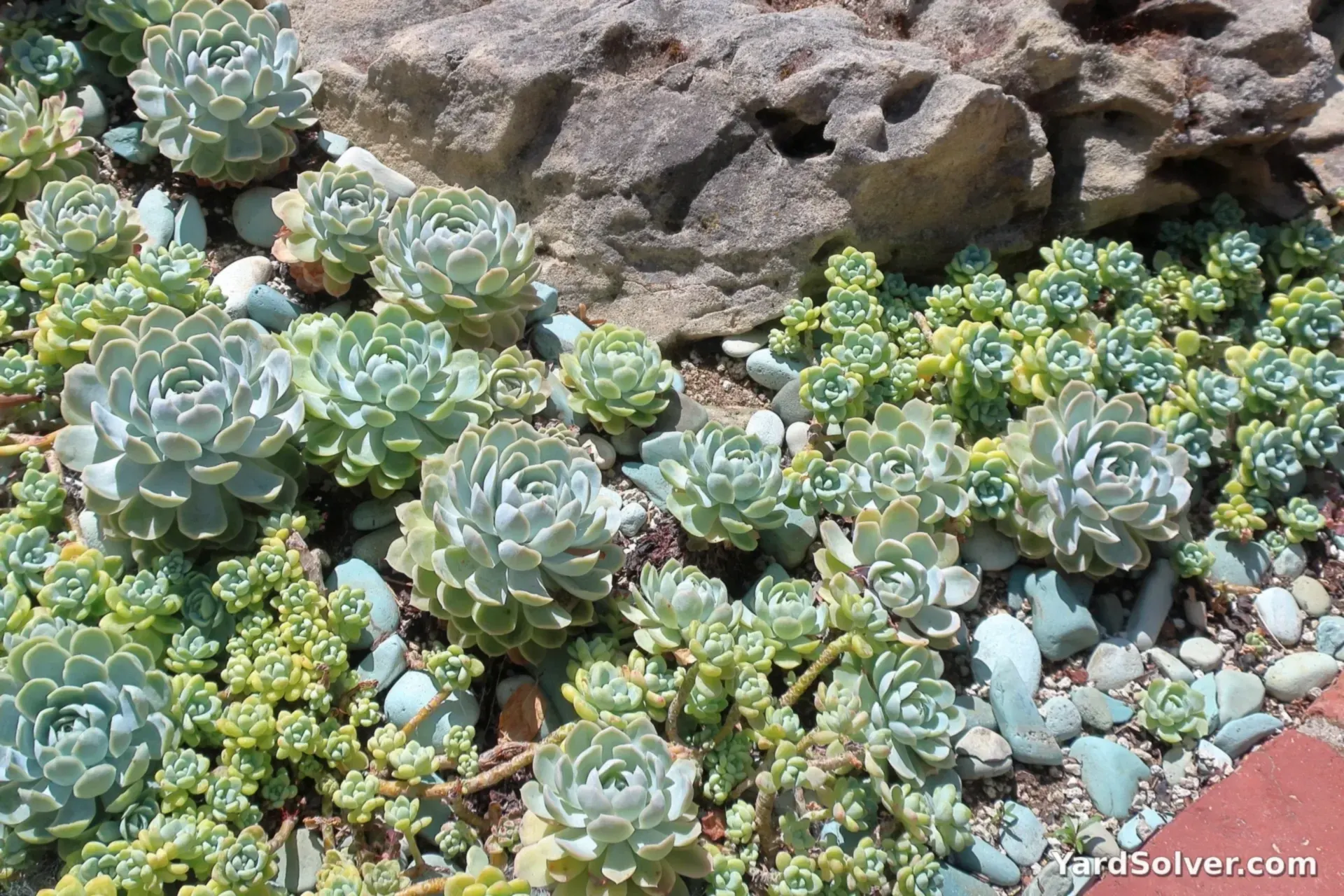
Here is the fact that surprises most beginners: in cold climates, drought-tolerant plants are killed by wet, not dry. Lavender, rosemary and sedum rot at the crown in heavy, waterlogged winter soil. On clay, plant them on a low mound or in a raised bed with grit worked in — the drainage logic is the same as in How to Fix Clay Soil. When in doubt, a large pot of gritty mix is a perfectly respectable permanent home.
Then mulch: 2–3 inches (5–8 cm) of bark or compost over the watered zone, and gravel or stone mulch over the dry zone — it keeps crowns dry, reflects heat evenly and never rots against stems. Work out coverage with the Mulch Calculator and check depths against How Deep Should Mulch Be? Mulch is also what makes the next step's rare watering go so far.
Step 4 — Water deep and rarely — train roots to go down
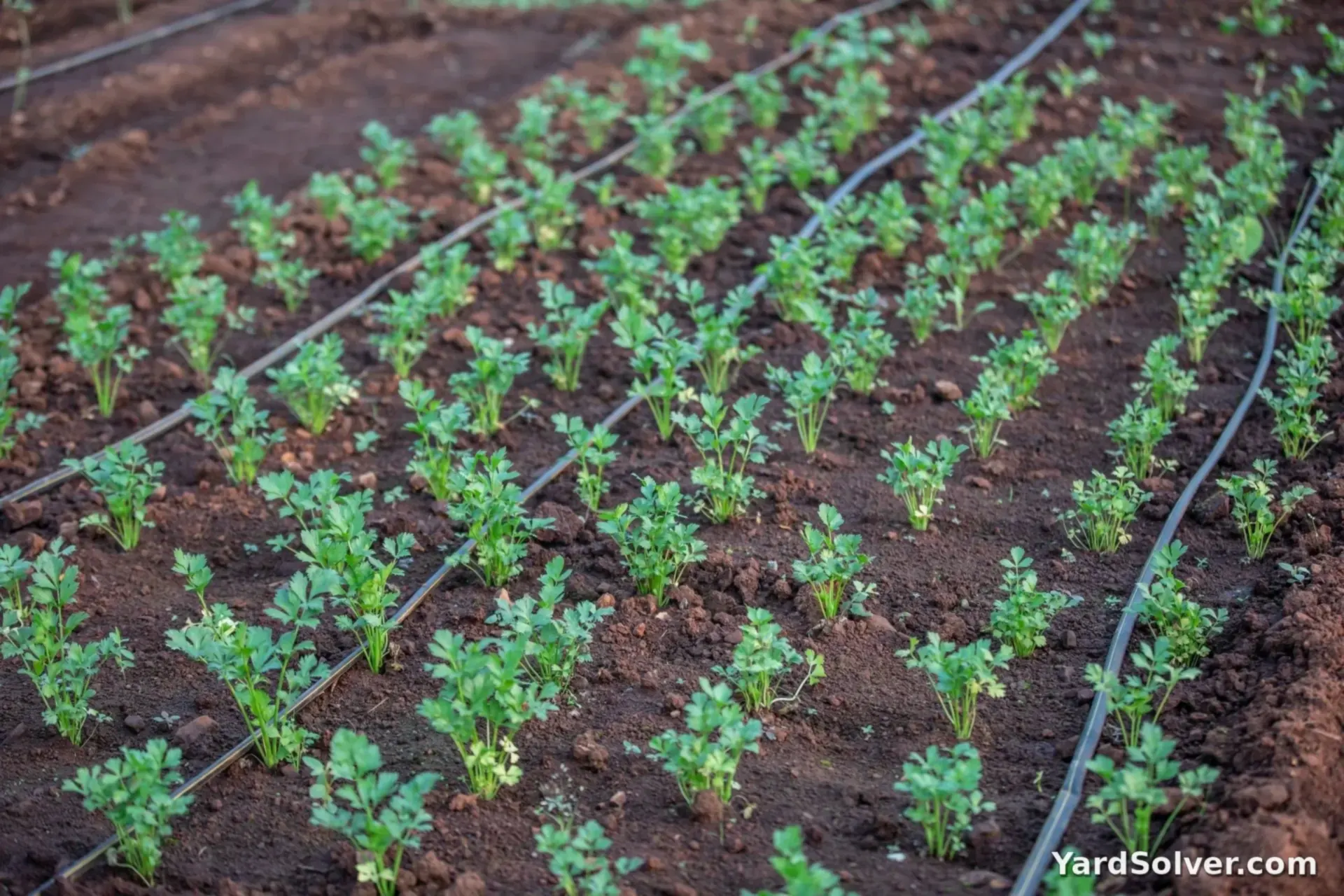
Drought tolerance is trained, not automatic. Watering a little every day keeps roots in the top inch, exactly where drought strikes first. Instead, water deeply and rarely: one long soak that wets the soil 8–12 inches down, then nothing until the soil is dry several inches deep. Roots chase the moisture downward, and a deep-rooted plant rides out weeks of dry weather on reserves a sprinkled plant never builds.
Delivery matters: drip lines and soaker hoses put water at the roots with almost no evaporation loss, while sprinklers lose much of theirs to wind and sun. Water early in the morning, and for the dry zone, let the plant's look be the schedule — lavender and rosemary that are slightly grey and still are fine; water when growth actually stalls or leaves curl and stay curled at dawn. Vacation-proofing the thirsty zone is a separate problem, solved in How to Water Plants While on Vacation.
Step 5 — First-year honesty: established is the whole trick
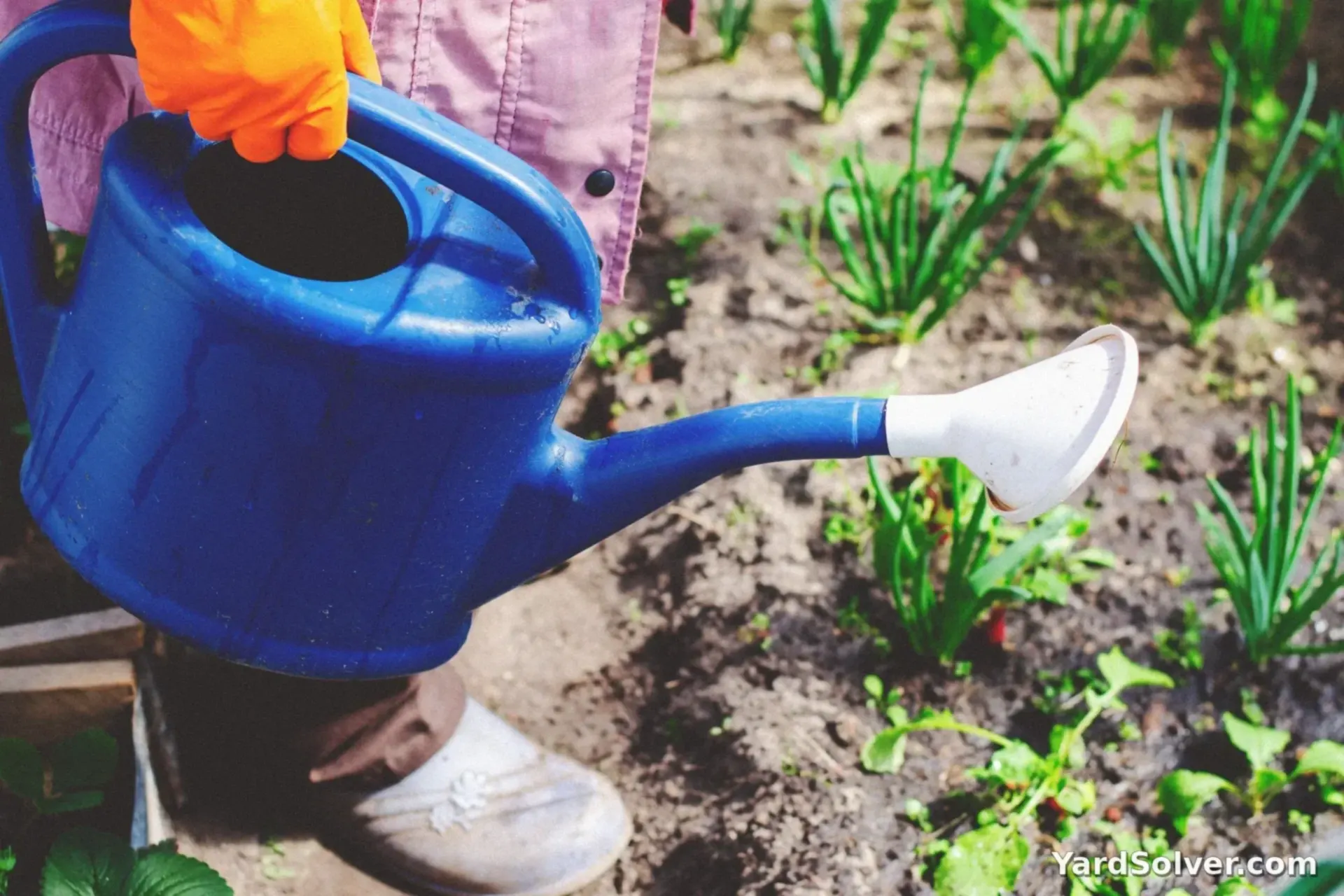
Every failure story in this category starts the same way: a plant labelled drought-tolerant, planted in May, ignored by June, dead by August. A nursery plant has a pot-sized root ball; until its roots have explored real soil — one full growing season — it has no drought tolerance at all. Water first-year plants on the normal schedule: deeply, whenever the top few inches dry. Mulch helps them most of all in year one.
From the second season, taper: stretch the intervals, let the roots go looking, and by year three most plants on this page need water only in exceptional drought — in rainy-summer climates, none at all. That payoff is why the category matters, and it is also why placement patience beats replacement shopping: the established lavender you kept alive through one watered summer outperforms three restarts. For the bigger strategy that drought planting plugs into, see Rainwater Harvesting for Beginners — a barrel turns a downpour into two weeks of deep watering.
Keep going
Use the water you catch: Rainwater Harvesting for Beginners sets up a barrel in an afternoon.
Flowers that pay rent twice: Native Plants: Benefits and How to Grow Them — many are drought-tolerant once established.
Keep the thirsty crops alive through a dry trip: How to Water Plants While on Vacation.
Questions people ask
What is the most drought-tolerant vegetable?
Okra is the standout: it produces through heat and dry spells that stop most vegetables, and sweet potatoes run close behind with their ground-covering vines. Hot peppers and yardlong beans also crop through dry weeks once established. All of them still need regular water in their first weeks.
How often should I water drought-tolerant plants?
Once established — usually after the first full season — most need a deep watering only every 1 to 3 weeks in summer, and in many climates rainfall alone carries them. The method matters more than the schedule: water deeply to wet the root zone, then let the soil dry well before watering again.
Are drought-tolerant plants the same as xeriscape plants?
Mostly — xeriscaping is the landscaping approach built around them: grouping by water need, gravel or bark mulch, and minimal thirsty lawn. Any garden can borrow the principles without going full desert: convert the driest, hardest-to-water corner first and keep thirstier crops near the tap.
Can I grow drought-tolerant plants in Canada?
Yes — many are hardy perennials (echinacea, yarrow, sedum, hardy lavender survive zone 4–5 winters), and the tender Mediterranean herbs grow happily as annuals or in pots that winter indoors. Summer dry spells hit Canadian gardens too; the same grouping and mulching rules apply.
Comments & ratings
No comments yet.
Be the first to share your experience.