
Plant Library · Flowers
🟡 How to Grow Craspedia (Billy Buttons)
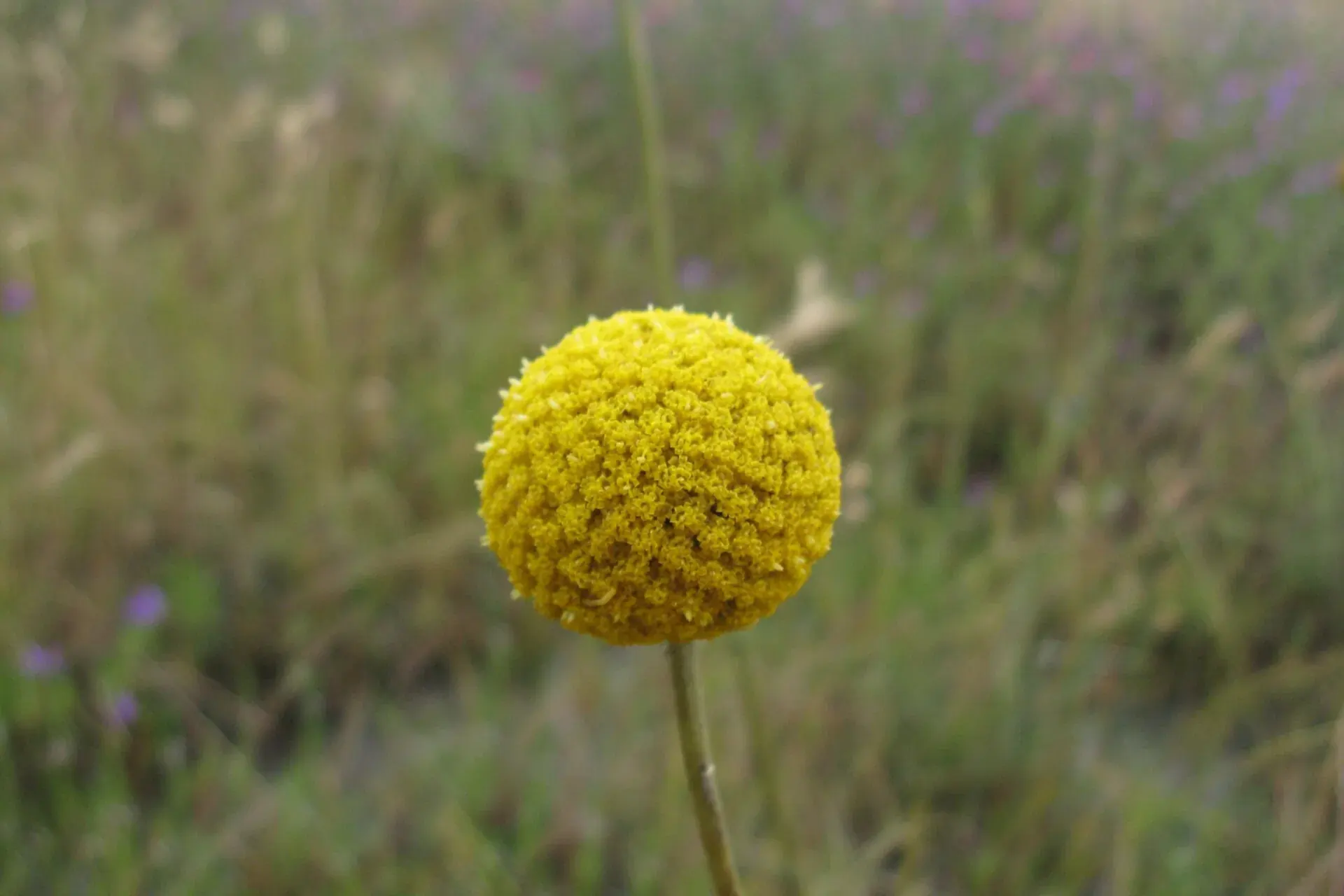
Golden drumsticks on wire stems — the dried-flower star that keeps its colour and shape for years. Craspedia (Craspedia globosa, now Pycnosorus globosus) is a tender Australian perennial grown as an annual: slow from seed, so start it early indoors, then plant out for a summer of yellow globes that dry without fading or shattering. Patience first, then the easiest harvest in the cutting garden.
Grow Craspedia (Billy Buttons) with us — step by step
Everything for this plant is written step by step below — what to do, and exactly when. Read it through first if you like: you can grow it entirely on your own with that guide. Or start with us here — tell us your planting day and we lay out your personal schedule on this page, every next step on its own day, counted from your planting date. No guessing, no forgetting.
Step 1 — today: Surface-sow craspedia seed in pots indoors, early — seedlings crawl for the first month, and that's normal.
Craspedia (Billy Buttons) at a glance
Sow indoors: 8–10 weeks before last frost — it is slow
Move outside: 1 week after last frost
Sow outdoors: Not recommended — too slow for direct sowing
Spacing · Seed depth: 10 in apart · barely cover — seed needs light
Sun: Full sun
Water: Moderate — steady, well-drained
Bloom: July to September; the supreme dried flower
Timing counts from your average last spring frost — get your own dates in the Planting Calendar. Guidance follows standard extension-service practice for Canada and the US.
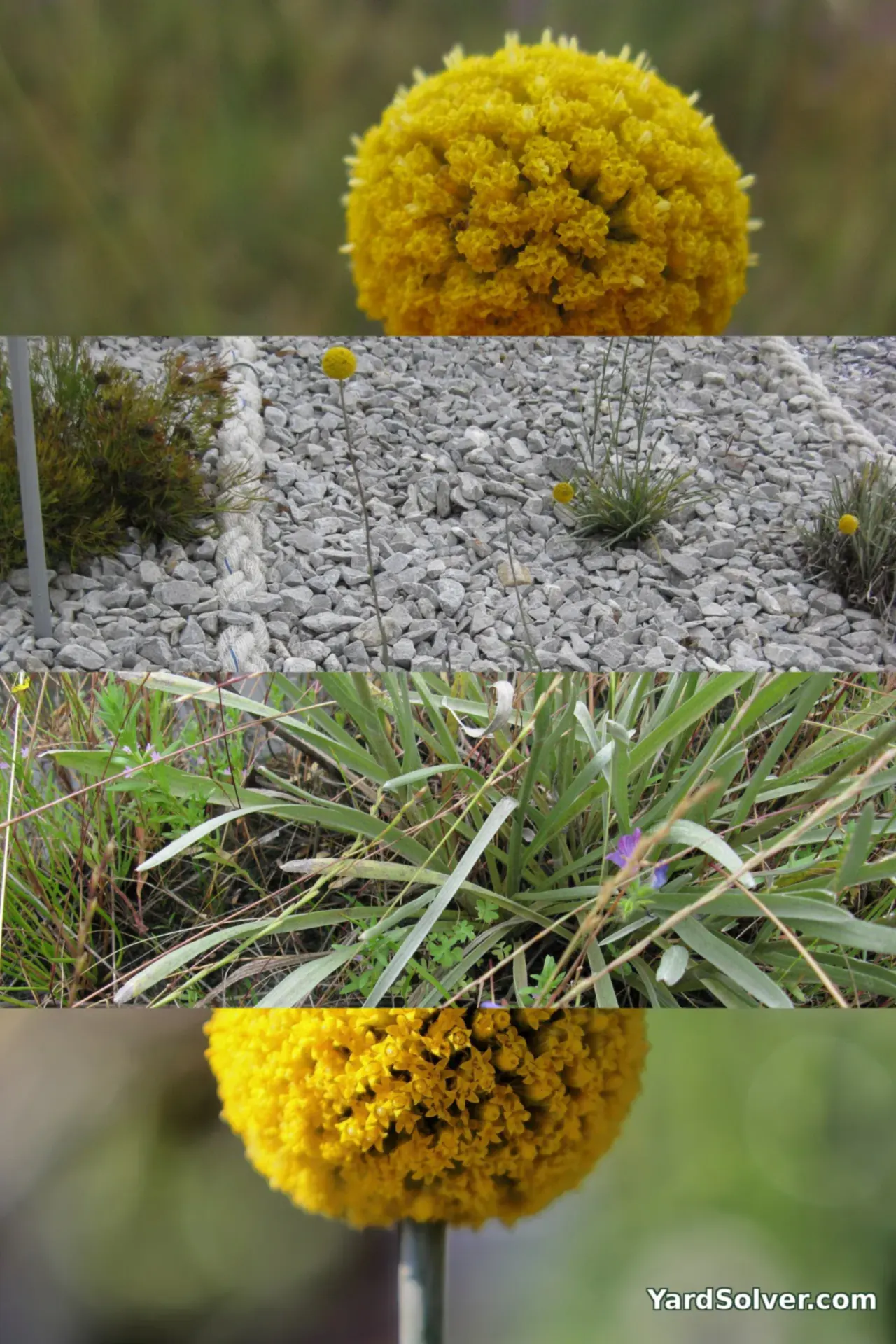
How to plant and grow craspedia, step by step
Step 1 — Time it right
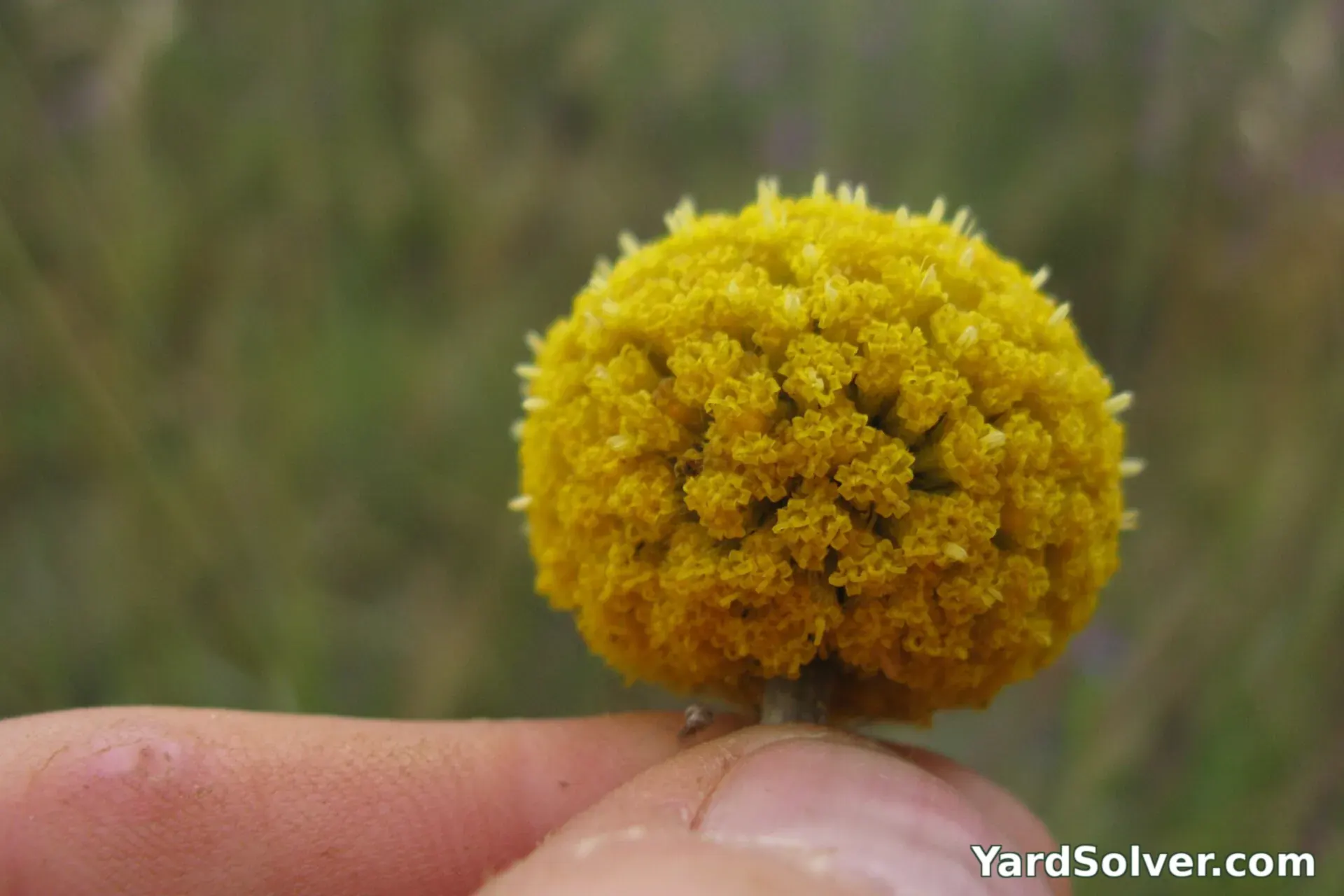
Sow indoors: 8–10 weeks before last frost — craspedia is slow to start; Move outside: 1 week after last frost; Sow outdoors: not recommended. All dates count from your average last spring frost — the Planting Calendar turns them into real dates for your garden. Craspedia germinates in 2–3 weeks on the surface under light, then sits as a small silvery rosette for what feels like forever. This is normal. The early indoor start (8–10 weeks before frost) is what turns that slow start into July flowers. Grow seedlings on bright and cool-ish once they're up, to keep them stocky.
Step 2 — Prepare the spot
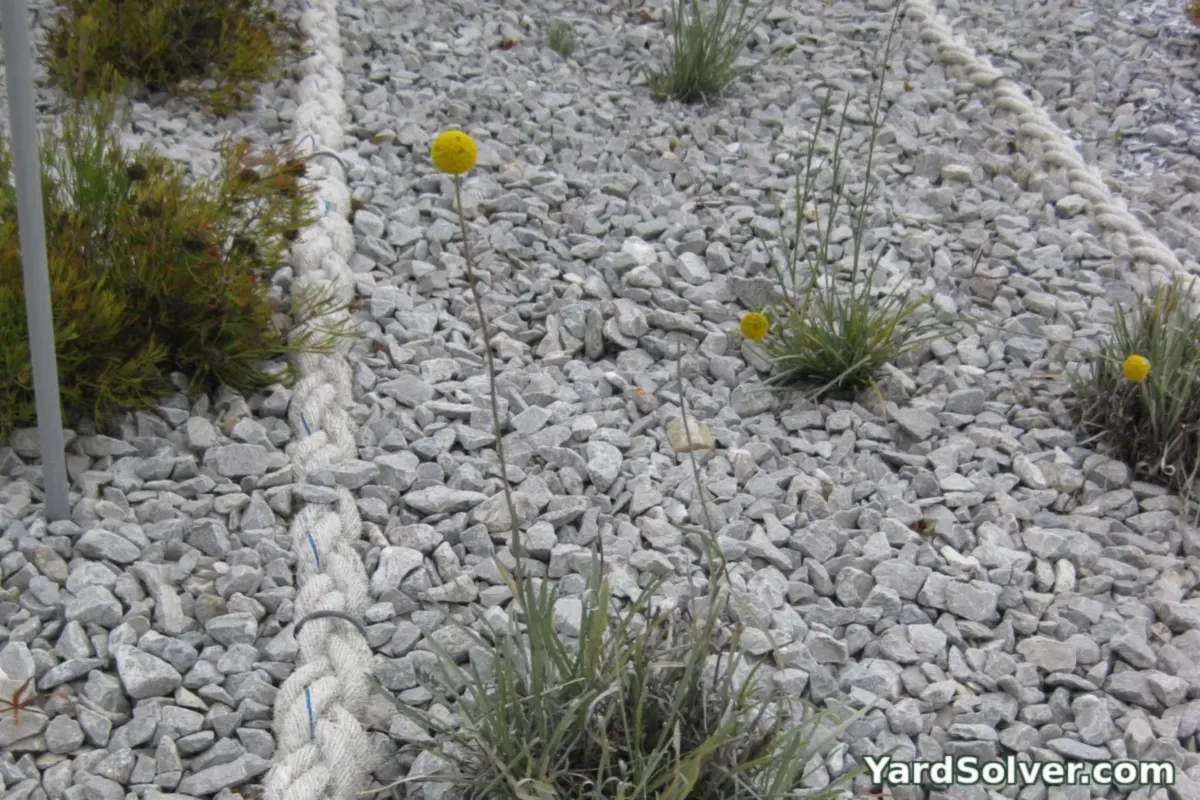
Give craspedia your sunniest, best-drained bed: average soil, no fuss, but no puddles. In heavy ground, a raised bed or a generous pot suits it better. It tolerates poor soil happily once growing, in the Australian way. For a raised bed, the Raised Bed Soil Calculator counts the bags for you; mixing your own? The Garden Soil Calculator gives the compost-rich split to aim for.
Step 3 — Sow and plant out
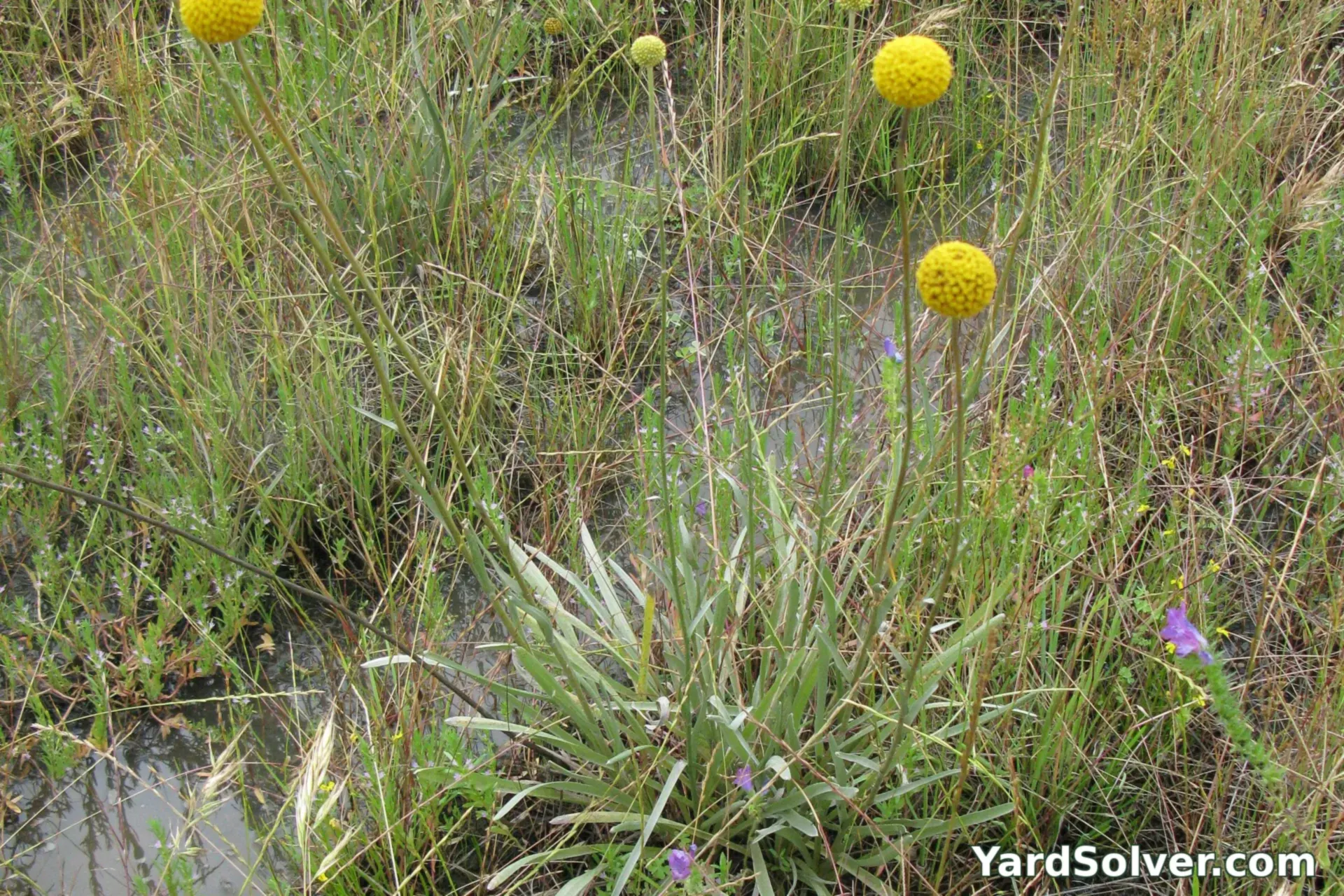
Set the rosettes 10 in apart, at the same depth, and water in. The Plant Spacing Calculator turns your bed size into an exact plant count. Good neighbours: craspedia's drumsticks dance above lower plantings of statice and strawflowers — the dried-flower bed practically designs itself.
Step 4 — Water and feed
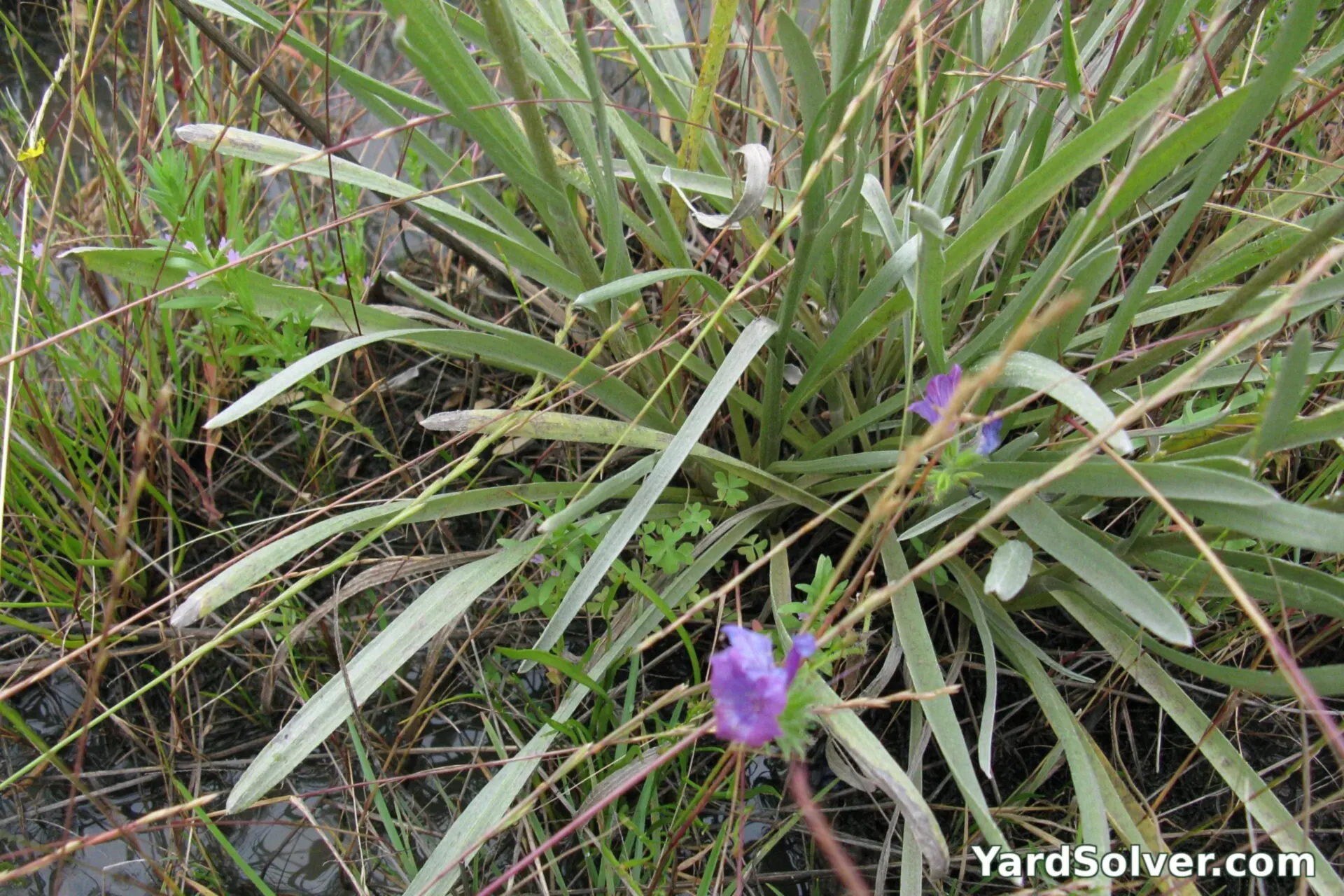
Water until plants are growing strongly, then only in drought. Feeding is light — one balanced feed at planting on thin soil, and no more; rich feeding makes leaf at the expense of those wiry stems — the Fertilizer Calculator turns your bed size into exact amounts.
Step 5 — Care and the problems to watch for
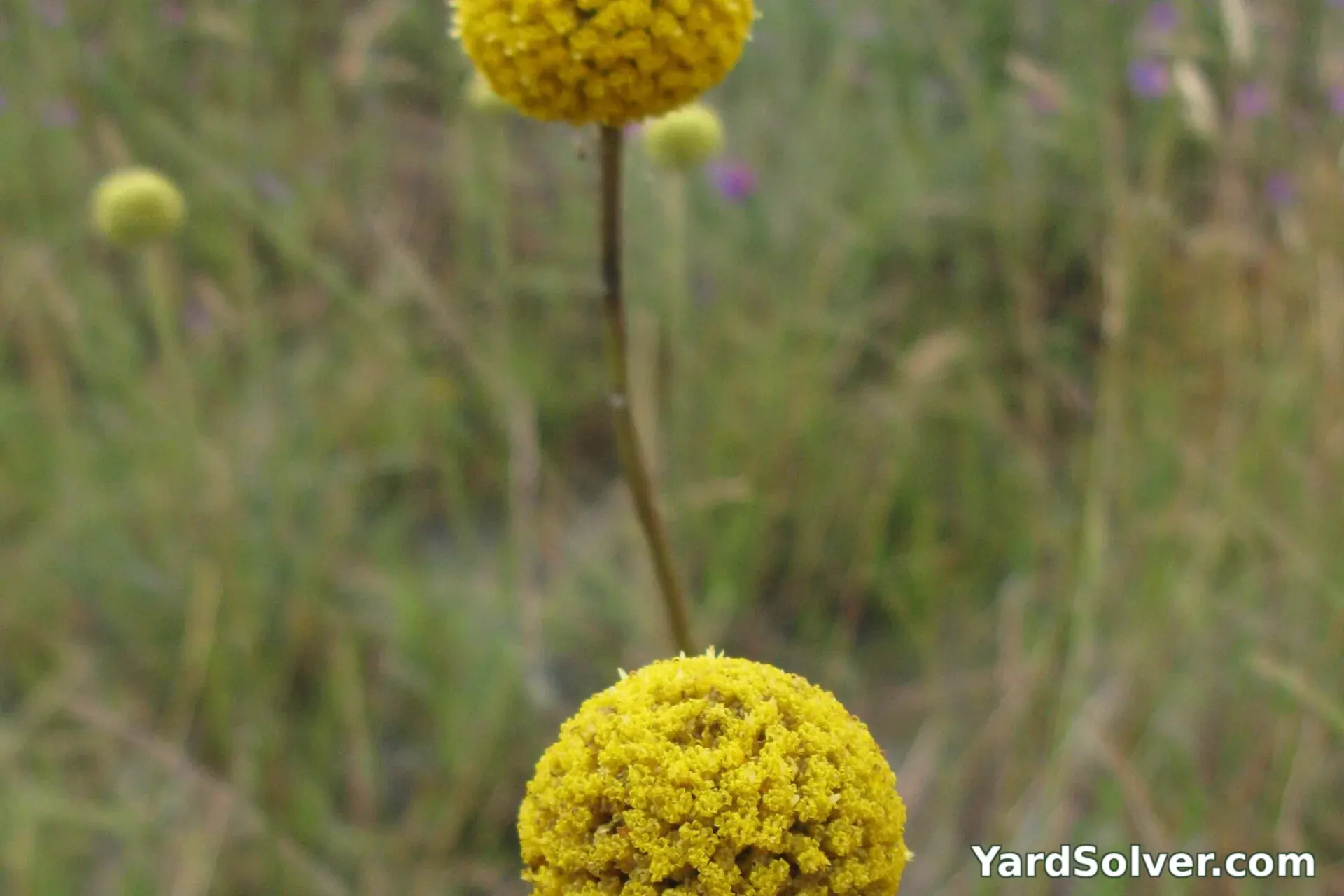
Craspedia is nearly care-free once out: the stems are naturally wiry and stand without support.
- Seedlings stalling — the normal slow rosette phase; warmth and patience, not feed, are the answer.
- Rot in wet soil — drainage again; lift to a raised bed or pot.
- Few stems — plants are still young; a second year isn't possible in cold zones, so protect the schedule — start earlier next spring.
Step 6 — Harvest
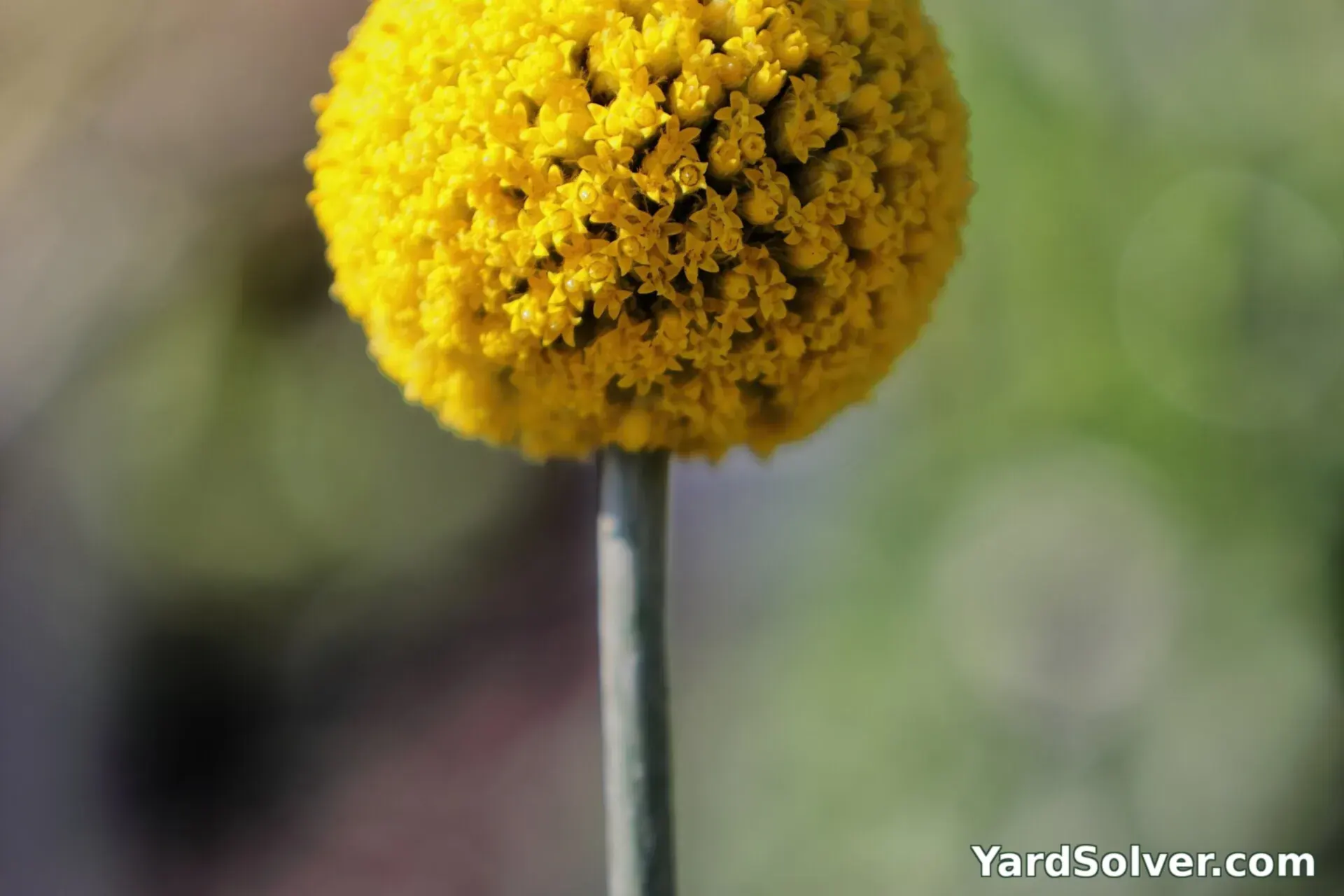
Cut stems when the balls are fully golden and feel firm. Fresh, they last a week in water; dried — simply stood in an empty vase or hung for a fortnight — they keep their colour and shape for years, which is why florists call them billy buttons and charge accordingly. Leave the last stems standing for winter structure if frost holds off.
📅 Your personal Craspedia (Billy Buttons) schedule
Counted from your planting day — not a generic calendar. Day 0 is the day the seed went in the ground or the young plant went out.
Varieties worth growing
| Variety | Colour | Why gardeners like it |
|---|---|---|
| Golf Beauty | Large golden globes | An improved strain with bigger balls on longer, straighter stems. |
| Drumstick | Classic yellow, uniform | The standard seed strain — reliable and true. |
| Billy Buttons (wild type) | Smaller globes, silvery leaves | The Australian original — daintier, very drought-tolerant. |
Good for you — and take care
Benefits
- The champion dried flower — colour and shape hold for years.
- Architectural golden globes that suit modern arrangements.
- Drought-tolerant and untroubled once established.
Take care
- Very slow from seed — the early indoor start is not optional.
- Hates wet soil; plant with drainage or in pots.
- Tender — treat as an annual outside warm zones.
A little history — and one good fact
Craspedia comes from the grasslands of Australia and New Zealand, where its woolly rosettes survive drought and grazing. Florists discovered that the globes dry without fading, and 'billy buttons' marched from wildflower to wedding bouquet in a generation.
Fun fact: Botanists moved craspedia into a new genus, Pycnosorus — seed catalogues use both names for the same golden drumsticks, which confuses everyone equally.
Keep going
Guides: Succession planting · Companion planting basics · Pollinator garden guide
Calculators: Plant Spacing Calculator · Garden Mix Calculator · Fertilizer Calculator
More flowers: Bunny Tail Grass · Statice · Strawflower · Flannel Flower
← Back to the Plant Library · Get your personal planting dates
Questions people ask
Why is my craspedia growing so slowly?
That is its nature for the first two months — it builds a ground-hugging rosette before sending up stems. Start seed 8–10 weeks before last frost so the slow phase happens indoors, under lights.
How do you dry craspedia?
Cut stems when the globes are fully coloured and firm, strip any leaves, and stand them in an empty vase or hang them for about two weeks. The dried drumsticks keep their colour for years.
Is craspedia a perennial?
In warm, dry climates (zones 9–11) it can be. Everywhere else it is grown as an annual — one long season from an early sowing.