
Plant Library · Flowers
🤍 How to Grow Flannel Flower
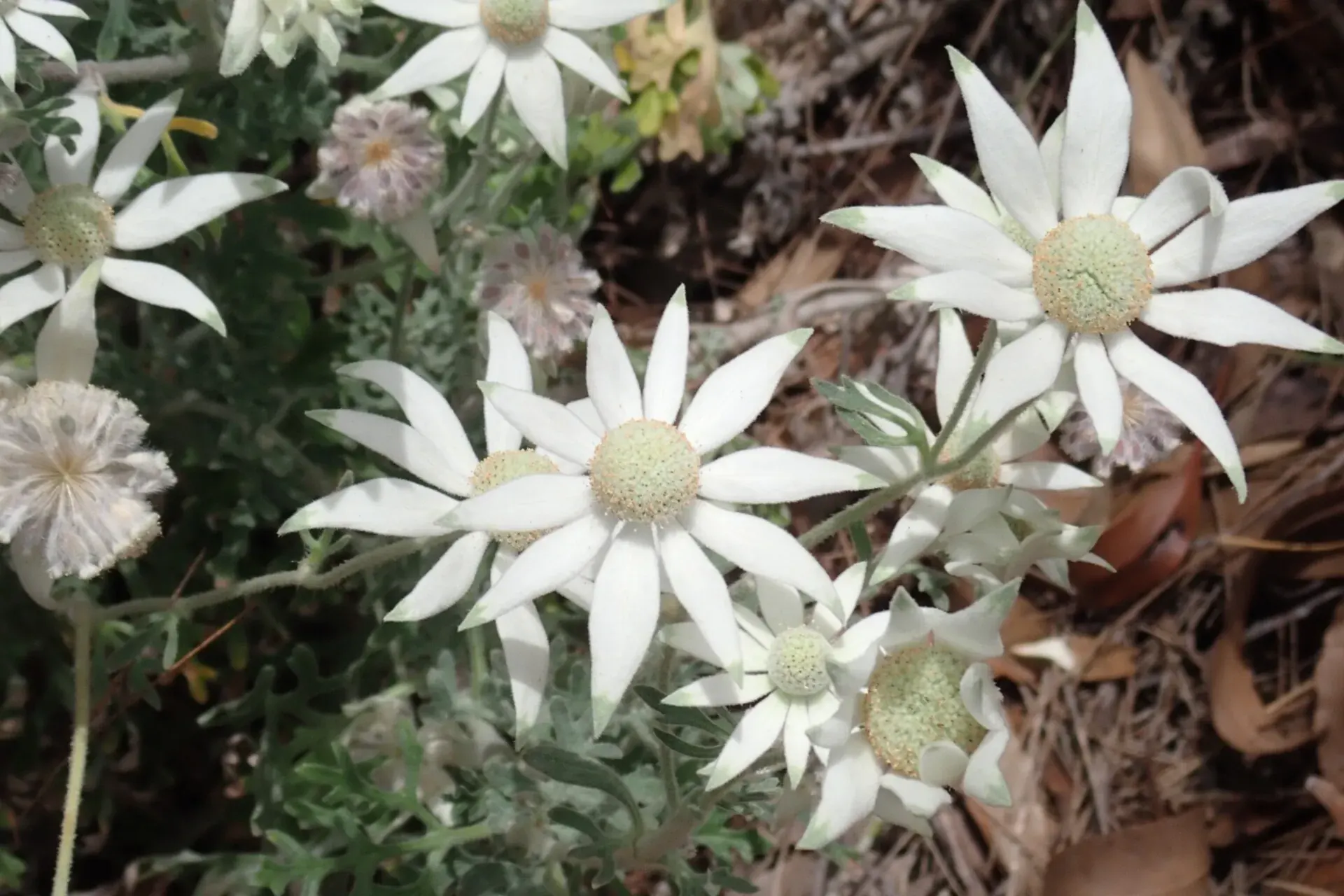
Australia's softest flower — white stars wrapped in woollen bracts you have to touch to believe. Flannel flower (Actinotus helianthi) is a short-lived perennial from the sandy soils of eastern Australia, grown in frost-free gardens (zones 9–11) or in pots elsewhere. Its terms are strict and simple: sandy, hungry, sharply drained soil, full sun, and no rich kindness. Meet them and it flowers for months.
Grow Flannel Flower with us — step by step
Everything for this plant is written step by step below — what to do, and exactly when. Read it through first if you like: you can grow it entirely on your own with that guide. Or start with us here — tell us your planting day and we lay out your personal schedule on this page, every next step on its own day, counted from your planting date. No guessing, no forgetting.
Step 1 — today: Buy a potted flannel flower plant in spring — propagation is a specialist's game (growers use cuttings and smoke-treated seed).
Flannel Flower at a glance
Plant out: Spring, as a bought plant — seed is slow and unreliable
Move indoors: Pots under cover for hard frosts
Sow outdoors: Fresh seed in spring, surface-sown — smoke treatment helps
Spacing: 15 in apart
Sun: Full sun to light shade
Water: Low — water to establish, then sparingly
Bloom: Spring to summer (near year-round in mild climates); prune for repeat flushes
Timing counts from your average last spring frost — get your own dates in the Planting Calendar. Guidance follows standard extension-service practice for Canada and the US.
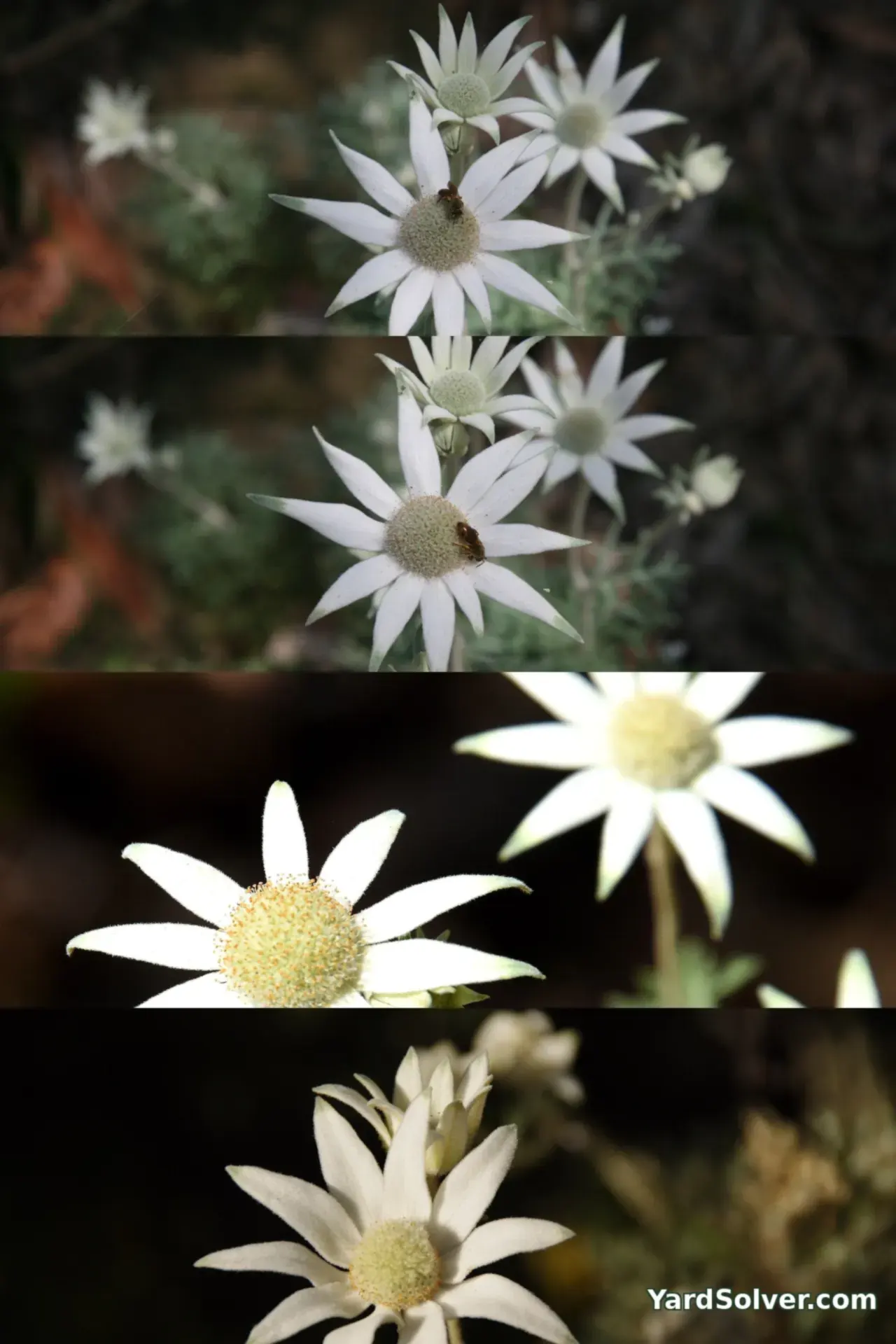
How to plant and grow flannel flower, step by step
Step 1 — Time it right
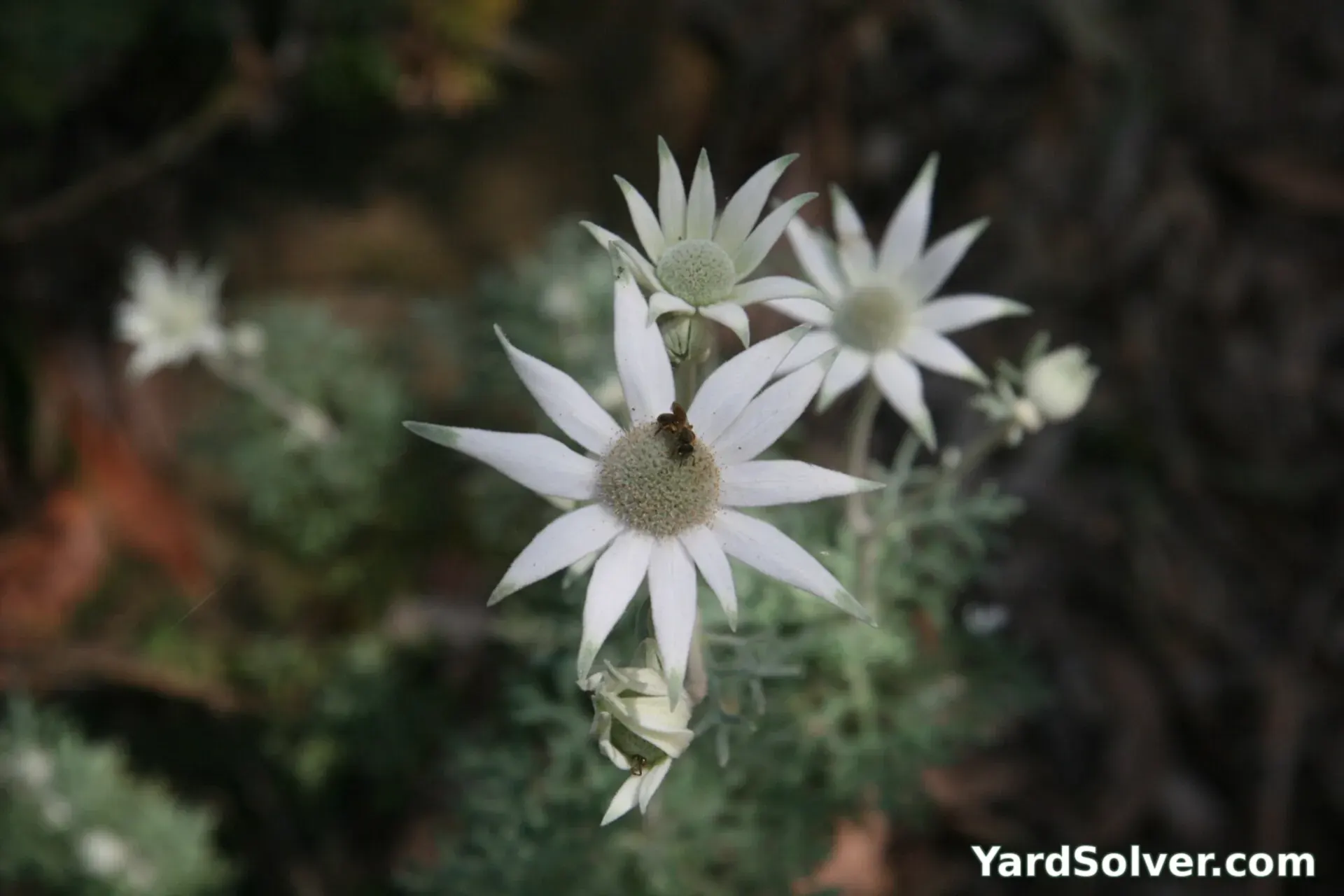
Plant out: in spring after frost, as a bought plant; Sow: only fresh seed, surface-sown in spring — germination is slow and erratic. All dates count from your average last spring frost — the Planting Calendar turns them into real dates for your garden. Flannel flower seed must be absolutely fresh, germinates over weeks-to-months, and in the wild is cued by bushfire smoke (nurseries use smoke-water to wake it). Cuttings are the commercial route. For the home gardener: buy a plant in spring. It is a short-lived perennial — expect up to about four good years — that often self-sows in gravel to renew itself.
Step 2 — Prepare the spot
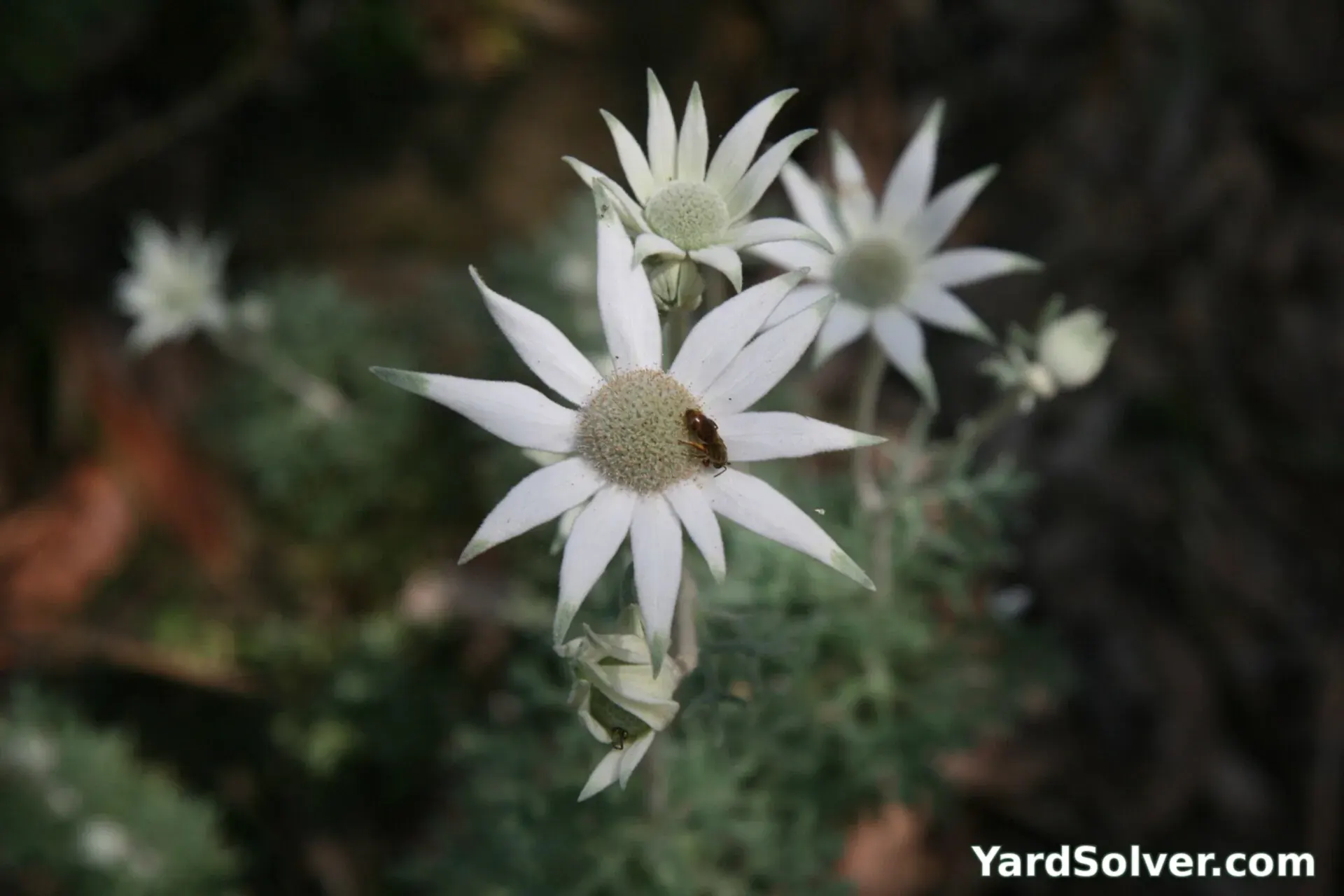
This is the most soil-specific plant in this library. Flannel flower grows wild on shallow sandy soils over sandstone — so give it sandy or gravelly soil, moderately acid (pH 5–6 suits it), low in phosphorus and fertility, with drainage that never, ever sits wet. A raised bed of sand and gritty compost, or a pot of sandy mix, is ideal. Clay is a death sentence. For a raised bed, the Raised Bed Soil Calculator counts the bags for you; mixing your own? The Garden Soil Calculator gives the compost-rich split to aim for.
Step 3 — Sow and plant out
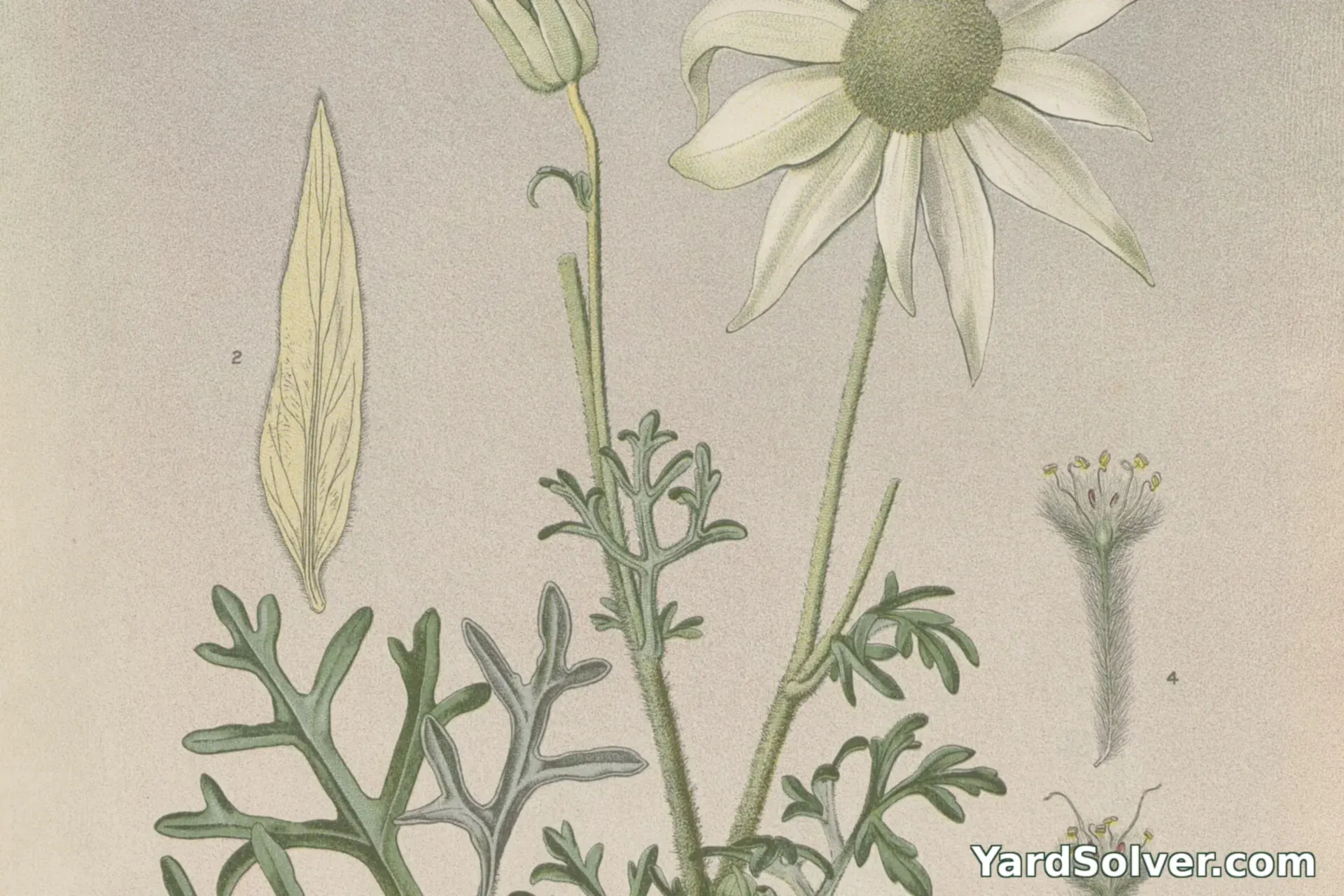
Set the plant at its pot depth, 15 in apart, firm the sand around it, and water in once. The Plant Spacing Calculator turns your bed size into an exact plant count. Flannel flower resents root disturbance — plant it like a final decision. Good neighbours: it shares its lean, sandy tastes with other Australian natives and dry-garden plants like lavender (though lavender wants more lime — keep them in separate beds).
Step 4 — Water and feed
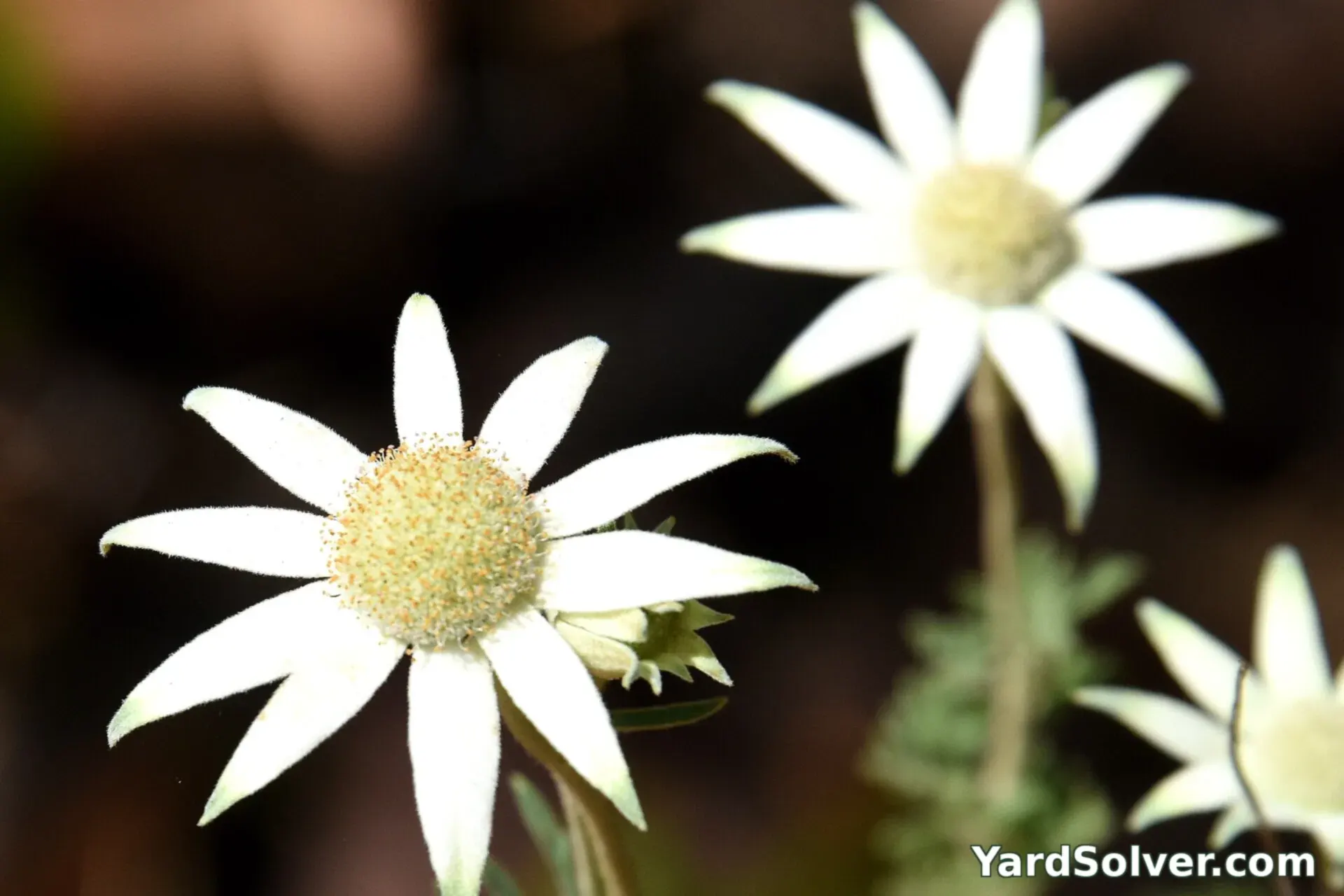
Water to establish, then only in long dry spells, and always let the soil dry between drinks. Feeding: a whisper of low-phosphorus native-plant feed in spring at most — rich feeding and phosphate-heavy fertilizers genuinely harm this plant. When in doubt, do nothing: it evolved on starvation rations.
Step 5 — Care and the problems to watch for
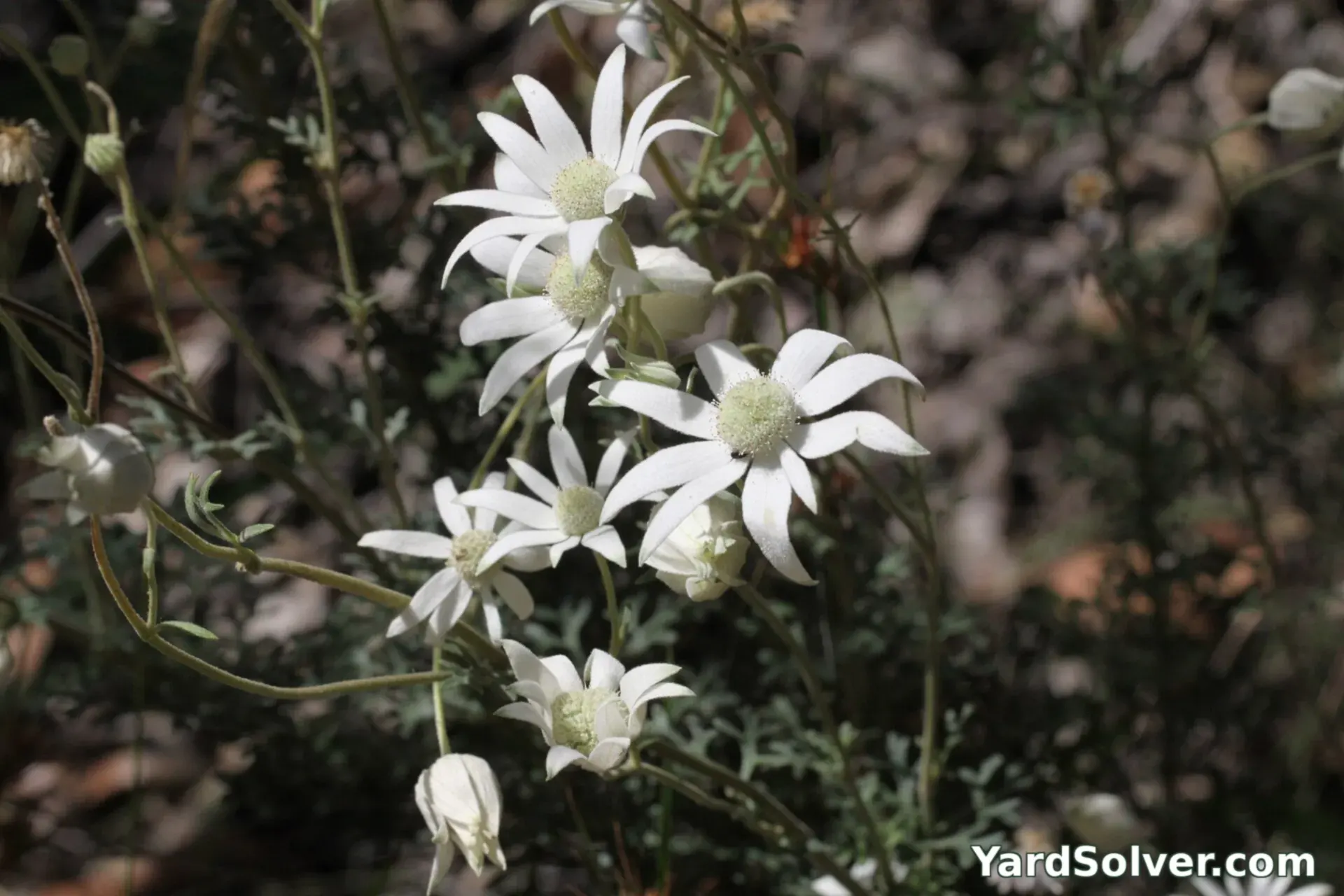
Tip-prune after the first flowering to keep plants compact and extend the bloom; established plants tolerate mild frost but hard frosts and wet winters kill.
- Sudden collapse — root rot from wet or rich soil; there is no cure, only prevention.
- Leggy, sparse plants — prune lightly after flushes to force branching.
- Failure to thrive on clay — it was always going to happen; replant into a sand bed or pot.
Step 6 — Harvest
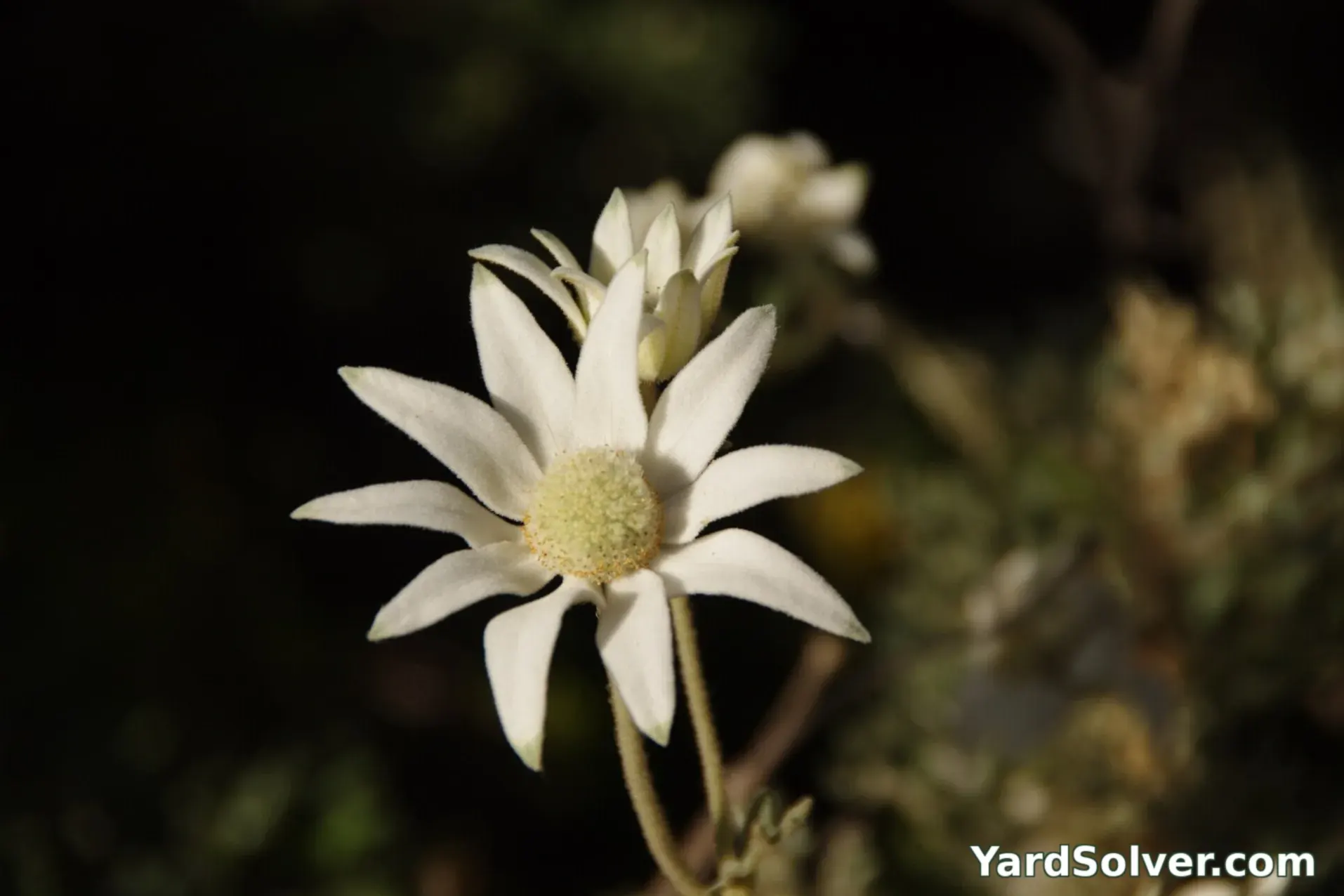
Flannel flower is a valuable commercial cut flower in its homeland: cut stems when the heads are fully open and they hold for a week or more in water. In the garden, let late flowers seed into the gravel around the parent — the self-sown seedlings, arriving on the plant's own schedule, are how most gardeners keep the species going.
📅 Your personal Flannel Flower schedule
Counted from your planting day — not a generic calendar. Day 0 is the day the seed went in the ground or the young plant went out.
Varieties worth growing
| Variety | Colour | Why gardeners like it |
|---|---|---|
| Federation Star | Large white stars | The selected cultivar chosen as New South Wales' floral emblem for the Centenary of Federation. |
| Starbright | Compact, many flowers | A shorter selection bred for pots and borders. |
| Parkes Star | White, long stems | A long-stemmed form favoured by cut-flower growers. |
Good for you — and take care
Benefits
- The most tactile flower in the garden — genuinely soft as flannel.
- A prized cut flower with weeks of garden bloom.
- Thrives on sand, starvation and drought where little else flowers.
Take care
- Wet or rich soil kills it — drainage and lean sand are non-negotiable.
- Short-lived (about 4 years) and frost-tender when young; let it self-sow.
- Seed is unreliable — buy plants or take cuttings.
A little history — and one good fact
Flannel flower is the floral emblem of New South Wales' federation centenary and an icon of the Sydney bush — it grows wild on the sandstone plateaus around the city, flowering most prolifically in the seasons after bushfire, when smoke wakes its seed and ash clears its competition.
Fun fact: The white 'petals' are actually bracts, and the whole plant is coated in soft hairs that give it its flannel feel — an adaptation that shades the plant and traps moisture in its harsh, sunny habitat.
Keep going
Guides: Companion planting basics · Pollinator garden guide · Crop rotation basics
Calculators: Plant Spacing Calculator · Garden Mix Calculator · Fertilizer Calculator
More flowers: Craspedia · Bird of Paradise · Bunny Tail Grass · Yarrow
← Back to the Plant Library · Get your personal planting dates
Questions people ask
Why did my flannel flower suddenly die?
Almost certainly its roots got wet or rich. Flannel flower collapses from root rot in heavy, fertile or waterlogged soil. The fix is prevention: a raised bed or pot of sandy, low-fertility mix with perfect drainage.
Can flannel flower survive frost?
Established plants tolerate mild frost; young plants and hard frosts are another matter. Outside zones 9–11, grow it in a pot and move it under cover for the coldest weather.
Can I grow flannel flower from seed?
Only with fresh seed, patience, and ideally smoke treatment — germination is slow and erratic even then. Nurseries propagate it from cuttings; buying a plant is the route nearly every gardener takes.