
Plant Library · Flowers
🌾 How to Grow Bunny Tail Grass
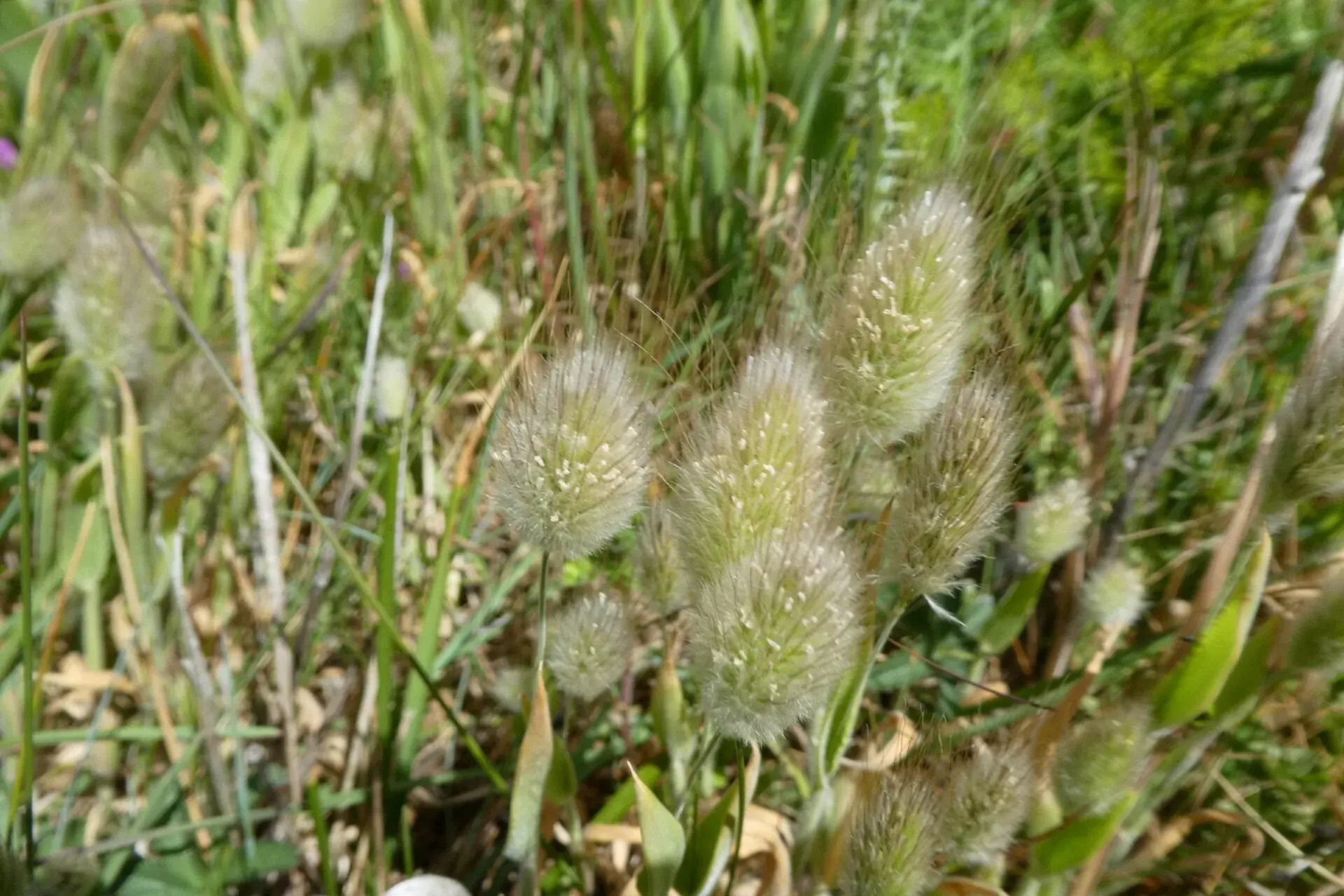
The most strokeable plant in the garden — soft, fluffy tails on a neat little grass, made for children's gardens and dried bunches. Bunny tail grass (Lagurus ovatus) is a Mediterranean annual grass of about 12–24 in, grown for its oval cream heads. Sow it in spring, cut the tails as they bloom, and dry them for vases that last for years.
Grow Bunny Tail Grass with us — step by step
Everything for this plant is written step by step below — what to do, and exactly when. Read it through first if you like: you can grow it entirely on your own with that guide. Or start with us here — tell us your planting day and we lay out your personal schedule on this page, every next step on its own day, counted from your planting date. No guessing, no forgetting.
Step 1 — today: Sow bunny tail seed in a tray or small pots indoors — the seedlings look like ordinary grass until the tails appear.
Bunny Tail Grass at a glance
Sow indoors: 6 weeks before last frost
Move outside: At last frost
Sow outdoors: At last frost
Spacing · Seed depth: 10 in apart · 1/4 in deep
Sun: Full sun
Water: Low — drought-tolerant once settled
Bloom: Heads June to August; cut as they emerge for drying
Timing counts from your average last spring frost — get your own dates in the Planting Calendar. Guidance follows standard extension-service practice for Canada and the US.
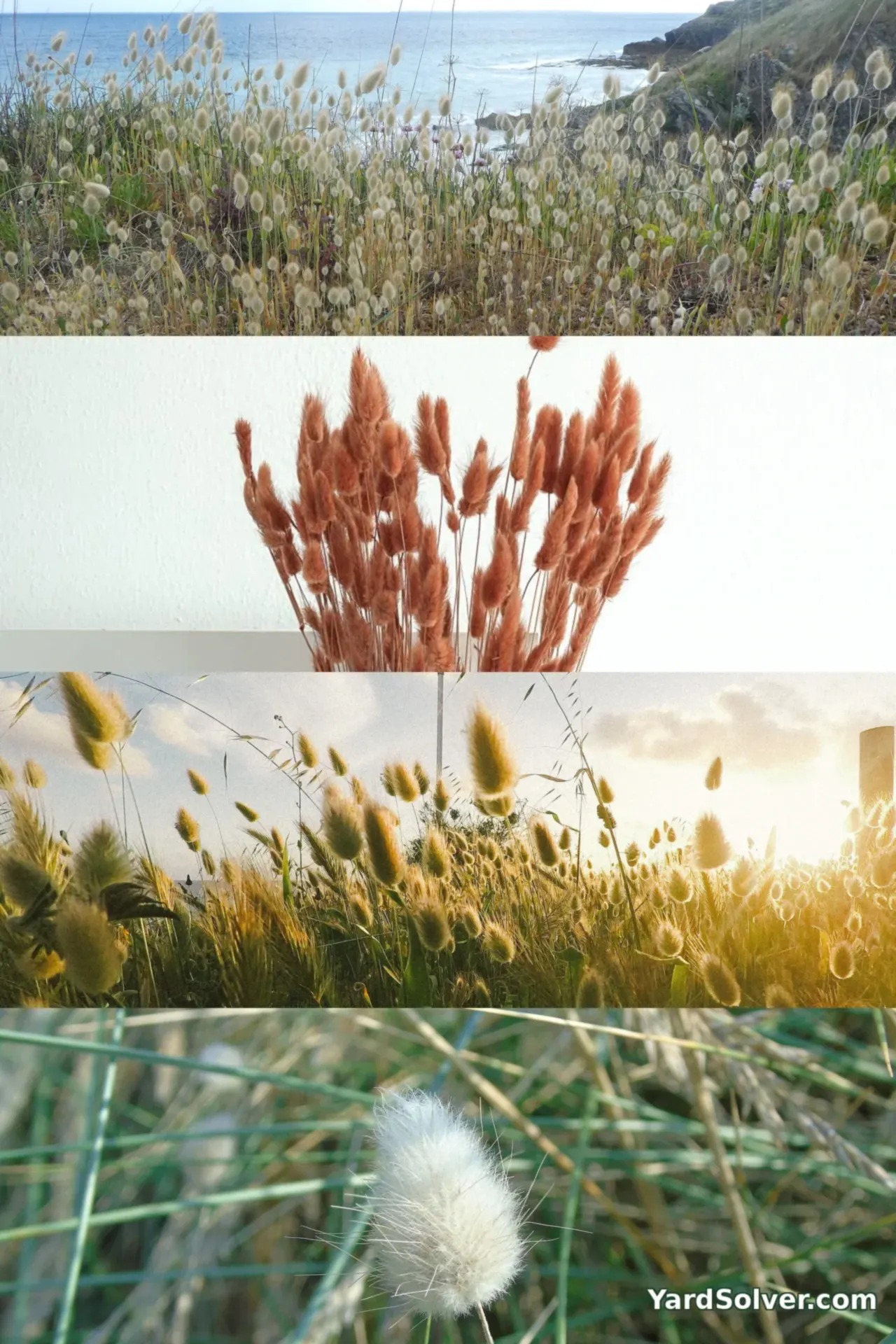
How to plant and grow bunny tail grass, step by step
Step 1 — Time it right
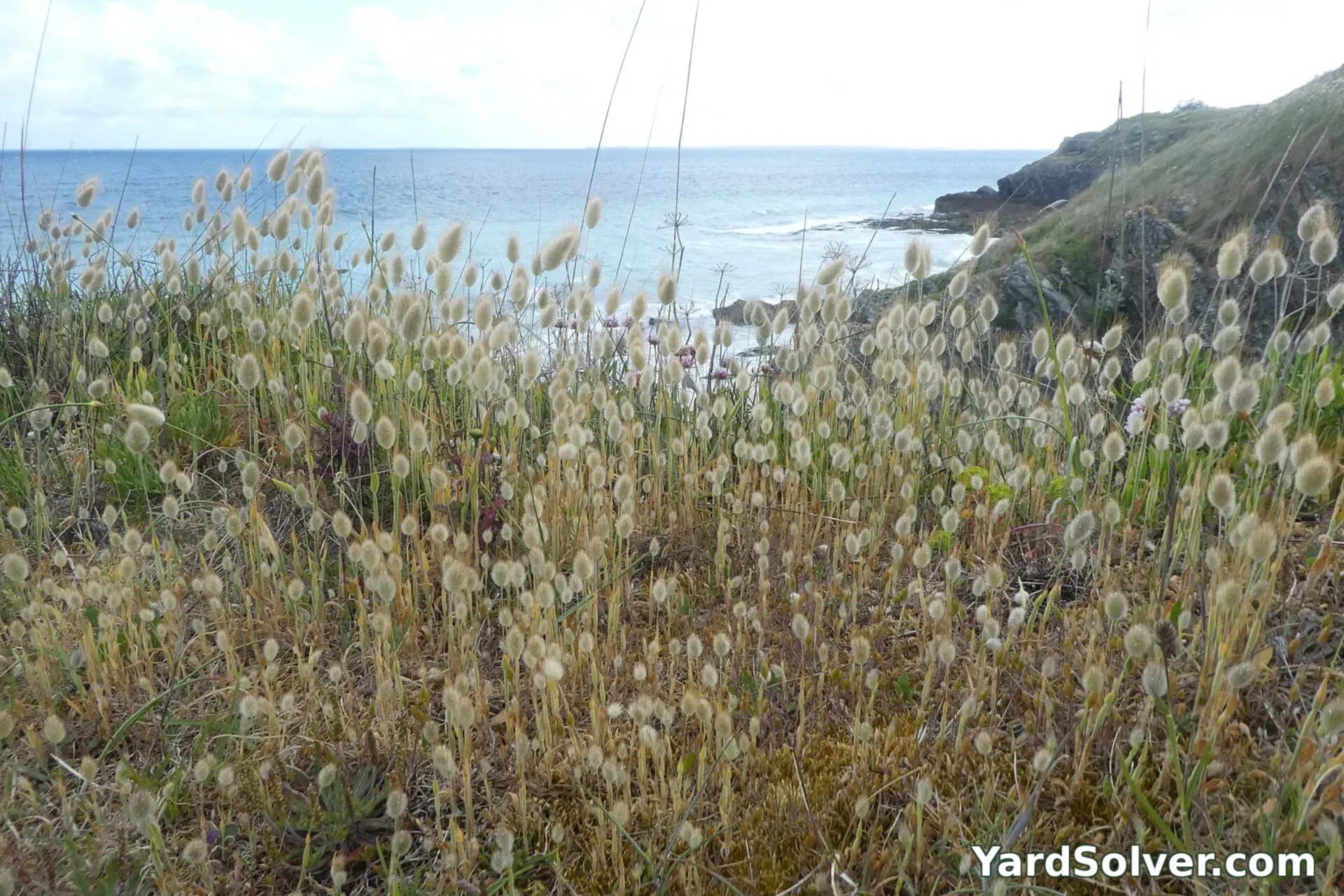
Sow indoors: 6 weeks before last frost; Move outside: at last frost; Sow outdoors: at last frost. All dates count from your average last spring frost — the Planting Calendar turns them into real dates for your garden. Bunny tail is an annual grass that germinates in 10–14 days and grows fast in warming weather. An indoor start gives it a head start in short seasons; direct sowing after frost works where summers are long. Sow thickly — you'll plant it out in tufts, and a dense drift is the whole effect.
Step 2 — Prepare the spot
This is a grass of Mediterranean roadsides: full sun, poor-to-average soil, sharp drainage. The front of a border, a gravel garden, or a pot are all perfect. Rich, heavily fed soil gives lush leaves and weak, flopping heads — keep it lean. For a raised bed, the Raised Bed Soil Calculator counts the bags for you; mixing your own? The Garden Soil Calculator gives the compost-rich split to aim for.
Step 3 — Sow and plant out
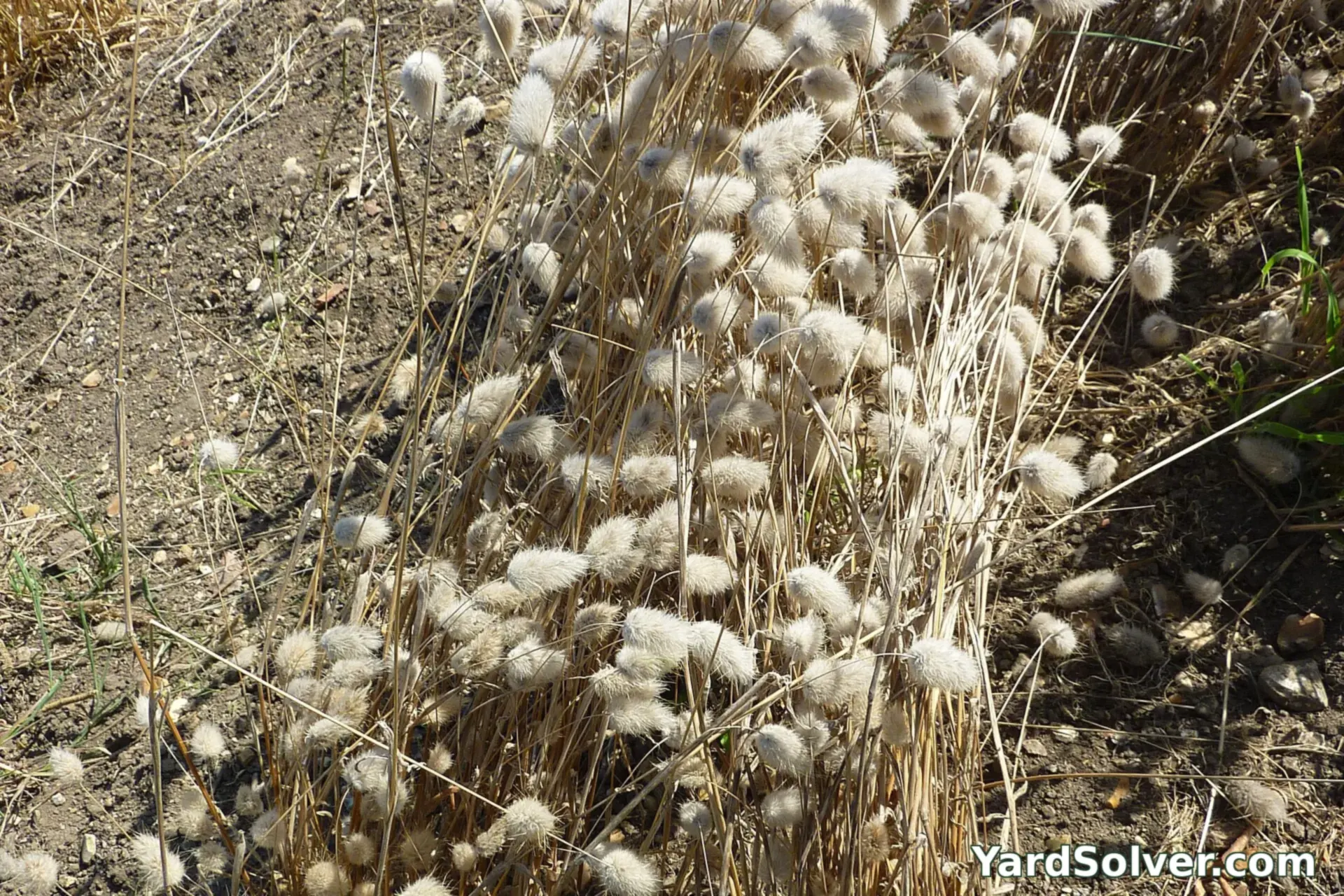
Set tufts of seedlings 10 in apart and water in once. The Plant Spacing Calculator turns your bed size into an exact plant count. Good neighbours: bunny tails soften the feet of lavender and yarrow in dry borders, and children plant them by their own paths — the heads are irresistible to small hands.
Step 4 — Water and feed
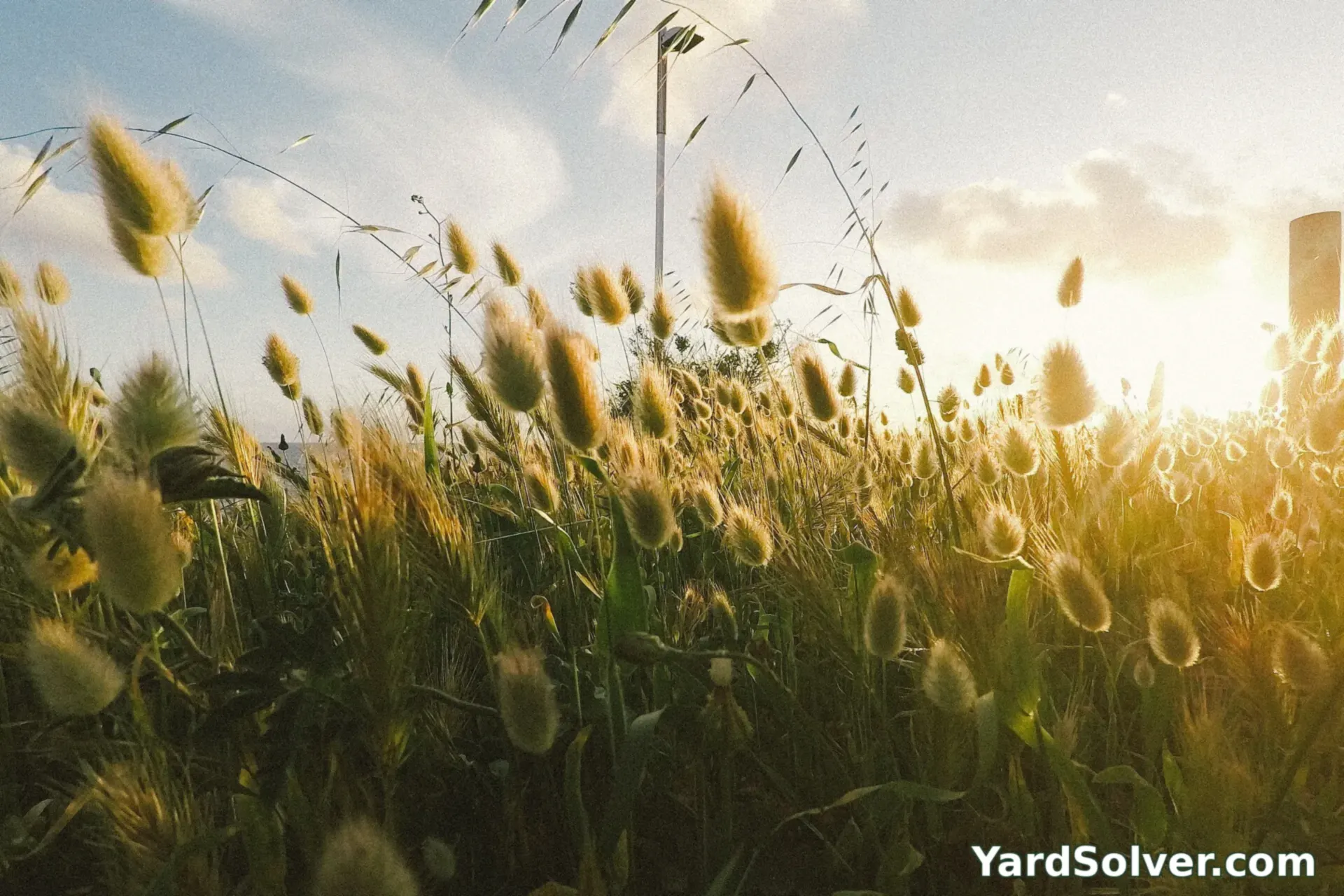
Water through establishment, then almost never — this grass is built for dry summers. No feeding at all: fertility is the enemy of those tight, upright tails. In pots, water sparingly and feed never — the Fertilizer Calculator turns your bed size into exact amounts (for the hungrier neighbours).
Step 5 — Care and the problems to watch for
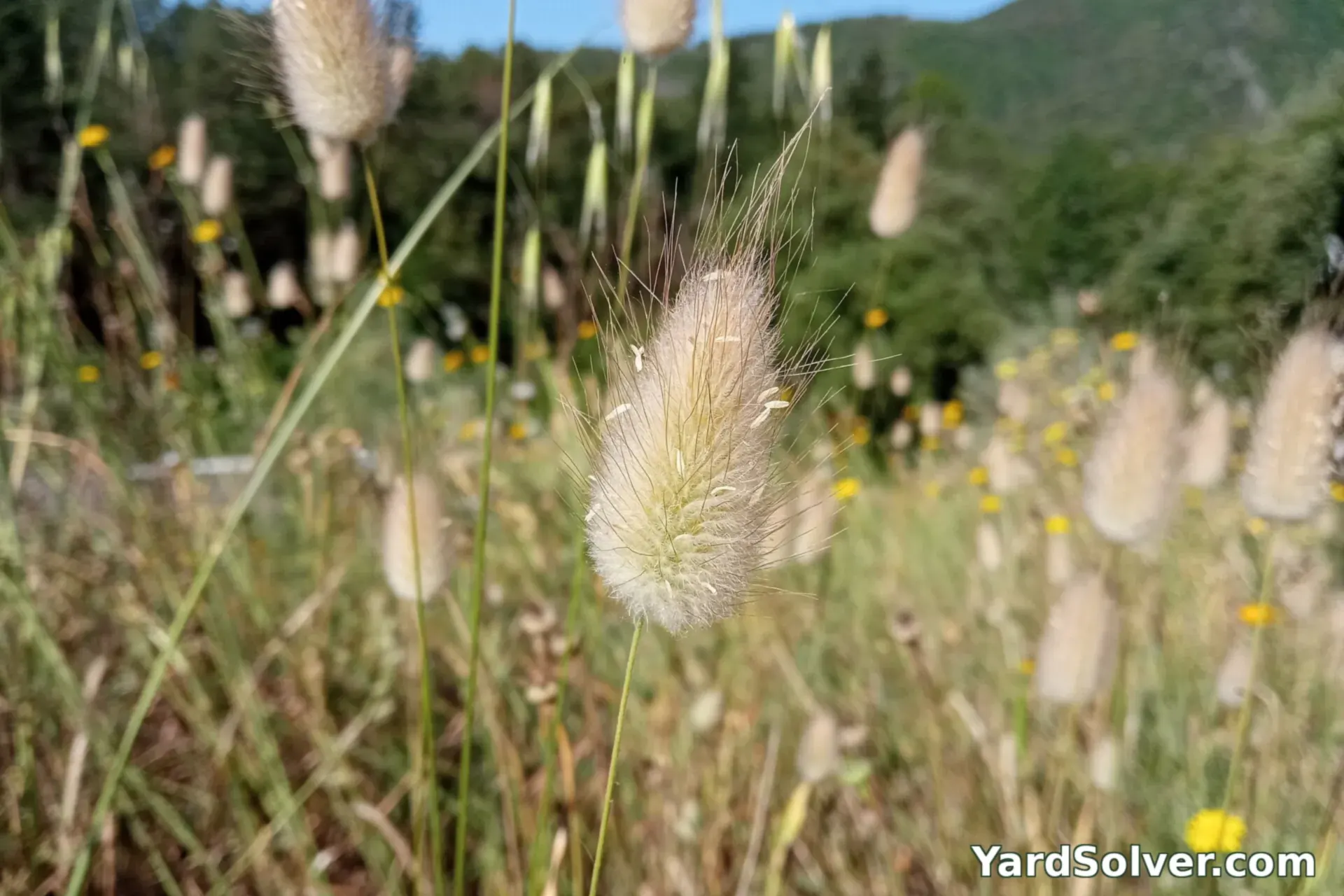
Bunny tail needs no staking, pruning or fussing. The one piece of timing that matters is the harvest.
- Fluffy heads shattering — cut too late; take them just as they fully emerge and feel soft.
- Flopping clumps — soil too rich or too much shade; grow it leaner.
- Self-sown seedlings next spring — a few always appear; move them or enjoy them.
Step 6 — Harvest
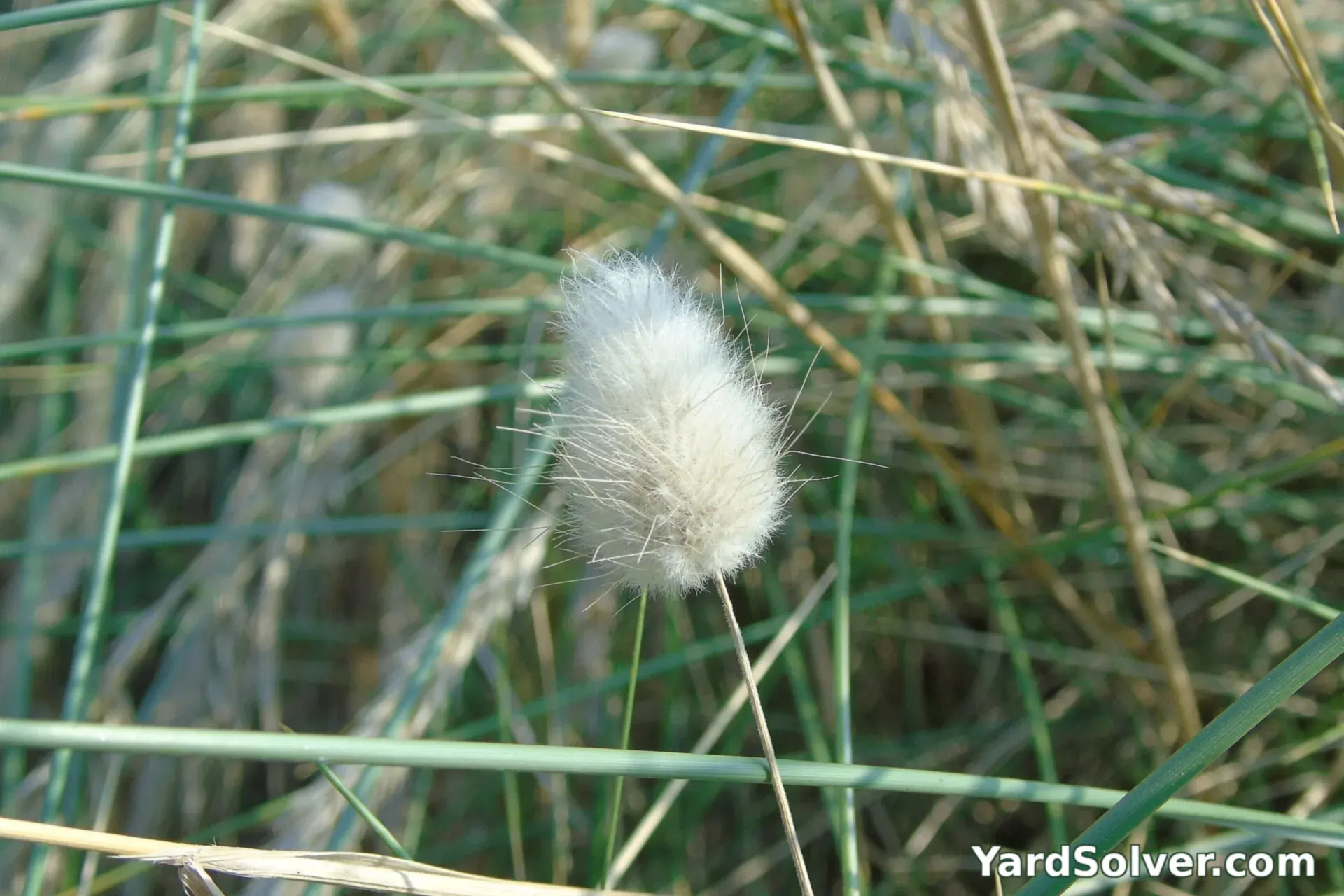
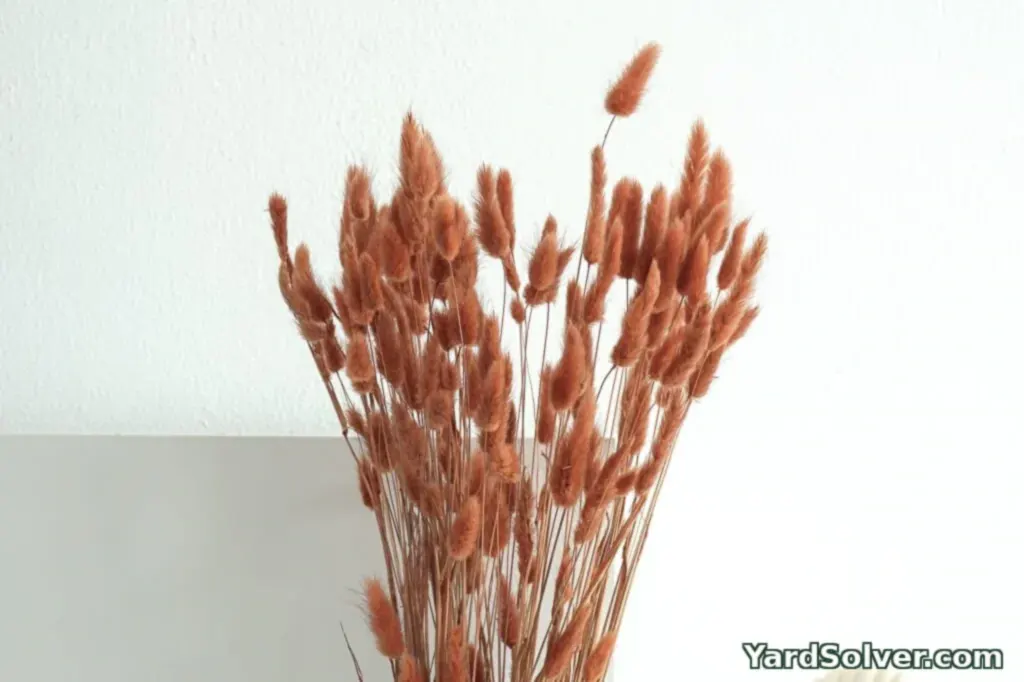
Cut stems when the tails have fully emerged but before they open and shatter — they should feel soft and look creamy, not yet fluffy-dry. Bunch them loosely and hang upside down in a dry, airy place for two weeks. Dried tails last for years in arrangements, take dye beautifully, and a vase of them needs no water, ever.
📅 Your personal Bunny Tail Grass schedule
Counted from your planting day — not a generic calendar. Day 0 is the day the seed went in the ground or the young plant went out.
Varieties worth growing
| Variety | Colour | Why gardeners like it |
|---|---|---|
| Bunny Tails | Creamy white, compact | The standard seed strain — uniform tufts about 12–18 in tall. |
| Nanus | Extra dwarf | A shorter form for pots and the very front of borders. |
| Wild type | Pale cream, taller | The Mediterranean original — slightly looser, charming in naturalistic plantings. |
Good for you — and take care
Benefits
- Irresistibly soft heads children (and adults) love to touch.
- One of the finest grasses for dried arrangements — lasts for years.
- Drought-tolerant and happy in the poorest sunny corner.
Take care
- Cut on time — late heads shatter and lose their fluff.
- Rich soil and feeding make it flop; keep it lean.
- Self-sows a little; seedlings are easy to move or remove.
A little history — and one good fact
Lagurus ovatus hails from the dry coasts of the Mediterranean, where its hare's-tail heads (lagurus means 'hare's tail' in Greek) wave over sandy paths. Victorian dried-flower arrangers adored it, and it has drifted in and out of fashion ever since — currently very much in.
Fun fact: Dried bunny tails take fabric dye and paint beautifully — florists sell them in every colour from blush pink to teal, all from the same cream grass.
Keep going
Guides: Succession planting · Companion planting basics · Pollinator garden guide
Calculators: Plant Spacing Calculator · Garden Mix Calculator · Fertilizer Calculator
More flowers: Craspedia · Statice · Strawflower · Bells of Ireland
← Back to the Plant Library · Get your personal planting dates
Questions people ask
When should I cut bunny tail grass for drying?
Just as the heads have fully emerged and feel soft and creamy — before they open out and start to shatter. Bunch them loosely and hang upside down somewhere dry for two weeks.
Is bunny tail grass a perennial?
No — it is an annual. But it self-sows lightly, so a few seedlings often appear the following spring where the parent plants grew.
Why are my bunny tails flopping over?
Almost always kindness: rich soil, feeding or shade produces lush, weak growth. Grow it in lean, poor soil in full sun and it stands up on its own.