
Plant Library · Flowers
💗 How to Grow Jewels of Opar
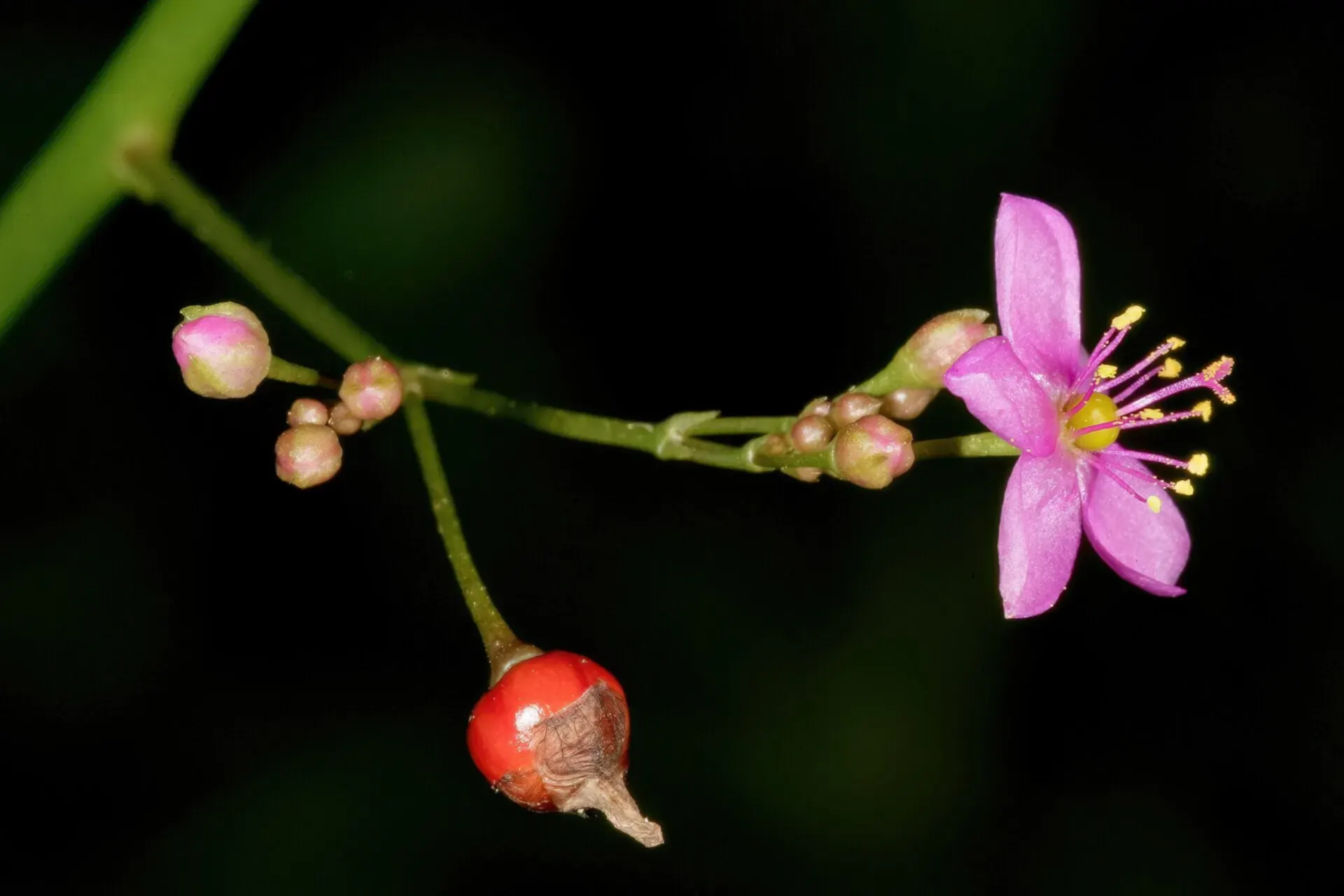
Chartreuse leaves, clouds of tiny pink stars, and then the jewels — shiny ruby-red seed beads that outlast the flowers. Jewels of Opar (Talinum paniculatum) is a heat-loving tender perennial grown as an annual in cold climates: it thrives exactly where other flowers wilt, asks for almost nothing, and self-seeds politely. Its succulent leaves are eaten as a tropical spinach in warm countries.
Grow Jewels of Opar with us — step by step
Everything for this plant is written step by step below — what to do, and exactly when. Read it through first if you like: you can grow it entirely on your own with that guide. Or start with us here — tell us your planting day and we lay out your personal schedule on this page, every next step on its own day, counted from your planting date. No guessing, no forgetting.
Step 1 — today: Sow jewels of Opar seed on the surface of warm compost 6–8 weeks before your last frost.
Jewels of Opar at a glance
Sow indoors: 6–8 weeks before last frost — needs light to germinate
Move outside: After last frost — it is tender
Sow outdoors: After last frost where summers are long and hot
Spacing · Seed depth: 9 in apart · surface (needs light)
Sun: Full sun
Water: Low — succulent leaves store water
Bloom: Summer to frost; ruby seed beads follow the flowers
Timing counts from your average last spring frost — get your own dates in the Planting Calendar. Guidance follows standard extension-service practice for Canada and the US.
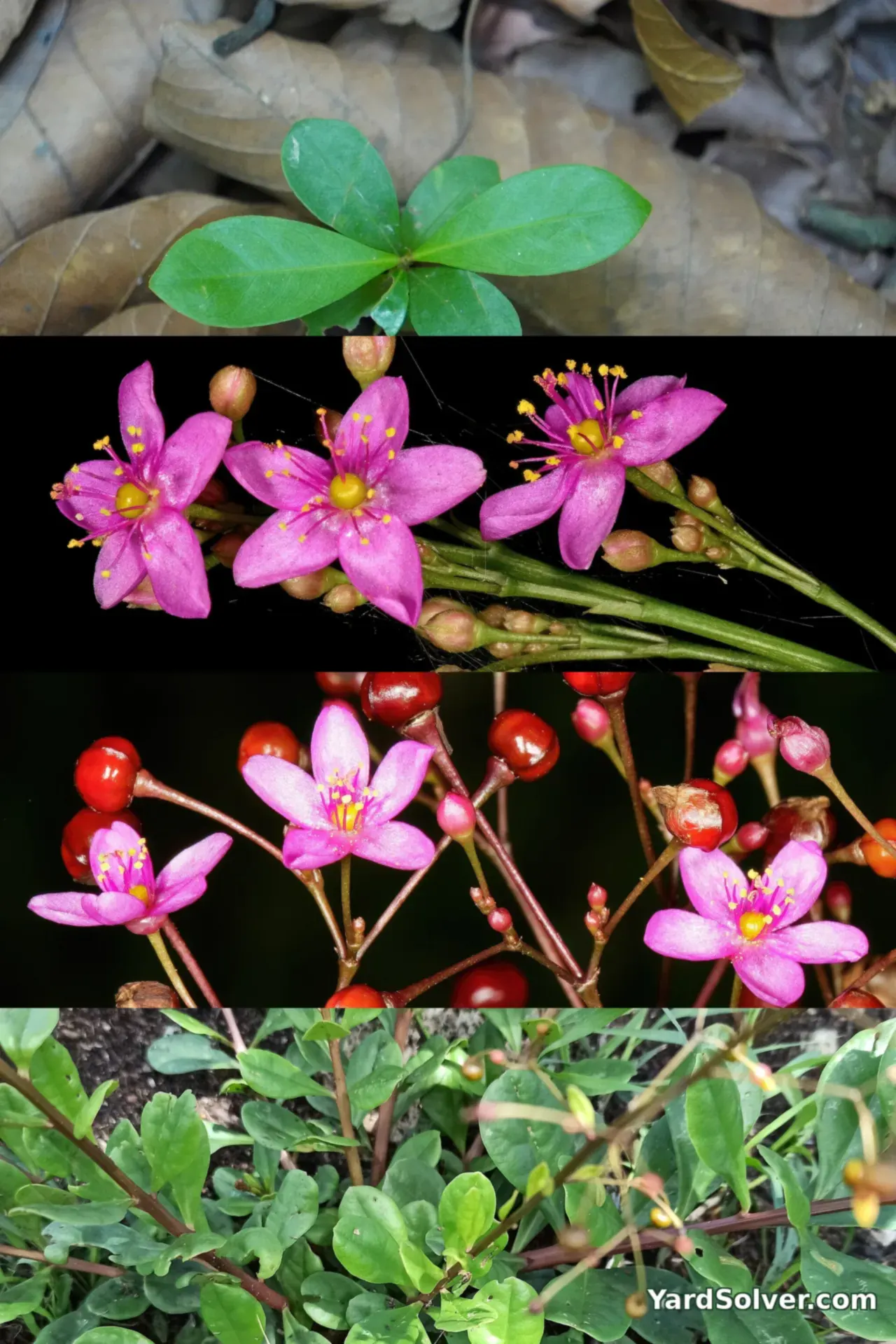
How to plant and grow jewels of Opar, step by step
Step 1 — Time it right
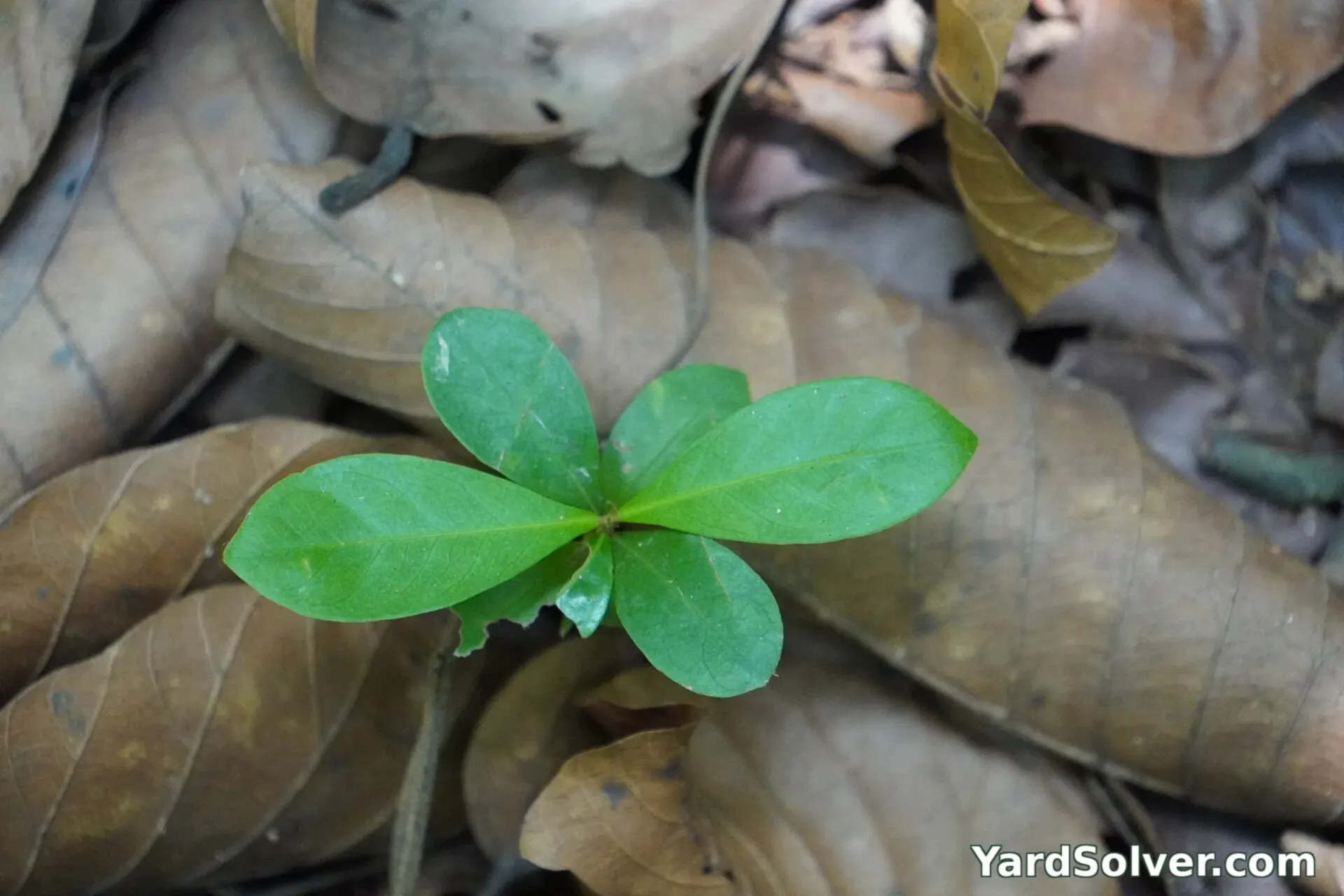
Sow indoors: 6–8 weeks before last frost, on the surface — the seed needs light; Plant out: after last frost. All dates count from your average last spring frost — the Planting Calendar turns them into real dates for your garden. Sow indoors 6–8 weeks before last frost, scattering the seed on the surface of moist compost and pressing it in without covering — it needs light to germinate, which takes 5–10 days at 65–75 °F (though a tray can keep surprising you for a month). In long, hot summers you can sow outside after frost; in zone 9–11 it lives as a perennial and seeds itself into permanence.
Step 2 — Prepare the spot
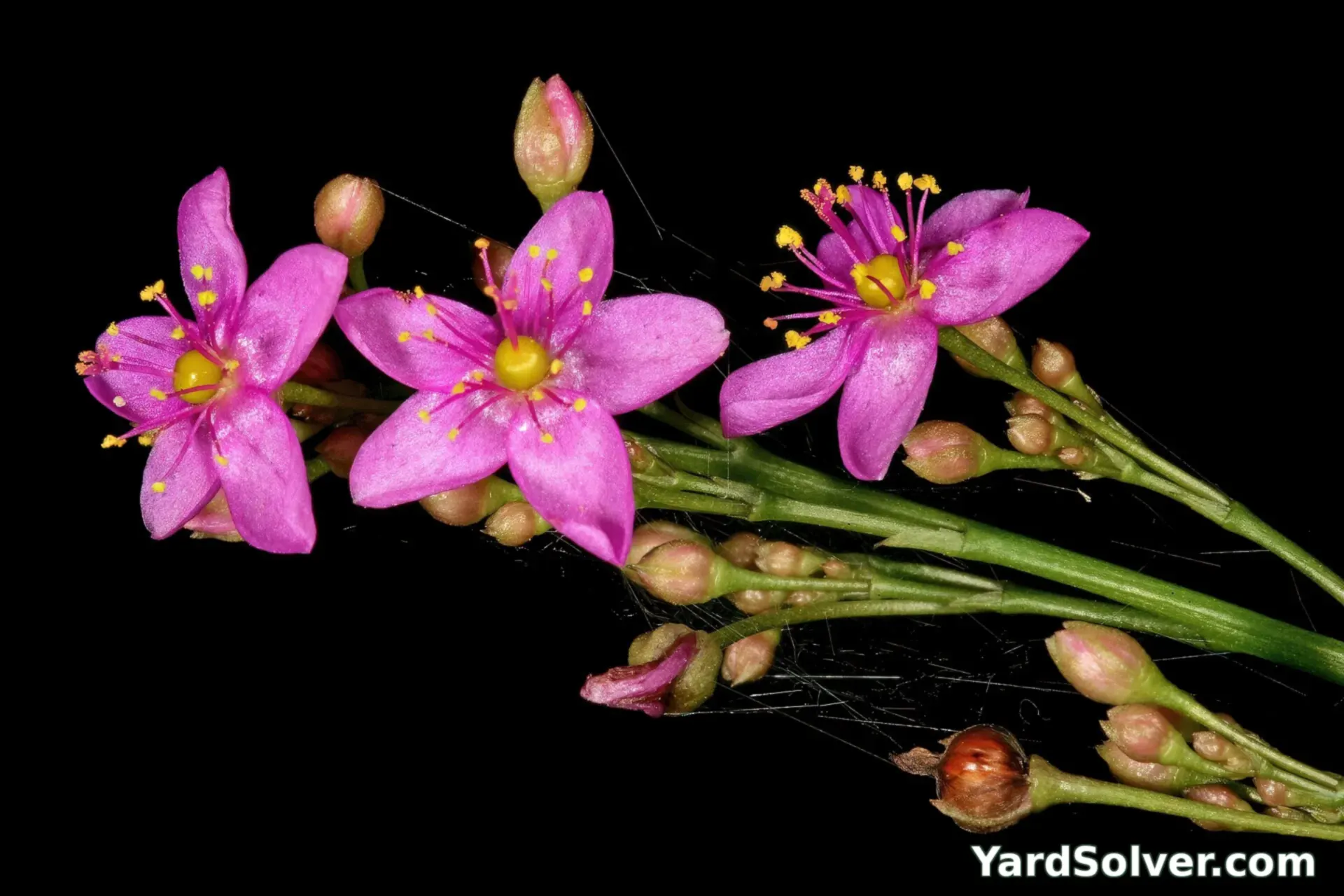
Jewels of Opar is built for heat: full sun, average-to-poor well-drained soil, and a spot that bakes. Rich soil makes soft, leafy plants; lean gritty ground makes compact jewels. It's a first-class citizen of pots, gravel gardens, and the dry edge of a border. For a raised bed, the Raised Bed Soil Calculator counts the bags for you; mixing your own? The Garden Soil Calculator gives the compost-rich split to aim for.
Step 3 — Sow and plant out
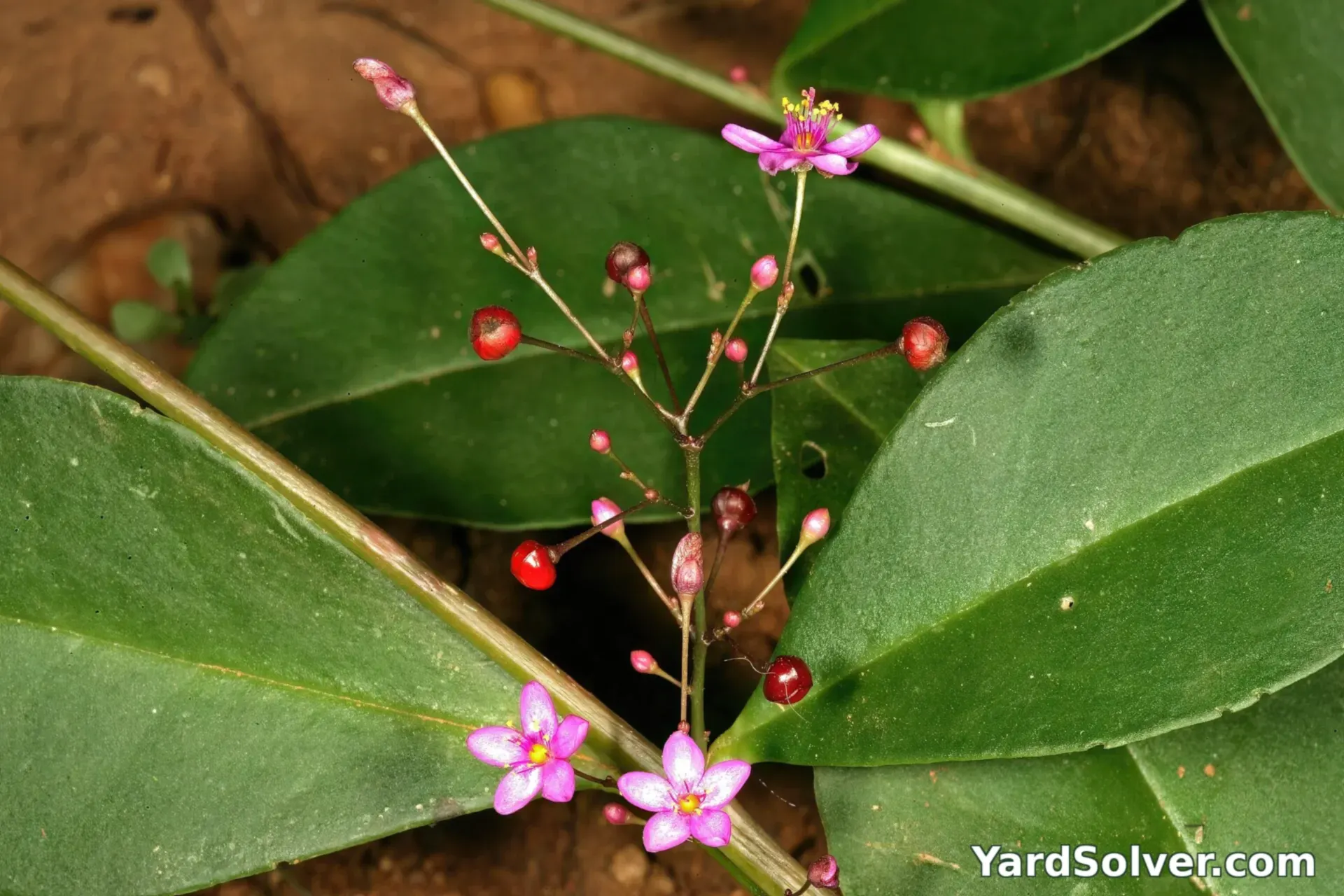
Harden off and plant out after the last frost at 9 in apart. The Plant Spacing Calculator turns your bed size into an exact plant count. Good neighbours: jewels of Opar keeps company with the other heat-proof flowers — strawflowers and celosia in the bed that never gets watered.
Step 4 — Water and feed
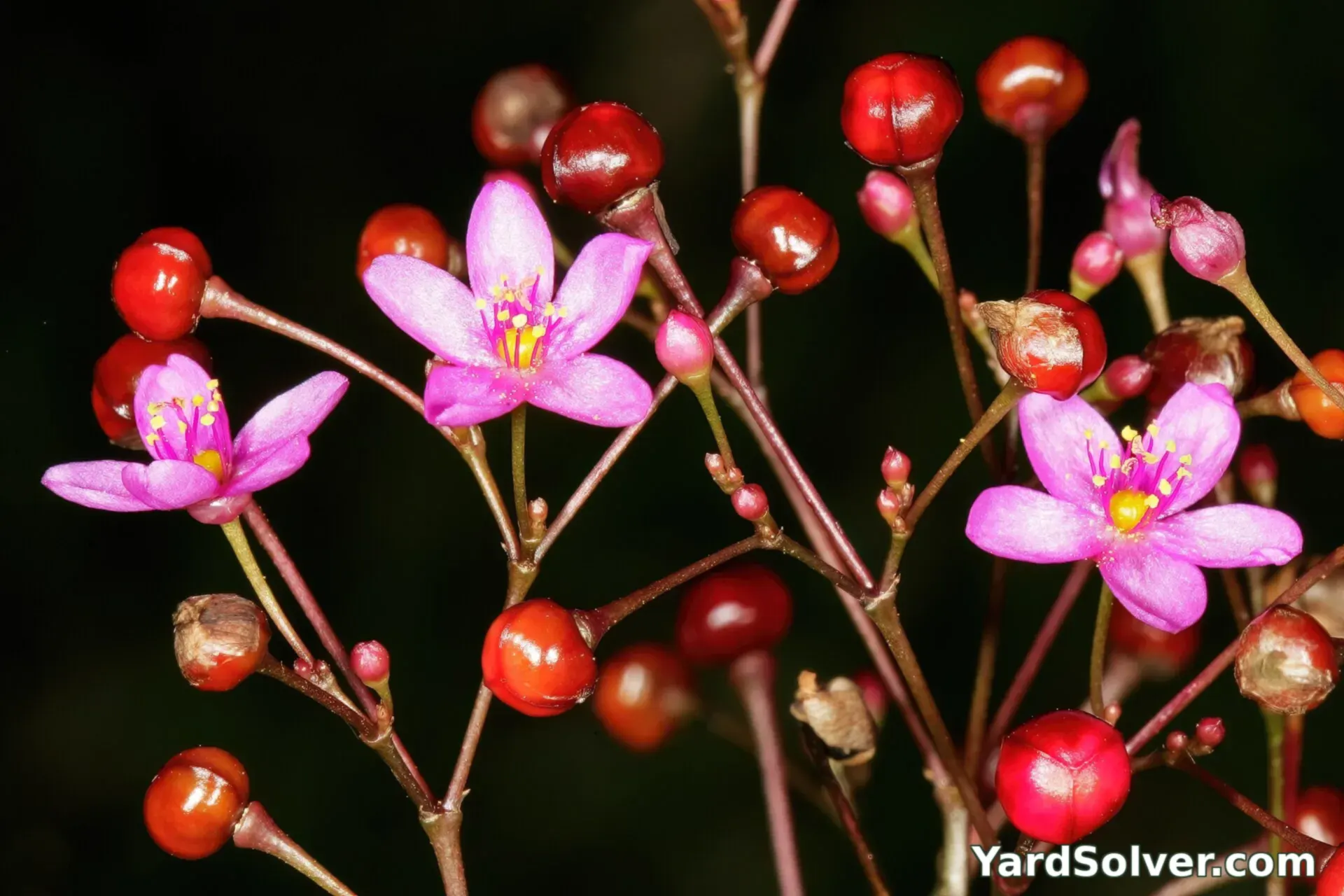
Water to establish, then leave it to its succulent devices — overwatering is the only watering sin here. Feed rarely if at all; a lean life keeps the chartreuse leaves compact and the flowering stems coming — the Fertilizer Calculator turns your bed size into exact amounts (spend it on thirstier neighbours).
Step 5 — Care and the problems to watch for
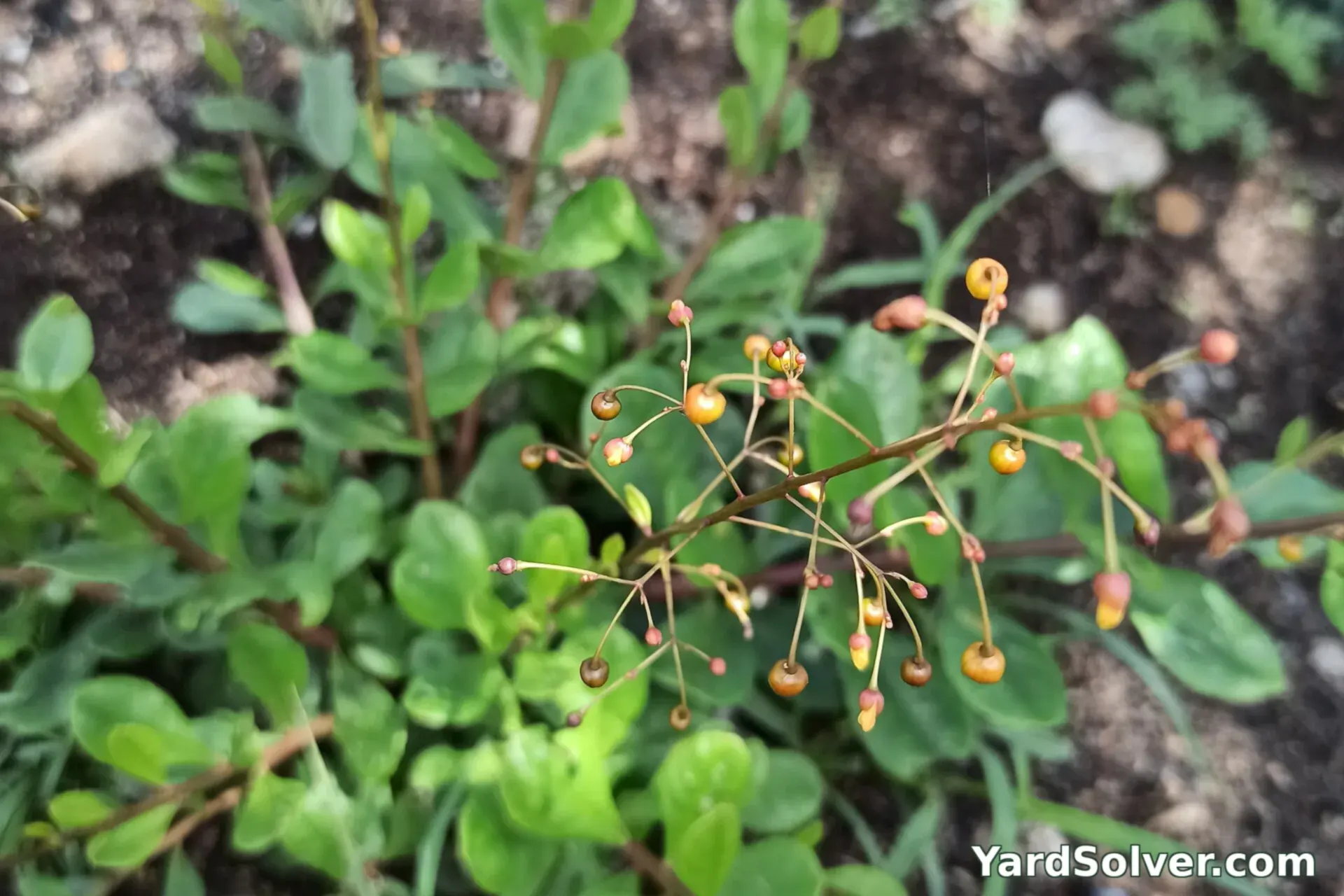
Deadheading is impractical (hundreds of tiny flowers) and unnecessary — the spent flowers become the ruby beads, which are the second act of the display. Plants need no staking and no fuss.
- Seedlings everywhere next year — it self-seeds cheerfully; the succulent seedlings are unmistakable and easy to move or hoe.
- Leggy, pale plants — too much shade or rich soil; this jewel wants lean sun.
- Rotting at the base — cold, wet soil; it is a plant of dry heat, tender to frost and sullen in wet cold.
Step 6 — Harvest
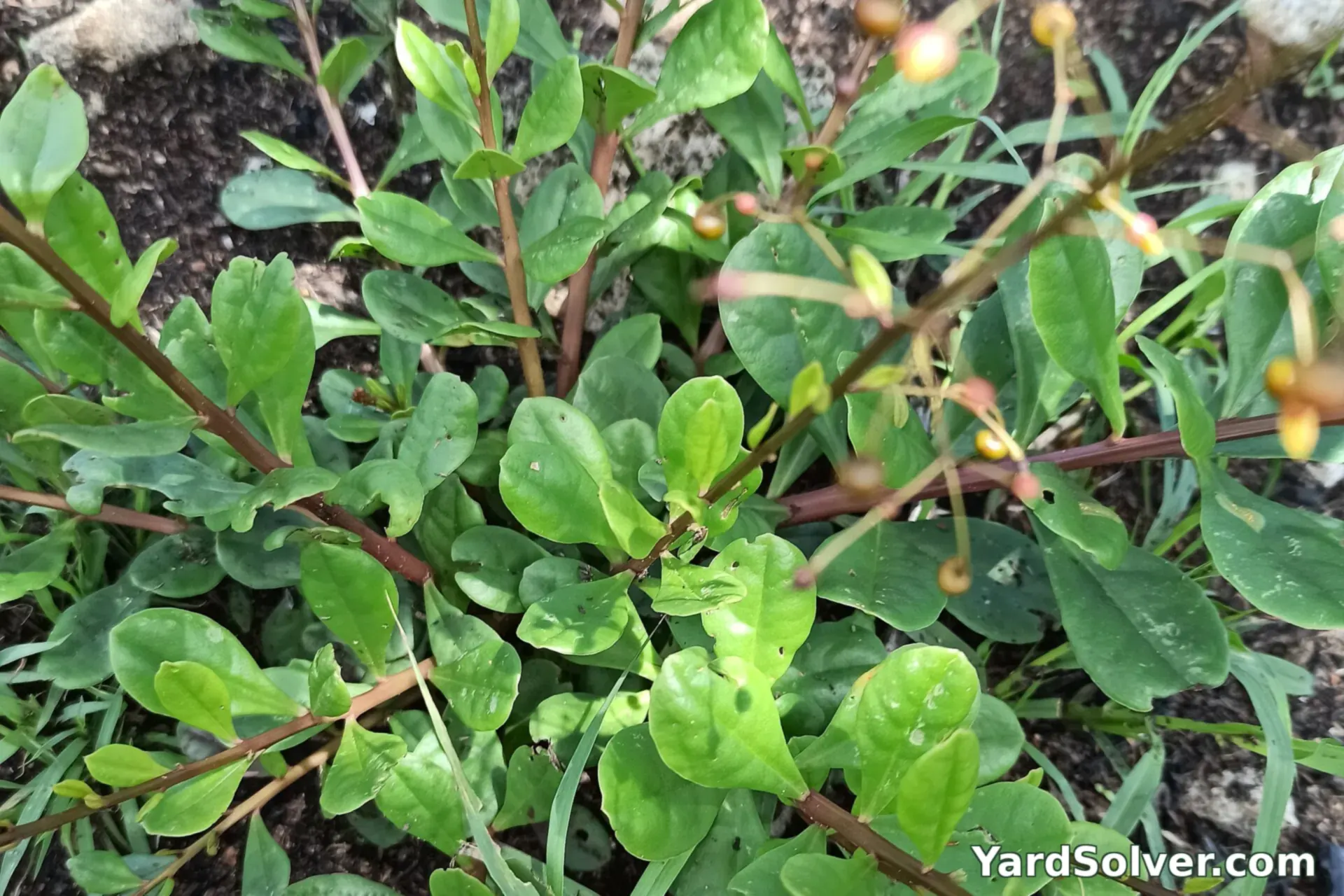
Cut the wiry stems for the vase at any stage — flowers, beads, or both together; the arrangements last surprisingly well. Save seed by shaking ripe stems over a paper bag: the beads ARE the seed capsules, each holding tiny black seed for next year. In warm zones the plant does this job itself, forever.
📅 Your personal Jewels of Opar schedule
Counted from your planting day — not a generic calendar. Day 0 is the day the seed went in the ground or the young plant went out.
Varieties worth growing
| Variety | Colour | Why gardeners like it |
|---|---|---|
| Jewels of Opar (species) | Chartreuse leaves, pink flowers | The classic form — lime foliage and ruby beads. |
| Variegata | Cream-edged leaves | A variegated form, slower and even prettier in pots. |
| Limón | Selected lime foliage | Seed strains selected for the brightest chartreuse leaves. |
Good for you — and take care
Benefits
- Heat-proof and drought-proof — flowers through the worst summer.
- Two displays in one: pink star clouds, then shining ruby beads.
- Self-seeds gently, and the leaves are a tropical spinach in warm lands.
Take care
- Tender — a frost finishes it; grow as an annual in cold climates.
- Seed needs light to germinate — never cover it.
- Eat the leaves cooked and occasionally (oxalic acid) — not a daily green.
A little history — and one good fact
Talinum paniculatum is native to the tropical Americas, from the southern United States to Argentina. Its common name borrows the lost city of Opar — the jewel-filled ruin of Rider Haggard's adventure novels — for the ruby beads that stud the plant all autumn. It travelled the tropics as a famine-food leaf and an ornamental at once.
Fun fact: The 'jewels' are seed capsules that shine like polished beads — and each one holds perfectly viable seed, which is how the plant quietly colonises a warm garden.
Keep going
Guides: Companion planting basics · Pollinator garden guide · Succession planting
Calculators: Plant Spacing Calculator · Garden Mix Calculator · Fertilizer Calculator
More flowers: Strawflower · Celosia · Craspedia · Tithonia
← Back to the Plant Library · Get your personal planting dates
Questions people ask
Is jewels of Opar a perennial or an annual?
A tender perennial (zones 9–11) grown as an annual everywhere colder. It self-seeds so willingly in warm gardens that it behaves like a permanent resident there.
Why hasn't my jewels of Opar seed germinated?
Two usual reasons: it was covered (the seed needs light — sow on the surface), or the compost is cool. Warmth of 65–75 °F and patience — germination can spread over a month — bring the seedlings up.
Are the leaves really edible?
Yes — cooked as a spinach-like green in several tropical cuisines. Like other succulent greens they contain oxalic acid, so eat them cooked and in moderation, as those cuisines do.