
Plant Library · Flowers
🔔 How to Grow Bells of Ireland
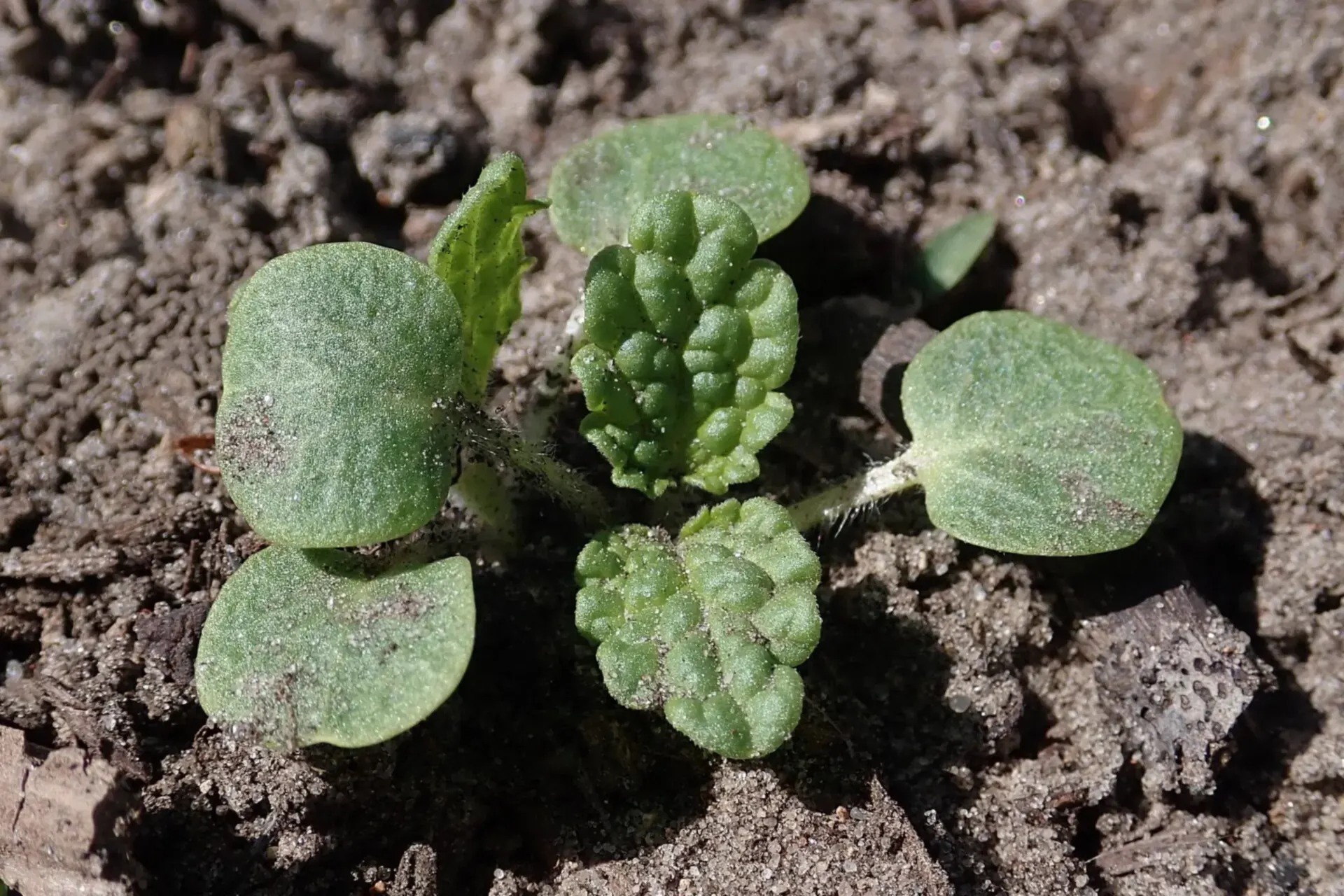
Tall spikes of apple-green bells — the florist's favourite green, fresh or dried. Bells of Ireland (Moluccella laevis) is a cool-season annual whose 'bells' are actually the calyx around a tiny white flower. Its one hurdle is germination: the seed needs light and a cold spell, and even then it wakes on its own schedule. Clear that hurdle and the plant is easy.
Grow Bells of Ireland with us — step by step
Everything for this plant is written step by step below — what to do, and exactly when. Read it through first if you like: you can grow it entirely on your own with that guide. Or start with us here — tell us your planting day and we lay out your personal schedule on this page, every next step on its own day, counted from your planting date. No guessing, no forgetting.
Step 1 — today: Chill bells of Ireland seed in the fridge for 2 weeks, then surface-sow it indoors under light — and sow twice what you need.
Bells of Ireland at a glance
Sow indoors: 8–10 weeks before last frost, after 2 weeks' chilling
Move outside: At last frost
Sow outdoors: 2 weeks before last frost
Spacing · Seed depth: 11 in apart · surface — seed needs light
Sun: Full sun
Water: Moderate — steady while young
Bloom: July to September; spikes dry beautifully
Timing counts from your average last spring frost — get your own dates in the Planting Calendar. Guidance follows standard extension-service practice for Canada and the US.
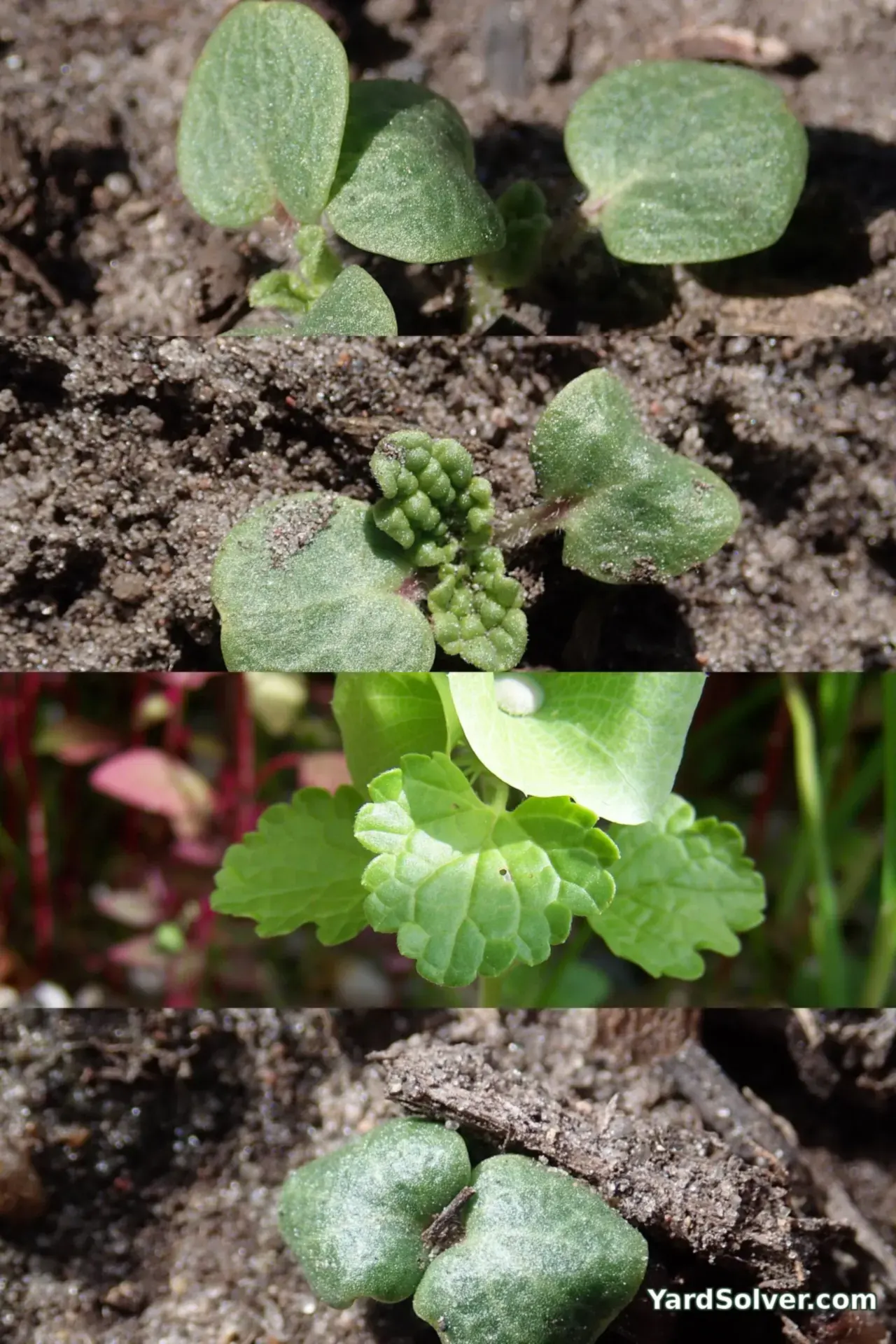
How to plant and grow bells of ireland, step by step
Step 1 — Time it right
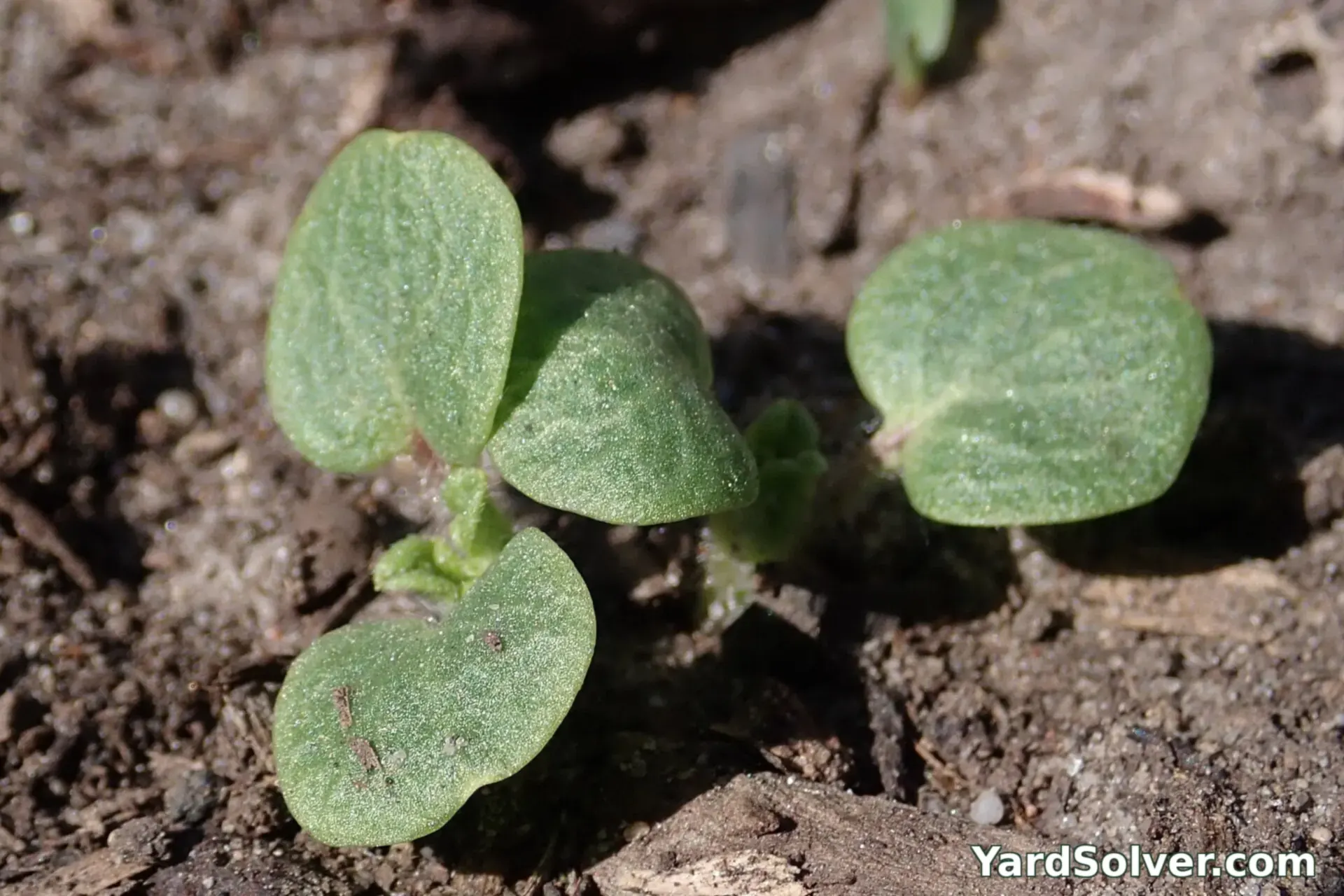
Sow indoors: 8–10 weeks before last frost, after chilling the seed for 2 weeks; Move outside: at last frost; Sow outdoors: 2 weeks before last frost. All dates count from your average last spring frost — the Planting Calendar turns them into real dates for your garden. Bells of Ireland germinates on its own timetable: fresh seed, a fortnight's cold stratification, surface sowing under light, and 2–5 weeks of waiting at cool room temperature. Sow generously — 50–70% is a good result. It is a cool-season annual: plants grow best in spring weather and sulk in heat, so an early start matters more here than with almost any other flower.
Step 2 — Prepare the spot
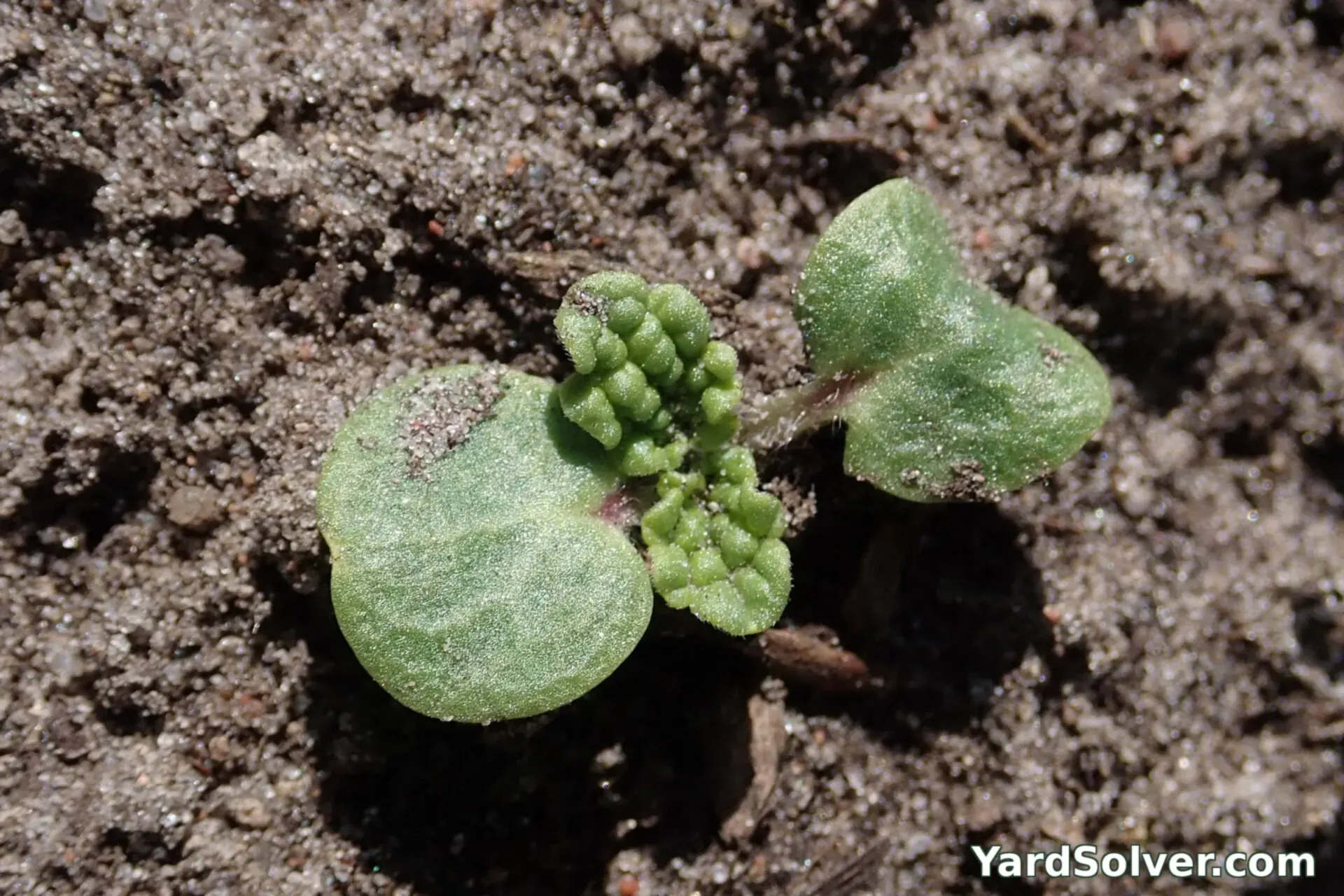
Give it fertile-to-average, well-drained soil in full sun. Waterlogged ground rots the stems at soil level, the plant's one structural weakness. A cutting-bed slot where taller plants shelter it from the worst wind is ideal. For a raised bed, the Raised Bed Soil Calculator counts the bags for you; mixing your own? The Garden Soil Calculator gives the compost-rich split to aim for.
Step 3 — Sow and plant out
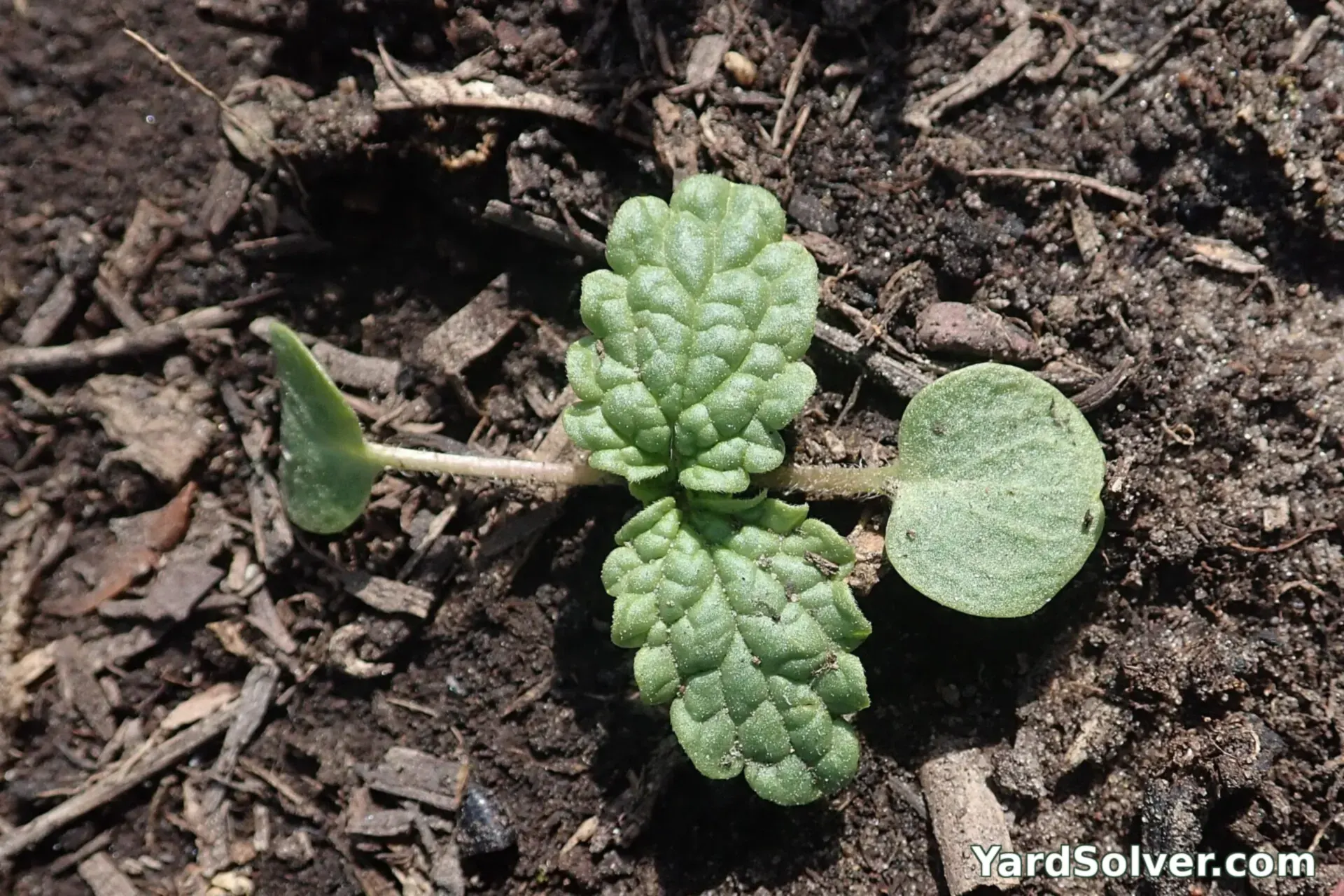
Set plants 11 in apart and push in support early — a horizontal net or a few canes — because 3 ft spikes laden with bells are top-heavy. The Plant Spacing Calculator turns your bed size into an exact plant count. Good neighbours: the green spikes are a foil for everything — they cool hot zinnias and lift white cosmos in the same bed.
Step 4 — Water and feed
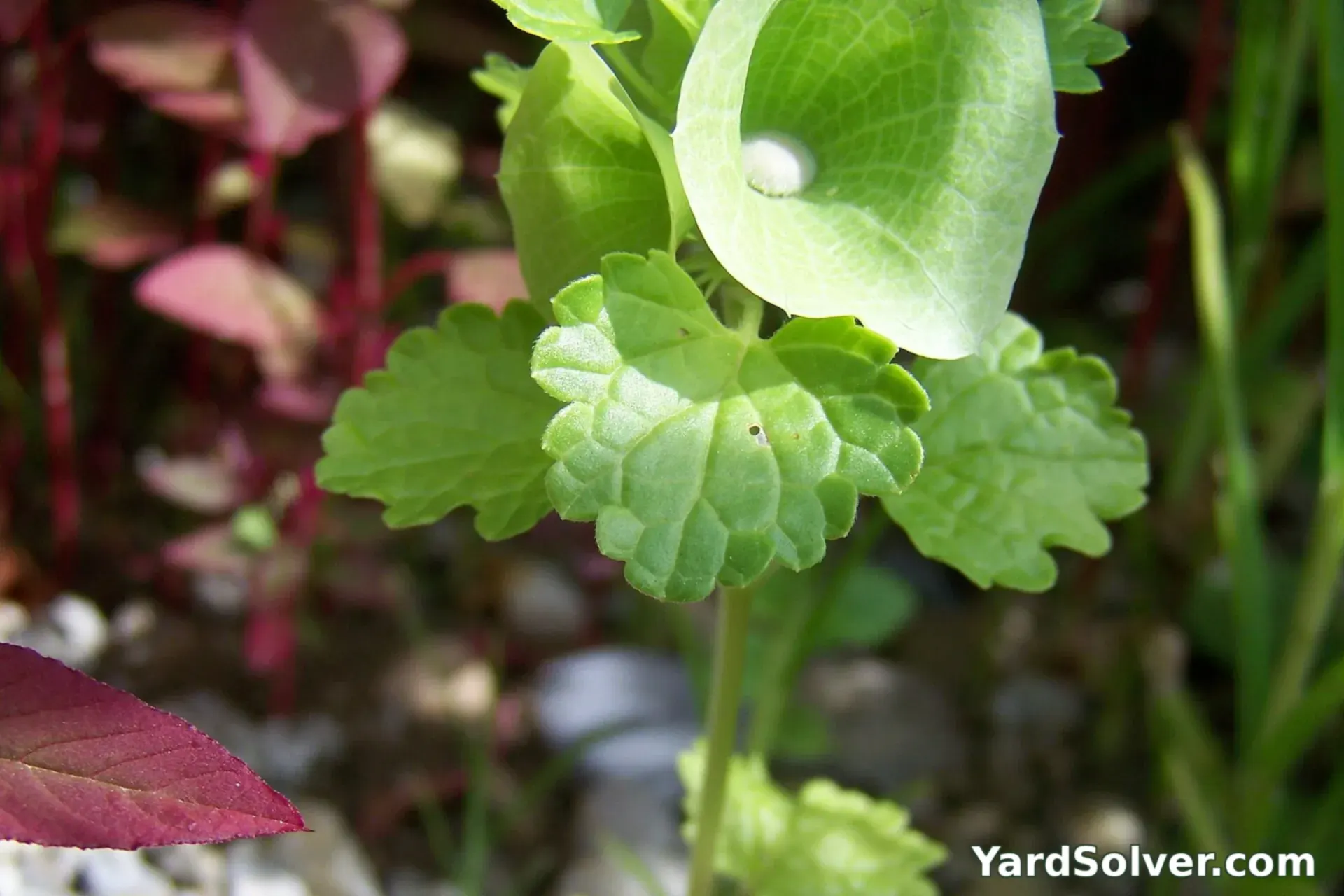
Water steadily while plants establish and spikes run up — drought checks the height you'll cut later. One balanced feed at planting on thin soil is plenty; richer feeding makes soft, floppy spikes — the Fertilizer Calculator turns your bed size into exact amounts.
Step 5 — Care and the problems to watch for
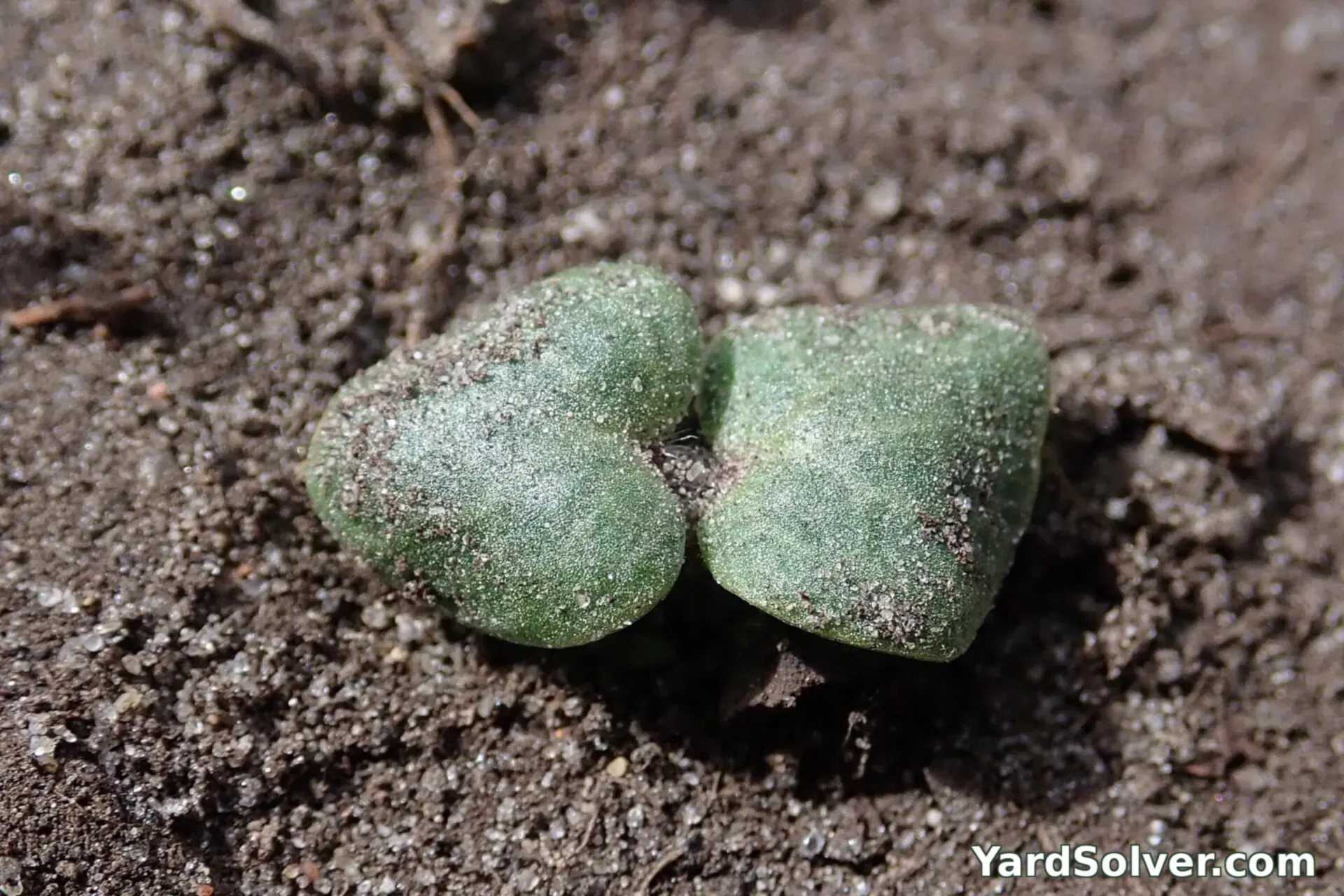
Keep the support net rising with the plants, and pick spikes regularly to keep them coming.
- Stems rotting at the base — wet soil; improve drainage and water at soil level, not over the plants.
- Short spikes — heat or a late start; this flower wants a cool spring run-up.
- No germination — old seed or no chill; use fresh seed and always stratify.
Step 6 — Harvest
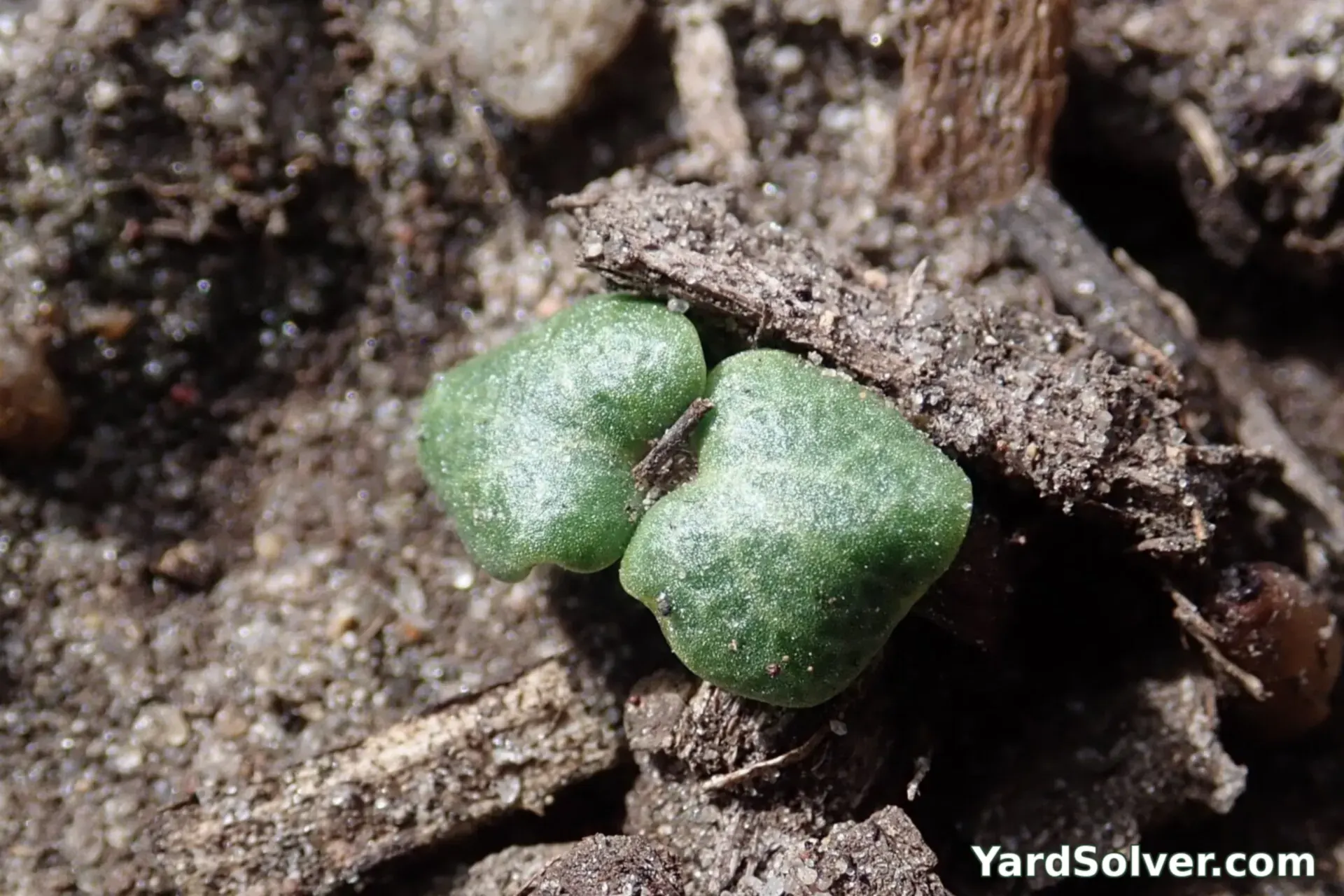
Cut spikes when the bells are plump along most of the stem; strip the leaves (they yellow in the vase long before the bells fade). Fresh spikes last a week or more. For drying, leave spikes to mature on the plant until they turn straw-coloured, then hang them — dried bells of Ireland keep their shape for years of arrangements.
📅 Your personal Bells of Ireland schedule
Counted from your planting day — not a generic calendar. Day 0 is the day the seed went in the ground or the young plant went out.
Varieties worth growing
| Variety | Colour | Why gardeners like it |
|---|---|---|
| Pixie Bells | Shorter, branched spikes | A more compact strain for smaller gardens — about 2 ft. |
| Moluccella laevis | Tall classic green | The species itself — the tallest, greenest spikes for cutting. |
| Apple Green type | Extra-pale green bells | Selections sold for the palest, freshest green — florist favourites. |
Good for you — and take care
Benefits
- The finest green in the cutting garden — nothing else gives that apple-green structure.
- Dries superbly; dried spikes keep for years.
- Tall architecture for the back of the border from July on.
Take care
- Germination is slow and erratic without a cold spell — always chill the seed.
- Stems rot at the base in wet soil; drainage matters.
- Small stem prickles — light gloves for cutting.
A little history — and one good fact
Despite the name, bells of Ireland comes from the eastern Mediterranean and western Asia — the 'Ireland' is pure marketing for its lucky green colour, added when the flower became a florist's staple. The green bells are not petals at all, but the enlarged calyx cupping a small white flower.
Fun fact: In the language of flowers, bells of Ireland mean good luck — florists slip a spike into wedding bouquets for exactly that reason.
Keep going
Guides: Succession planting · Companion planting basics · Crop rotation basics
Calculators: Plant Spacing Calculator · Garden Mix Calculator · Fertilizer Calculator
More flowers: Statice · Strawflower · Ammi · Bunny Tail Grass
← Back to the Plant Library · Get your personal planting dates
Questions people ask
Why won't my bells of Ireland seed germinate?
It needs cold and light. Chill the seed in the fridge for two weeks, sow it on the surface under bright light, and wait — germination is naturally erratic and can take up to five weeks.
Are the green bells the actual flowers?
No — the green bells are the calyx, the cup that holds the real flower, which is small, white and tucked inside. The calyx is what makes the plant so valuable for cutting.
Can I dry bells of Ireland?
Yes — it is one of the best. Let spikes mature on the plant until they turn a straw colour, then cut and hang them. The dried bells keep their shape for years.