
Plant Library · Herbs
💜 How to Grow Lavender
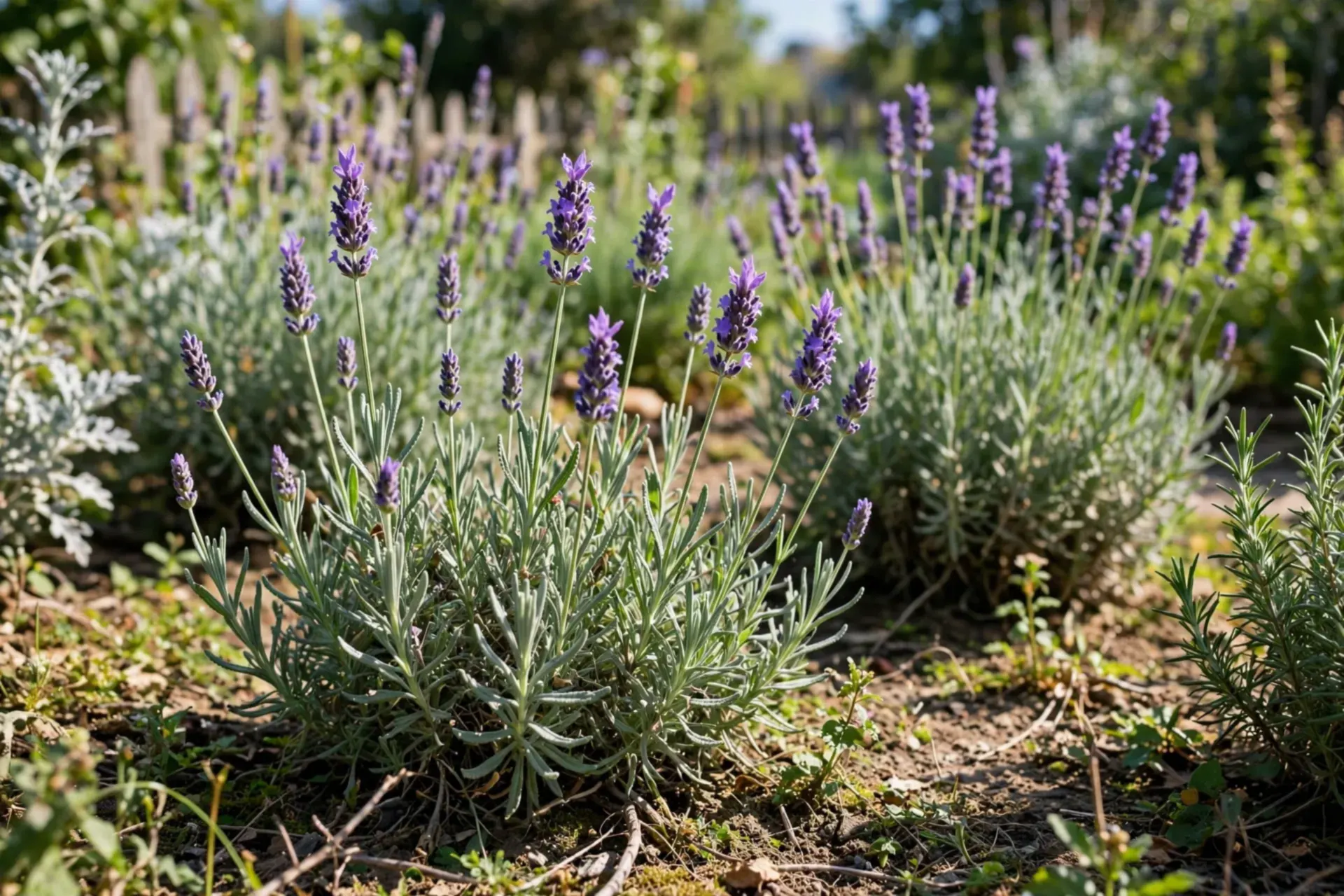
Slow, stubborn seed — chill it first, and give it time. Lavender is a hardy perennial in zones 5–9 — English lavender the hardiest of all — grown as much for scent and bees as for the kitchen. Its seed is famously slow and stubborn: chill it first, sow it earliest of any herb here, and expect to wait. The reward is a plant that crops fragrant spikes for a decade.
Grow Lavender with us — step by step
Everything for this plant is written step by step below — what to do, and exactly when. Read it through first if you like: you can grow it entirely on your own with that guide. Or start with us here — tell us your planting day and we lay out your personal schedule on this page, every next step on its own day, counted from your planting date. No guessing, no forgetting.
Step 1 — today: Plant out your young Lavender plants today (hardened off first), spaced 12–18 in apart, and water them in lightly. Starting from seed instead? Chill the seed in the fridge for 2–4 weeks, then sow indoors now, 1/8 in deep, and this same schedule counts from transplant day.
Lavender at a glance
Sow indoors: 12 weeks before last frost
Move outside: 2 weeks after last frost
Spacing: 12–18 in · Seed depth: 1/8 in
Sun: Full sun
Water: Low — drought-tolerant once established; wet roots kill
Harvest: Cut flower spikes just as the buds colour, from year 2
Timing counts from your average last spring frost — get your own dates in the Planting Calendar. Guidance follows standard extension-service practice for Canada and the US.
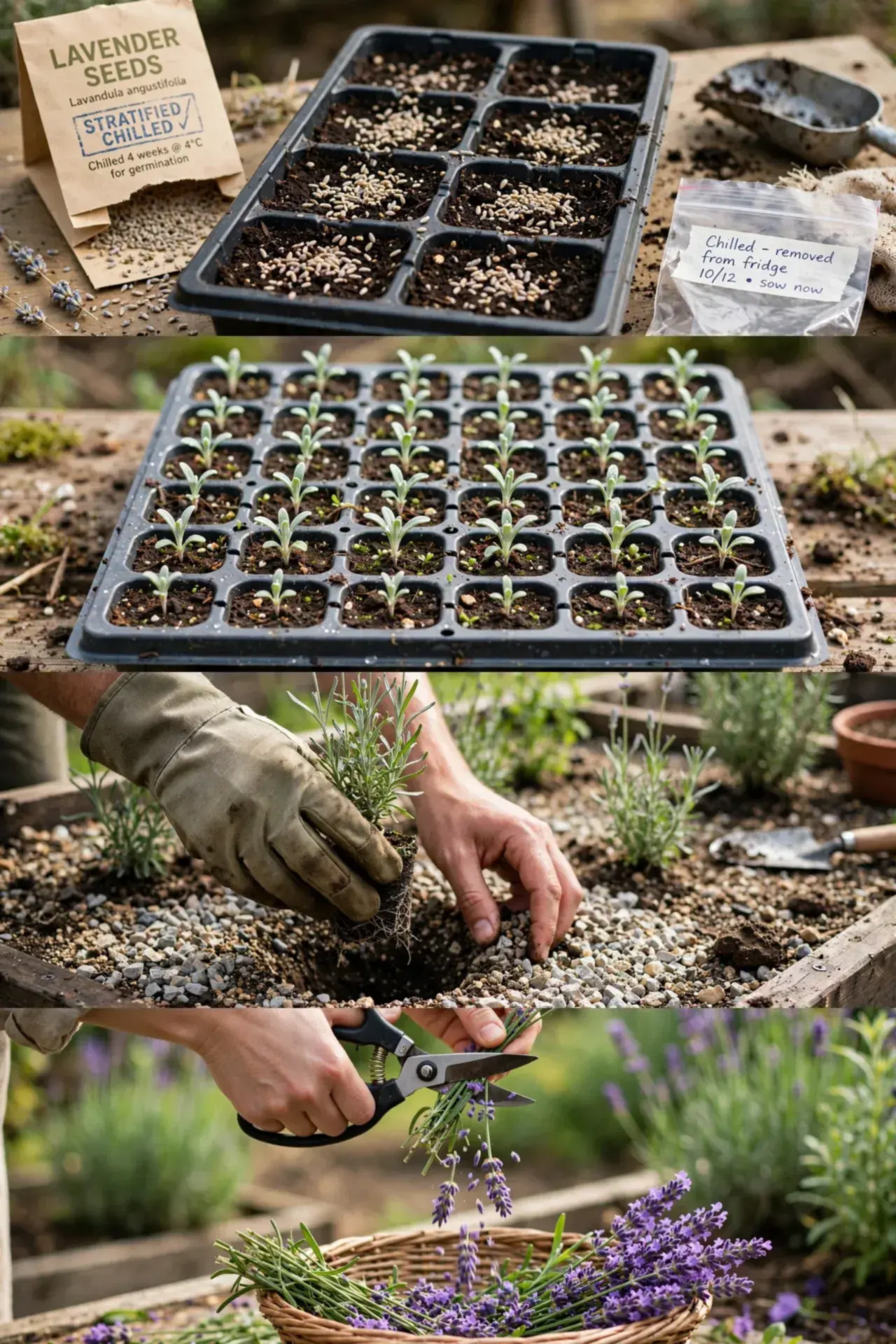
How to plant and grow lavender, step by step
Step 1 — Time it right
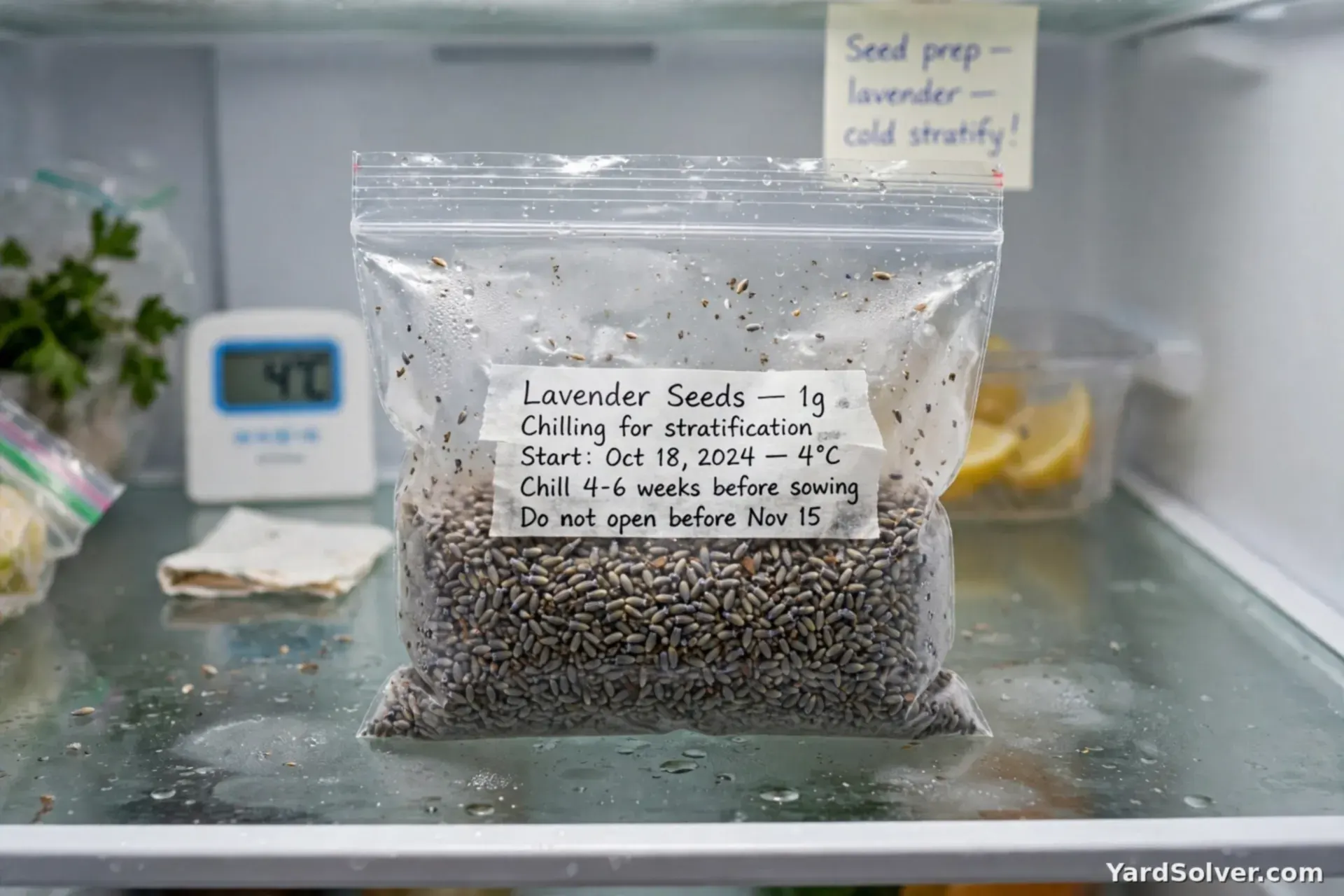
Sow indoors: 12 weeks before last frost; Move outside: 2 weeks after last frost. All dates count from your average last spring frost — the Planting Calendar turns them into real dates for your garden. Lavender seed germinates far better after 2–4 weeks in the fridge in a sealed bag with a little moist mix (cold stratification), and even then it is slow — sow early and sow extra.
Step 2 — Prepare the spot
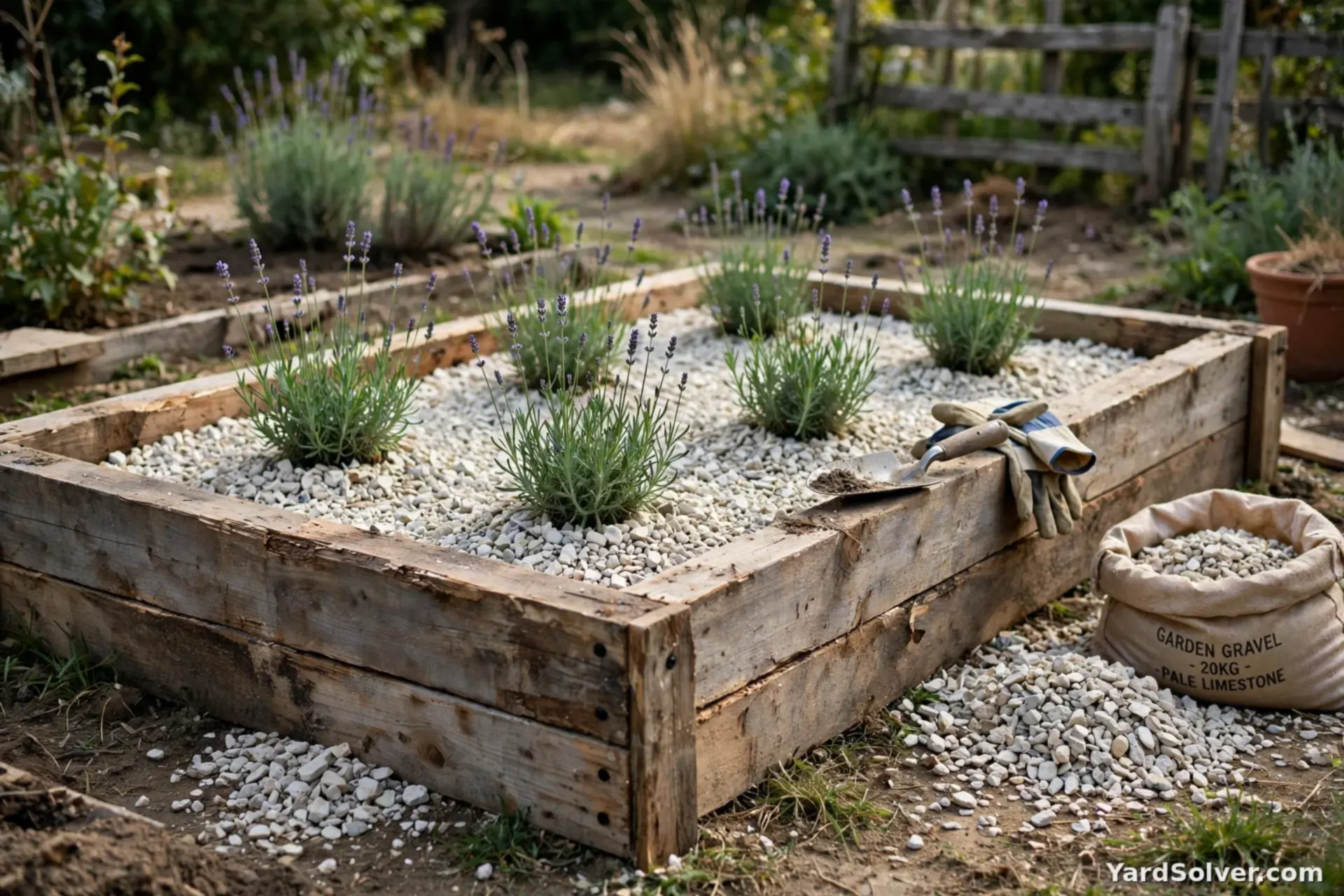
Sun: Full sun. Lavender wants the poorest, grittiest, best-drained spot you have — it thrives in lean, limey soil and drowns in rich, wet ground. Fork in coarse grit, choose a raised bed or slope, and mulch with gravel rather than soggy compost. Work out how much you need with the Garden Mix Calculator or the Raised Bed Soil Calculator.
Step 3 — Sow and plant out
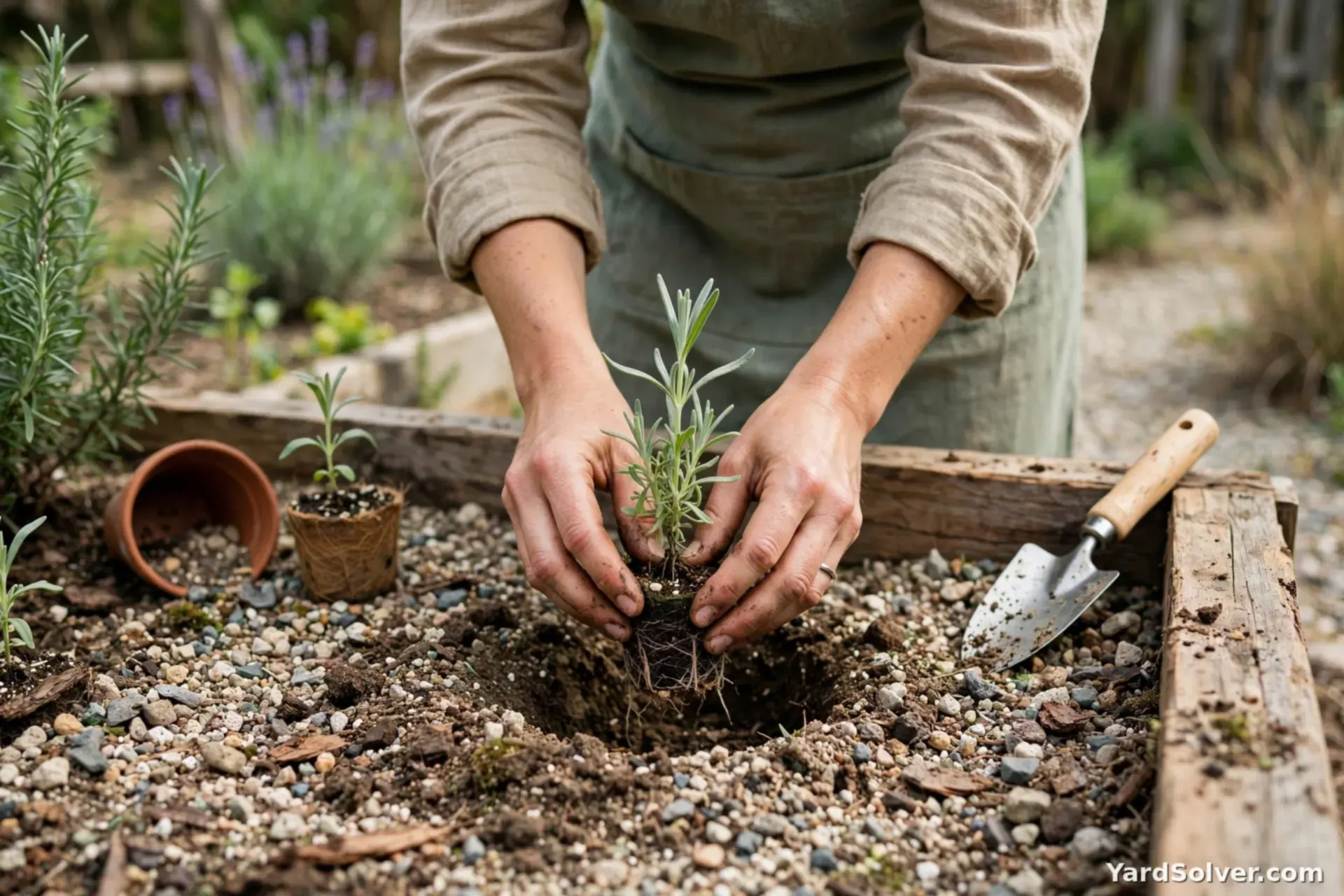
Sow chilled seed indoors 12 weeks before last frost, 1/8 in deep, and keep the tray bright and barely moist. Grow seedlings on in strong light, harden them off over 7–10 days (see How to Harden Off Seedlings) and move them outside 2 weeks after last frost, spaced 12–18 in apart. The Plant Spacing Calculator turns that spacing into plants-per-bed.
Step 4 — Water and feed
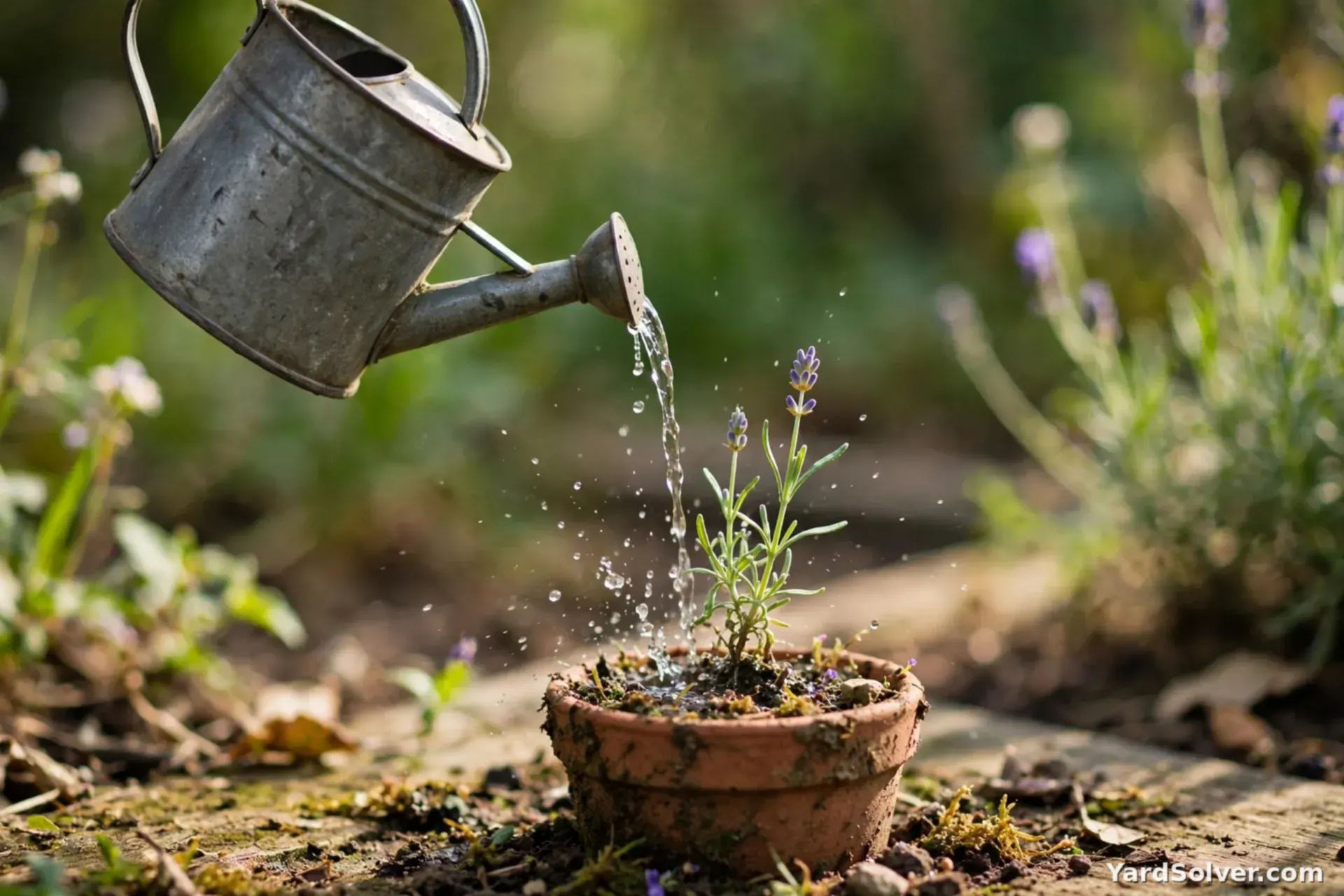
Water: Low — drought-tolerant once established; wet roots kill. Water young plants lightly while they settle, then leave established plants alone except in long droughts. Feeding is close to zero: rich feeding makes soft, floppy growth with less scent. The Fertilizer Calculator turns a bed size into the right amount if you do feed.
Step 5 — Care and the problems to watch for
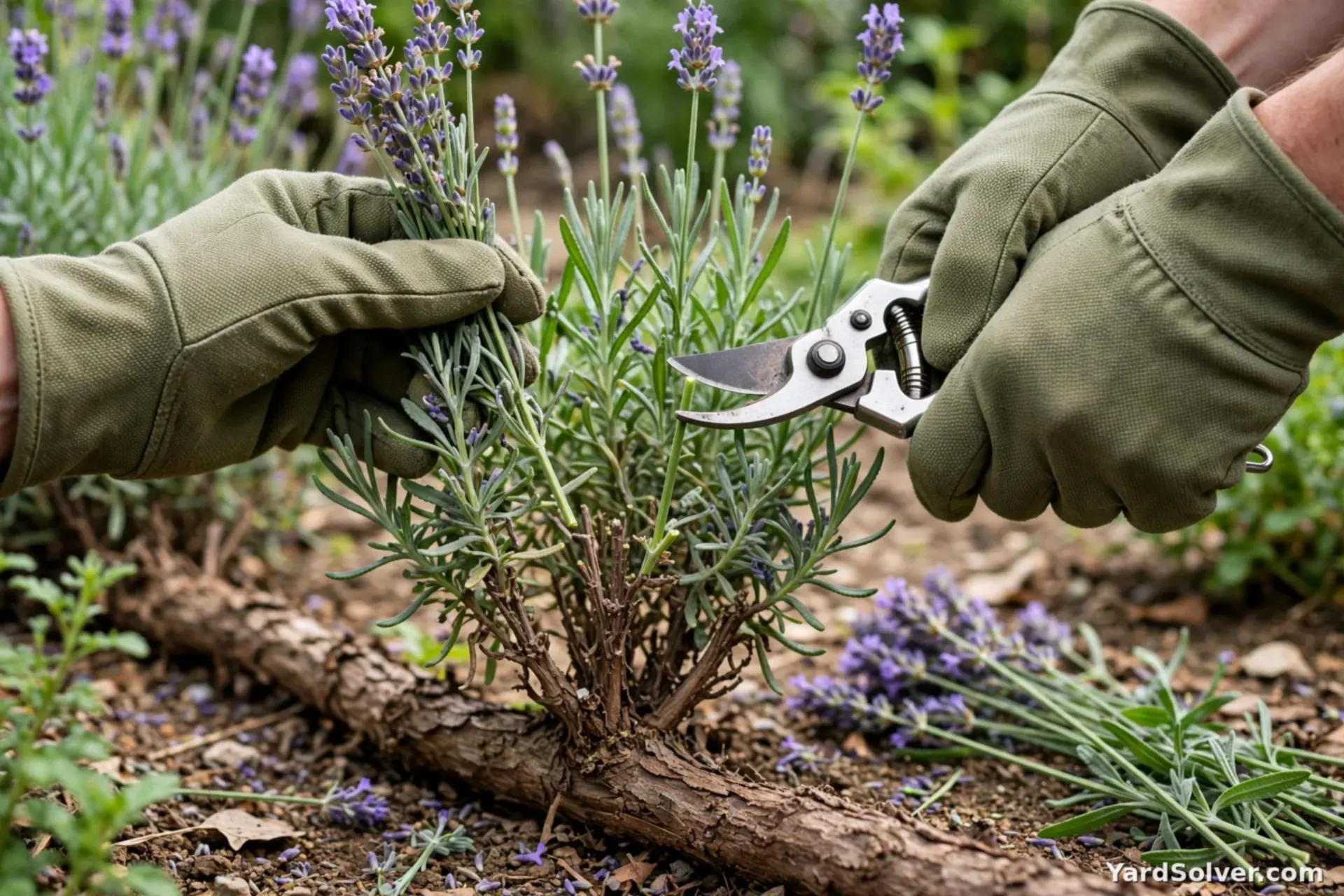
- Root rot in wet clay — the main killer; grit, raised beds and gravel mulch are the prevention.
- Winter wet — cold plus wet roots kills more lavender than cold alone; keep winter mulch off the crown.
- Cutting into old wood — bare wood does not resprout, so hard pruning leaves permanent dead patches.
Take care: Trim a little every year and never cut into the bare old wood — that one rule decides whether a lavender lives a decade or dies in three years.
Step 6 — Harvest
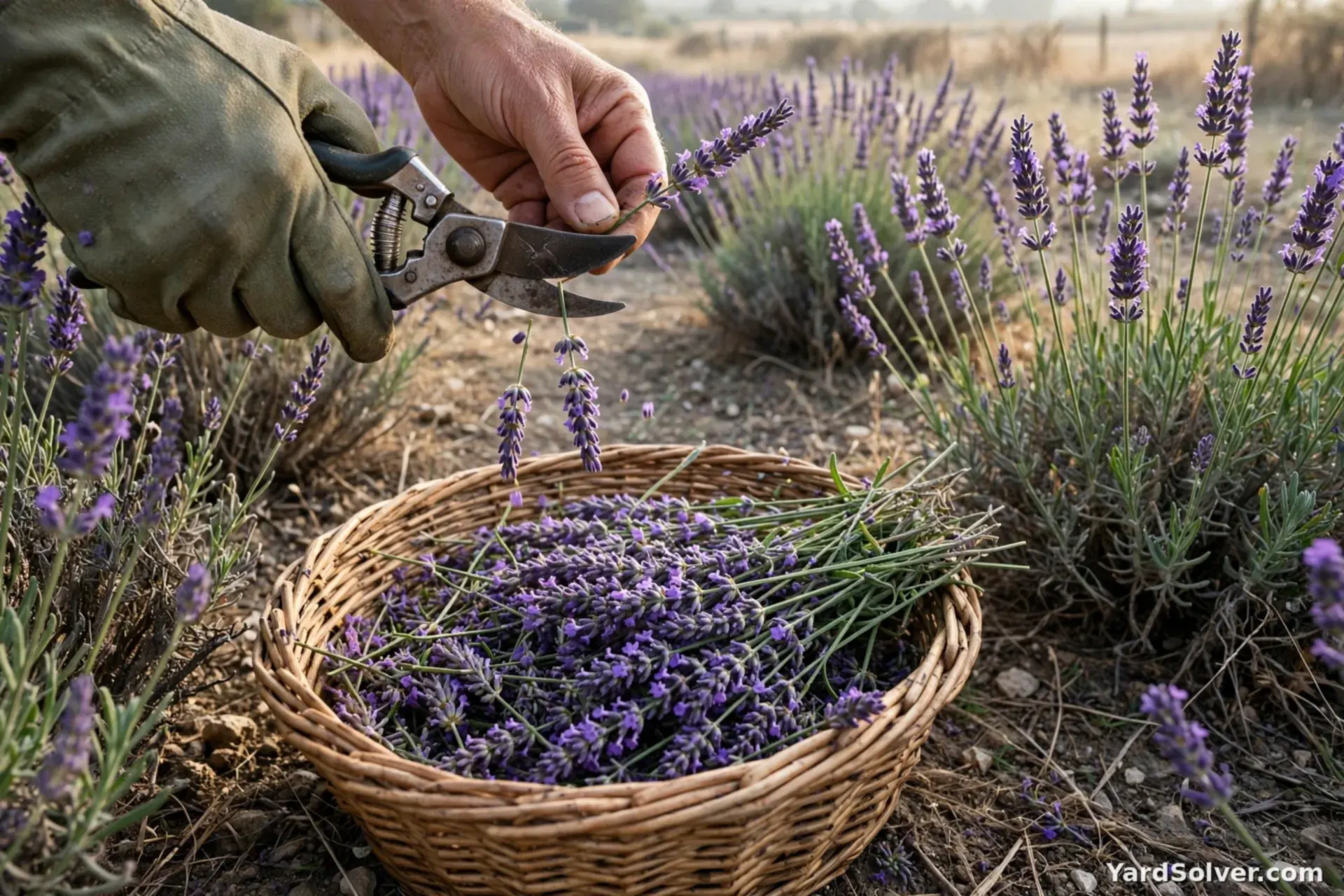
Ready in: Cut flower spikes just as the buds colour, from year 2. Cut spikes on a dry morning just as the buds show colour but before they fully open — that is peak scent. Tie small bunches and hang them upside down in a dark, airy place; the dried flowers keep their perfume for a year or more.
Problems, pests & diseases — diagnosis and fixes
- Plant collapses with grey-brown roots in heavy soil: root rot from wet ground. Fix: rarely saveable — take cuttings from any healthy tips and replant in a gritty raised bed or pot.
- Bare, dead patches in the middle of the bush: past pruning into old wood, or age. Fix: old wood will not resprout — trim only green growth from now on, and replace plants that are mostly sticks (they tire after 8–10 years anyway).
- Floppy, pale growth with few flowers: soil too rich, too wet, or too shady. Fix: stop feeding, move pots to full sun, and let the plant grow harder and leaner.
- White frothy blobs on stems in late spring: spittlebugs — mostly harmless and temporary. Fix: rinse them off with a jet of water if they bother you; the plant outgrows them.
- Leaves spotting and stems dying back in a wet summer: fungal dieback in humid, airless conditions. Fix: cut out dead stems to healthy wood, thin for airflow, and keep water off the foliage.
- No seedlings after three weeks in the tray: unpatience, usually — unchilled or old seed is very slow. Fix: keep the tray bright and barely moist for another 2–3 weeks before giving up; chill fresh seed first next time.
📅 Your personal Lavender schedule
Counted from your planting day — not a generic calendar. Day 0 is the day the seed went in the ground or the young plant went out.
Varieties worth growing
| Variety | Colour | Why gardeners like it |
|---|---|---|
| Hidcote | Deep purple | Compact and richly coloured — the classic edging lavender, hardy and well-behaved |
| Munstead | Blue-purple | An early-flowering, compact English lavender — a reliable first lavender |
| Grosso (Lavandin) | Violet-blue | A big, vigorous hybrid grown for oil and long stems — very fragrant, slightly less hardy |
| Phenomenal | Lavender-blue | Bred for toughness — handles both cold winters and humid summers better than most |
| French / Spanish | Purple with tufted 'ears' | Showy and early, but tender — zone 8 and warmer, or a pot that winters indoors |
Good for you — and take care
Benefits
- Fragrant flowers for bunches, sachets and baking in small amounts
- Provides vitamin A and calcium in tiny culinary quantities — it is used by the pinch
- One of the best bee plants in the garden, flowering for weeks
- Drought-tolerant and long-lived once established in the right soil
- Cut spikes dry easily and keep their scent for a year or more
Take care
- Never cut into bare old wood — it does not regrow
- Wet roots kill it — if your soil is heavy clay, grow it in a raised bed or pot
- Lavender oil is concentrated and is not a food — use the dried buds in cooking, sparingly
A little history — and one good fact
Lavender has been grown around the Mediterranean since Roman times — its name is linked to the Latin for washing, and Romans scented their baths with it. It travelled north into monastery and cottage gardens, became the perfume crop of Provence and of English fields in Norfolk, and arrived in North American gardens as both an ornamental and a herb. Through all of it, the plant's demands never changed: sun, grit, and dry feet.
Fun fact: A lavender plant is at its most fragrant just before the flowers fully open — which is why harvesters cut the spikes while they are still mostly coloured buds.
Keep going
Guides: Earliest Seeds to Start Indoors · Grow Herbs Indoors in Winter · How to Harden Off Seedlings
Calculators: Plant Spacing Calculator · Seed Calculator · Fertilizer Calculator
More herbs: Basil · Rosemary · Mint · Sage · Tarragon
← Back to the Plant Library · Get your personal planting dates
Questions people ask
When do I plant lavender?
Count from your average last spring frost: sow indoors 12 weeks before last frost; move outside 2 weeks after last frost. Lavender is a hardy perennial in zones 5–9 (English lavender hardiest of all): chill the seed for 2–4 weeks, then start it indoors earliest of all these herbs.
How far apart do I space lavender?
Space plants 12–18 in apart, with seed sown 1/8 in deep. Sun: full sun.
When is lavender ready to harvest?
Cut flower spikes just as the buds colour, from year 2. Slow, stubborn seed — chill it first, and give it time.