
Guides · Getting started · Published November 8, 2026
Gardening Mistakes for Beginners: The 12 That Matter
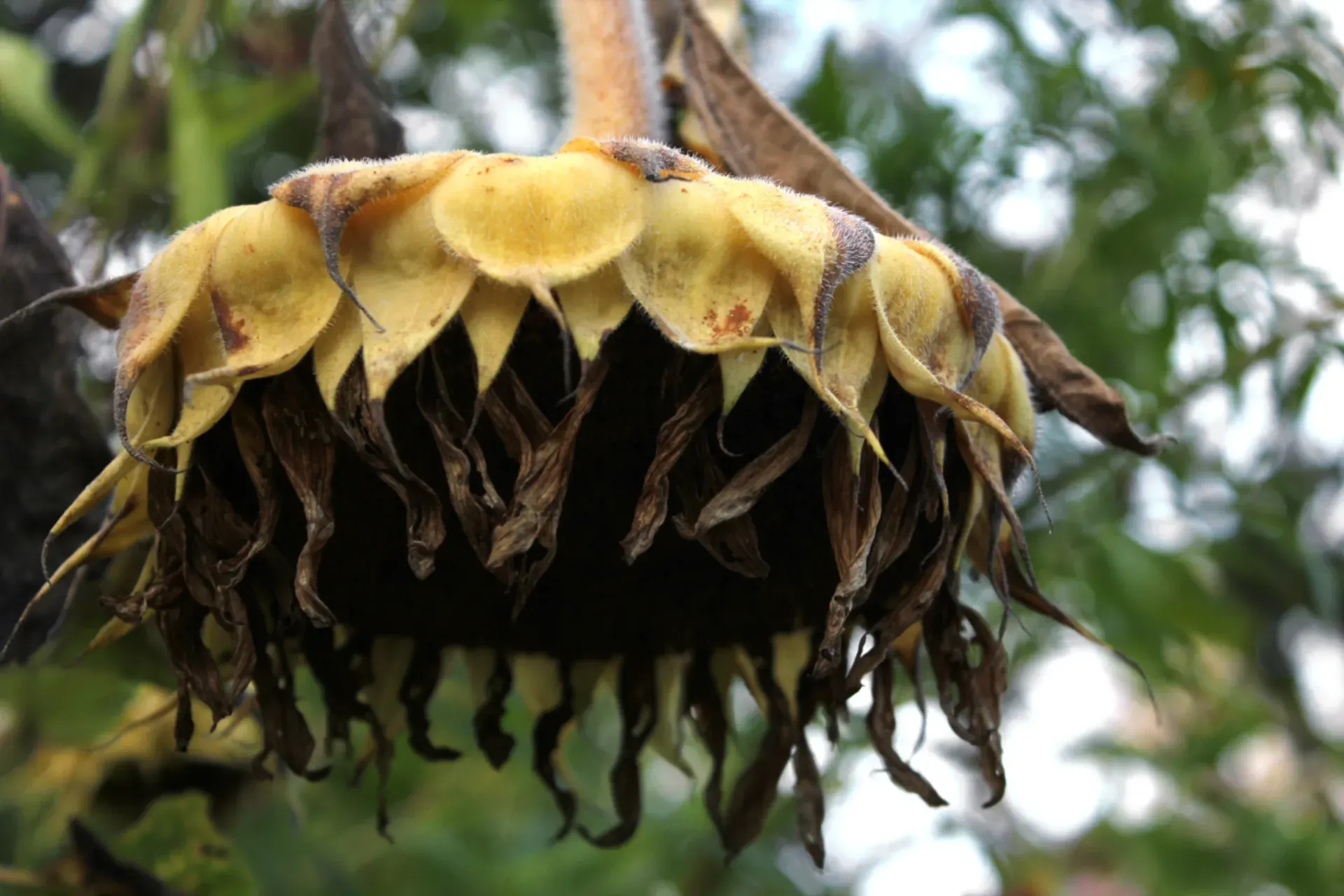
Almost every disappointing first garden traces back to the same short list of gardening mistakes — and almost none of them is about talent. Beginners water a little every day and starve the roots. They plant everything the first warm weekend and lose it to a late frost. They crowd a bed out of kindness and harvest mildew. This page names the 12 mistakes that stall beginners most, in the order they usually strike, and gives the honest fix for each one. Work through the list before your next planting day and most of a first season's heartbreak simply never happens. If you are planning your first bed, pair this with How to Plan a Vegetable Garden — the plan first, then the pitfalls to dodge.
The 12 mistakes, at a glance
- Watering (1–3): shallow daily sprinkles, flooded pots with no drainage, and watering leaves instead of roots
- Spacing (4–6): crowding for a "full" bed, ignoring the plant's mature size, and sowing a whole packet in one row
- Soil and feeding (7–9): planting into tired, untested soil; garden soil in pots; and fertilizer poured on like more is better
- Timing (10–11): planting tender crops before the last frost, and starting seeds so early they go leggy indoors
- Learning (12): treating every hole in a leaf as an emergency and spraying before identifying — the mistake that turns small problems into real ones
Step 1 — Watering mistakes (1–3): the quiet harvest-killer
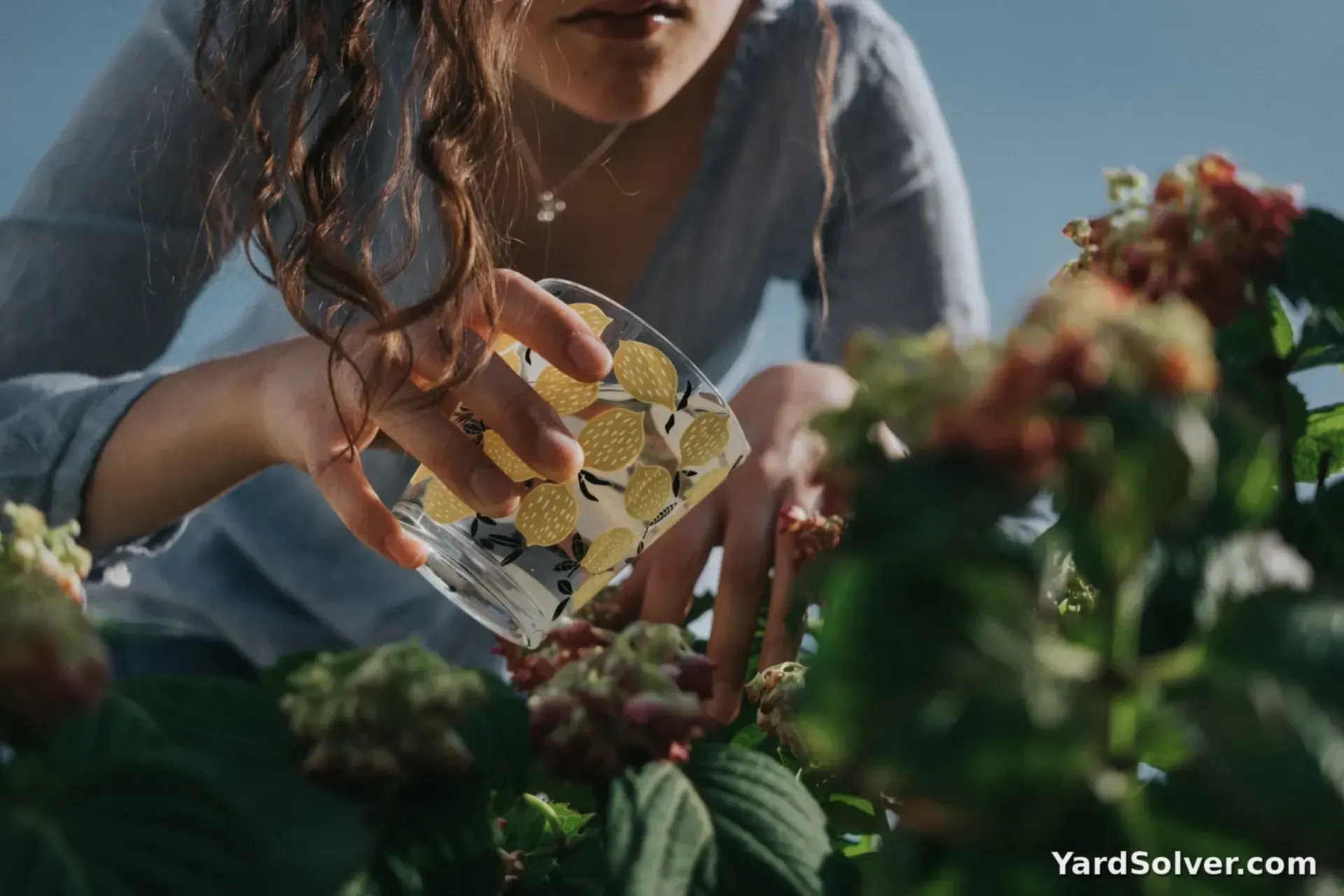
Mistake 1 — A little water every day. A daily sprinkle wets the top inch and trains roots to stay shallow, so the plant collapses the first hot day you miss. The fix: water deeply and less often — a thorough soak that wets the root zone, then wait until the top inch or two is dry before the next one. Deep, spaced watering grows deep roots that find their own moisture.
Mistake 2 — Pots without drainage. A decorative pot with no hole is a bucket, and roots rot in buckets: the plant wilts even though the soil is wet, which tricks beginners into watering more. Drill the hole, use a pot that has one, and empty saucers so roots never stand in water. The full pot rules are in Container Gardening for Beginners.
Mistake 3 — Watering the leaves. Wet foliage left overnight is an invitation to mildew and leaf spots. Water at the base of the plant, in the morning, so anything splashed dries fast. A mulch layer keeps soil from splashing onto leaves in rain — amounts from the Mulch Calculator.
Step 2 — Spacing mistakes (4–6): kindness that crowds
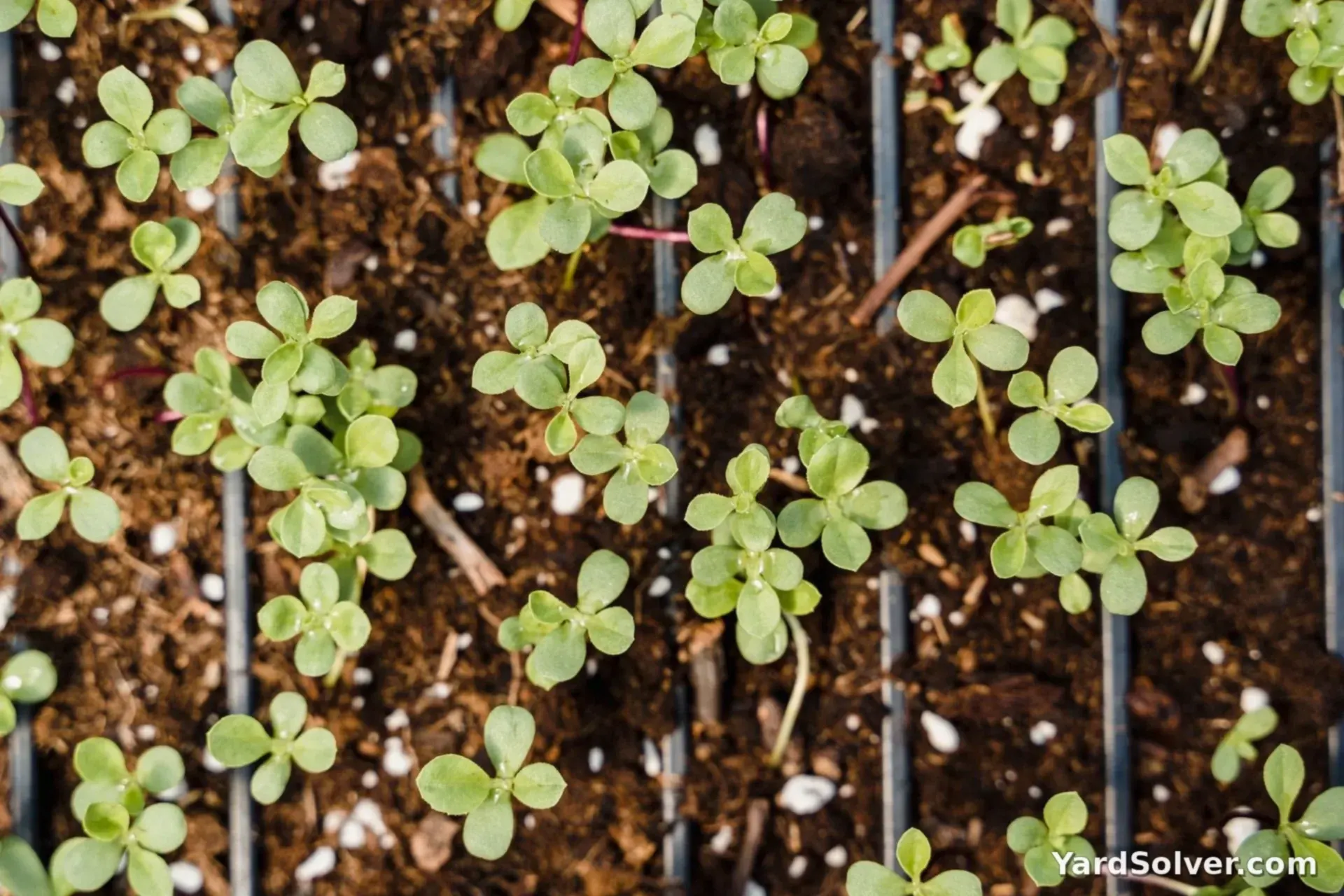
Mistake 4 — Planting for the seedling, not the plant. A tomato transplant is six inches tall; the plant is five feet wide by August. Crowded plants share damp, still air — and damp air is where blight, mildew and aphid colonies thrive. Space for the mature size on the packet, and run your bed through the Plant Spacing Calculator before you plant, not after.
Mistake 5 — Skipping the thinning. Sowing thickly is fine; refusing to thin is not. A row of 40 carrot seedlings becomes 40 forked, stunted carrots. Thin ruthlessly to the spacing in our Vegetable Plant Spacing Chart — the survivors repay you many times over.
Mistake 6 — The whole packet, one row, one day. Every lettuce ripens the same week, then bolts while you eat salad three times a day. Sow little and often — a short row every two weeks — and let the Succession Sowing planner stretch one packet across the season.
Step 3 — Soil and feeding mistakes (7–9): building on sand
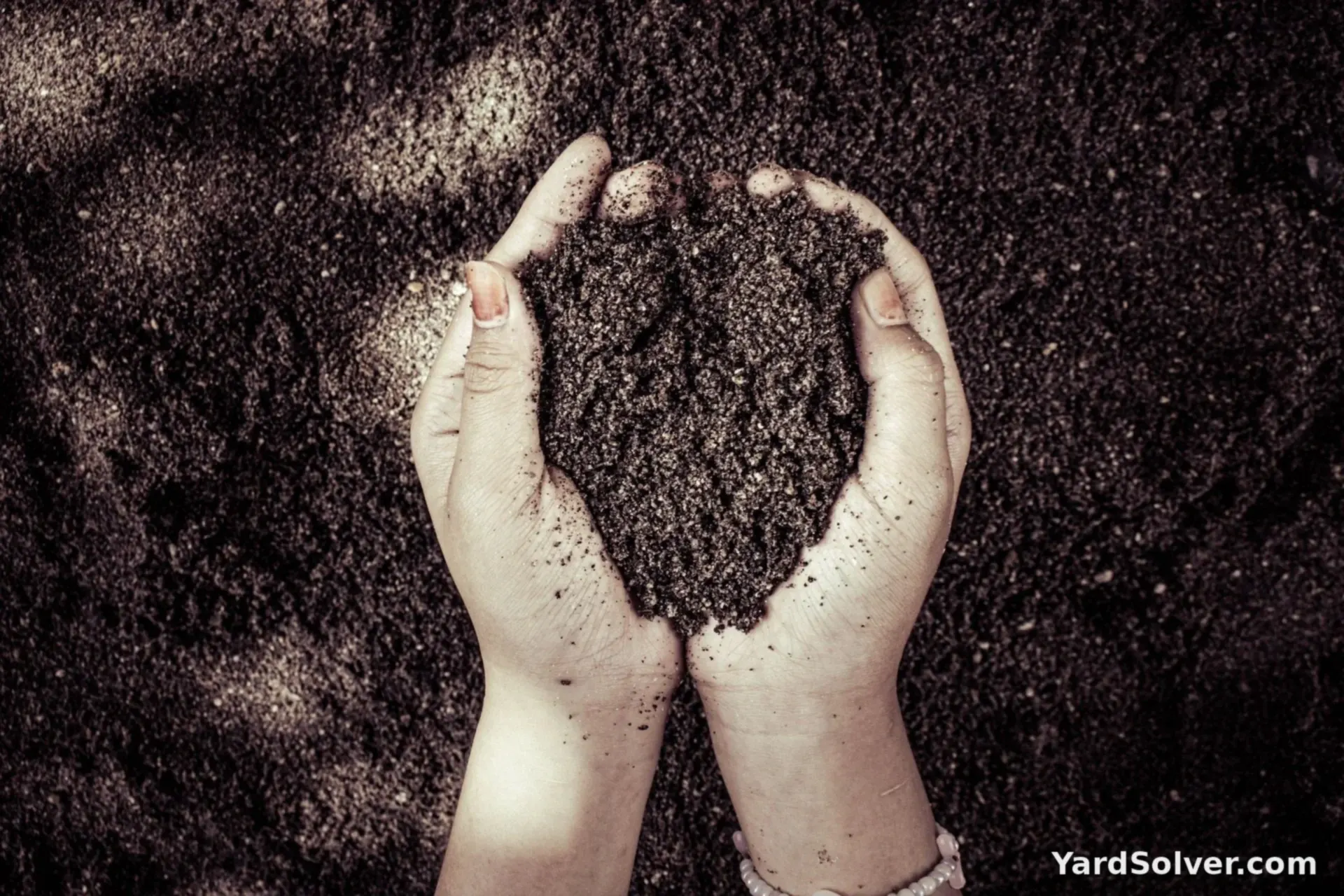
Mistake 7 — Planting into tired soil, untested. Vegetables are heavy feeders asked to perform in whatever dirt came with the house. Work in compost before planting, and know your ground: How to Test Your Garden Soil takes an afternoon and ends years of guessing. Spring beds get the full treatment in How to Prepare Garden Soil in Spring.
Mistake 8 — Garden soil in pots. Dug soil compacts in a container, drains badly and starves roots of air. Pots get potting mix, beds get garden soil — the two are not interchangeable. How much mix a bed or a row of pots actually needs is a calculator question: the Raised Bed Soil Calculator answers it before you shop.
Mistake 9 — Fertilizer by enthusiasm. More is not better: excess fertilizer burns roots (the rescue is in Fertilizer Burn) and pushes soft, leafy growth that aphids love and frost kills. Feed little and often, at the dose the Fertilizer Calculator works out for your bed size — never by the handful-and-hope method.
Step 4 — Timing mistakes (10–11): the calendar is not a suggestion
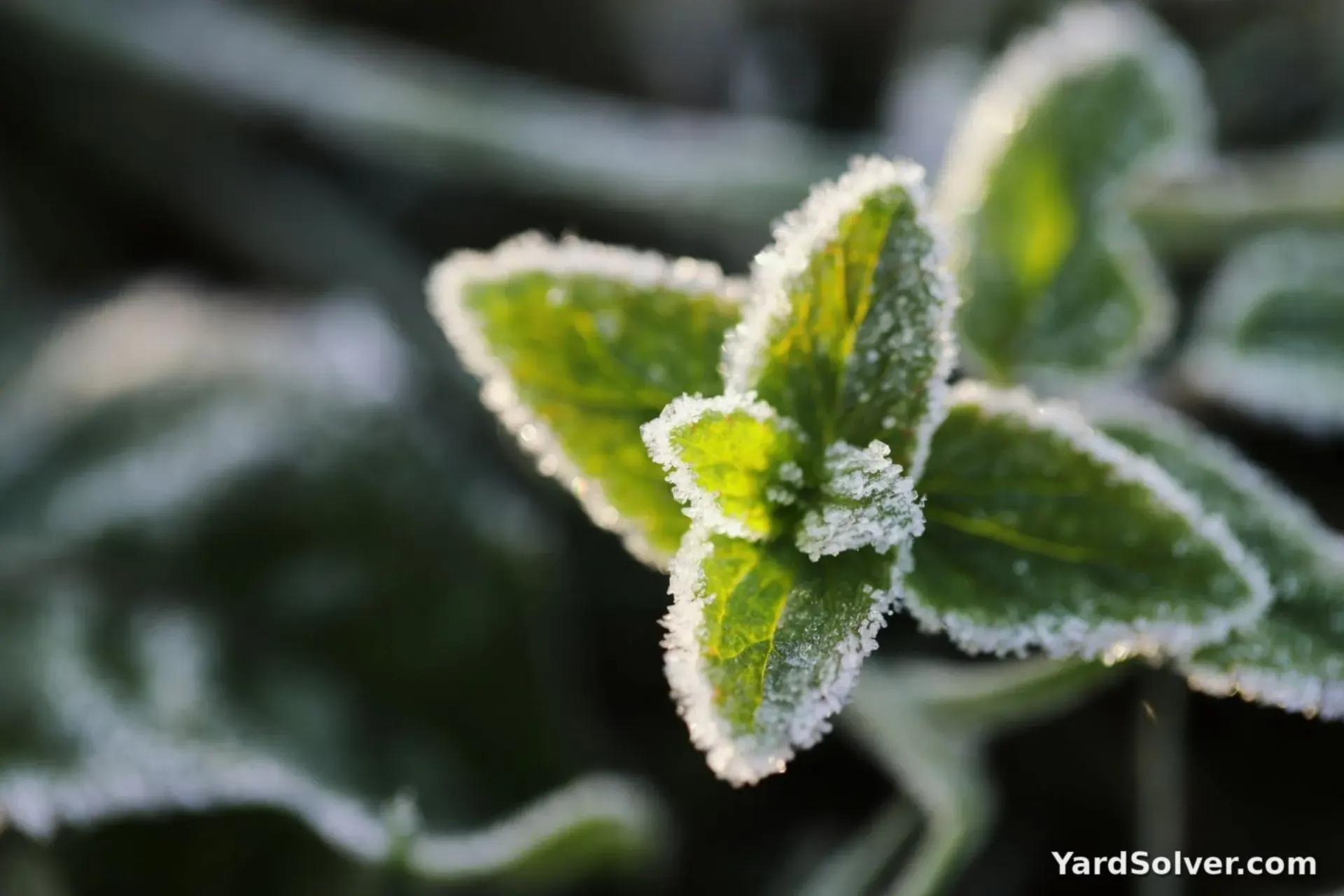
Mistake 10 — Planting out before the last frost. Tender crops — tomatoes, peppers, cucumbers, basil — are killed or cold-checked by a single frosty night, and a checked plant sulks for weeks. Your local last-frost date is the law: find it on the Planting Calendar, harden plants off first (the hardening-off routine), and keep a frost cover ready for the surprise late one.
Mistake 11 — Starting seeds too early indoors. Tomatoes sown in February for a May garden become leggy, root-bound teenagers by planting day; the pale stretched seedlings in Why Are My Seedlings Leggy? are the classic result. Six to eight weeks before the last frost is the window for most crops — the calendar above counts it backwards for you.
Step 5 — The learning mistake (12): spraying before identifying
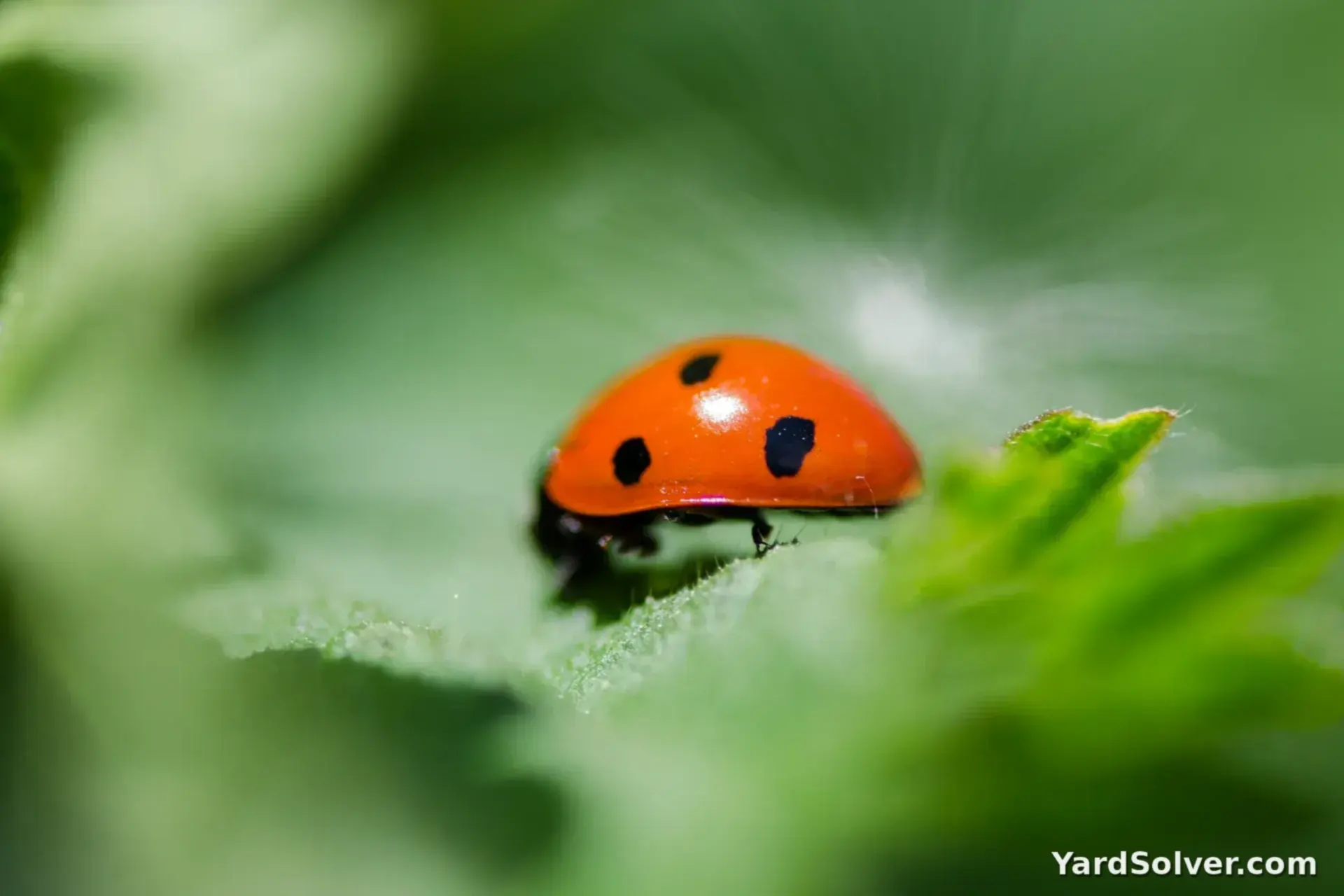
Mistake 12 — Treating every hole as an emergency. A few chewed leaves are information, not a crisis, and most garden insects are either harmless or actively eating your pests. Spraying first and identifying later kills the ladybirds and hoverflies that were solving the problem for free. Turn the leaf over, name what you find with What Is Eating My Plant Leaves?, and only then decide — the whole prevention-first order of operations is laid out in Natural Pest Control Without Chemicals.
One habit prevents half this list from repeating next year: a pocket notebook. What you planted, where, when it went in, what failed and what thrived — five lines a week. Gardeners are not born; they are compiled, one honest season of notes at a time.
Keep going
Planning your first bed? How to Plan a Vegetable Garden — measure, sun, size and layout in order.
Short on room? Vegetables to Grow in Small Spaces picks the crops that earn their square foot.
Already planted and struggling? The fix-it guides start at What Is Eating My Plant Leaves?
Questions people ask
What is the most common gardening mistake beginners make?
Watering a little every day. It keeps only the surface wet, trains shallow roots, and leaves plants helpless in the first heat wave. Water deeply and less often — a full soak, then let the top inch or two dry before watering again.
Why are my vegetable plants growing slowly?
Usually one of three causes: crowding (plants spaced for their seedling size, not their mature size), tired soil with no compost or feed, or a cold start — tender crops planted before the last frost sulk for weeks. Check spacing and planting dates first; they are free to fix next round.
Is it bad to plant vegetables close together?
Closer than the packet spacing, yes — crowded plants compete for light and water, and the damp, still air between them is where mildew and blight thrive. A bed that looks half-empty in May is correctly spaced; it fills in by July.
Should I spray as soon as I see holes in leaves?
No. Most garden insects are harmless, and many — ladybirds, hoverflies, lacewings — eat the pests for you. Identify what is doing the damage first, judge how much harm it is really doing, and use the gentlest fix that works. A few holes on an established plant rarely cost any harvest.
Comments & ratings
No comments yet.
Be the first to share your experience.